Vicky Elmer
(née Beercock) | Global Communications & Marketing Leader | Brand, Culture, Reputation



















Hull City AFC
Marketing, Communications & Partnerships Direction
Role: Head of Marketing, Communications & Partnerships | Senior Leadership Team
Reporting to: Club Owner
Team: 19 - Marketing, Digital, Content, PR, Media, Design, Supporter Engagement
Scope: Brand · Digital · App · OTT · Broadcast · PR · Content · Fan Experience · Commercial Partnerships · Community · Corporate Communications
I joined Hull City AFC as Head of Marketing, Communications and Partnerships in 2018 - appointed to the Senior Leadership Team during one of the most turbulent periods in the Club's recent history. Relegation from the Championship, sustained ownership scrutiny and years of supporter disengagement had eroded brand equity and institutional trust to a degree that went well beyond what conventional marketing could address.
The mandate was broad and deliberate: rebuild the Club's relationship with its fanbase, modernise its commercial infrastructure, and reposition Hull City as a credible, progressive sports organisation - regardless of what was happening on the pitch. I built the Club's first fully integrated marketing operating model from scratch, covering brand strategy, digital platform, fan engagement, paid media, community programming, corporate communications and all agency relationships.
Football brands are consumer brands. Performance fluctuates. Brand equity compounds.
Brand Transformation
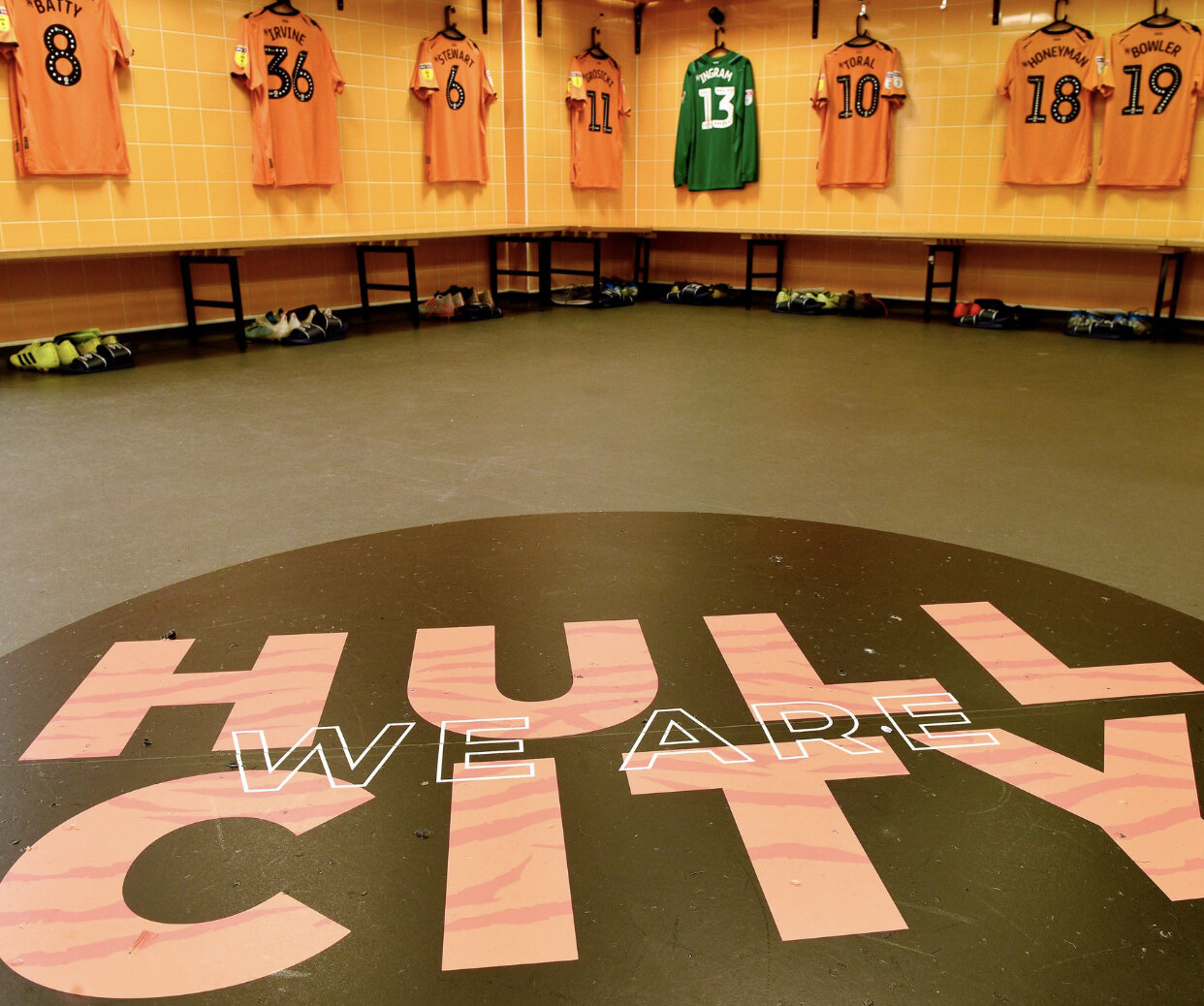
The Club had been operating in reactive mode - communicating around fixtures and results, with no consistent narrative and no framework for building the brand between matches. The first task was to define what Hull City actually stood for, and to build a marketing model that could deliver that identity at every touchpoint, regardless of league position.
I authored and presented the Club's full Marketing Strategy to the Senior Management Team - covering brand vision, mission, values, audience architecture, channel roles, content model and quarterly narrative arc. The strategy shifted the content balance deliberately: 60% brand-building (players, community, heritage) to 40% match-focused. That ratio was not arbitrary. It was designed to ensure the Club remained relevant and engaging across the full season, not just on matchdays.
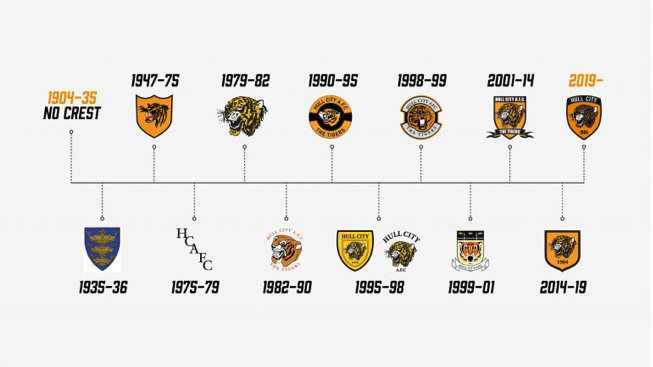
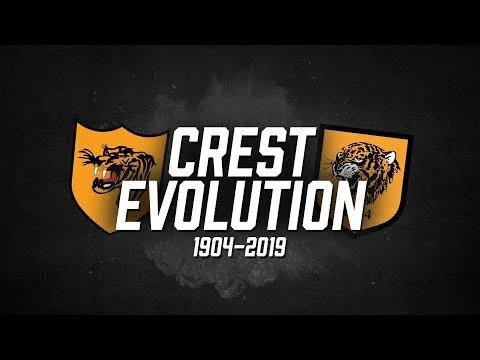
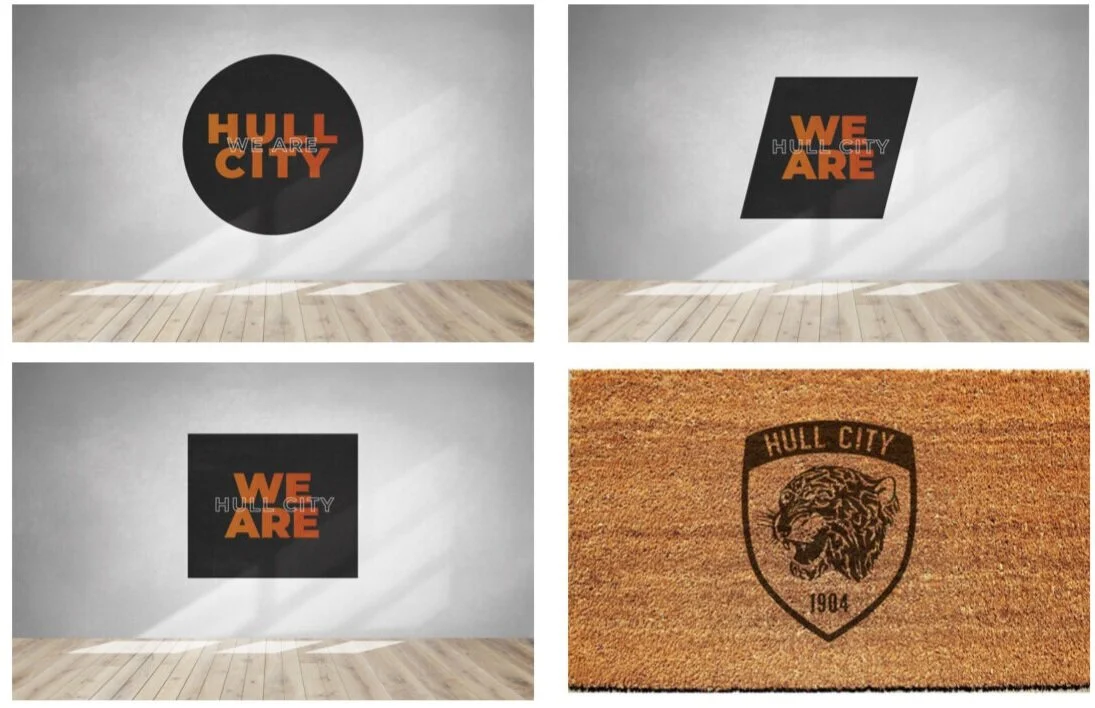
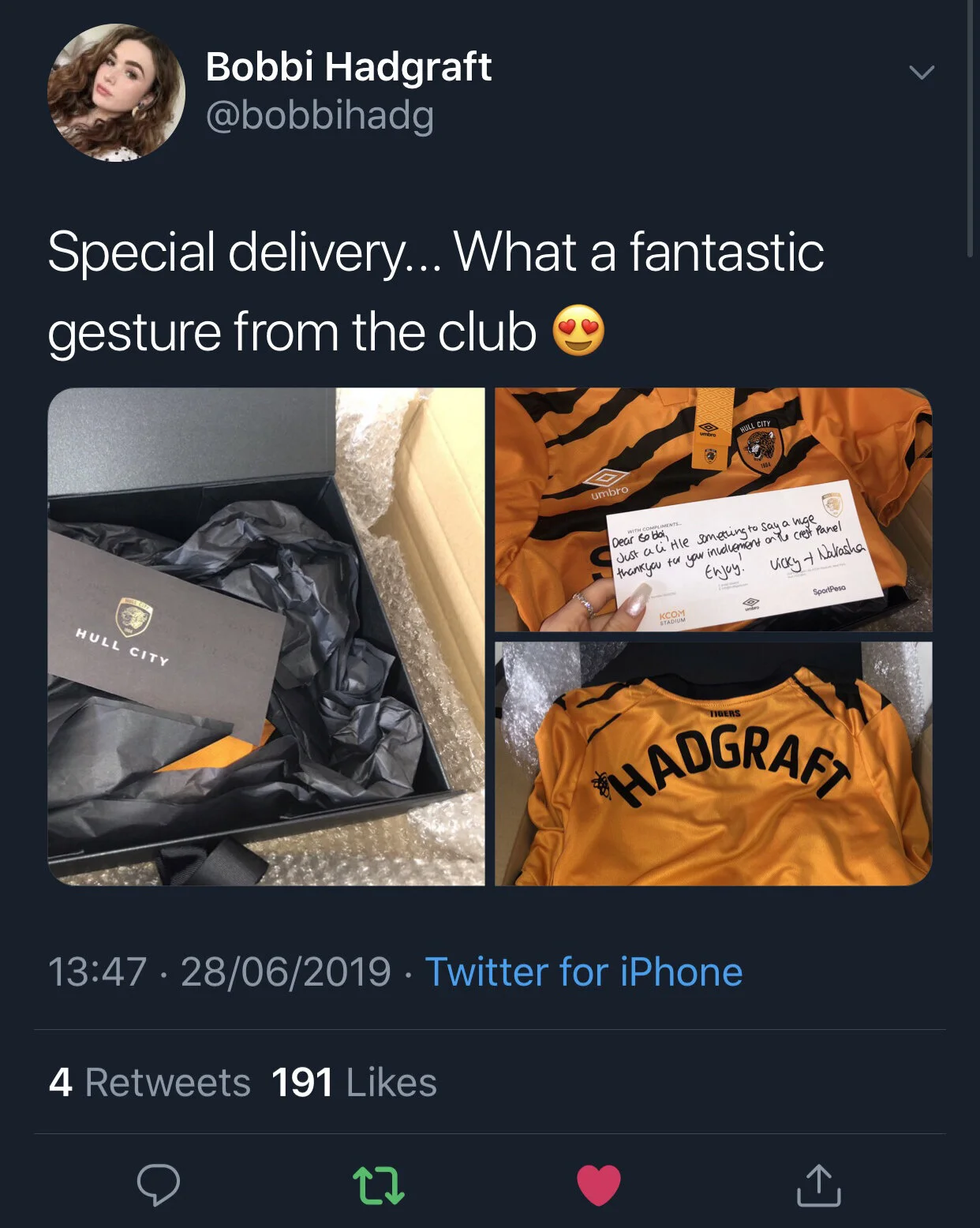
The crest redesign was the most visible expression of this philosophy. Following backlash to a previous ownership-led identity change, I led the redesign with a three-phase supporter consultation - a survey engaging 7,000 respondents, a nomination and open vote to appoint a 12-person community panel, and two facilitated creative sessions to translate the supporter vote into a final design. The result was a crest that supporters felt they had genuinely created - because they had. Managing the communications around that process, including the embargoed reveal to the Club owner and coordinated media launch, was one of the most sensitive stakeholder challenges of the role.
Digital Platform & Product
When I arrived, the Club had the technical infrastructure for a modern digital operation but was using it in an almost entirely analogue way. There was no app. The website was underperforming. In-stadium screens were running static sponsor placements rather than integrated fan experiences. The Club was streaming via the EFL's collective iFollow service - a platform that was slow, unreliable and gave the Club no control over its own content.
Over the following 18 months, I rebuilt the Club's entire digital offering from the ground up.
Club App. Launched Hull City's first integrated fan platform on iOS and Android - the first in the EFL Championship to combine ticketing, membership, stadium access, OTT streaming and news in a single product. I managed App Store discoverability strategy, a phased announcement plan designed to control messaging before the app became publicly searchable, beta testing, and full go-to-market across paid, owned and earned channels. The app delivered 32,000 downloads in Month 1, 58,000 cumulative by end of Season 1, a Day 30 retention rate more than double the all-app industry average, and a 4.3-star rating across iOS and Android on first release.
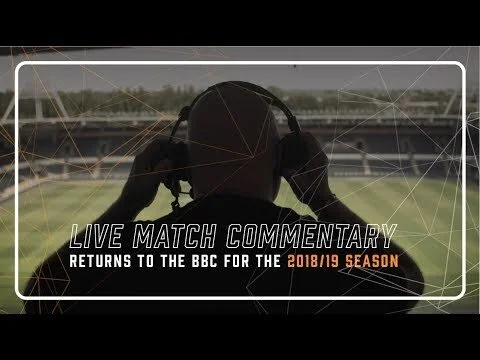
Tigers TV Live. Delivered an industry-first EFL opt-out - redirecting sponsorship funds previously retained by the EFL for their collective iFollow service directly to the Club, and building a superior independently operated OTT platform in its place. The Club-owned platform delivered premium video content instantly available for social repurposing, local commentary, additional camera angles and richer data access. It was built and operated for less than the EFL had previously retained, and generated commercial return on top. This was going against the grain of the rest of the industry.
Website Redesign. Directed and oversaw a full rebuild of the Club website - mobile-first, video-first, with integrated ticketing and retail ecommerce. The redesigned site delivered a 72.3% increase in monthly sessions during the app launch campaign, with a bounce rate of 10.24% at peak - well below the industry average for sports media sites.
Supporter Segmentation & CRM. Built and implemented a five-tier supporter segmentation model - Passive, Casual, Active, Member, Devoted Member - mapped to ticketing, retail, digital behaviour and communications engagement data across a profiled fanbase of 16,577 supporters. The model underpinned all CRM strategy, lifecycle messaging and membership acquisition campaigns. Email open rates reached 58.2% against an all-industry average of 17.8%.
In-Stadium Fan Experience & Commercial Innovation
The stadium environment was the most immediate expression of the brand - and it was being underused. Screens were running static placements. The sound system was not integrated into the broader matchday narrative. Commercial partners were receiving generic inventory rather than an experience worth paying for.
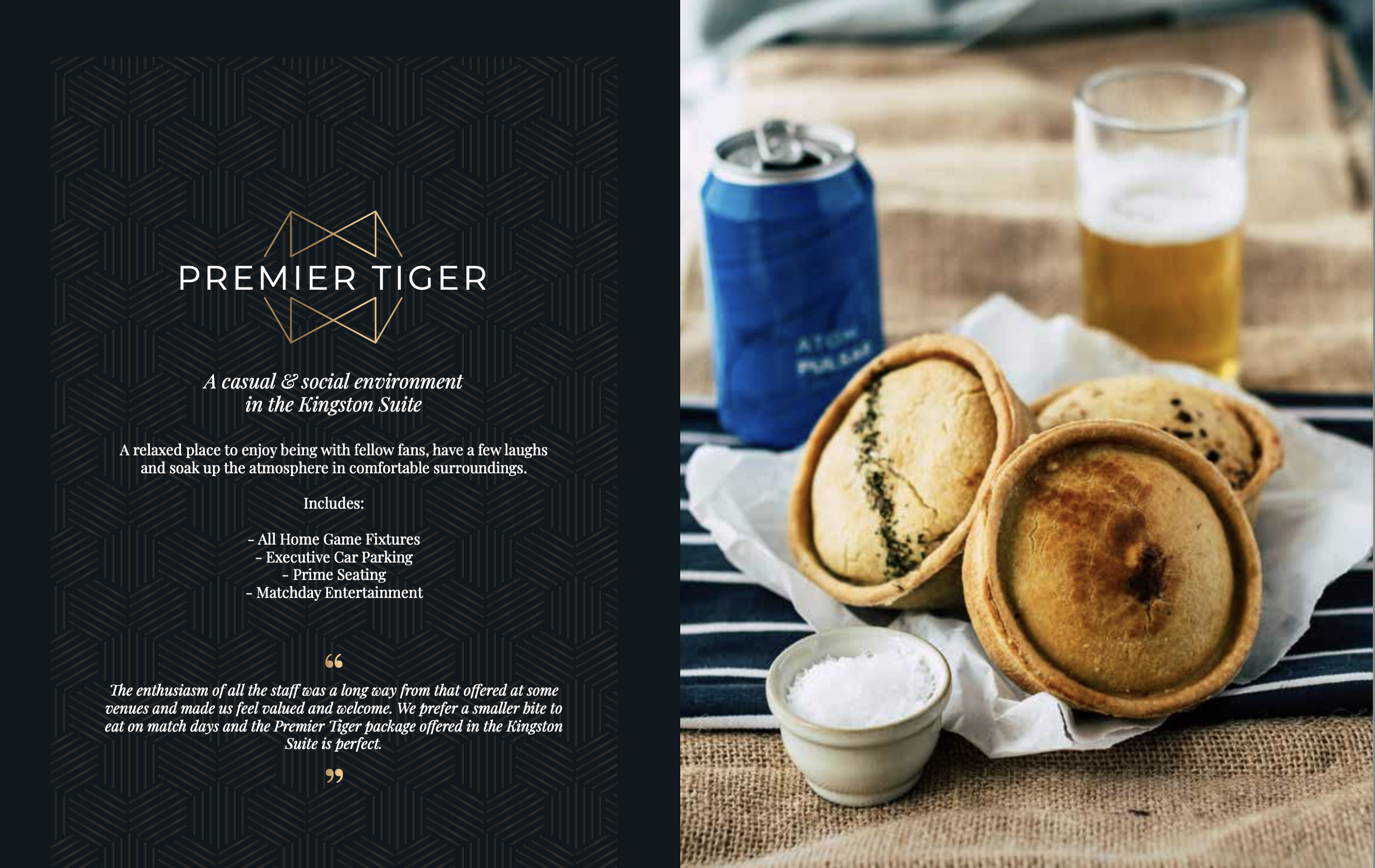
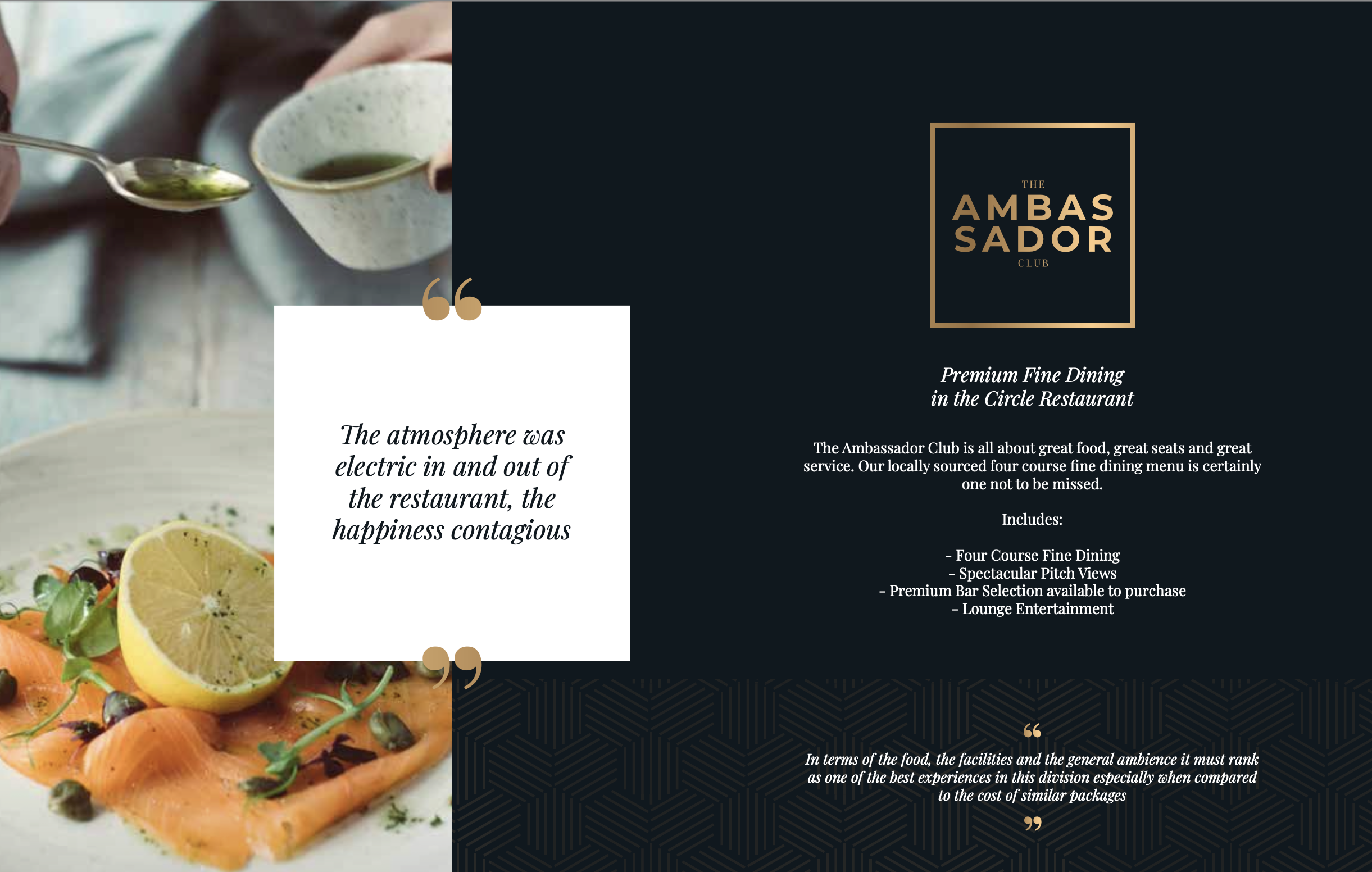
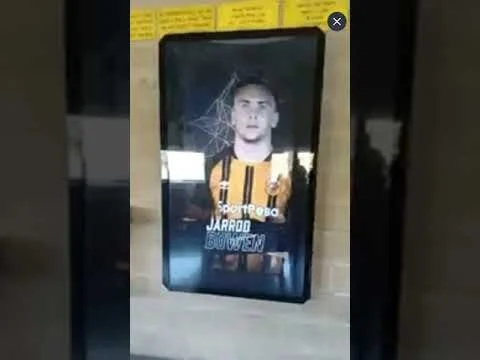
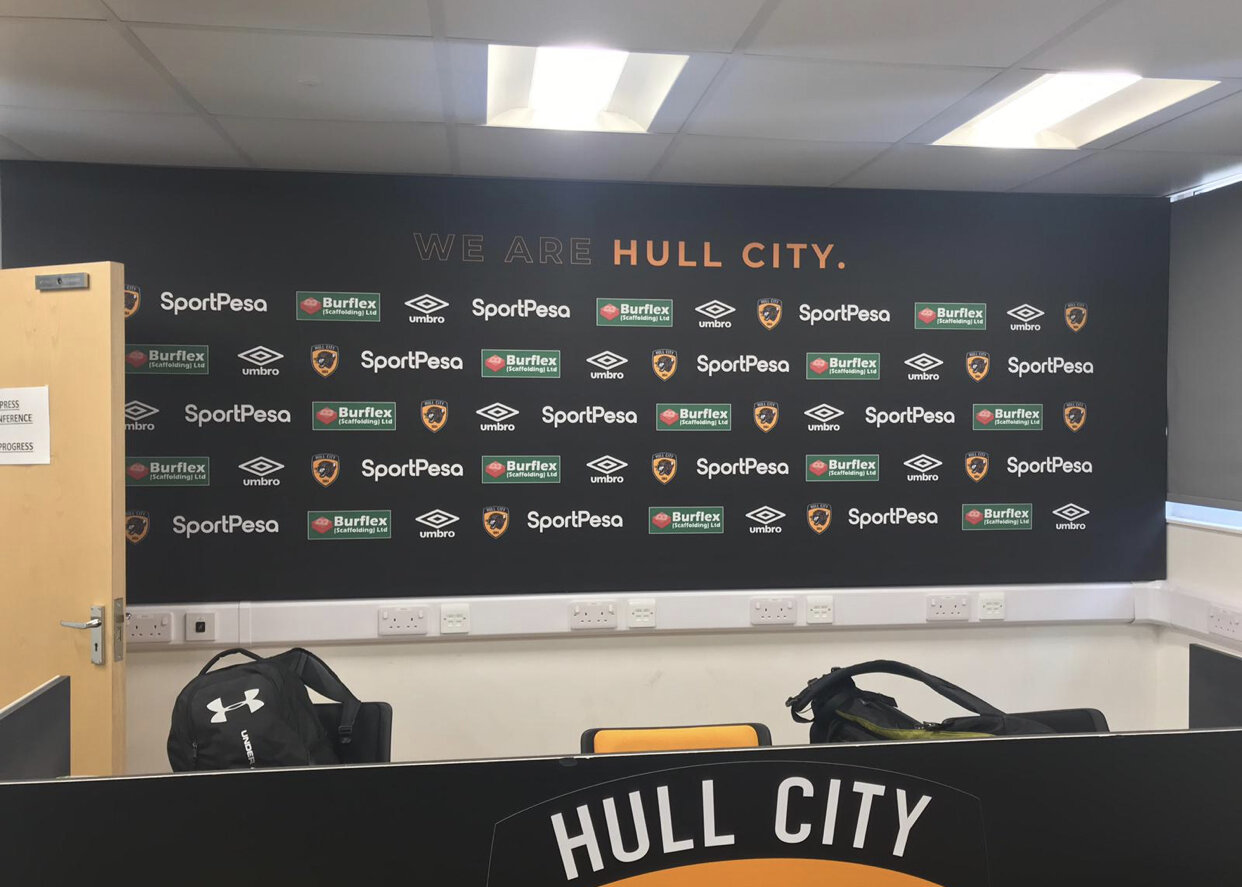
I reframed the stadium as a channel with a defined strategic role: to build atmosphere, drive commercial credibility and create a matchday experience that supporters would remember regardless of the result. I directed the team to elevate every touchpoint - big screens, concourse TVs, pitch-facing and crowd-facing LEDs, sound programming - from passive advertising space into an integrated, immersive environment. The team were upskilled to operate as a creative studio, and we extended agency-quality design support to commercial partners without in-house creative capability, ensuring the experience standard held across every sponsor regardless of budget.
The result was a total stadium takeover commercial proposition - structured tiered sponsorship packages integrating all in-stadium inventory - that improved both partner satisfaction and commercial return. The quality of the fan experience and the sophistication of the commercial offering became mutually reinforcing.
Community & Heritage
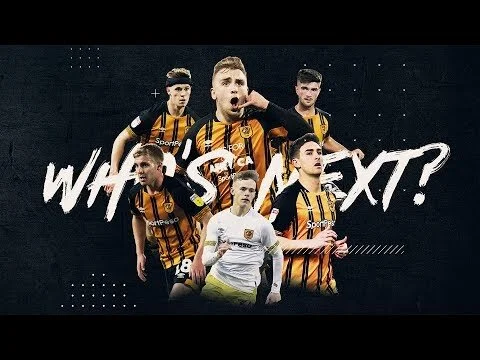
The Club's relationship with Hull as a city was a commercial and reputational asset that had been neglected. I designed and delivered a structured community marketing platform - not as a CSR bolt-on but as a core pillar of the brand strategy - across two quarters of the season. This covered partnerships with local Mind charity, The Together Project (addressing poverty in Hull), Kits for Africa, the Academy Who's Next campaign, Viking FM Sports Challenge and Armistice Day programming.
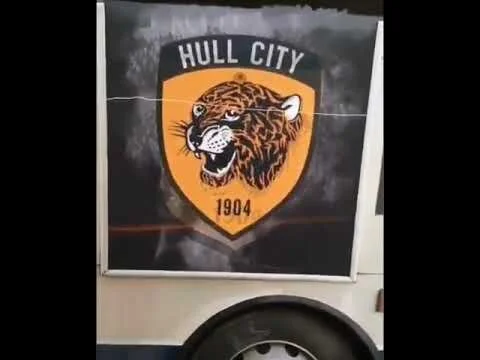
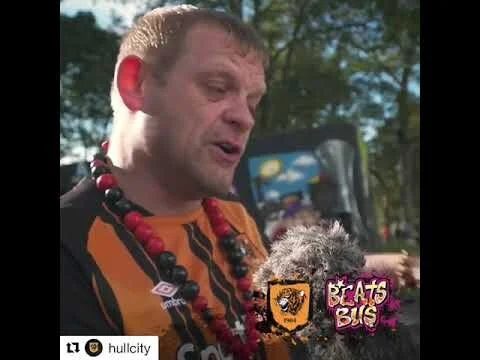
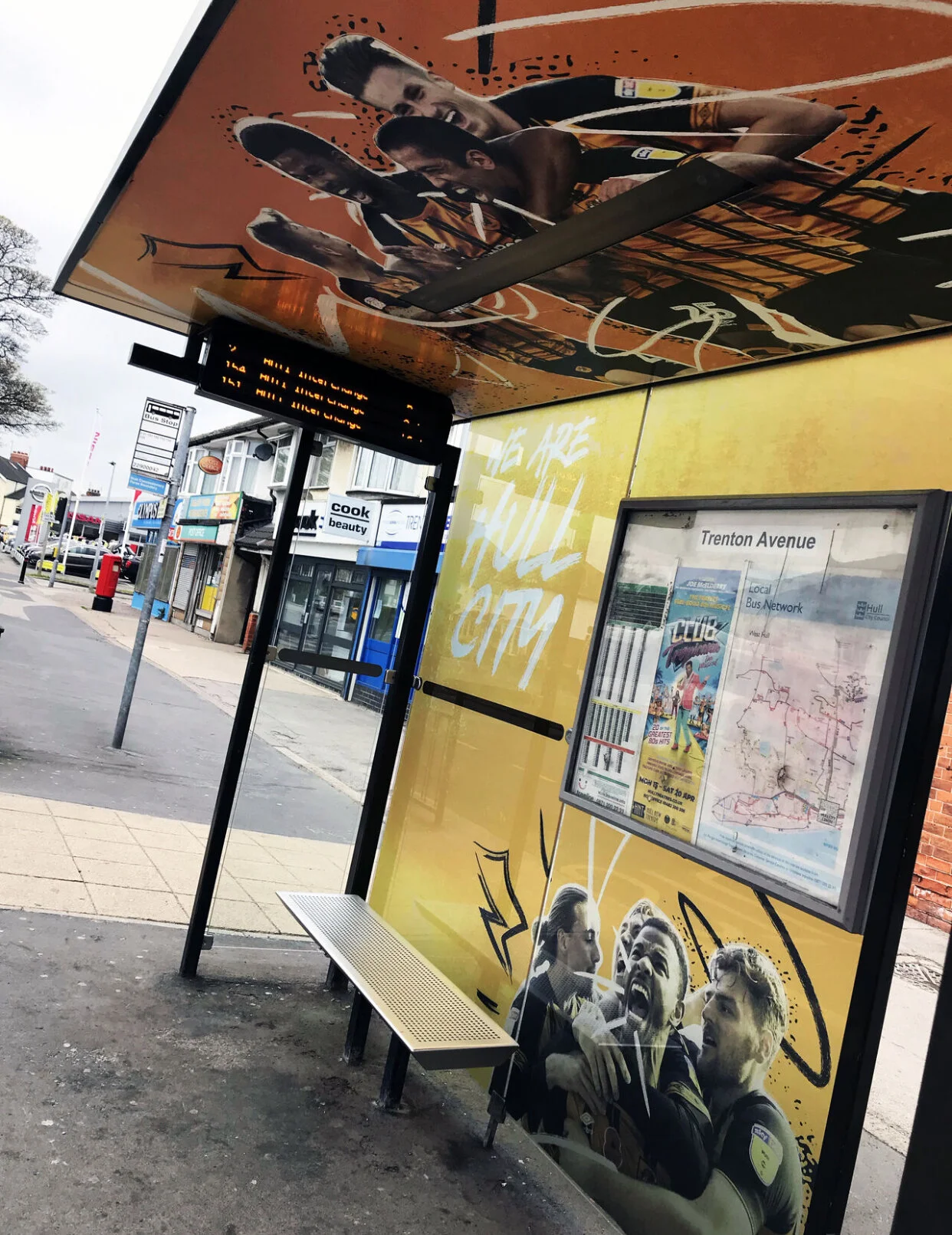
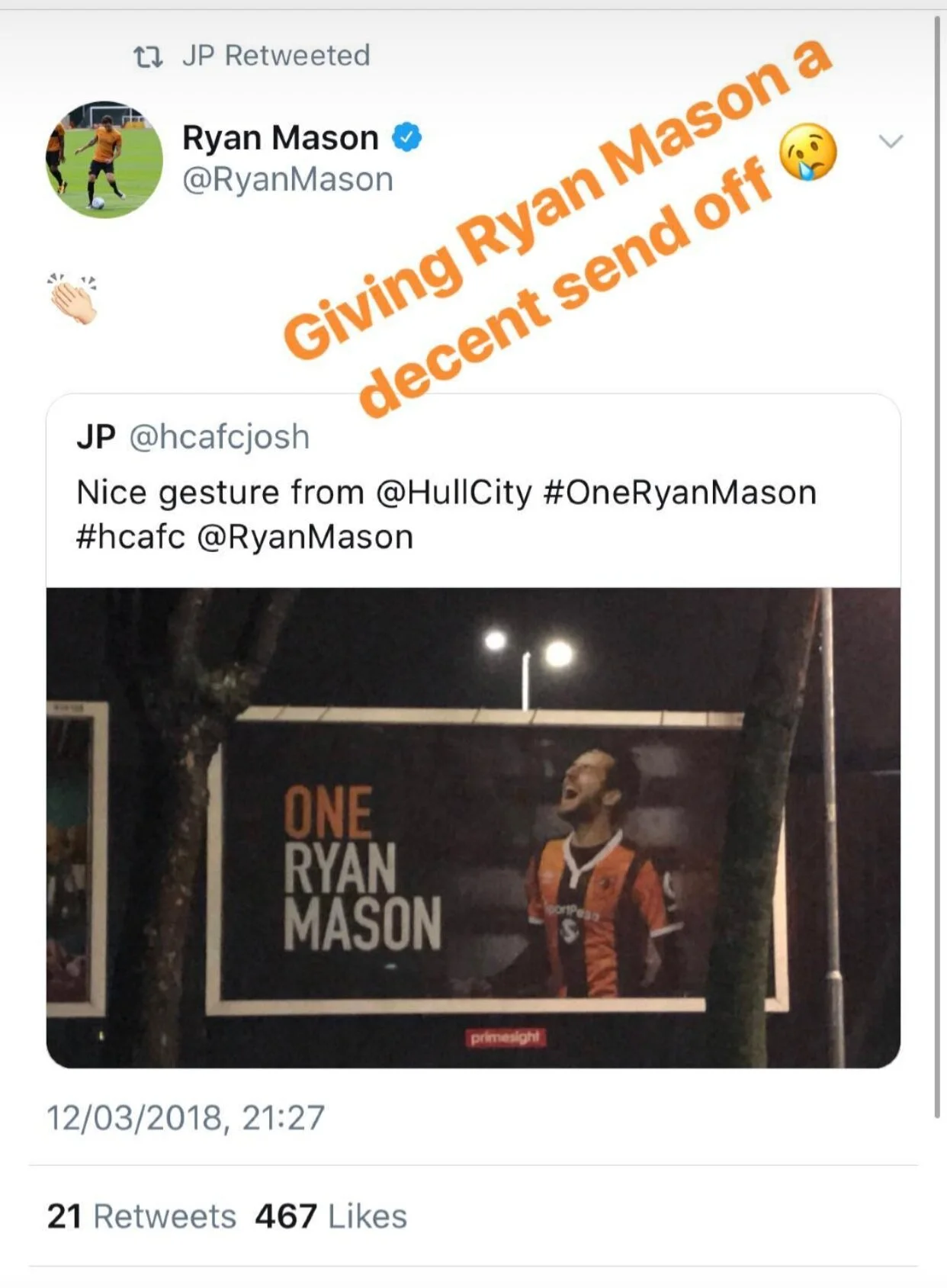
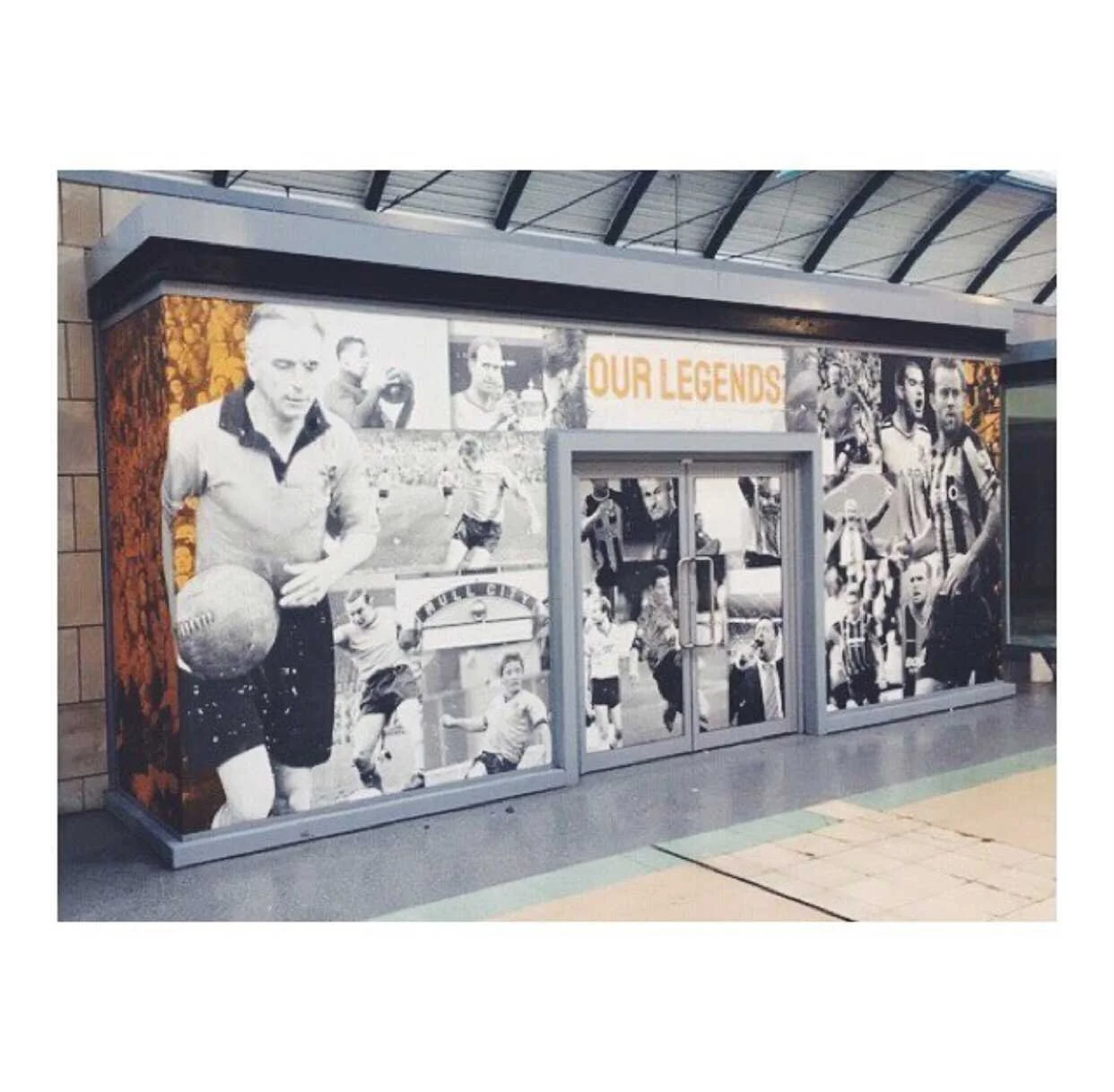
The Heritage campaign was equally deliberate. During a period when supporters needed to feel reconnected to the Club's history, I led a city-wide outdoor and digital campaign - lenticular buses, bus shelter wraps at key city locations, a train station shop front wrap, a legal graffiti wall at Bankside Gallery - alongside a new Heritage hub on the website, a digital archive programme and an application for Heritage Lottery Funding through Tigers Trust.
A UGC campaign - Dwie Rakiety - was developed specifically to engage Hull's Polish community through star player Kamil Grosicki, combining social-first content with community partnership and bilingual messaging.
Corporate & Crisis Communications
The Club operated under sustained public and media scrutiny throughout my tenure. I built and implemented a robust corporate communications framework - covering internal alignment, leadership messaging, stakeholder management, crisis response protocols and media relations - that gave the organisation the capacity to communicate clearly and consistently under pressure.
I acted as a senior advisor to the Club owner on communications strategy, led sale-readiness and due diligence communications, and oversaw the Club's relationship with local and national media throughout. The Club delivered its first net-positive sentiment in four years during this period.
Strategic Impact
Hull City AFC was a distressed brand when I arrived. It left my tenure with a new crest, a new app, a new website, a new OTT platform, a new segmentation model, a new community strategy, a new commercial sponsorship proposition and a new corporate communications framework - all built under significant pressure and resource constraint, and all integrated into a single coherent operating model.
The work demonstrated something that applies well beyond football: that brand equity is a commercial asset, that fan trust is built through participation rather than broadcast, and that owning your digital infrastructure - your content, your platform, your data - is not a technology decision. It is a strategic one.
– Supporter trust is a commercial asset. Participation builds loyalty that performance alone cannot.
– IP ownership matters. Owning content, platforms and narrative creates resilience and long-term value.
– Fan experience and commercial return are not in tension. Done well, they compound each other.
– Digital product thinking belongs in sports marketing. The standards are the same as any consumer category.