Vicky Elmer-Beercock
Culture That Converts | Identity, Reputation, Standing | Chief Brand Officer · Head of Brand & Culture
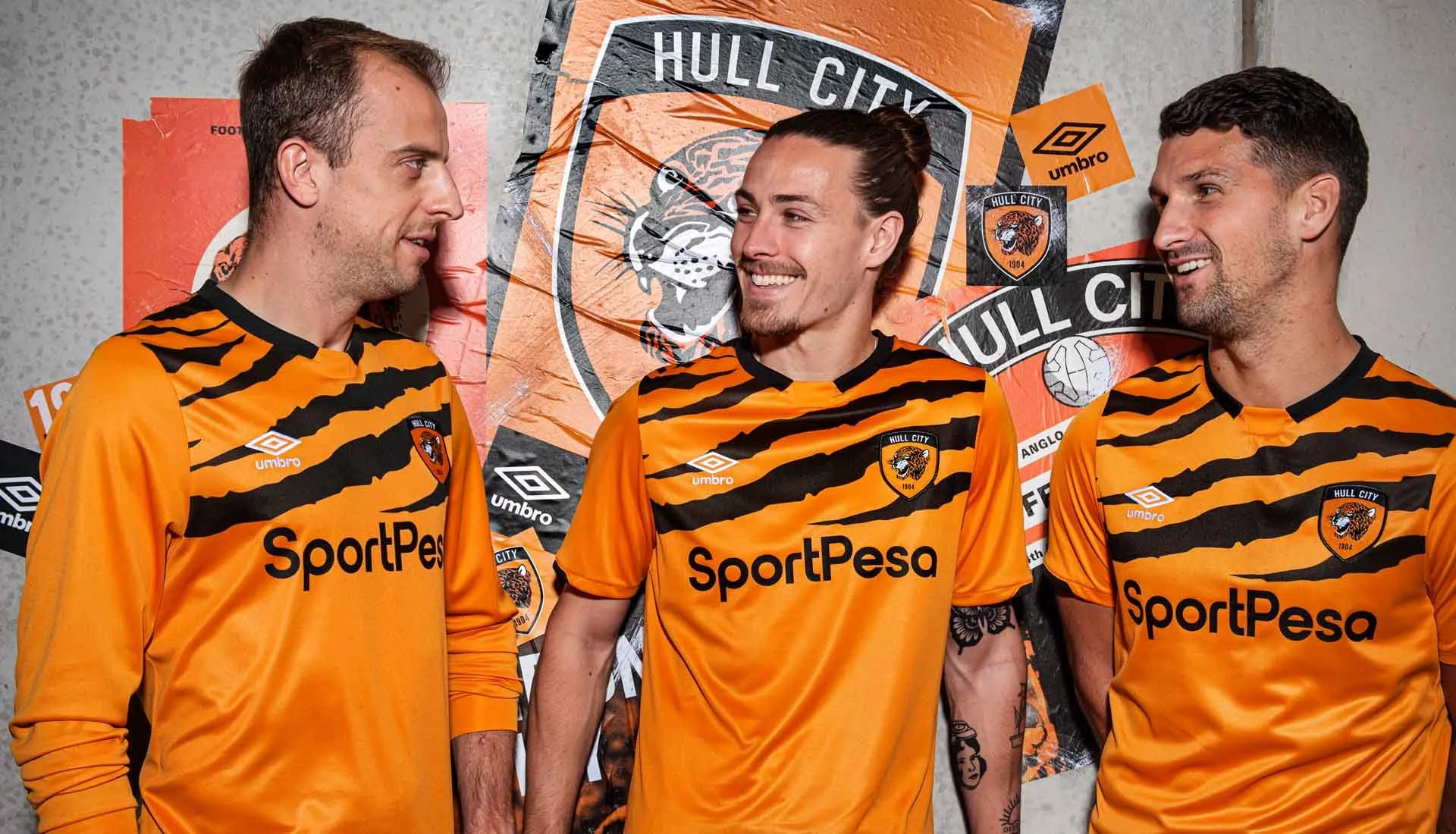
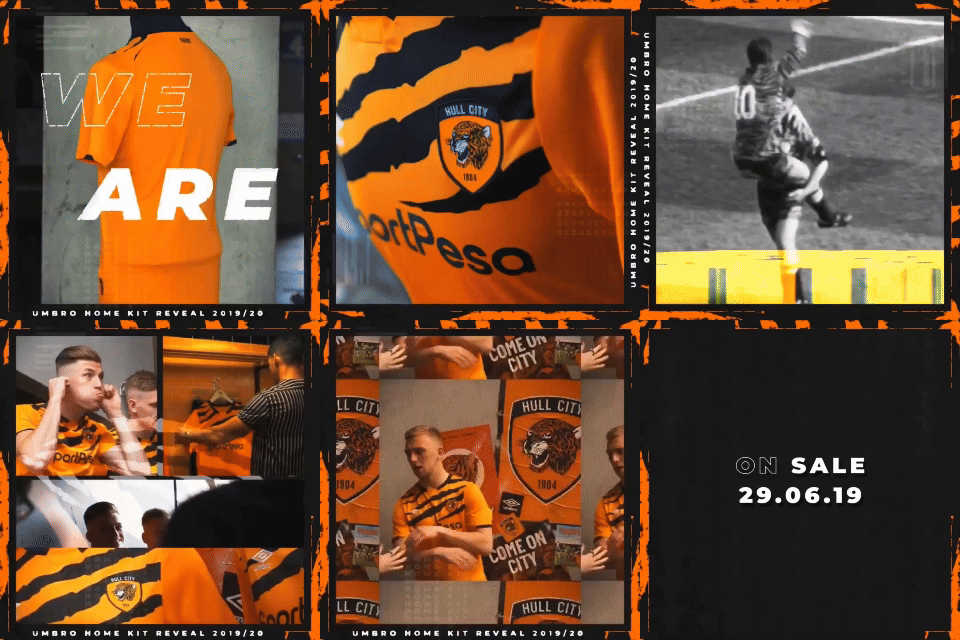
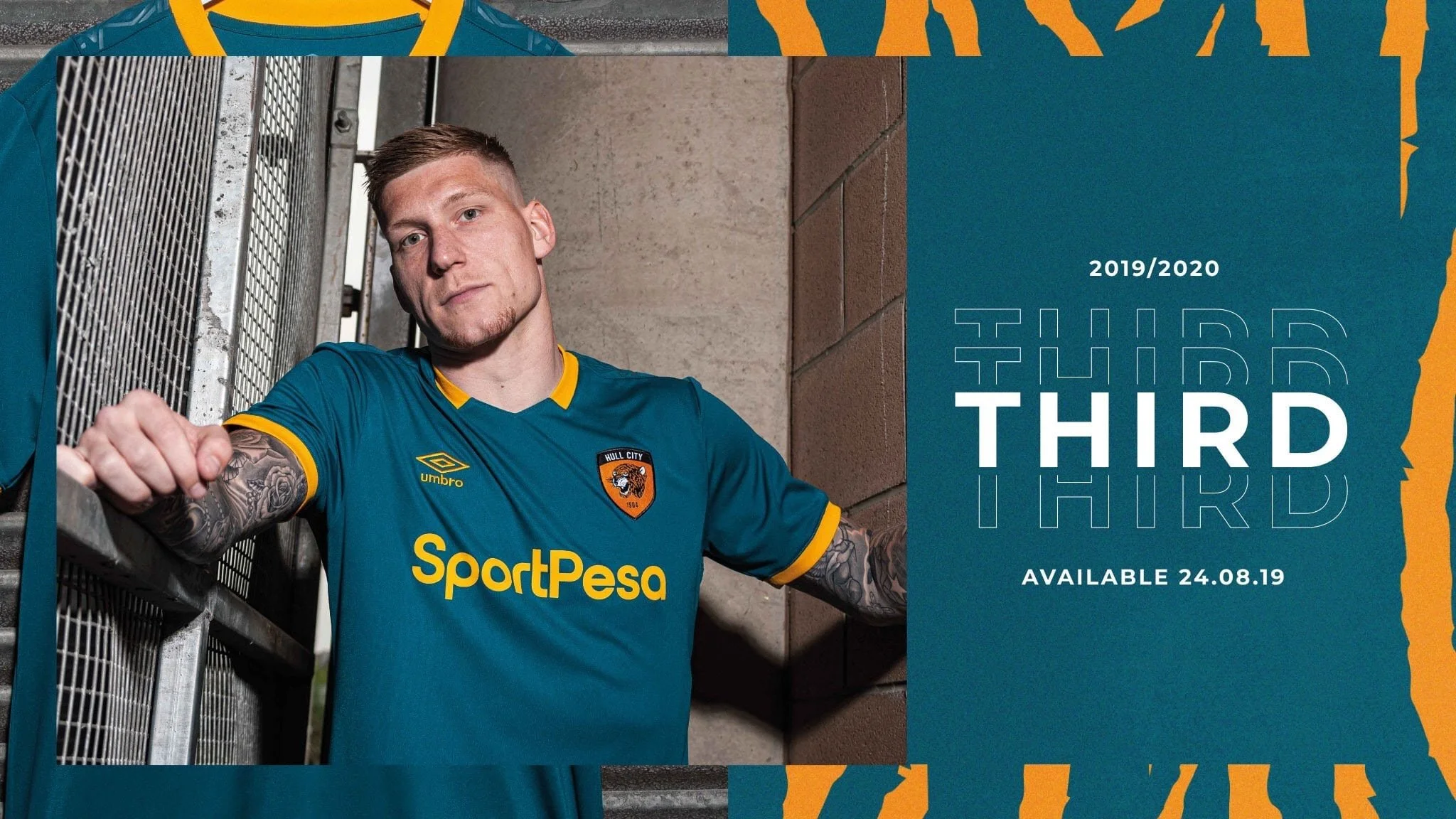
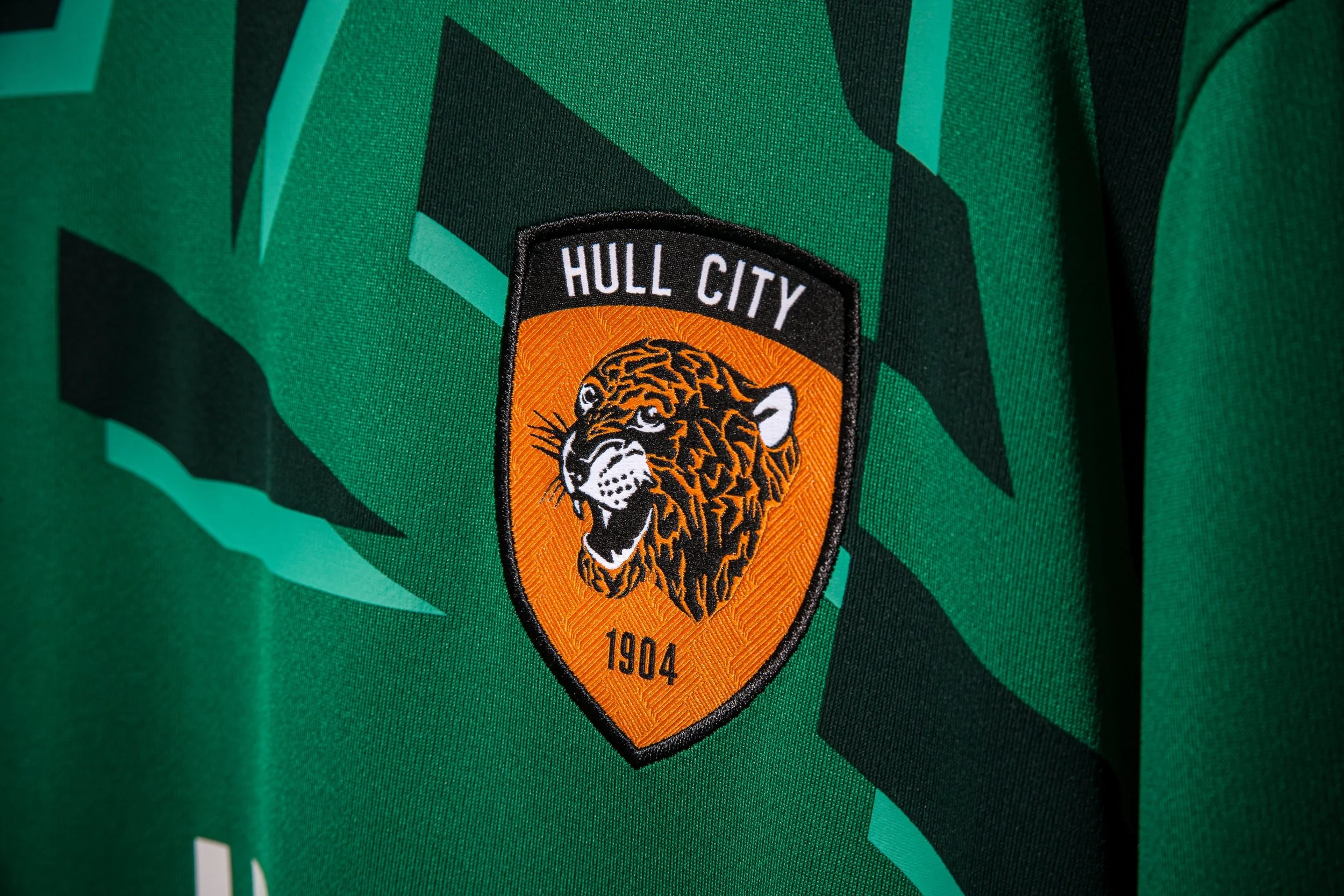
HULL CITY X UMBRO KIT LAUNCHES
18/19 AND 19/20
A football kit is not a product launch. It is one of the most emotionally charged moments in a supporter's year - the point at which the Club makes a public statement about who it is, what it values and whether it understands its own fanbase.
At Hull City, that statement carried particular weight. Both launches came during a period of significant brand disruption - relegation, ownership scrutiny, a contested crest history and a supporter base that had learned to be sceptical of decisions made above them. Getting the kits right was commercially important. Getting the launches right was a trust exercise.
Strategic Approach
The kits were positioned from the outset as core brand products, not seasonal merchandise releases. That distinction shaped everything - from the design conversations with Umbro through to the communications strategy and retail rollout.
The principles that guided the work:
Product-led storytelling. The design details, symbolism and craft of each kit were treated as the narrative - not a backdrop to it. Where there was heritage to draw on, it was drawn on deliberately.
Supporter-first framing. Launches were built to feel inclusive and credible, not corporate. The goal was pride and advocacy, not just awareness.
Commercial alignment. Design, communications and retail readiness were coordinated to a single plan, ensuring the moment of launch translated directly into sell-through.
Operational discipline. Football, commercial, media and retail teams were aligned around a shared rollout, with no function running ahead of or behind the others.
Leadership & Delivery
As the Club's senior brand stakeholder for kit design and launch, the role covered end-to-end oversight across both seasons - creative collaboration and brand direction with Umbro, internal sign-off processes, launch strategy across communications, digital, social and supporter engagement, and retail and ecommerce readiness to support immediate conversion.
The Umbro partnership required ongoing management: ensuring that the kit manufacturer's requirements and the Club's evolving brand identity remained in productive alignment across design, usage rights and launch sequencing.
Impact
Both launches were received strongly by supporters - a meaningful outcome given the scepticism that existed at the time. Kit design and storytelling were consistently cited positively in supporter and media coverage, reinforcing the credibility of the broader brand reset underway at the Club.
Commercial performance improved, with kit sales doubling across the period - a result that reflected both stronger product positioning and tighter launch execution.
The Umbro partnership was strengthened through disciplined, brand-led delivery that gave the manufacturer confidence in the Club as a commercial and creative partner.
Strategic Significance
What made these launches matter beyond the commercial outcomes was their role in the larger brand story. At a club where supporters had reason to distrust institutional decisions, two kit launches that felt considered, authentic and worthy of pride were not just retail moments. They were evidence that the organisation understood what it was and who it was for.
In sport, that evidence compounds.



18/19 UMBRO KIT


