Vicky Elmer-Beercock
Culture That Converts | Identity, Reputation, Standing | Chief Brand Officer · Head of Brand & Culture
Hull City AFC Head of Marketing, Communications & Partnerships
Senior Leadership Team. Reporting to the Club Owner | Team of 19
Brand · Digital · App · OTT · Broadcast · PR · Content · Fan Experience · Commercial Partnerships · Community · Corporate Communications
Appointed to the Senior Leadership Team in 2018, during one of the most turbulent periods in the Club's recent history. Relegation, sustained ownership scrutiny and years of supporter disengagement had eroded brand equity and institutional trust to a degree that went well beyond what conventional marketing could address.
The mandate was deliberate: rebuild the Club's relationship with its fanbase, modernise its commercial infrastructure, and reposition Hull City as a credible, progressive sports organisation, regardless of what was happening on the pitch.
Football brands are consumer brands. Performance fluctuates. Brand equity compounds.
Commercial Remit
The role carried full commercial marketing responsibility for a Championship stadium, spanning ticketing, membership, retail, hospitality, sponsorship and matchday experience as one connected operation rather than separate functions reporting in different directions. A specialist in-house team and several external agencies supported delivery across brand, digital, content and paid media.
Brand Transformation
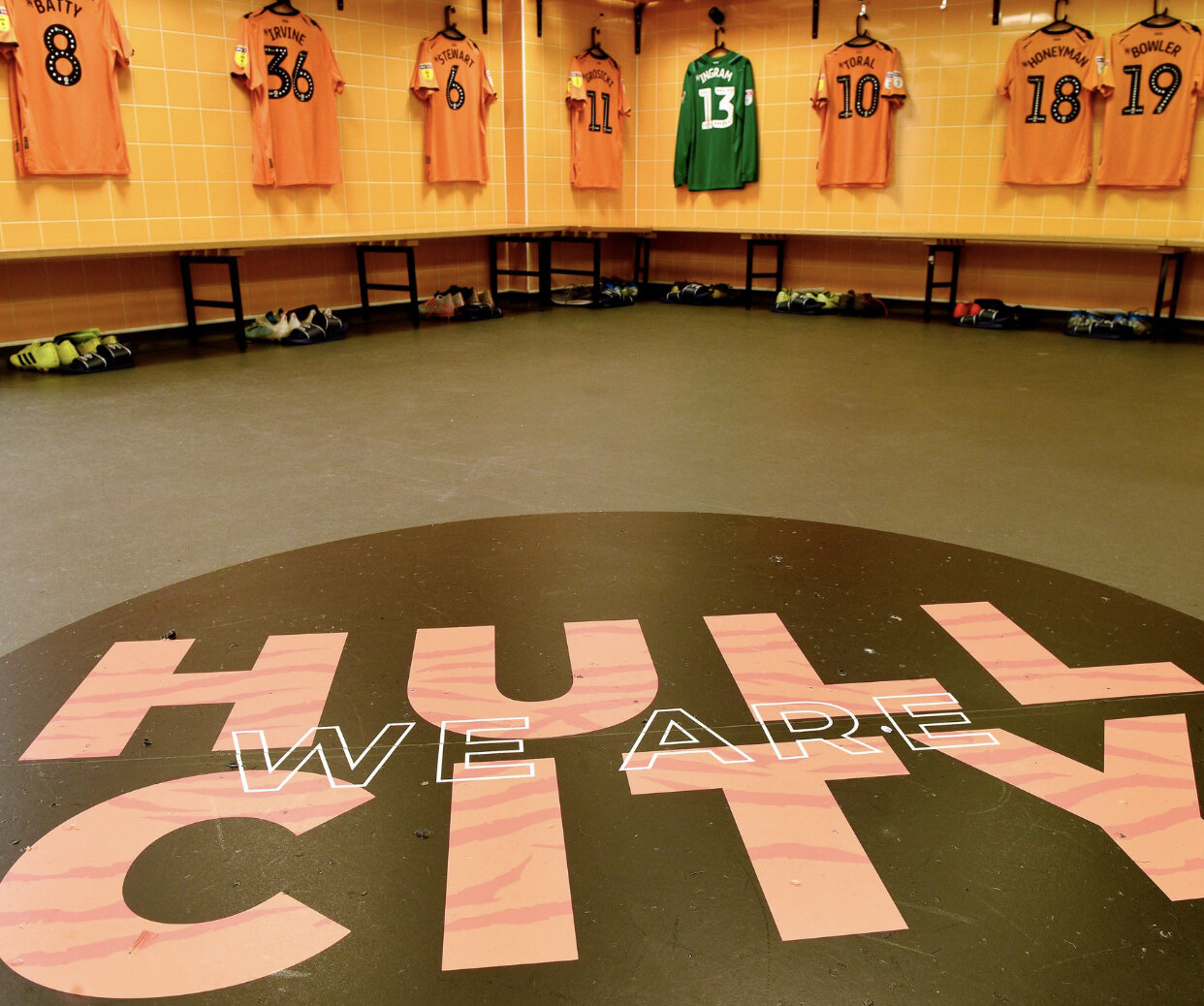
The Club had been operating in reactive mode, communicating around fixtures and results, with no consistent narrative and no framework for building the brand between matches. The first task was to define what Hull City actually stood for, and to build a marketing model that could hold that identity at every touchpoint, regardless of league position.
The Club's full Marketing Strategy was authored and presented to the Senior Leadership Team, covering brand vision, audience architecture, channel roles and content model. The strategy deliberately rebalanced the content mix toward brand-building, players, community, heritage, to ensure the Club remained relevant and engaging across the full season, not just on matchdays.
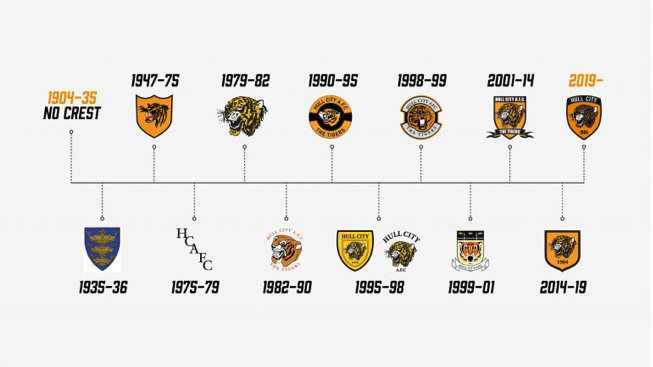
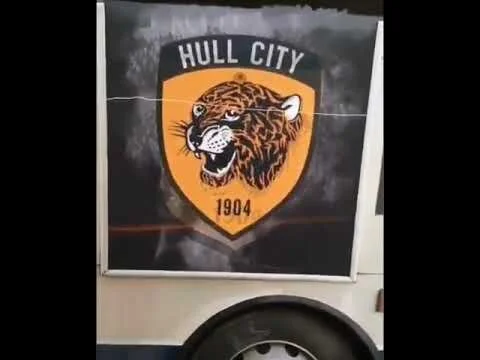
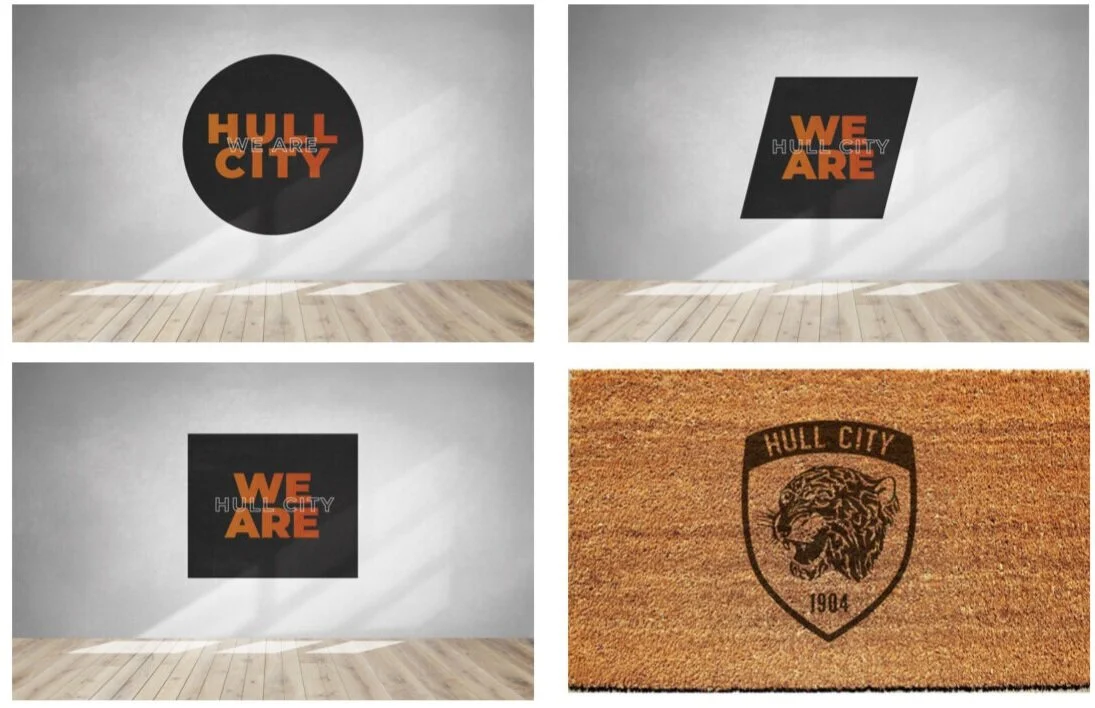
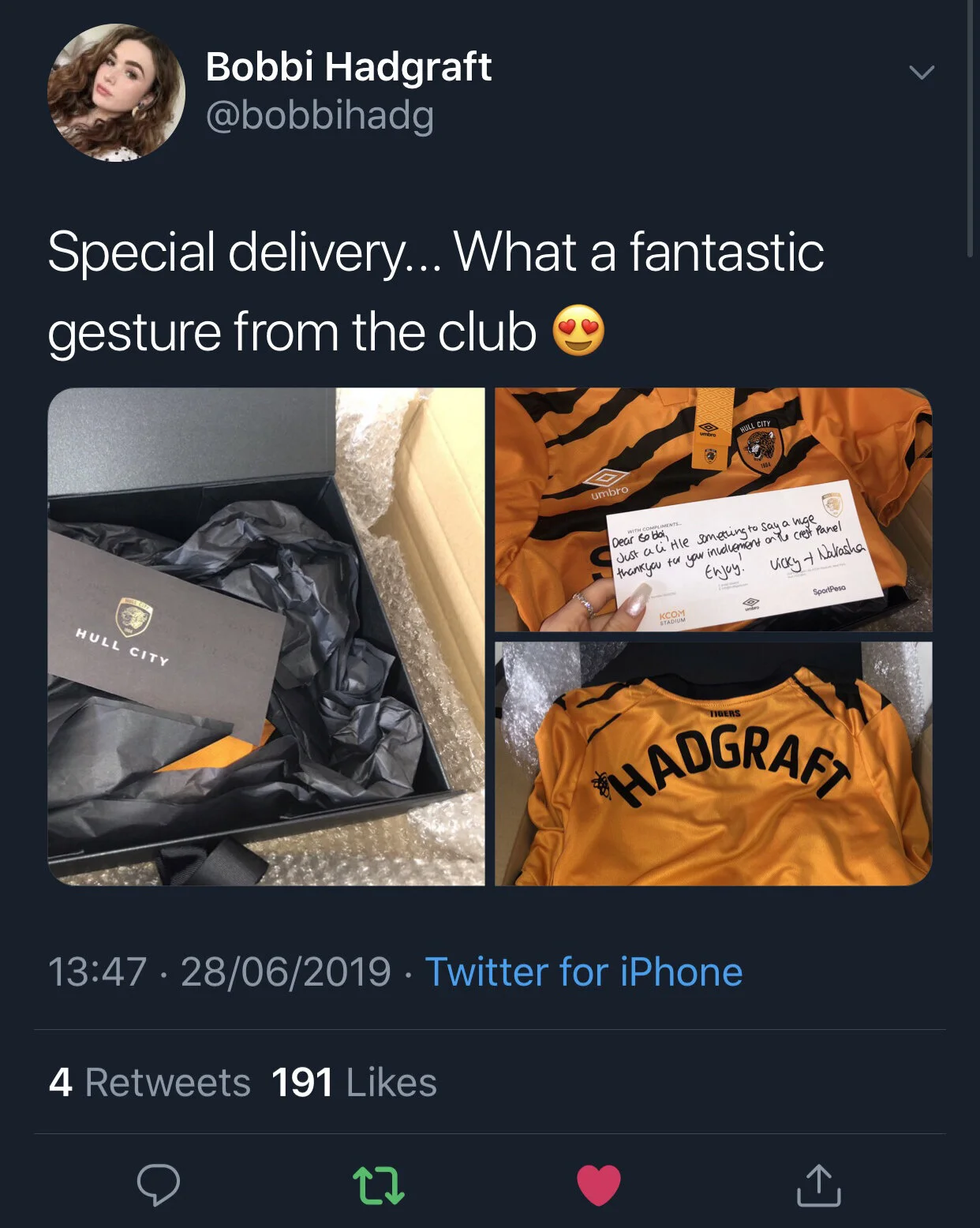
The crest redesign was the most visible expression of that philosophy. Following backlash to a previous ownership-led identity change, the redesign was led through a three-phase supporter consultation, a large-scale survey, a community panel appointment process, and two facilitated creative sessions to translate the supporter vote into a final design. The result was a crest that supporters felt they had genuinely created, because they had. Once approved, the new identity was rolled out across the full Club estate, stadium, training ground, academy, retail outlets, commercial arm, community arm and offices, so the crest landed as a coherent identity change rather than a single reveal moment. Managing the communications around that process, including the embargoed reveal and coordinated media launch, was one of the most sensitive stakeholder challenges of the role.
Ticketing, Membership and Pricing
The commercial reset extended into how the Club priced and sold access to itself. The ticketing and membership model, including categories, concessions and match-day discount mechanics, was redesigned, then supported by a propensity-modelled CRM campaign built to sell it effectively to the right supporters at the right moment. Pricing decisions and audience segmentation worked as one system rather than two separate exercises run by different teams.
Digital Platform & Product
When the role began, the Club had the infrastructure for a modern digital operation but was using it in an almost entirely analogue way. No app. An underperforming website. In-stadium screens running static sponsor placements. Streaming via the EFL's collective iFollow service, slow, unreliable, and giving the Club no ownership of its own content.
The Club's entire digital offering was rebuilt from the ground up.
The Club's first integrated fan app, combining ticketing, membership, stadium access, OTT streaming and news in a single product, was launched on iOS and Android. App Store discoverability strategy, a phased announcement plan to control messaging before the app became publicly searchable, beta testing, and full go-to-market across paid, owned and earned channels were all managed centrally, with strong retention and engagement well ahead of typical sports app benchmarks.
For streaming, the EFL's collective offering was identified as underserving both the Club and its supporters. The financial and strategic case for an industry-first opt-out was built, and the funds previously retained by the EFL were redirected to build a superior, independently operated platform, Tigers TV Live, with local commentary, additional camera angles and full Club ownership of all footage. No other Championship club had done it.
The website was rebuilt mobile-first and video-first, with integrated ticketing and retail ecommerce, delivering a step change in session growth and mobile engagement that justified the mobile-first approach. A five-tier supporter segmentation model was designed and implemented across the full CRM operation, underpinning all lifecycle messaging, acquisition campaigns and channel planning, with newsletter engagement running well ahead of industry norms.
How I Approached It
Before writing any strategy, the starting point was always a working list of questions the data needed to answer: what proportion of members also bought merchandise, which postcodes overindexed for members versus casual matchday buyers, what supporters in each area actually spent, how people physically got to games, what a newsletter genuinely generated in return, which editions performed best and worst across a season, and how the Club's integrated ticket-and-retail experience compared with competitors across the League. That question list, more than any single tactic, is what shaped the strategy that followed, and the same framework applies directly to any venue or membership-led business, not just football.
Tigers Events
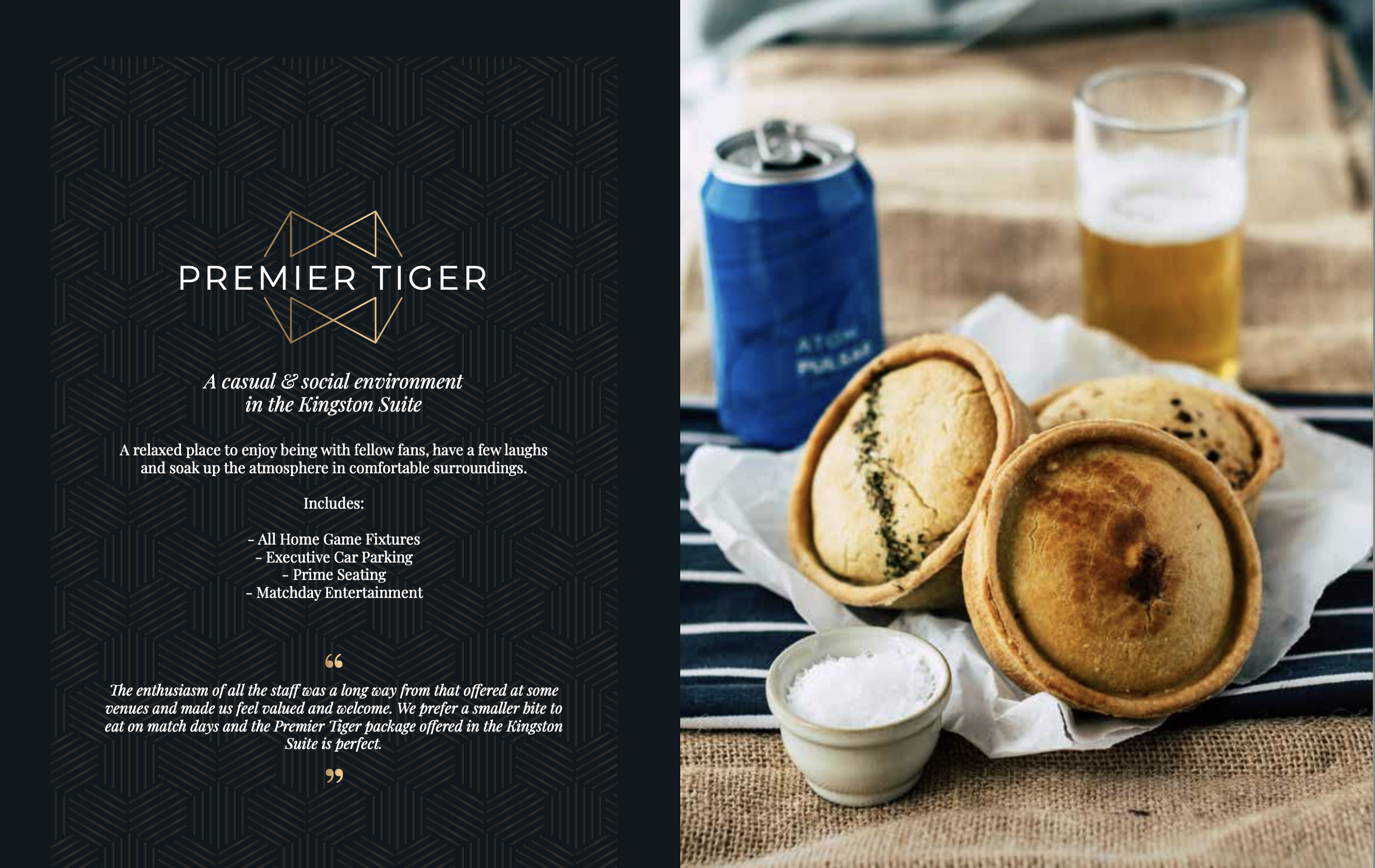
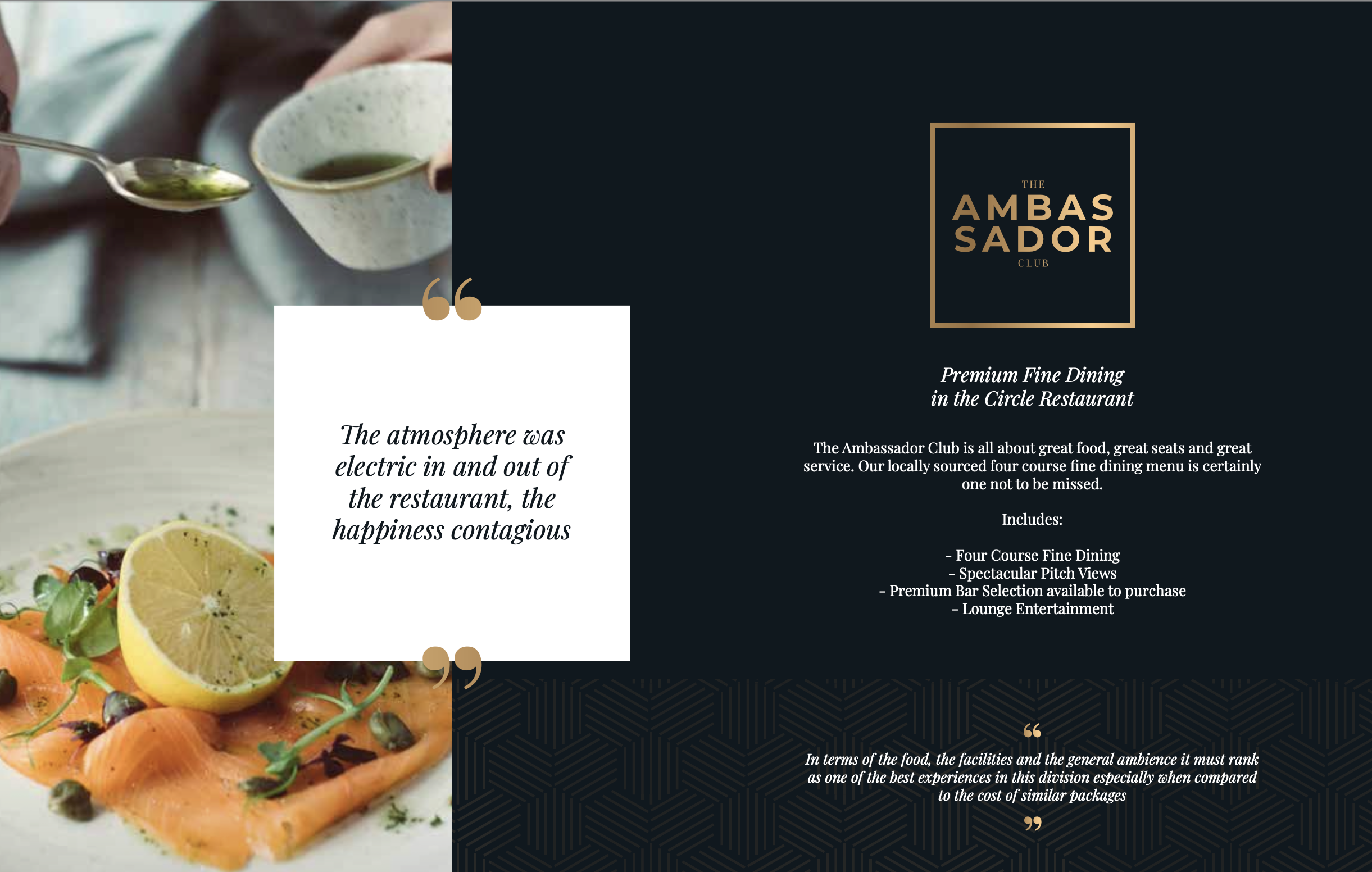
Separately from the football operation, the stadium ran its own hospitality and events business, conferences, meetings, banquets, weddings, Christmas parties and boxing, using executive boxes and function rooms across the venue. As part of the wider digital overhaul, the commercial proposition for this business was refreshed: a tiered Club Partner architecture running from entry-level through to premium, alongside separate Major Partner rights, with every suite rebranded into differentiated sub-brands so entry-level and premium fine dining experiences stopped competing for the same buyer. The stadium's hospitality and matchday experience was recognised with industry awards during this period.
Multi-Tenant Venue Operations
The stadium itself was operated by a separate management company under a long-term lease from the local council, under the same ownership group as the Club. Marketing and crisis communications responsibility extended to this operating entity as well as to the football club directly, covering a venue that hosted two separate sports tenants, football and rugby league, alongside a year-round events calendar, plus statutory authority over supporter banning orders. This was genuine multi-tenant venue operations, materially different from single-club marketing, and required communications and brand consistency across audiences, tenants and events that had little in common with each other beyond the building they shared.
Stadium, Community & Heritage
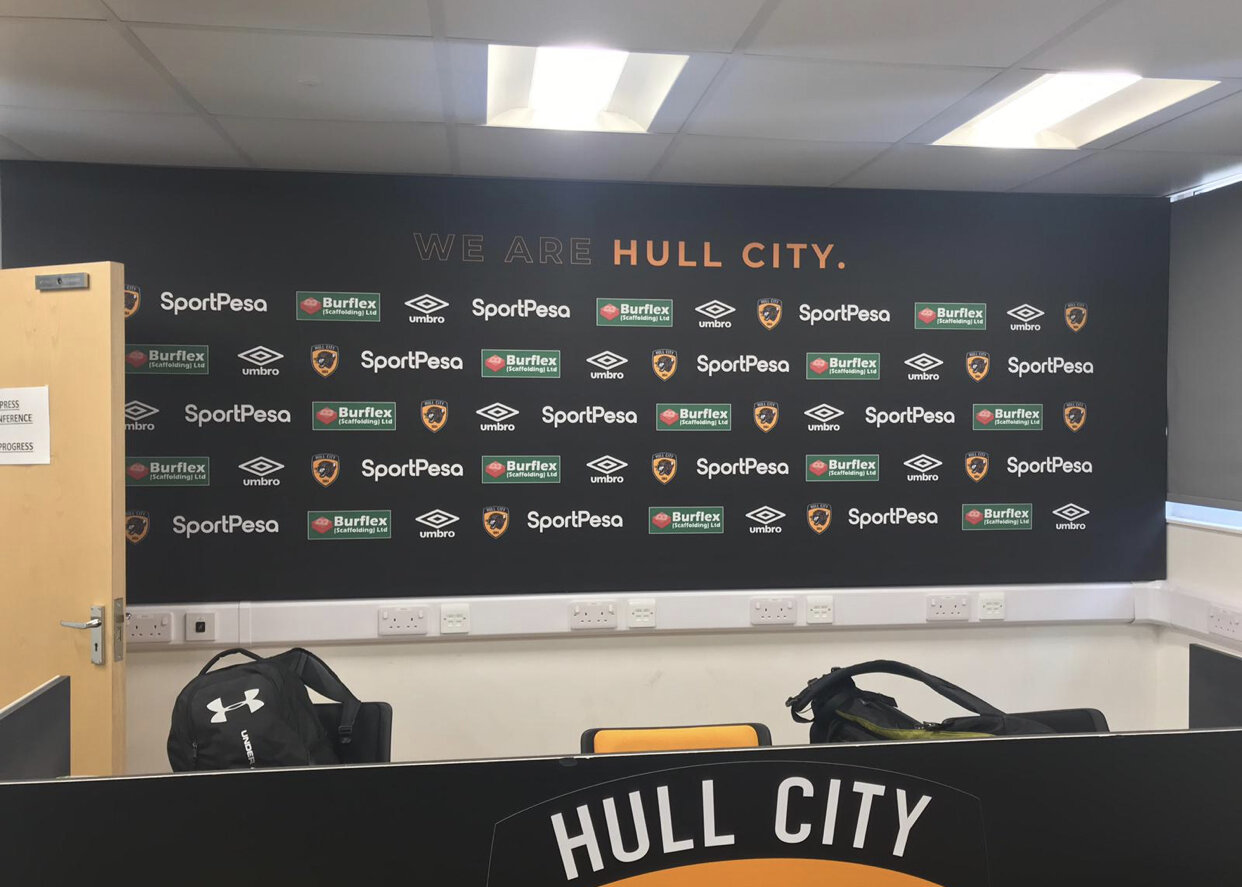
The stadium environment was the most immediate expression of the brand, and it was being underused. Reframed as a channel with a defined strategic role: to build atmosphere, drive commercial credibility and create a matchday experience that supporters would remember regardless of the result. Every touchpoint, screens, concourse TVs, LEDs, sound, was shifted from passive advertising inventory into an integrated fan environment. The commercial proposition followed a simple line, make our audience, your audience, translated into structured tiered sponsorship packages that improved both partner satisfaction and return.
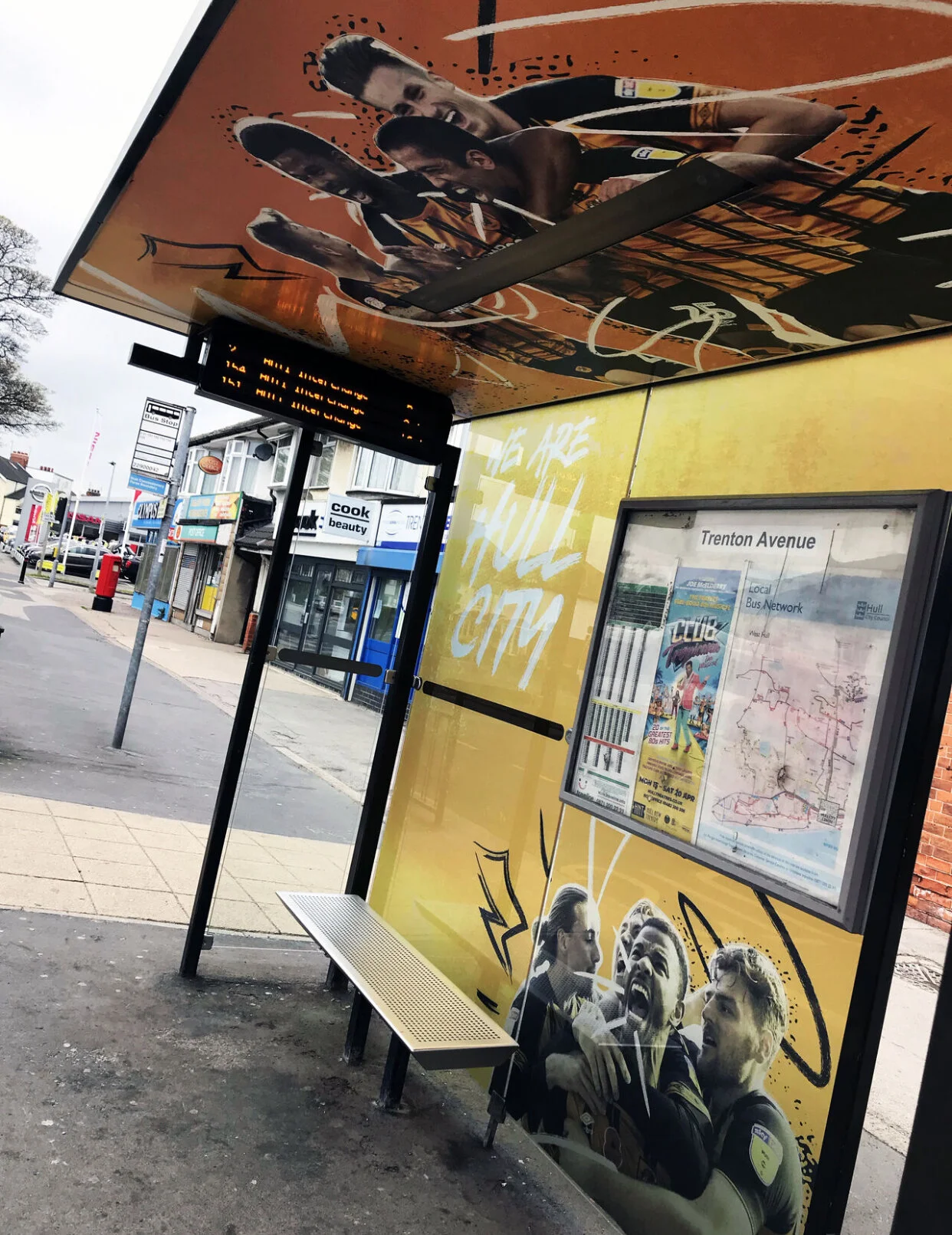
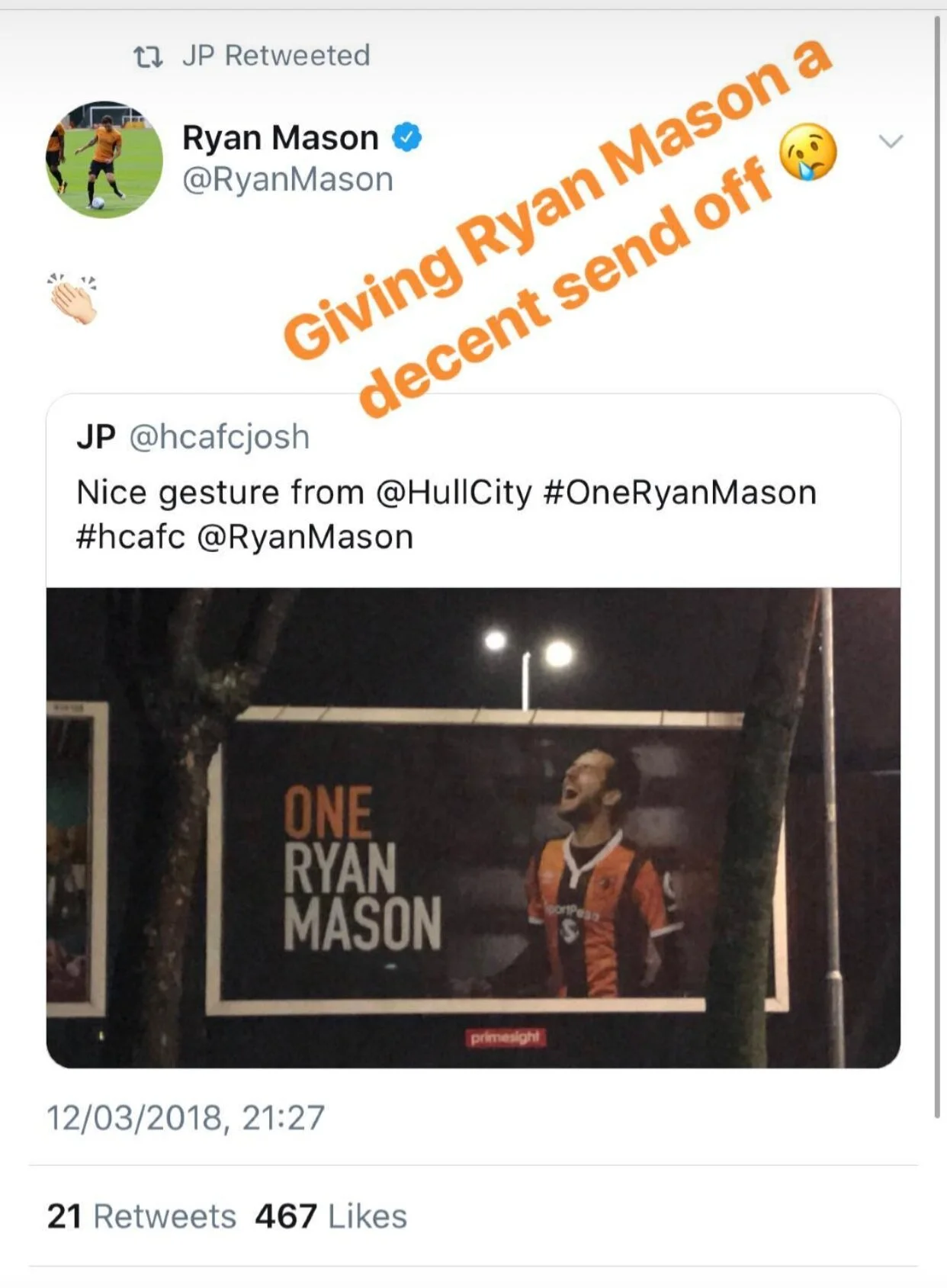
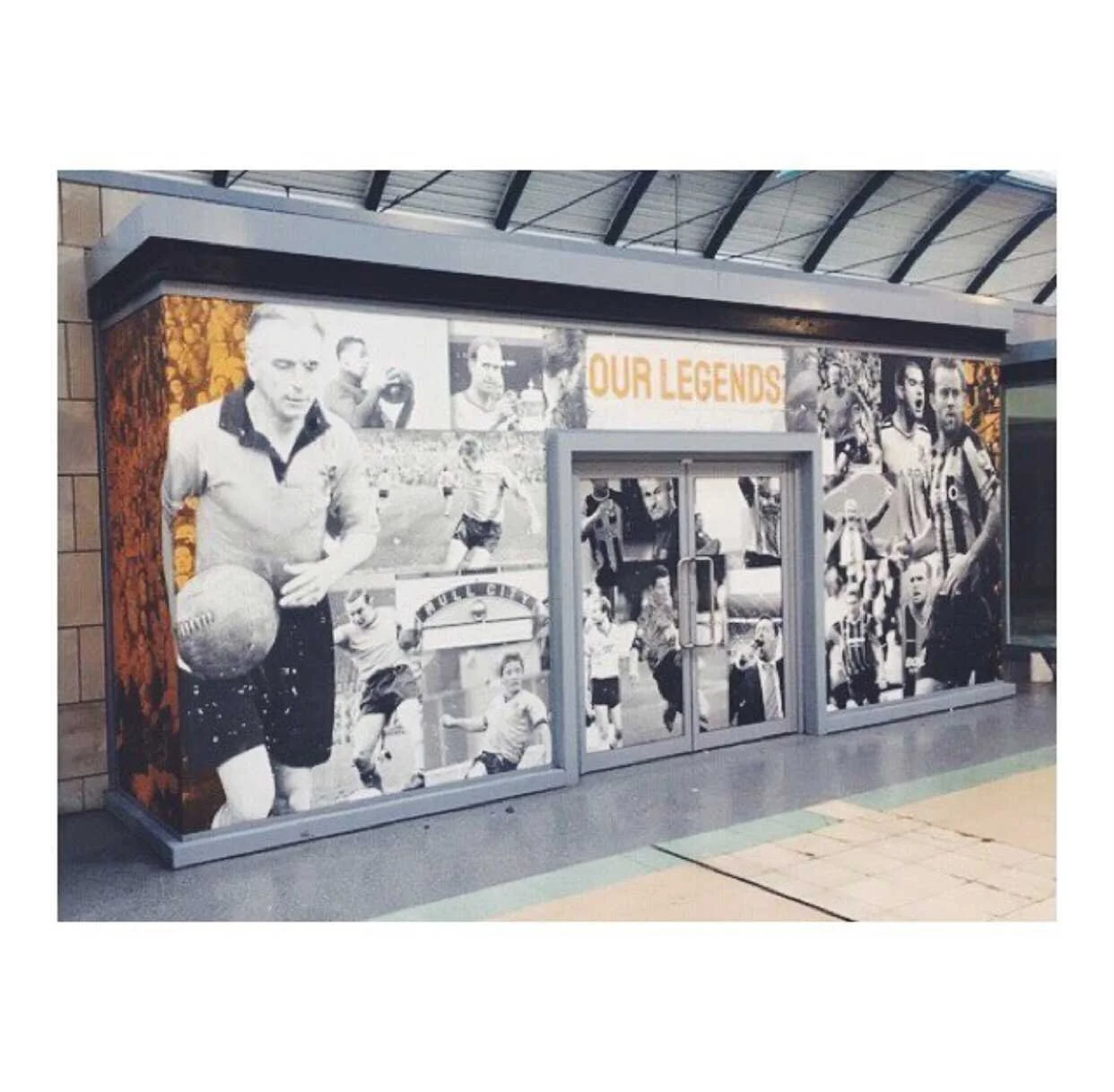
Community was treated as a core brand pillar, not a CSR footnote, with structured programming across local charity partnerships, community campaigns and Academy storytelling. The Heritage campaign reconnected supporters to the Club's history through city-wide outdoor, digital and content activity during a period when that connection mattered most.
Corporate & Crisis Communications
The Club operated under sustained public and media scrutiny throughout. A corporate communications framework was built and implemented covering internal alignment, leadership messaging, stakeholder management, crisis response and media relations, giving the organisation the capacity to communicate clearly and consistently under pressure. The role included senior advisor to the Club owner on communications strategy, leading sale-readiness and due diligence communications, and managing the Club's relationship with local and national media throughout.
One of the most sensitive tests of that framework was a licensing crisis affecting the Club's regulated betting sponsorship. Working alongside another Premier League club facing the same issue, both clubs were kept out of the resulting negative press coverage, a result of coordinated, carefully managed crisis communications rather than chance.
The Club delivered its first net-positive supporter sentiment in four years during this period.
Strategic Impact
Hull City was a distressed brand at the start of this tenure. It left with a new crest, a new app, a new OTT platform, a new website, a new ticketing model, a new segmentation model, a new community strategy, a new commercial sponsorship proposition, a refreshed hospitality and events proposition, and a new corporate communications framework, all built under significant pressure and resource constraint, integrated into a single coherent operating model, and extending across a genuinely multi-tenant venue operation, not just the football club itself.
The work demonstrated something that applies well beyond football: that brand equity is a commercial asset, that fan trust is built through participation rather than broadcast, and that owning your digital infrastructure, your content, your platform, your data, is not a technology decision. It is a strategic one.