• Work Overview
  • About
  • Partnerships
  • Testimonials
  • On The Record
  • Linkedin

Vicky Elmer

(née Beercock) | VP of Global Communications & Marketing | Brand, Culture, Reputation

  • Work Overview
  • About
  • Partnerships
  • Testimonials
  • On The Record
  • Linkedin

Trailblazers in Boots: White Stuff’s Campaign Celebrates the Forgotten Lionesses Who Changed Football Forever

This week, British lifestyle brand White Stuff launched a campaign that every brand strategist and cultural commentator should be paying attention to.

In an age where authenticity has become currency, this is how you do storytelling with soul. Their new campaign puts the spotlight not on celebrities or influencers, but on the remarkable women who made history in 1972 - when England’s first women’s team played their debut international match.

Meet Julia, Sue, Jeannie, Lynda, Maggie, and Pat: six of the original trailblazers who took to the frozen pitch in Greenock, Scotland, wearing the Three Lions at a time when women’s football was barely acknowledged, let alone supported. Through beautifully candid portraits and raw, first-person stories, White Stuff honours not just a forgotten match - but a forgotten movement.

What sets this campaign apart is its refusal to romanticise the past. It speaks plainly and powerfully about what it meant to play when girls were banned from football, when there were no kits, no wages, no warm-up jackets. Just determination and a ball. And when victory came in the form of a 3–2 win over Scotland, there were no media headlines. No post-match interviews. Just numb toes and lifelong memories.

Screenshot 2025-07-03 at 19.28.06.png
Screenshot 2025-07-03 at 19.28.14.png
Screenshot 2025-07-03 at 19.28.34.png
Screenshot 2025-07-03 at 19.29.16.png
Screenshot 2025-07-03 at 19.29.49.png

This is a reclamation of narrative. These women did something special, even if it took decades for anyone to say it out loud. And in elevating them now, White Stuff invites us to think about legacy, progress, and the long road to recognition.

Beyond nostalgia, this campaign taps into a deeper cultural current: that of rewriting history to include the voices long left out of the frame. With the Lionesses’ 2022 Euros win still echoing, this feels timely, powerful, and deserved.

There’s a phrase that sums it up best, delivered casually by one of the players:
“You can have all the money in the world, but you can't have my memories.”

White Stuff hasn’t just launched a campaign - they’ve helped write these women back into the history books.

Why These Stories Matter:

  • White Stuff reminds brands that the most powerful storytelling starts with real people and real purpose.

  • The campaign reframes legacy - not as a buzzword, but as a baton passed between generations of women.

  • It shows how fashion brands can engage with sport meaningfully, without surface-level slogans or pink-washed platitudes.

  • Just 17% of women's sports stories in UK media feature women over 40 - making White Stuff’s focus genuinely rare.

  • Only 7% of brand campaigns targeting women in sport spotlight those from non-elite or historic backgrounds, according to WARC.

View this post on Instagram

A post shared by White Stuff (@whitestuffuk)

categories: Sport, Fashion
Thursday 07.03.25
Posted by Vicky Beercock
 

From Grassroots to Global: How the Lionesses Engineered the Biggest Growth Story in Modern Sport

In sports marketing, growth doesn’t just mean revenue. It means cultural relevance, emotional connection, and long-term brand equity. Few teams in the world - men’s or women’s - have embodied that better than the England Lionesses.

Over the past five years, they’ve gone from underexposed to unstoppable. From fringe fixtures to primetime. From potential to proof.

This is more than a success story. It’s a case study in how performance, leadership, visibility, and commercial alignment create explosive, sustainable growth.

⚽ Performance: From Sporadic Fixtures to Silverware

In 2020, England’s women’s national team played just three matches.

Fast forward to 2025:

  • Over 60 games under Sarina Wiegman

  • ~75% win rate

  • UEFA Euro 2022 champions

  • FIFA Women’s World Cup runners-up (2023)

  • Winners of the Women’s Finalissima and Arnold Clark Cups

And crucially - they didn’t just win. They did so with a playing style, team spirit, and tactical confidence that invited belief from fans and brands alike.

🧠 Sarina Wiegman: Leadership That Drives Everything

Appointed in 2021, Sarina Wiegman transformed England into one of the most feared and admired teams in global football.

She brought elite standards, psychological resilience, and media maturity. Her calm authority has become a marketer’s dream - trustworthy, consistent, and compelling.

She:

  • Went unbeaten in her first calendar year

  • Delivered England’s first major tournament trophy

  • Maintained a near-75% win rate

  • Stabilised a team into a platform for long-term investment

📈 The Commercial Boom: Proof That Performance Converts

📺 Broadcast

  • WSL rights grew from £8M/year (2020) to £13M/year (2024–2029)

  • A £65M five-year deal with Sky and the BBC - the largest in women's club football history

  • England’s Euro 2022 final drew 17.4M UK viewers - the most-watched women’s match ever in the country

💵 Revenue Growth

  • WSL revenues grew 34% YoY to £65M in 2023–24

  • Matchday revenue rose 73%

  • Forecast: £100M+ by 2026

👕 Merchandise & Licensing

  • England’s 2022 Euros win triggered a 120% spike in women’s merchandise

  • Mary Earps' Nike goalkeeper kit sold out globally - after Nike was forced to reverse its original decision not to sell it

📲 Players as Platforms: Social Power and Brand Value

These athletes aren’t just performers - they’re highly engaged, culturally relevant media properties.

Most Followed Lionesses on Instagram (July 2025):

  • Leah Williamson - 1.13M | Gucci, Pepsi, Nike

  • Chloe Kelly - 956K | Calvin Klein, Nike

  • Alessia Russo - ~850K | Adidas, Gucci, Beats, PlayStation

  • Lauren James - ~640K | Google, Barclays, Nike

  • Ella Toone - ~600K | Skincare, BBC Sounds, ET7

🚀 Lauren James gained 122K followers in just 30 days during the 2023 World Cup
📈 Alessia Russo’s branded content delivers elite engagement and media value

This is the new model: athletes as ecosystems - driving ROI through visibility, influence, and relatability.

🧤 Mary Earps: From Keeper to Icon

Few players have shifted the conversation like Mary Earps.

  • Named FIFA’s Best Goalkeeper

  • Drove a global outcry when Nike refused to sell her shirt

  • Forced a U-turn - her kit went on to sell out worldwide

  • Became a symbol of performance and principle

As she retires from international football, her legacy is commercial impact meets cultural power.

🛤️ Let’s Not Forget Who Paved the Way

This growth was built on the shoulders of legends. The Lionesses didn’t just appear — they were made possible by decades of persistence, talent, and quiet revolution. Here's who helped shape the stage they now own:

🧭 Fara Williams

England’s most capped player (172). She rose from homelessness to the heart of the national team, proving resilience builds legacy. Now a strong voice for inclusion and access in football.

🎤 Alex Scott

140+ caps and a Champions League winner, she became one of the most recognised sports broadcasters in the UK - smashing representation barriers on the BBC and Sky. A brand in her own right.

🎓 Casey Stoney

Captain, Olympian, and now a respected coach in the NWSL. She was one of the first openly gay players to speak out, shaping a more inclusive game.

💬 Eni Aluko

The first Black woman to reach 100 England caps. A trailblazer on and off the pitch, now a thought leader and former sporting director. Vocal on racism, equality, and structural reform.

🏛️ Karen Carney

A four-time World Cup player who led the UK government’s review of women’s football. Now helping write the sport’s next chapter from inside the system.

👑 Rachel Yankey

England’s first professional female footballer. A quiet pioneer who helped prove that women could - and should - play professionally in England.

🌟 Kelly Smith

Arguably England’s most gifted player. Her technique and flair inspired a generation before the world was really watching.

🛡️ Steph Houghton

Captain through key transitional years, leading England with steadiness and humility as the sport scaled from niche to national.

These are the women who shifted perceptions, broke ceilings, and carried the weight long before the spotlight showed up.

🏁 What It All Means for Sports Marketers

This is the biggest growth story in British sport in the past decade. Why?

Because the Lionesses offer:

  • Consistent, elite-level performance

  • Storytelling rooted in purpose and empowerment

  • Influencers with integrity and reach

  • Broadcast metrics and stadium audiences that rival men’s sport

  • A brand that fans genuinely care about

It’s not hype - it’s measured momentum.

If you're a sponsor, rights holder, broadcaster, or brand strategist and you’re not building with the Lionesses in mind, you're behind. The blueprint is right here.

🎯 Final Word

Women’s football isn’t emerging - it’s expanding. The Lionesses are proving what’s possible when performance, purpose, and platform come together.

They’re not just making history.
They’re changing the business of sport.

categories: Impact, Sport, Fashion
Thursday 07.03.25
Posted by Vicky Beercock
 

What Caitlin Clark’s Nike Kobe 5 Protro PE Tells Us About the Future of Women’s Sports Marketing

The launch of Caitlin Clark’s Nike Kobe 5 Protro PE sneaker might not be a full signature shoe, but don’t let that fool you: this release is a landmark moment in the evolution of athlete branding and women’s sports marketing.

For months, sneakerheads, hoop fans and women’s basketball advocates were tracking every sideline glimpse and grainy locker room pic, trying to decode whether Clark was quietly working on her own Nike silhouette. That speculation reached fever pitch on June 29th when Nike officially dropped the Kobe 5 Protro PE, Clark’s first-ever Player Edition.

And just like that, the game changed.

👟 Sneaker experts now predict Caitlin Clark’s eventual Nike signature shoe could become a $100 million business - and that forecast comes on the heels of this PE selling out within minutes on SNKRS. What started as a limited edition has turned into a powerful signal of what’s next: the commercial ceiling for women athletes just got higher.

The Sneaker Itself: A Strategic Play, Not Just a Colourway

The shoe doesn’t reinvent the Kobe 5 - instead, it finesses it. Designed in collaboration with Clark and dressed in Indiana Fever’s navy, orange and electric gold, it’s a clean alignment of performance, heritage and team identity. The nod to the Mamba legacy is symbolic and smart: it places Clark not just as a rising star, but as a spiritual successor to Kobe’s drive and mentality.

From a brand marketing lens, this isn’t just about selling sneakers. It’s about positioning Clark as more than a rookie - she’s a narrative asset with generational potential. Giving her a PE before a full signature model mirrors how Nike built the pathway for other elite athletes: test the market, stoke the hype, and keep the story unfolding.

Scarcity + Hype = Cultural Currency

Reports that only 13,000 pairs were released via the SNKRS app in the US (with limited additional stock from select retailers) turned the drop into a high-stakes cultural moment. Whether or not those numbers hold true, it doesn’t matter - scarcity builds heat. And that scarcity signals something else: Clark’s commercial weight as a women’s sports figure with enough pull to drive a limited drop frenzy.

In a post-NIL landscape where college stars enter the league with built-in fanbases and marketing machines, Clark is a masterclass in how to harness that energy for long-term brand equity.

From the Court to Culture: Women’s Hoops is Having a Marketing Moment

Clark isn’t the only W player making brand moves, but she is the most visible. Her debut PE has been compared to the early LeBron and KD years: not just because of gameplay, but because of how brands are choosing to bet on her.

If Nike’s playbook holds, a full Caitlin Clark signature line is inevitable. What we’re seeing now is an intentional, slow burn - building desire, seeding product, and letting the culture demand what comes next.

What It Means for Brands Watching the Space

For marketers, this moment offers a sharp insight: the women’s sports consumer isn’t niche, she’s mainstream - and ready to spend. Limited runs, collab storytelling, crossover appeal with streetwear and sneaker culture: these aren’t just tactics, they’re necessities.

The Caitlin Clark PE proves that when brands treat women athletes like the stars they are - with story-driven drops, elite product, and credible cultural positioning - the market responds.

And this is only the beginning.

categories: Sport, Impact
Wednesday 07.02.25
Posted by Vicky Beercock
 

F1, Fiction and $40 Million: Why Branded Entertainment Just Took the Lead

Credit where it’s due: I first clocked this via a brilliant post from Marcos Angelides, brought to my attention by the always insightful Will Page. It’s one of those case studies that instantly grabs your attention - and keeps unfolding the more you look at it.

The upcoming F1 film, starring Brad Pitt and Damson Idris, isn’t just a blockbuster in the making. It’s a masterclass in brand integration. In what might be the smartest marketing move of the year, the filmmakers partnered with Mercedes to create a fictional but fully functioning F1 team. Not just for screen-time flash - but for serious commercial play.

The result? Brands like Geico, SharkNinja, IWC, and Sony came onboard as sponsors of the fictional team. And they paid to be there. Over $40 million was generated in brand partnerships alone - offsetting a sizeable chunk of the reported $200 million production budget.

Let’s pause on that. This isn’t product placement as a bolt-on afterthought. This is sponsorship strategy baked into the creative from day one. A race car engineered for ROI.

We’re witnessing the next evolution of branded entertainment: where the film itself becomes a vehicle for brand storytelling, media spend, and fan engagement. And in this case, quite literally. The fictional team wasn’t just slapped together in post - it was integrated into the real F1 paddock during race weekends. Audiences aren’t just watching sponsorship; they’re immersed in it.

With reports of a $144 million opening weekend, this project isn’t just winning on screen, it’s proving commercial viability off it too. And that’s the green flag more brands have been waiting for.

Because here’s the bigger play: advertising is increasingly skippable, but entertainment is sought out. Smart brands know this. The ones leaning into narrative, spectacle and fan-first formats will be the ones who future-proof their marketing.

The F1 movie didn’t just blur the lines between sport and cinema. It redrew the map.

Now, imagine what happens when music, fashion and gaming take the same approach at scale. The race is on - and the brands that think like producers will be the ones standing on the podium.

✅ What Worked

Sponsorship Built Into the Narrative
The fictional team wasn’t an afterthought - it was central to the plot, making the brand involvement feel integral, not intrusive.

Real Brands in a Fictional Context
Geico, SharkNinja and IWC sat alongside Mercedes in a way that felt authentic, thanks to real F1-world styling and placement.

Leveraging the F1 Ecosystem
Filming at actual races lent the film credibility and generated additional fan and media buzz - a sponsorship win without traditional ad spend.

Commercial ROI Built In
$40m in sponsorship revenue before box office release is a solid model. Brands became investors and characters in the story.

Cultural Relevance
F1 has cracked Gen Z and mainstream pop culture. This film tapped into the zeitgeist, giving brands a culturally rich platform.

❌ What Didn’t Work (or Could Have Been Riskier)

Surface-Level Brand Moments
Some brand appearances felt fleeting - raising questions about long-term value unless reinforced by broader activations.

Blurring Fiction and Fact
Fans unfamiliar with the setup could be confused by seeing a ‘new’ team. The line between story and sport needs careful framing.

Creative Control Limits
When brands enter entertainment, they trade off control. Unlike ads, they can’t dictate screen time or narrative outcomes.

Short-Term vs Long-Term Gains
Without extending the partnership beyond the film’s release window, some brands risk being forgotten once the credits roll.

🎯 Key Takeouts for Marketers & Brand Partnership Professionals

1. Think Like a Producer, Not Just a Sponsor
Brands that co-create, not just co-fund, will own a more meaningful slice of culture.

2. Entertainment is the New Ad Space
Consumers opt in to good stories. Interruptive advertising is out. Story-driven brand partnerships are in.

3. Choose Culture-Native Partners
Mercedes brought F1 credibility. Do the same in music, fashion or gaming by partnering with insiders - not outsiders.

4. ROI is More Than Media Value
Think: brand sentiment, cultural cachet, and fan-first relevance. Eyeballs alone aren’t enough.

5. Build Beyond the Moment
Use the movie as a launchpad. Plan digital content, merch collabs, social strategy and fan engagement around the entertainment moment.

categories: Culture, Impact, Sport
Tuesday 07.01.25
Posted by Vicky Beercock
 

The Premier League’s New Digital Experience: Smart Play or Still in Beta?

The Premier League’s newly launched fan-facing app and website marks a decisive step in its digital transformation strategy. Backed by a five-year cloud and AI partnership with Microsoft, this isn’t just a UX refresh - it’s a structural shift in how the League intends to own the fan relationship. But while the ambition is clear, what’s the real value for marketers, and are there early signs of friction?

What’s working:

1. Platform consolidation = greater control of the fan journey
With the app acting as a gateway to clubs, broadcasters and official stats, the Premier League is reducing reliance on third-party platforms. This gives brands access to a more controlled, data-rich environment, and opens the door for higher-value, contextually relevant activations.

2. Personalisation at scale
The myPremierLeague features - especially “Line Up” and player-specific content - demonstrate a move toward the kind of tailored experience fans now expect from Spotify, TikTok, or Netflix. For brands, this allows for sharper targeting, especially in global markets where club allegiance is diverse but fandom is deep.

3. The AI Companion isn’t a gimmick
Built with Microsoft Copilot, this tool has real utility. Fans being able to access over 30 seasons of data, 9,000 videos, and personalised match insights introduces a new layer of content discovery. For brand partners, this means more moments to insert value - whether through branded storytelling, gamified trivia, or interactive content.

4. Global-first thinking
Features like Premier League Radio (with multilingual match commentary), seamless broadcaster linking, and mobile-first vertical storytelling reflect a serious commitment to serving fans well beyond the UK. For brands aiming to scale globally with Premier League IP, that matters.

What’s not (yet) delivering:

1. Commerce and ticketing still live elsewhere
While content and stats have been centralised, commercial functionality hasn’t. Merch, ticketing, travel, and loyalty experiences are still fragmented across club platforms. For marketers looking to close the loop from engagement to purchase, that’s a missed opportunity (for now).

2. Fantasy fatigue?
The integration of Fantasy Premier League is a smart retention play, but the format is largely unchanged. Gen Z and casual fans may find the experience too static, especially when competing with fantasy formats in NBA, NFL and esports that offer more real-time, mobile-first playability.

3. Broadcast links ≠ true streaming integration
The app connects fans to broadcaster platforms, but doesn't (yet) unify the live-viewing experience within its own ecosystem. This limits in-app dwell time and reduces opportunities for mid-match or reactive brand messaging.

4. Discovery bias toward superfans
With so many features built around customisation, newer or casual fans might struggle to find value without deep knowledge of clubs or players. For brands looking to reach the next-gen or international fanbase, there’s a risk the platform remains skewed toward core followers rather than onboarding new ones.

Why it matters for marketers:

This launch is a case study in what it looks like when a league builds a media platform rather than just renting space on one. For sponsors and marketers, it creates a more immersive, insight-rich environment to engage fans - but it also comes with the responsibility to tailor campaigns in ways that align with how fans are now navigating the product.

For the Premier League, it’s about owning attention, gathering first-party data, and proving its value far beyond the 90 minutes. But the next big win will come when these digital experiences begin to convert attention into commercial outcomes - across merch, tickets, content and brand activations.

The infrastructure is there. Now the test is adoption.

categories: Tech, Sport
Tuesday 07.01.25
Posted by Vicky Beercock
 

When Brand Activations Meet Real Utility: Why Gymshark’s ‘Lon-drette’ Nailed It

Big shout out to Lisa Buchan for spotlighting Gymshark’s Lon-drette activation at Hyrox London. This wasn’t just a clever idea, it was a sharp lesson in how brands show up with purpose.

Let’s set the scene. You’ve just completed Hyrox: a brutal, hybrid endurance race. You’re drenched, aching, exhilarated. Then Gymshark steps in - not with a selfie wall or a branded protein shake - but a fully functioning laundrette-tailor hybrid where you could get your finisher patch sewn straight onto your kit.

No plastic tat, no one-time-only merch. Just a simple, thoughtful offer: a lasting reminder of your effort stitched into something you already love. Functional touches like detergent and electrolytes sealed the deal. Zero fluff, 100 percent audience-first thinking.

This is what brand partnerships should look like. The Lon-drette wasn’t about dominating the room with logos. It was about quietly embedding the brand into a moment of personal pride.

And let’s be honest: after 20 years in this industry, the activations that really hit aren’t the ones with the biggest screens or budgets. They’re the ones that show empathy. That recognise the real need in a moment. The stuff your audience will tell their mates about on the train home, or remember every time they throw on that hoodie.

Gymshark didn’t just support athletes - they helped them celebrate themselves. And in doing so, they made belonging part of the brand experience.

What Brand Marketers Can Learn:

  • Don’t interrupt - integrate. Make your brand part of the story your audience is already living.

  • Think practical, not just pretty. Functional touchpoints (like electrolytes or detergent) show real understanding of the moment.

  • Design for memory, not just media. A stitched patch on a favourite hoodie lasts longer - emotionally and physically - than a digital impression.

  • Know when not to shout. Authenticity often speaks loudest when it whispers. Utility can be your best brand ambassador.

  • Make brand love wearable. When a brand becomes part of someone’s personal milestone, it earns a place in their everyday life.

  • Build for belonging. Create spaces and moments where your audience feels seen, supported, and celebrated.

More of this, please.

Screenshot 2025-07-01 at 14.33.39.png
Screenshot 2025-07-01 at 14.33.46.png
categories: Sport
Tuesday 07.01.25
Posted by Vicky Beercock
 

Ticketmaster, SeatGeek Lead $361M Sponsorship Surge: 23 Brands, 190 Deals, One Big Landgrab

In the ultra-competitive world of sports and entertainment in the US, ticketing sponsorships have become more than marketing plays - they’re strategic land-grabs for long-term, league-wide dominance. Last week, SponsorUnited released its much-anticipated report on sponsorship spend in the ticketing category, and the numbers speak volumes about where the industry is headed.

📊 The Big Picture: $361 Million from 23 Brands

  • Total spend: $361 million

  • Active investors: 23 brands

  • Average deal size: $1.49 million

  • Allocation to property & exposure rights: 65%

These figures underscore how deeply ticketing companies are embedding themselves into the fabric of pro and Power 4 college sports. Far from one-off activations, each sponsorship represents a strategic foothold - whether it’s naming a stadium, underwriting fan experiences, or cementing status as the “official” ticketing partner of a league.

🎯 Leaders of the Pack: Ticketmaster vs. SeatGeek

Number of Deals

  • Ticketmaster 107

  • SeatGeek 83

With 107 deals, Ticketmaster currently holds the crown; SeatGeek isn’t far behind at 83. Together, they account for nearly half of all ticketing sponsorship agreements in the market. This head-to-head battle reflects more than brand awareness - it’s a fight for ecosystem control, data insights, and the exclusive ability to influence where and how fans buy tickets.

⚖️ Deal Dynamics: Property Rights & Exposure

On average, each ticketing sponsorship deal is valued at $1.49 million, and about 65% of that spend is devoted to two core pillars:

  1. Property Rights

    • Examples: naming rights (e.g., NWSL’s SeatGeek Stadium), branded concourses, premium lounge sponsorships.

  2. Exposure & Activation

    • Examples: “official ticketing partner” entitlements (such as Ticketmaster’s WNBA partnership), in-arena signage, digital integrations.

By prioritising property rights, ticketing companies offset slotting fees and secure deeply integrated assets - things fans see and interact with every time they attend a game. Exposure rights, meanwhile, translate into constant brand reinforcement across broadcasts, social media, and on-site activations.

🕵️‍♂️ Why This Matters: Strategic Insights for Sponsorship Buyers

For Partnership Managers, Directors of Business Development, or CMOs, this data isn’t just academic. It’s the roadmap to:

  • Spotting White Space: Where are competitor deals expiring? Which teams or conferences remain untapped?

  • Benchmarking Market Rates: With average deals at $1.49 million, how do your current negotiations stack up?

  • Assessing Overlaps & Exclusivity: In category-saturated markets, are you truly “exclusive”?

  • Forecasting Shifts: As leagues evolve (e.g., growth of the WNBA or expansion of college playoffs), which new sponsorship assets will gain value?

Armed with real-time sponsorship data, teams can sharpen their pitches, negotiate smarter, and align more closely with league growth trajectories.

🚀 The Road Ahead: A Land-Grab in Perpetual Motion

Ticketing sponsorships are far from static. As new leagues emerge, digital ticketing innovations proliferate, and fan expectations evolve, the sponsorship landscape will continue to shift:

  • Emerging Markets: Niche leagues (NWSL, MLS Next Pro) offer early-mover advantages.

  • Digital & Hybrid Assets: NFTs, dynamic ticketing, and app integrations create fresh branding opportunities.

  • Sustainability & Community: Brands that tie ticketing deals to CSR initiatives - like community ticketing programs - can stand out.

In a category where every deal is a strategic foothold, visibility is everything. By understanding who’s investing, where deals are concentrated, and how rights are being activated, ticketing companies - and their sponsorship buyers - can turn data into a decisive competitive advantage.

🔍 Key Takeaways

  1. $361 M spent by 23 brands signals deep strategic commitment.

  2. Ticketmaster (107 deals) and SeatGeek (83 deals) are locked in a head-to-head battle for ecosystem control.

  3. 65% of deal value is focused on property and exposure rights - core to brand integration.

  4. Data-driven insights are essential for spotting opportunities, benchmarking spend, and negotiating exclusivity.

As the dust settles on SponsorUnited’s report, one thing is clear: in the world of ticketing sponsorships, being everywhere - in every league, every stadium, every digital touchpoint - is the ultimate goal. And for brands that want to win, real-time data and strategic foresight have never been more critical.

categories: Sport, Tech
Monday 06.30.25
Posted by Vicky Beercock
 

More Than a Game: How Football Foundations Are Rebuilding Community Bonds

Football is often described as a religion, a theatre, a war without weapons. But perhaps most powerfully, it's also a mirror to community. From their inception in shipyards and churches to the sprawling foundations of today, football clubs have always reflected the needs, values, and spirit of the people around them.

Across the UK, every professional club now runs a dedicated foundation - an often-overlooked extension of the club that operates not on matchdays, but every other day that matters. These organisations are not PR vehicles. They’re purpose-built, professional outfits delivering long-term, local impact: from health programmes for over-60s to pathways into employment for young people.

And while the foundations may be relatively new (most were established in the last 30 years), the ethos they embody is anything but. Many of the earliest clubs, including Manchester United and West Ham, were founded as workplace teams promoting physical and mental wellbeing. Others, such as Everton and Southampton, were formed by churches as moral and social outlets, guided by the values of muscular Christianity - a Victorian movement that saw sport as a tool for discipline, inclusion, and upliftment.

That lineage lives on. Celtic and Hibernian were established to serve the Irish working-class diaspora in Glasgow and Edinburgh, respectively. Today, their foundations still carry the baton - funding educational initiatives, delivering anti-racism workshops, and providing free meals in low-income neighbourhoods.

What does this look like in practice?

  • Aston Villa Foundation’s ‘Villa Vision’: In partnership with Specsavers, they deliver free eye tests and prescription glasses to pupils in areas with high deprivation, improving classroom confidence and academic performance through better vision.

  • Brentford FC Community Sports Trust’s refugee programme: Through football sessions and English classes, the club has created a powerful inclusion initiative for newly arrived refugees, helping them integrate through both play and language.

  • Everton in the Community’s ‘Blue Family’: Originally launched during COVID-19, this initiative delivers food parcels, mental health support, and welfare checks to vulnerable fans and families. It's evolved into a permanent community safety net.

  • Leeds United Foundation’s ‘Youth Hub’: Working with the Department for Work and Pensions, this hub supports 16 to 24-year-olds on Universal Credit with employability training, CV workshops, and direct access to jobs and apprenticeships.

  • Liverpool FC Foundation’s ‘Open Goals’: Free outdoor physical activity sessions across Merseyside parks, aimed at getting families and young people moving, while also subtly embedding mental health check-ins and nutritional advice.

At their best, football foundations are not just reactive, but proactive. They take a holistic approach to wellbeing, recognising that physical health, mental resilience, economic opportunity and social inclusion are all interconnected. And while they may operate independently of club ownership, their success proves that the strength of a football brand is still measured by its social footprint.

Of course, this sits in stark contrast to the realities of modern football economics. Rising ticket prices, billionaire owners, and commercialisation have increasingly alienated local fans. But foundations offer a way back - a reconnection to the game’s roots. They’re a reminder that football is not just a business asset or broadcast product. It’s a civic institution. A shared identity. A cultural glue.

So when we talk about the power of football, it’s not just about what happens in the 90 minutes. It’s about everything that happens beyond them - in classrooms, job centres, food banks and five-a-side pitches. The foundations are proof that while the business of football may have changed, its beating heart remains exactly where it started: with the people.

categories: Impact, Sport
Sunday 06.29.25
Posted by Vicky Beercock
 

Most Brands Get Fandom Wrong. Here’s Why.

Fandom is having a moment. Again.

There are endless headlines about the rise of the “new” fan - hyper-engaged, platform-native, born into meme culture and fluent in niche. Reports churn out taxonomies and traits: the Gen Z sports obsessive, the K-pop stan, the streaming superfan. The message is clear: fans are a powerful cohort, and brands need to figure them out.

But here's the problem: most of the conversation still treats fandom like a fixed attribute - a type of person to be targeted, instead of a context-dependent behaviour to be earned.

Let’s be clear: fandom is not a personality type. It’s a response.
It emerges when the right conditions exist - when people find cultural meaning, community, emotional return or creative agency in the worlds they connect with.

Some of those conditions are designed. Others are accidental. But none of them are guaranteed.

Fandom is a system, not a segment

Brands love segmentation: who are these fans, where do they live, what’s their disposable income? Useful in some ways. But it misses the deeper point.

Two people with the same music taste or media habits might engage in wildly different ways depending on what the cultural system around them offers:

  • One fan watches passively. Another edits tour footage into narrative arcs with fan theories, inside jokes and timeline canon.

  • One buys a jersey. Another crowdfunds a documentary to preserve the club’s grassroots story.

  • One streams the album. Another builds a Discord server that outlives the release cycle.

Same interest. Different conditions. Different behaviour.

Fandom is shaped by access, expectation, community design, and the level of creative or emotional input the world around it allows. It’s not a thing people bring. It’s a thing they build - often in response to how a brand, artist or platform sets the tone.

Behaviour > Belonging

Want to understand the future of fandom? Don’t ask “Who are these people?” Ask “What are they able (or invited) to do?”

  • Are they given tools to remix and reframe stories?

  • Is there frictionless access to the source or mystique to unravel?

  • Is it reciprocal, performative, devotional, communal?

  • Does the platform enable connection or gatekeep it?

Some of the most successful fandoms didn’t scale because of who the fans were, but because of what the ecosystem allowed:

  • The NBA’s growth among Gen Z isn’t about youth appeal alone. It’s about its embrace of player-as-creator culture - from TikTok to League Fits to podcasting.

  • Coachella’s branded relevance isn’t rooted in legacy. It’s powered by the annual ritual of fashion, identity play, livestream hype, and digital presence far beyond the desert.

  • Dungeons & Dragons’ renaissance didn’t come from rebranding the game. It came from opening the gates, letting players become performers, creators and communities.

Numbers to know

  • 63% of Gen Z say they connect more deeply with brands that help them express or create, not just consume (GWI, 2024).

  • The top 10% of artist superfans drive over 40% of digital music revenue - not just through streaming, but through ticketing, merch, and premium content (MIDiA Research).

  • Fandom-first platforms like Discord, AO3 and Letterboxd are growing faster than social platforms in active engagement metrics year-on-year (WARC, 2024).

So what does this mean for brands?

If you want to build real fandom, stop treating it like a demographic to court.

Instead:

  • Design for behaviour. Enable rituals, remixing, self-expression. Create the tools and signals that allow fans to act.

  • Respect the tempo. Not all engagement is always-on. Some fandoms thrive on drops, delays, suspense.

  • Map the inputs. Fandom isn’t output. It’s what happens when the cultural inputs - intimacy, relevance, recognition - align.

Because you don’t own fandom. You don’t get to define it.


You only get to design the conditions where it can emerge - or not.

Sources:

  • GWI “Future of the Creator Economy” Report, 2024

  • MIDiA Research: “Superfans & Monetisation” 2023

  • WARC: “Fandom Platforms 2024 Benchmark”

categories: Tech, Sport, Music, Impact, Gaming, Fashion, Culture, Beauty
Friday 06.27.25
Posted by Vicky Beercock
 

Is Converse Finally Making a Comeback?

Credit where it’s due: this question first landed in my inbox courtesy of Daniel-Yaw Miller’s SportsVerse - a sharp read on the brand, sport and culture crossover. And yes, after years on the sidelines, Converse is (finally) giving us something to talk about.

Let’s be honest: it’s been a slow fade for a brand once synonymous with basketball heritage and subcultural cool. While Nike and Adidas battled it out over technical innovation and lifestyle dominance, Converse drifted into background noise - over-assorted, under-strategised, and increasingly out of step with today’s sneaker cycles.

But now? There’s movement.

Enter: Shai Gilgeous-Alexander

26 years old, newly crowned NBA champion, MVP, and quietly one of the most influential players in the fashion-meets-sport conversation. Converse didn’t just sign him. They made him Creative Director of Basketball and handed him a signature shoe: the Shai 001.

That’s not a partnership. It’s a brand pivot.

And it’s working. His on-court dominance, off-court tunnel fits, and clear sense of brand have made Shai a walking billboard. Converse even laced him with a custom gold pair of the Shai 001 post-finals - no billboard required.

But here’s the catch: the shoe isn’t available yet.

Timing Is Everything

This is where it gets interesting. Converse nailed the story, the product, and the placement. But they’ve missed the peak moment for a commercial drop. The hype is real. But so is the delay.

The Shai 001 won’t hit shelves until autumn. That’s a risk in today’s culture cycle where attention is fleeting and momentum is hard to sustain. The NBA offseason is notoriously quiet. By the time the shoe lands, so might a hundred other stories.

Still, here’s why this might be the right kind of risk.

The Long Game: Relevance over Revenue

Performance sneakers rarely shift units like lifestyle kicks (see: Sambas, Dunks, Jordans). But that’s not the point. A strong performance line is about heat, halo, and headline moments. And right now, Converse has that.

If they get the launch right, seed it smartly, and continue to build around Shai’s crossover appeal, this could be the start of something bigger. Not just a player collab, but a credible return to basketball culture. And in a saturated market, that kind of positioning is priceless.

Brand Takeaway:

Relevance isn't just about product. It's about timing, talent, and storytelling. Converse is betting on all three - and for the first time in years, it looks like the odds might be on their side.

Is Converse back, or is this just a moment?

categories: Sport, Fashion
Wednesday 06.25.25
Posted by Vicky Beercock
 

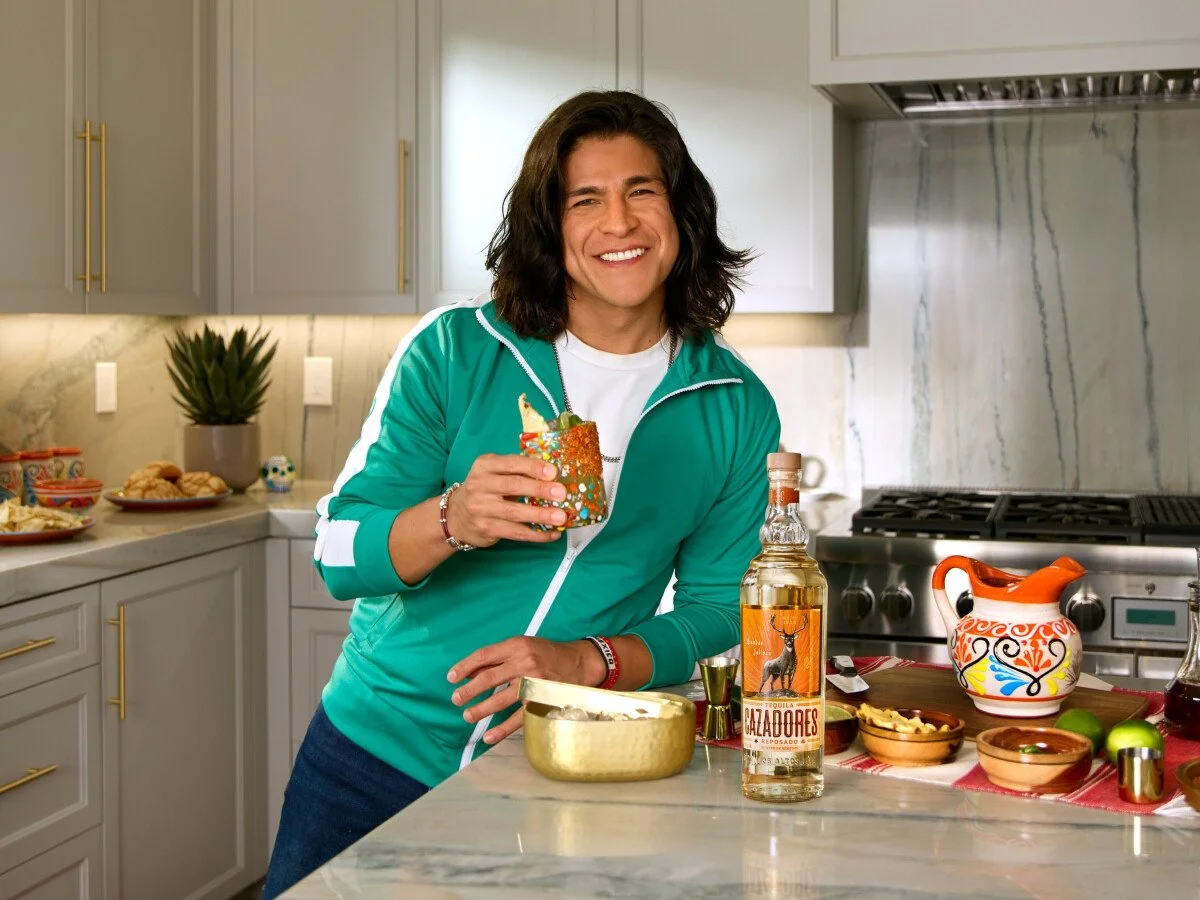
What Cazadores and Cristo Fernández Teach Us About Fandom-First Brand Strategy

When heritage meets hype, it’s a recipe for cultural relevance. Enter: Cazadores’ latest fan-inspired campaign starring Ted Lasso’s Cristo Fernández - Mexican actor, ex-professional footballer, and now tequila ambassador.

Cazadores didn’t just cast a recognisable face. They tapped into fandom.

From Football Pitches to Prime Time

Cristo Fernández is more than just a breakout star from Ted Lasso. He’s a former pro footballer turned actor, embodying two of Mexico’s most influential exports: sport and storytelling. In this campaign, he bridges Cazadores’ roots in Jalisco with the cultural currency of global entertainment.

By aligning with a figure who holds cross-border appeal and authentic Mexican heritage, Cazadores isn't just promoting tequila - it’s championing identity, aspiration, and the everyday joy of celebration.

Why This Campaign Hits Different

Unlike traditional celebrity endorsements, this work taps into the energy of the fan community. The concept was directly inspired by Cazadores’ audience, drawing from insights around how fans celebrate goals, milestones, and moments - all with a drink in hand.

It’s a reminder: meaningful campaigns are often built with, not just for, fans.

The visuals? Cinematic, sun-drenched, and fiesta-ready. The tone? Joyful, proud, and unmistakably Mexican - not as a cliché, but as a lived cultural rhythm.

Takeaway for Brands

In 2025, star power alone doesn’t cut it. Cultural authenticity and fan-informed strategy are the new baselines. The best campaigns are built on participation and relevance, not just reach.

By letting fandom lead, Cazadores positions itself not just as a tequila brand - but as a co-conspirator in how moments of joy are remembered.

categories: Sport, Culture
Wednesday 06.25.25
Posted by Vicky Beercock
 

🏃 What to Run In: Why Bandit Is the Hypebrand Rethinking Running Culture

Once sidelined as a functional afterthought, running apparel is stepping into its fashion era - and Bandit is leading the charge. If you haven’t clocked them yet, consider this your starting pistol.

Launched out of Brooklyn, Bandit has quickly carved a lane as the running brand for those who care as much about aesthetics as they do about splits. This isn’t just activewear. It’s runwear with hype credentials - designed for the track, the tempo run, and the tunnel rave after.

🧢 From Side Streets to Spotlight

Bandit doesn’t look or feel like a legacy sportswear giant. Its drops are streetwear-coded: small-batch, limited-release, community-first. Think Nike Tech Fleece energy, but built to clock PBs. Their recent Spring collection sold out almost instantly, driven by a cult following that treats each new capsule like sneakerheads treat a Jordan drop.

But this isn’t just another fashion brand in fitness clothing. Bandit builds for performance and cultural relevance. Moisture-wicking tees and race-day shorts come with ultra-premium materials, elevated cuts, and a considered brand world that actually reflects today’s running communities: urban, diverse, style-conscious.

📸 The Instagrammable Marathoner

Let’s be real: running has a new aesthetic. Post-COVID, the growth of amateur racing, run crews, and Sunday long-run culture has reshaped how we view the sport. From London’s Track Mafia to NYC’s Old Man Run Club, performance is now paired with personality. Bandit gets this — and builds gear to match.

They’re not shouting at you with slogans or legacy athlete rosters. They’re showing up at community races, building editorial-style campaign drops, and offering kits that wouldn’t look out of place in a KITH or Aimé Leon Dore store. And yes, people are styling their Bandit gear with Salomons, Arcteryx shells, and Oakleys. It’s a vibe.

🏁 More Than a Brand - a Movement

Bandit is making the case that running can be stylish, expressive, and cool again. That you don’t need to compromise between pace and taste. For marketers and brand builders, it’s a masterclass in carving new lanes: speaking to niche sport cultures through a streetwear lens, and showing that performance wear can (and should) look this good.

TL;DR: If your running gear still looks like you borrowed it from your school PE kit, it’s time for an upgrade. Bandit is what happens when high-performance meets high-design. And the culture’s sprinting to keep up.

categories: Fashion, Sport
Wednesday 06.25.25
Posted by Vicky Beercock
 

From Sidelines to Front Rows: Vogue’s Sports Desk Makes Sport Fashion’s New Power Player

Vogue’s launch of The Sports Desk, in partnership with Google Pixel, confirms what sharp-eyed brand marketeers already knew: sport isn’t just influencing fashion - it’s becoming integral to how fashion expresses relevance, identity and reach.

Why This Matters

The fashion world has long flirted with sport - from Serena in Valentino to footballers fronting fashion campaigns - but this is the first time British Vogue has carved out dedicated editorial space to cover women’s sport with such depth and cultural weight.

This isn’t just about sport showing up in fashion. It’s about fashion repositioning itself through the lens of sport - performance, community, identity, strength. For brands in fashion, this is a wake-up call: sport isn’t a bolt-on. It’s part of the cultural engine room.

Fashion’s New Front Row

In launching The Sports Desk, Vogue is making women’s sport part of the fashion conversation - not as a seasonal trend, but as an ongoing influence. That matters in a market where brands are increasingly judged on cultural fluency and values alignment.

From AJ Odudu speaking with Alessia Russo at Wembley, to Rio Ferdinand interviewing the next generation of Lionesses, the content goes beyond highlight reels. It leans into personality, presence and purpose - exactly the kind of narrative fashion brands love to trade in.

How the Game is Changing for Brands

The rise of athlete as icon isn’t new - but it’s gaining new dimension. Athletes are no longer just brand ambassadors in campaigns. They’re muses, moodboards and cultural markers.

This matters for any brand that wants to stay in step with what’s shaping identity today. Gen Z and Gen Alpha see no hard lines between pitch, catwalk and content. That crossover is where the next era of brand storytelling is already playing out.

Key Moves Brand Marketeers Should Take From This

  1. Reframe sport as a cultural driver, not a vertical: it’s a source of inspiration, not just affiliation.

  2. Bring editorial energy to brand partnerships: think storytelling, not just sponsorship.

  3. Recognise women’s sport as a fashion influence, not a sideline.

  4. Use tech to enhance the narrative: like Google Pixel, be part of the experience, not just the logo.

Final Word

As Chioma Nnadi put it: “The influence of sport on the culture at large has never been greater.”
And now, it’s not just being featured in fashion - it’s shaping the way fashion talks, walks and leads.

Explore Vogue’s Sports Desk here 👉 British Vogue – The Sports Desk

categories: Fashion, Tech, Sport
Wednesday 06.25.25
Posted by Vicky Beercock
 

⚾ The Dodgers' Million-Dollar Message: Why Brands Must Meet the Moment with Courage and Community

In a move that is both strategic and symbolic, the Los Angeles Dodgers, a franchise deeply embedded in the cultural fabric of Los Angeles, have pledged $1 million in direct financial assistance to families affected by recent ICE raids. This is not merely an act of charity. It marks a defining moment in how brands are expected to engage with the real-world issues impacting their communities.

As a professional working at the intersection of brand marketing and social impact, I see this as a compelling example of what authentic leadership looks like in practice.

Cultural Relevance Is No Longer Optional

Los Angeles is one of the most diverse cities in the world, and the Dodgers are more than just a sports team. They are a community institution. Since the era of Fernandomania in the 1980s, when Mexican-born pitcher Fernando Valenzuela electrified the city, the Dodgers have cultivated a strong connection with their Latino fanbase. In light of this, staying silent on the recent immigration raids would not only have felt out of touch, but would have represented a failure to support the very people who have built the team's legacy.

The Dodgers have chosen to stand with their community when it counts.

This Is Strategy with Substance

Let us be honest. The $1 million pledge is not only a moral decision. It is a savvy move that aligns with the expectations of today’s consumer. Increasingly, Millennials and Gen Z are making purchasing and loyalty decisions based on a brand’s values, not just its products or services.

By acting decisively, the Dodgers are strengthening their identity rather than risking it. They are building deeper loyalty by proving that cultural awareness and social responsibility are part of their core values, not optional extras.

A New Benchmark for Civic Leadership in Sport

In an environment where most professional sports organisations prefer to stay silent on divisive issues, the Dodgers have chosen action. They have not only committed financial support to families in need, but have also taken steps such as denying ICE agents access to the stadium car park. This is a rare example of a club using its physical and social capital to stand up for the community it represents.

Other clubs in Los Angeles, such as LAFC and Angel City FC, have issued supportive statements. But the Dodgers have gone further by converting sentiment into action. That difference matters.

A Lesson for All Brands

This should serve as a clear message to brands across all sectors. Remaining silent in moments of crisis is not a neutral act. Today, consumers expect brands to be engaged, responsive and accountable. That does not mean every brand must comment on every issue, but when your own customers, employees or communities are directly affected, your silence speaks volumes.

The Dodgers have demonstrated that leadership is not about staying comfortable. It is about doing what is right, even when it may be controversial.

Cultural Relevance Takes Time, but Moments Like This Define It

This decision will be remembered well beyond the immediate headlines. It will be remembered by the families receiving aid, by fans across Los Angeles, and by a wider public who are paying attention to which organisations show up when it matters most.

The Dodgers have not just protected their brand. They have advanced it. They have responded with action rather than platitudes, and that is what earns trust in the long term.

In 2025, brand equity is shaped as much by social consciousness as it is by financial performance. True relevance is built over time, but it is moments like these that reveal whether a brand truly understands its role in society.

The question for every brand is no longer whether to respond, but how. When your community looks to you for leadership, will you answer the call?

categories: Impact, Sport
Saturday 06.21.25
Posted by Vicky Beercock
 

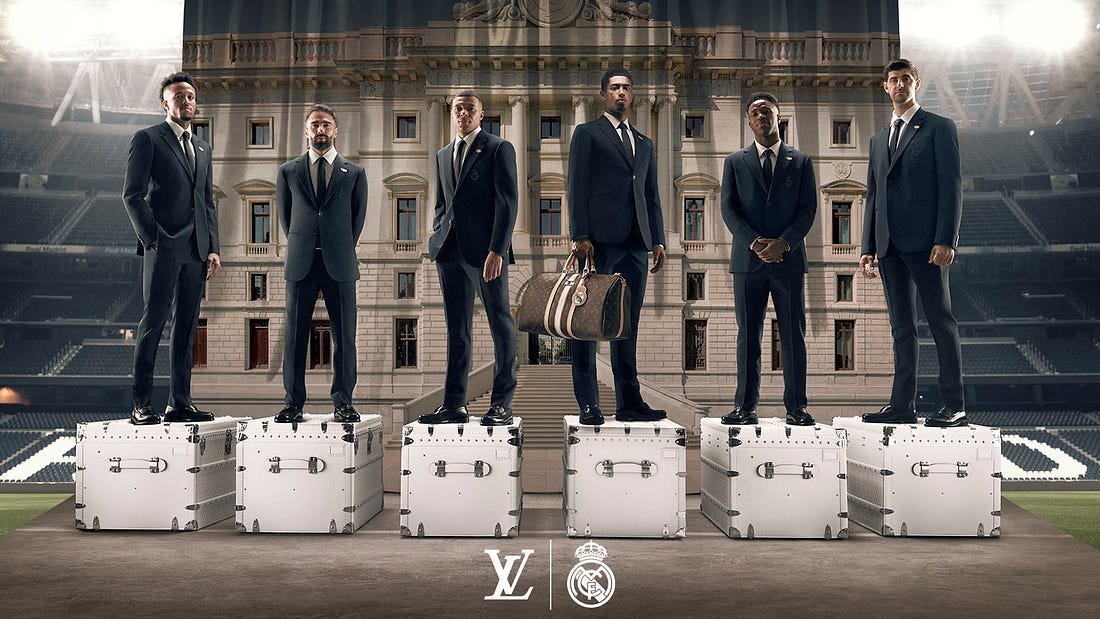
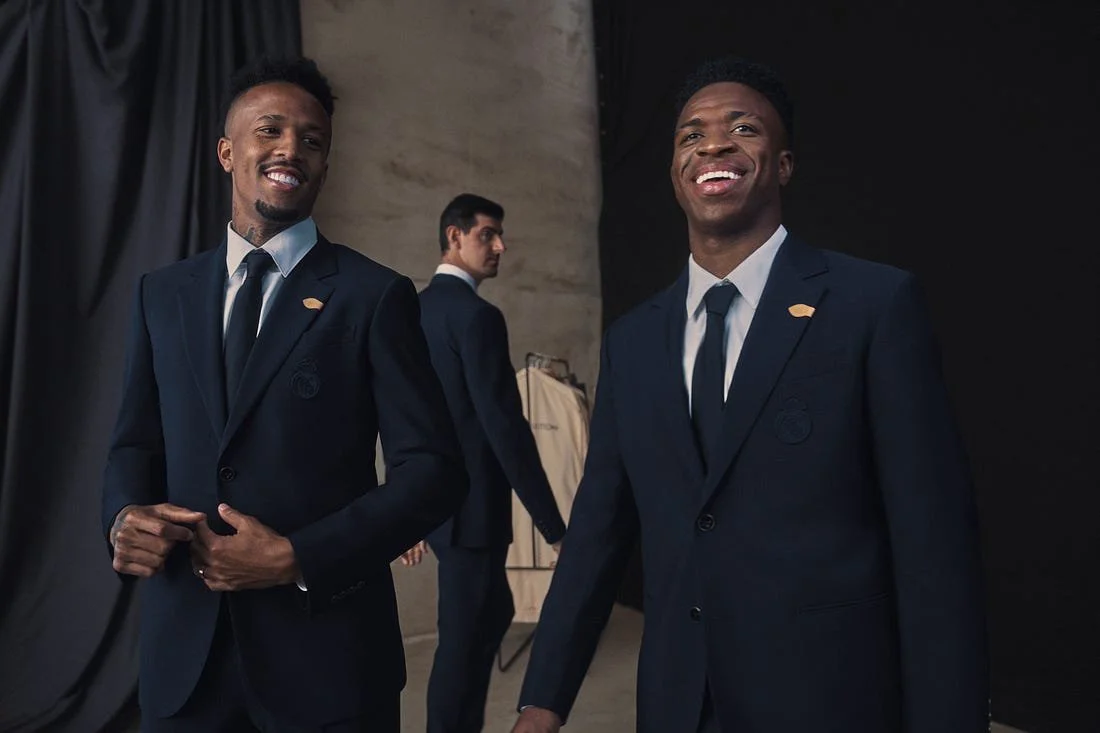
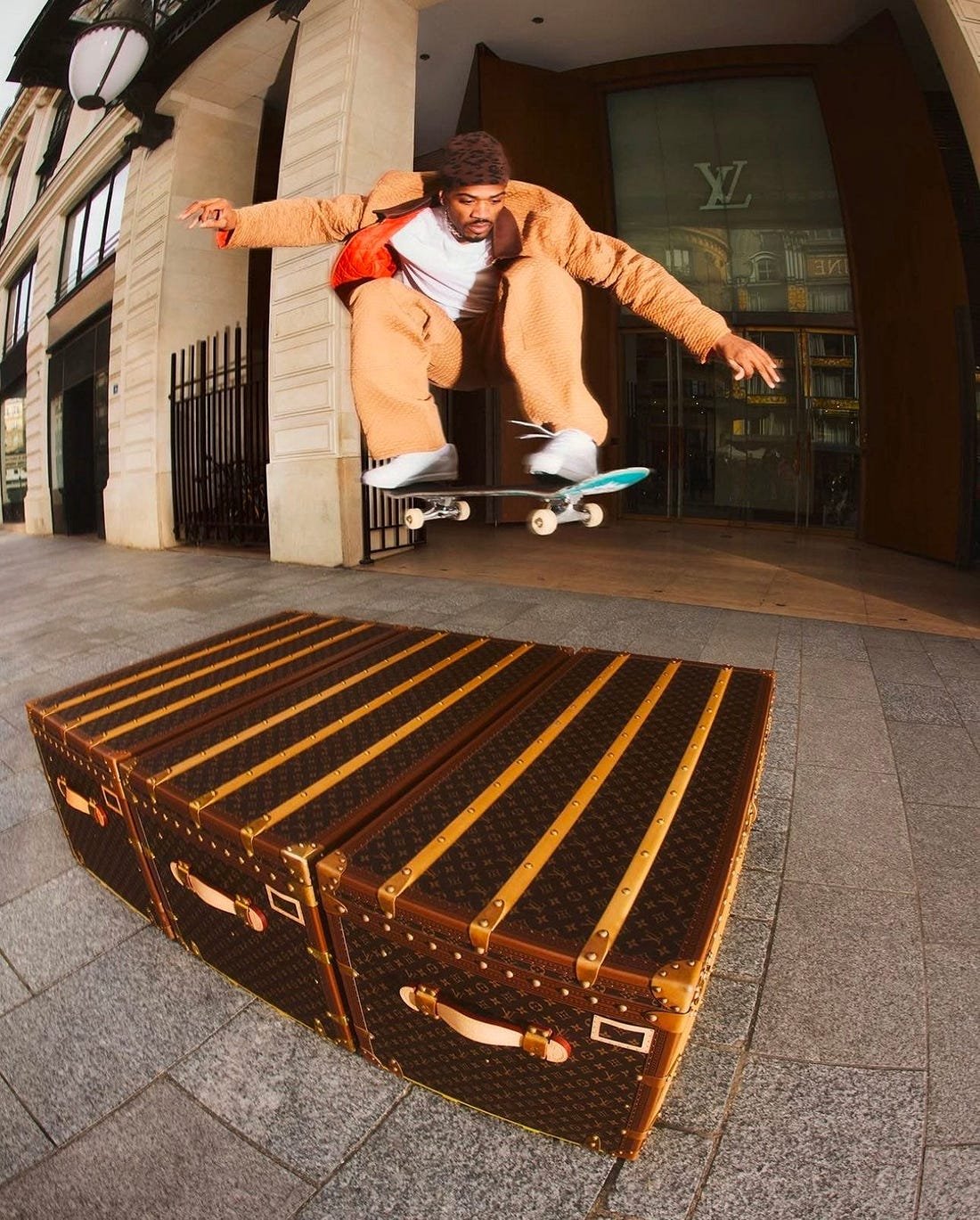
⚽👔 Louis Vuitton x Real Madrid: The New Pinnacle of Cultural Capital in Sports-Fashion Alignment

First off, credit where it’s due - massive shout out to Daniel-Yaw Miller and his consistently razor-sharp DYM for SportsVerse newsletter. His coverage of Louis Vuitton’s partnership with Real Madrid is a must-read for anyone operating at the intersection of global sport and cultural influence. If you’re not subscribed yet, fix that. Immediately.

3e0303a3-c19e-4492-b54f-352efb07af50_7014x4676.jpeg
7d810348-d45b-4bb9-8931-5c7d7726ccc0_4284x5712.jpeg
346d7fb4-0ba7-44a7-a184-f9bc78f0563e_1290x1605.jpeg
99c4a766-2f34-4aa1-b6bb-7a7f63e8c51f_2208x1412.png
c251963a-88b9-47a2-a7cf-10f2f117c8df_1086x1398.png

Now let’s get into it.

This Isn’t a Sponsorship. It’s a Cultural Power Move.

Louis Vuitton’s new alliance with Real Madrid isn’t just another luxury-meets-sport deal - it’s a seismic cultural recalibration. It signals a new era where fashion no longer rides shotgun to sport, but instead co-authors the script. This partnership isn’t about outfitting a team. It’s about owning the cultural moment - and the architecture of aspiration that defines it.

Let’s be crystal clear: Louis Vuitton didn’t need Real Madrid. And Real Madrid didn’t need Vuitton. That’s what makes this so potent. This isn’t a one-way brand equity transfer. It’s a cultural merger between two institutions that command respect and global reach - and who both understand that in the attention economy, aesthetic relevance is strategic currency.

Why It Matters: Fashion Is No Longer Optional in Sports

Ten years ago, this would’ve been unimaginable. Football clubs were obsessed with performance fabrics, not front-row cachet. Athletes were brand ambassadors at best, not fashion muses. But today? If your club doesn’t have a fashion POV, you’re not a cultural force. You’re just another sports team.

Luxury houses used to ignore sports because they didn’t see their customer in the athlete. That changed when they realized today’s athletes are the culture-drivers, tastemakers, and ultimate aspirational figures - especially for Gen Z and Gen Alpha.

Athletes are shaping it. They’re sitting front row. They’re starring in campaigns. They’re walking the runways. And in some cases, they’re even designing the collections. Tyshawn. Bellingham. Alcaraz. These aren't just sponsored athletes - they're cultural co-creators.

The Pharrell Factor: Bridging Luxury and Locker Rooms

Pharrell Williams’ appointment at Louis Vuitton menswear wasn't just a headline play - it was a structural redefinition of who fashion is for. No one else could authentically link the tunnel to the catwalk like Pharrell. His gravitational pull spans hip hop, streetwear, art, and sport. He is the bridge between Vuitton’s heritage and its future. And athletes? They’re already across that bridge.

That’s what makes this Real Madrid partnership more than just tailoring and travel trunks. It’s an intentional alignment between luxury, legitimacy, and lifestyle - one that stretches across continents, languages, and subcultures.

Real Madrid: The Fashion-Forward Club That Makes Sense

From a brand strategy POV, Madrid isn’t just a winning team - it’s the winning team. Legacy meets Gen Z relevance. Their current roster is dripping in style and social power: Jude Bellingham (already on Team Vuitton), Eduardo Camavinga (runway veteran), Trent Alexander-Arnold (regular front-row presence), and Kylian Mbappé (even if he's technically Team Dior). The locker room is already a luxury lookbook.

This is no longer just about who plays well on the pitch. It’s about who captures attention off it. That’s the game Louis Vuitton is playing. And with Real Madrid, they’ve just bought front-row seats to football’s most glamorous evolution.

Sport Is the New Runway - and Vuitton Owns It

Let’s not overlook the macroeconomic context here: the luxury sector is feeling the squeeze. Post-pandemic growth is flattening. Consumers are more critical, more cost-conscious, and more culture-savvy than ever. So what does a mega-brand like Louis Vuitton do? It doubles down on the deepest well of emotion and loyalty available today: sport.

Sport is one of the few arenas left where everyone is watching. It’s unfiltered, unpredictable, and globally unifying. And unlike traditional fashion campaigns, sports moments aren’t staged - they’re felt. That makes them priceless storytelling platforms. Vuitton understands that. And by securing its place at the heart of elite sport - from Formula 1 to the Olympics to Real Madrid - it’s not just selling luxury. It’s selling legacy, aspiration, and victory itself.

What's Next? The Future Is Ownership

Daniel-Yaw’s closing thoughts on Paris FC are a teaser for what might be the most ambitious next phase of this play: brand ownership of sport. Not sponsorship. Not licensing. Full-blown integration. If LVMH decides to turn Paris FC into the on-field embodiment of French fashion and cultural luxury, we are talking about an unprecedented evolution in how sport is branded, packaged, and experienced.

TL;DR: This Is Not a Trend. This Is the Future.

Louis Vuitton’s partnership with Real Madrid isn’t just a smart deal. It’s a declaration of dominance in a new cultural order - one where sport, fashion, music, and identity converge. If you’re a brand that still thinks of sports as a “collab opportunity” instead of a foundational storytelling pillar, you’re not just behind - you’re irrelevant.

Welcome to the new game. Louis Vuitton didn’t just dress the winners. Now, they are the winners.

📝 Again - big love to Daniel-Yaw Miller for lighting the path on this story via SportsVerse. If you care about this space, subscribe. You’ll thank yourself later.

categories: Fashion, Sport
Tuesday 06.17.25
Posted by Vicky Beercock
 

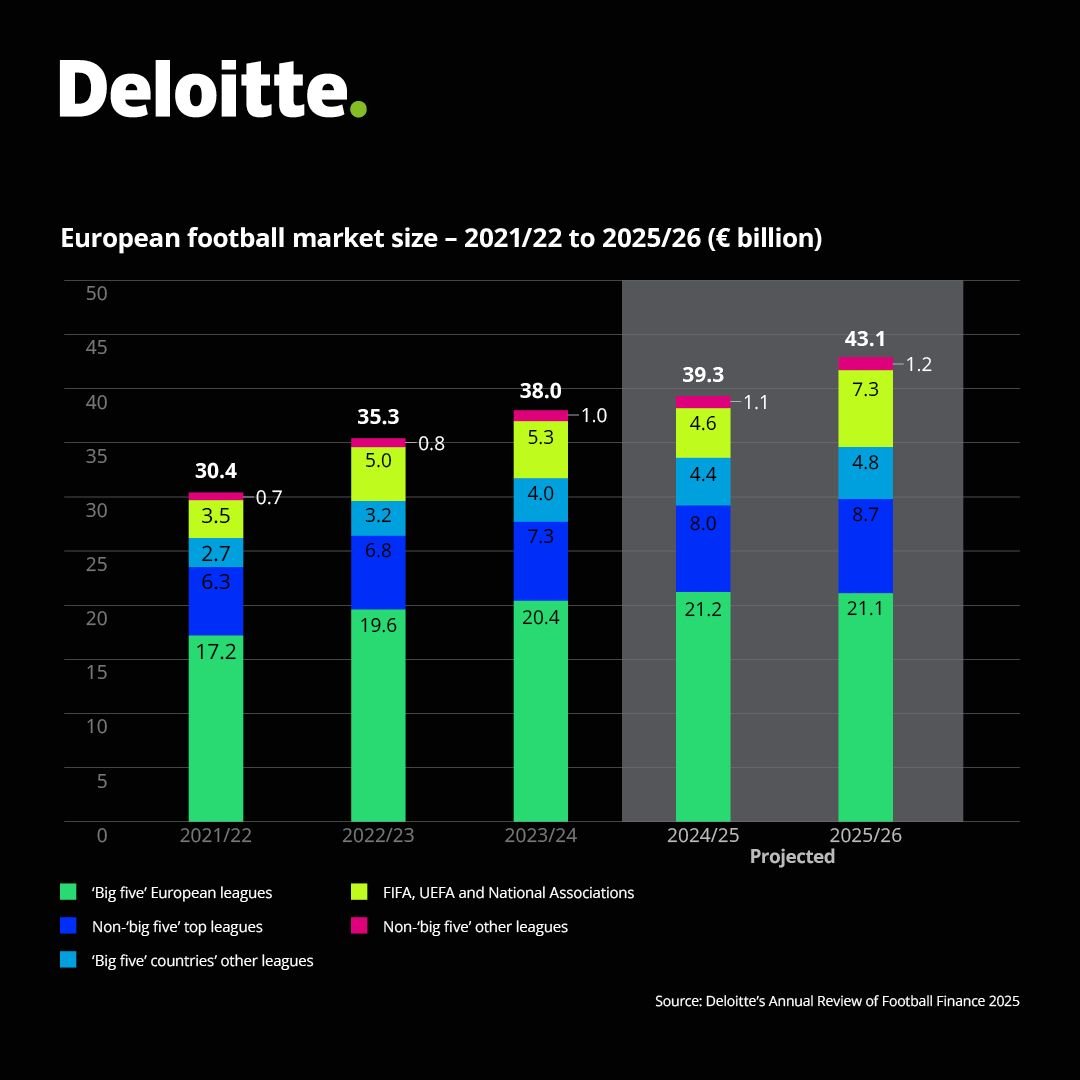
European Football Breaks €38 Billion Barrier - But Can the Game Keep Its Soul?

European football has surged past a major financial milestone. According to Deloitte’s newly released 2025 Annual Review of Football Finance, the continent’s football industry generated a record-breaking €38 billion (£32.2bn) in revenue during the 2023/24 season, reflecting an 8 percent year-on-year increase.

But that growth pales in comparison to what is happening in the women’s game. The Women’s Super League (WSL) recorded a 34 percent rise in revenue, with every club surpassing £1 million for the first time. That is over four times the growth rate of the men’s game, highlighting women’s football as one of the fastest-growing segments in global sport.

⚽ Key Statistics Driving Football’s Future:

  • €38 billion: Total revenue generated by the European football market in 2023/24 (+8 percent YoY)

  • Over €20 billion: Combined revenue from the 'Big Five' leagues (Premier League, Bundesliga, LaLiga, Serie A and Ligue 1), passed for the first time

  • More than £2 billion: Premier League clubs’ commercial revenue reached a record high

  • £1 billion: Championship clubs’ total revenue, up 28 percent, driven by club mix and broadcast income

  • £1 million or more: Revenue reported by every Women’s Super League club (+34 percent YoY)

📈 Growth Meets Identity: A Cultural Crossroads

These figures tell a story beyond business performance. They signal that football is not only thriving financially but undergoing a cultural transformation. As clubs attract greater investment and build international fanbases, there is an urgent need to protect their roles as community institutions.

Football clubs are part of the social fabric. They represent history, identity and belonging. As Timothy Bridge of Deloitte emphasises, they must be treated as community assets, not just commercial entities.

The test ahead is clear: clubs must pursue commercial growth while maintaining authenticity and supporting the fans who have sustained them for generations.

🚀 Women’s Football: A Game-Changer in Every Sense

The standout story in the Deloitte report is the WSL’s 34 percent growth. Compared to the 8 percent growth of the overall European football market, it is a remarkable signal of momentum.

This surge reflects more than revenue. It speaks to cultural change. The women's game is now attracting major sponsors, growing broadcast audiences and inspiring a new generation of players and fans.

Women's football is no longer developing in the shadows of the men's game - it is carving its own path, with a distinct identity and increasing commercial value. The numbers show it, but the movement behind them is even more powerful.

🧭 Looking Ahead: Growth With Purpose

European football is thriving, but its long-term success depends on how that growth is managed. Commercial momentum must not come at the cost of local relevance, affordable access or the spirit of the sport.

Sustainable investment should focus on:

  • Grassroots and youth development

  • Fair distribution of resources

  • Growing women’s football equitably

  • Safeguarding supporter engagement and club culture

⚖️ Final Word

Football’s record-breaking revenues in 2023/24 reflect its global pull. But the true strength of the sport lies in its ability to unite, to inspire and to reflect society. If the next chapter in football’s evolution is to be successful, it must be written with integrity, inclusivity and cultural awareness.

categories: Impact, Sport
Monday 06.16.25
Posted by Vicky Beercock
 

Charlotte Tilbury and Dallas Cowboys Cheerleaders: A Game-Changing Partnership in Beauty and Sports

In a landmark move that’s shaking up both the beauty and sports worlds, British makeup powerhouse Charlotte Tilbury has become the Dallas Cowboys Cheerleaders’ first-ever official beauty partner. This bold collaboration drops just ahead of the cheerleaders’ Season 2 return on Netflix, and it’s about far more than looks - it’s a powerful celebration of strength, confidence, and influence.

More Than a Sideline Show

The Dallas Cowboys Cheerleaders aren’t just background performers - they’re icons. Known as “America’s Sweethearts,” they’ve been a defining part of American culture for decades, symbolizing discipline, dedication, and charisma. Now, with their Netflix docuseries reaching millions, their story resonates on a global stage.

Charlotte Tilbury shares that drive. As a trailblazer in beauty, she’s built her brand on innovation and empowerment, pushing women to own their identity and express themselves fearlessly. Teaming up with the DCC is a perfect fit - two women-led powerhouses elevating what it means to perform and represent.

Redefining What Beauty Means in Sports

This partnership flips the script on traditional ideas of beauty in athletics. It’s not about fitting a mold - it’s about celebrating individuality and excellence. Fans can look forward to exclusive behind-the-scenes content, surprise pop-ups, and on-site beauty experiences at AT&T Stadium that bring Charlotte Tilbury’s signature energy right to the heart of the action.

Every cheer, every movement, every smile will carry that extra spark of confidence. This is a collaboration that highlights performance and self-expression as one and the same - proving that strength and style aren’t mutually exclusive.

A Cultural Moment That Matters

In today’s world, where women continue to break barriers in sports and entertainment, this partnership stands out as a beacon of progress. Charlotte Tilbury’s leap into American sports, following her work with F1 Academy™, signals a broader movement: empowering women to thrive in spaces historically dominated by men.

For young women and fans watching, this alliance sends a clear message - it’s possible to lead, innovate, and make your mark on your own terms.

What to Expect Next

With the Dallas Cowboys Cheerleaders’ Netflix Season 2 set to drop, this partnership invites audiences to witness more than just performances. It’s about seeing these athletes as trendsetters and role models who embrace their full selves — on and off the field.

Blending British beauty expertise with American sports culture, this partnership celebrates collaboration, empowerment, and evolution. It shows that today’s culture rewards those who break new ground and inspire others to do the same.

The Charlotte Tilbury x Dallas Cowboys Cheerleaders collaboration isn’t just a branding deal - it’s a cultural reset. Prepare to see the cheerleaders bring their game - and their confidence - to a whole new level, proving that power and self-expression can’t be separated.

categories: Fashion, Beauty, Sport
Monday 06.16.25
Posted by Vicky Beercock
 

✊ Angel City FC’s “Immigrant City Football Club” T-Shirts: A Bold Stand Amid Los Angeles’ Immigration Protests

In a time when brands have the power to influence culture and spark meaningful change, Angel City FC has shown what it means to stand with its community. By distributing 10,000 t-shirts bearing the message “Immigrant City Football Club,” Angel City FC has made a profound cultural statement in response to the recent ICE raids and protests shaking Los Angeles.

This is more than just merchandise - it’s a call to recognize and celebrate the immigrant communities that make Los Angeles vibrant and strong. Their message echoes a simple truth: Los Ángeles es para todos - Los Angeles is for everyone.

Context: A City in Turmoil and Resistance

Since early June 2025, Los Angeles has been the epicenter of intense immigration protests following widespread ICE raids. The federal government’s deployment of National Guard troops and active-duty Marines to support enforcement actions has heightened tensions and led to mass demonstrations, curfews, and numerous arrests.

In this atmosphere of unrest, Angel City FC’s initiative stands as a unifying force, emphasizing inclusion and human dignity amid political strife.

More Than a Slogan: A Cultural Affirmation

Angel City FC’s t-shirts proclaim that Los Angeles belongs to its immigrant residents - those whose labor, culture, and spirit fuel the city’s growth and identity. This message is a powerful counter to narratives that seek to exclude or criminalize immigrant communities.

By aligning their brand with this cause, Angel City FC uses its platform to foster solidarity, inspire hope, and challenge division.

The Role of Sports in Social Impact

Sports teams hold unique cultural influence, often transcending divides to bring communities together. Angel City FC’s “Immigrant City Football Club” campaign:

  • Elevates immigrant voices.

  • Highlights the city’s diversity as a strength.

  • Demonstrates leadership in social justice.

In doing so, the club redefines what it means to be a team in 2025 - one that represents not only athletic excellence but also cultural pride and activism.

Los Ángeles es para Todos: A Declaration for the Future

As Los Angeles grapples with political conflict and social upheaval, Angel City FC’s message reminds us all that the city’s essence is its people - all of them. In this declaration of belonging, Angel City FC offers a hopeful vision: a city that welcomes everyone, no matter where they come from.

categories: Sport, Impact, Fashion
Monday 06.16.25
Posted by Vicky Beercock
 

Wimbledon 2025: Reinventing Tradition to Thrive in the Attention Economy 🎾🔥

Wimbledon is more than just a tennis tournament - it’s a cultural institution that has stood the test of time. Yet, as we live in an era where attention is the most valuable currency, even this iconic event must evolve to stay relevant. Under the leadership of Sally Bolton, CEO of the All England Lawn Tennis Club (AELTC), Wimbledon is striking a powerful balance between honouring its rich traditions and embracing bold innovations.

🎯 Competing for Attention in a Saturated Market

In today’s entertainment landscape, Wimbledon faces fierce competition - not just from other sports, but from an endless stream of digital content vying for people’s attention. Bolton acknowledges, “It’s the attention economy, and we’re trying to maintain our share of that.” With a global audience that’s more fragmented than ever, this challenge has pushed Wimbledon to rethink how it engages fans.

📱 Engaging the Next Generation

Wimbledon’s innovative digital initiatives are game-changers. Take WimbleWorld on Roblox - launched in 2022, it has already attracted 19.5 million visits, connecting the tournament with a younger, digitally native audience in a fun and interactive way. This move signals Wimbledon's commitment to evolving beyond traditional broadcasting and stadium experiences.

🌍 Global Expansion: The U.S. and India

Wimbledon is expanding its footprint globally. In the U.S., the tournament partnered with ESPN and recreated “The Hill” experience in New York, bringing a slice of Wimbledon culture stateside. Meanwhile, in cricket-loving India, collaborations with legends like Sachin Tendulkar have introduced Wimbledon to new fans, tapping into vibrant, passionate sports communities.

📈 Business Growth Through Audience Engagement

This strategic approach is paying off. Over the past decade, Wimbledon’s revenue has more than doubled, soaring from £170 million to approximately £400 million. This growth reflects the success of deepening fan engagement and expanding reach without compromising the tournament’s heritage.

🏟️ Balancing Tradition with Innovation

Wimbledon continues to evolve while holding tight to its core identity. Innovations like electronic line calling and the online ticket ballot system show how technology can enhance the experience without eroding tradition. Bolton puts it best: Wimbledon is “always changing, always staying the same.”

🛍️ Beyond the Tournament: Building a Lifestyle Brand

Wimbledon isn’t just about the fortnight on the courts anymore. With nearly 100,000 visitors annually to its museum and a growing online retail presence, it’s positioning itself as a global lifestyle brand. This allows fans worldwide to connect with Wimbledon’s essence, even if they can’t be there in person.

🔮 The Future of Wimbledon

Looking forward, Wimbledon is set to remain a premier event by continuing to adapt thoughtfully. Bolton’s vision ensures the tournament will maintain its unique charm while meeting the demands of the modern attention economy.

For a deeper dive into Sally Bolton’s strategy and vision for Wimbledon’s future, check out the full Financial Times interview here:
ft.com - Sally Bolton on Wimbledon

For more thoughtful analysis on culture, fashion, music, sport, and brand strategy - including how brands like Wimbledon navigate today’s complex cultural landscape - subscribe to On The Record, my LinkedIn newsletter delivering curated insights and fresh perspectives straight to your feed: Subscribe here to On The Record.

categories: Gaming, Sport, Tech
Monday 06.16.25
Posted by Vicky Beercock
 

When Culture and Community Collide: Lessons from Nike’s After Dark Half-Marathon

Nike’s After Dark women’s half-marathon in Los Angeles was billed as more than a race – it was an immersive cultural experience designed to empower women, elevate community, and celebrate movement after hours. With a post-run performance by Doechii and thousands of first-time runners in attendance, it had all the ingredients for a standout moment in sport and culture.

But the reviews told a more complex story – one that holds key lessons for any brand designing experience-led campaigns in 2025.

A Cultural Moment That Fell Short on Execution

While the event succeeded in creating energy, enthusiasm, and wide participation (with nearly 15,000 runners, 43% of them first-timers), it also faced legitimate criticism over logistics. Attendees reported long wait times, confusion over the start, and pacing policies that changed mid-campaign – challenges that, in some cases, left runners feeling excluded from the full experience, including the post-race concert.

The event’s concept – reclaiming the night through community, movement, and celebration – was strong. But as we’re seeing more often in the experience economy, cultural ambition must be matched by operational clarity to truly resonate.

Experience Is the New Brand Equity

Nike has long set the bar for culture-first storytelling in sport. Their ability to champion marginalised voices and empower communities is central to their global brand power. After Dark reinforced that – but also showed the growing tension between intention and execution.

When an experience is built around empowerment, especially for underrepresented communities, the details matter. Inclusivity is as much about infrastructure as it is about messaging. When expectations shift – as they did with the three-hour pacing limit – even small changes can signal larger disconnects.

Brands today aren’t just judged by their campaigns. They’re judged by how people feel during and after the experiences they create.

Three Takeaways for Brands Designing Cultural Events

  1. Inclusive Experiences Require More Than Inclusive Messaging
    Celebrating diversity means designing for it – across paces, identities, and abilities. Clear, consistent communication and support structures are vital.

  2. Emotional Equity Begins with Operational Excellence
    From check-in flows to finish line energy, execution isn’t just logistics – it’s brand storytelling in real time.

  3. Culture Can’t Be a Backdrop – It Has to Be the Blueprint
    When cultural relevance is central to the brand promise, it must inform every layer of the experience – not just the music line-up or influencer turnout.

The Bottom Line

Nike’s After Dark was a bold move – bringing women together in a joyful, empowering, after-hours run through Los Angeles. And while the vision was compelling, the experience reveals how high expectations have become for brands that lead in cultural space.

As more companies lean into immersive, community-driven activations, the standard is clear: if you’re going to build culture, you have to build infrastructure that supports it.

Because when it comes to cultural relevance, how you deliver is just as important as what you say.

Subscribe to the On The Record newsletter on LinkedIn for weekly insights into the strategies, stumbles, and standout moments shaping today’s most relevant brands.

categories: Culture, Sport, Impact
Friday 06.13.25
Posted by Vicky Beercock
 
Newer / Older