• Work Overview
  • About
  • Partnerships
  • Testimonials
  • On The Record
  • Substack
  • Linkedin

Vicky Elmer

(née Beercock) | VP of Global Communications & Marketing | Brand, Culture, Reputation

  • Work Overview
  • About
  • Partnerships
  • Testimonials
  • On The Record
  • Substack
  • Linkedin

Y-3 KURO: When the OG of Streetstyle Doubles Down on Its DNA

Yohji Yamamoto has always done things his own way. So it feels fitting, even poetic, that Y-3’s newest evolution is a sub-label where Yohji collaborates with, well… Yohji. Y-3 Kuro is here, and I’m absolutely here for it.

I worked on the Y-3 brand at adidas from 2015 to 2017. Not at the very beginning, but during a time when Y-3 had already proven it wasn’t just another designer-sportswear experiment. It was something more permanent. A movement built on contradiction, discipline, and freedom. We weren’t chasing trends or sneaker culture validation. We were building a world for the non-conformists. For those who wanted their wardrobe to say less, but mean more.

That spirit still resonates, and Kuro captures it. “Kuro,” meaning black in Japanese, is Yohji’s color of choice and his most powerful design tool. In his hands, black becomes language, form, and identity. This new sub-line strips Y-3 to its core: sharp, functional silhouettes reduced to their essence. Clean track jackets, pared-back tanks, beanies. It is restraint with purpose.

If you know Y-3’s history, you know this isn’t a pivot. It’s a continuation. A reassertion of what has always set the brand apart.

Over the years, there have been key moments that defined Y-3’s relevance and longevity:

1. 2002–2003: The Birth of a Category
Y-3 launched in 2002 and debuted at Paris Fashion Week in 2003. It was a groundbreaking moment: Yohji Yamamoto, then already a legend in avant-garde fashion, partnered with adidas to create an entirely new category - high-fashion sportswear. Minimal branding, draped silhouettes, and performance-forward thinking became the brand’s DNA. This wasn’t fashion chasing function; it was function reimagined through fashion.

2. 2004: Platform Sandals Before They Were Cool
Years ahead of the current wave of clogs, slides, and sport-fashion hybrids, Y-3 released a platform sandal with a split-toe mesh bootie and bold typographic branding. It was fashion-forward, ergonomic, and arguably set the stage for today’s utility-meets-luxury footwear movement. Back then, it confused people - now, it looks prophetic.

3. 2013: The Qasa High Drops — and the Game Changes
The Qasa High sneaker arrived and didn’t just sell - it shifted the culture. Its elastic wrap design, tubular sole (a callback to adidas' '90s archive), and neoprene upper made it an instant cult item. It inspired dozens of imitators and opened the floodgates for designers to treat sneakers as sculptural objects.

4. 2014–2016: The BOOST Trilogy — PureBOOST, Run Boost, and Ultraboost 22
Before the world fell in love with BOOST through Yeezy or Ultraboost, Y-3 introduced it to fashion crowds with the PureBOOST. Later, the Run Boost amped up the silhouette with oversized branding and Yamamoto’s signature asymmetry. Kanye himself wore them — and resale prices soared.

5. 2016: Y-3 Designs Flight Suits for Virgin Galactic
Yes, really. When Richard Branson’s space tourism company needed flight suits for its crew, it tapped Yohji and Y-3. Designed with heat-resistant Nomex and Yamamoto’s eye for silhouette, these weren’t gimmicks - they were industrial couture made for the stratosphere. (as seen in my portfolio projects)

6. 2018: The Y-3 4D Runner Introduces FutureCraft to the Avant-Garde
With only 200 pairs released, this sneaker merged adidas’ FutureCraft lattice sole with Yohji’s refined minimalism. It was tech-forward, runway-certified, and another example of Y-3 being first to blend high design with real performance science.

7. 2022: “20 Years: Re-Coded” Campaign with Zidane
To mark its 20th anniversary, Y-3 turned to longtime collaborator and icon Zinedine Zidane. The campaign featured Zidane in full Y-3 - trench, vest, tracksuit - as a living embodiment of elegance in motion. The campaign didn’t just look back; it reminded people why Y-3 still matters.

Which brings us back to Kuro. It’s not a rebrand. It’s a refinement. A creative re-centering. The silhouettes are subtle but loaded with intent. It feels like a return to what made Y-3 so powerful in the first place: the ability to say a lot by doing very little.

As Yohji once said,
“With one eye on the past, I walk backwards into the future.”

That is exactly what Y-3 Kuro is doing. Not chasing nostalgia, not chasing hype. Just moving forward in its own quiet, confident rhythm.

As someone who had the privilege of working on this brand from the inside, I see this moment not just as evolution, but as affirmation.

And yes - I’m here for it.
tags: Fashion
categories: Fashion, Culture, Sport
Tuesday 06.10.25
Posted by Vicky Elmer
 

SXSW London: A Missed Opportunity That Must Do Better Next Time

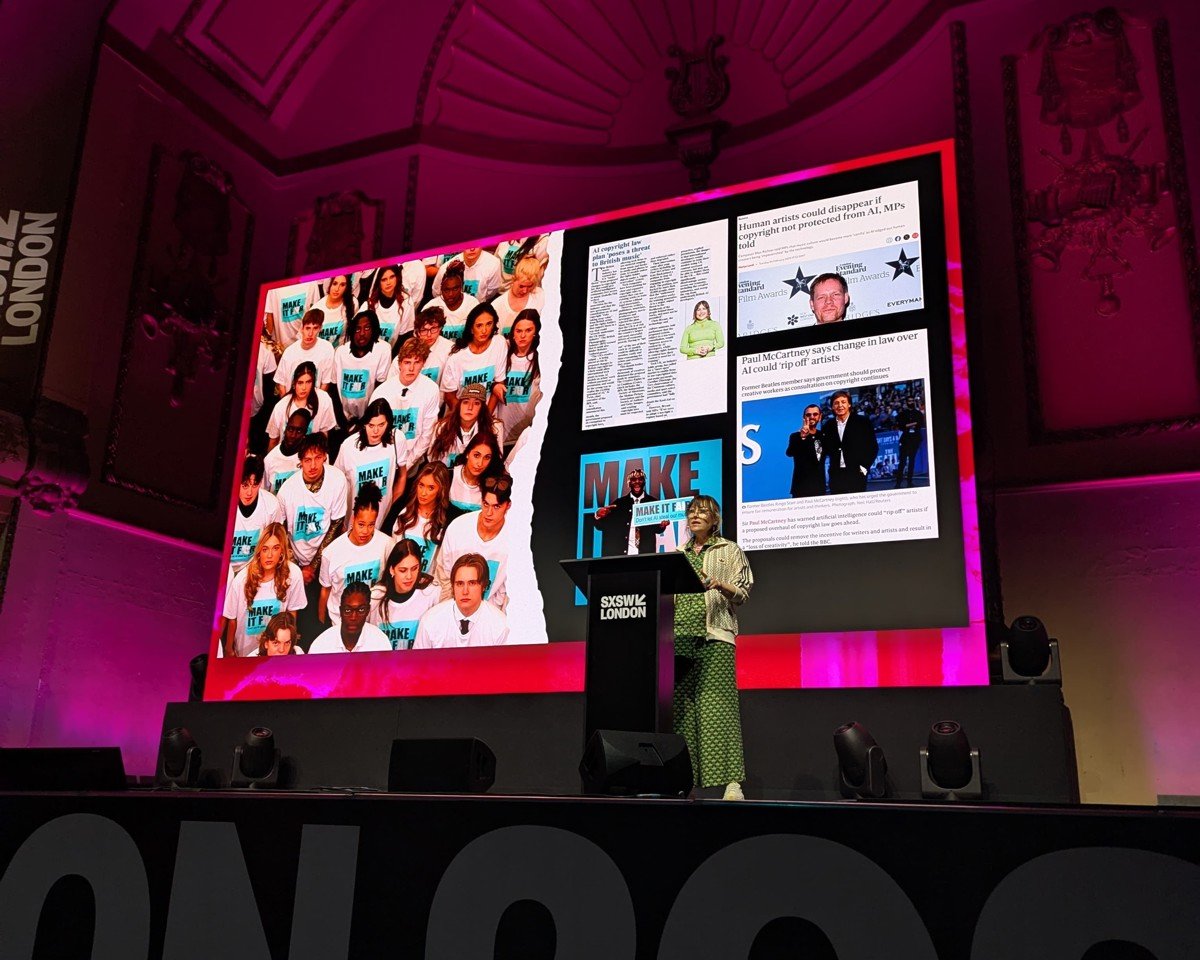
Plenty of people have been asking: does the UK really need SXSW London? One comment I came across recently summed it up bluntly - why pay £1,560 for a delegate pass when we already have a thriving ecosystem of homegrown showcase events like The Great Escape, Sound City, FOCUS Wales, Wide Days, ILMC, Chris Carey’s FFWD, and the important work being done by Dr. Yasin El Ashrafi in Leicester?

That stuck with me, and I have to say - I didn’t attend SXSW London. Not because I didn’t want to be curious, but because I genuinely didn’t feel the offering justified the price or the time investment. And based on the programming, reviews, speaker lineups, social media feedback, and media coverage I’ve since seen, I’m confident I made the right call.

Safe, Sanitised, and Superficial

The programming, on paper, felt like it was built for browsing, not building. Most sessions were short - around 30 minutes - with overstuffed panels and no room for actual dialogue. The tone seemed more suited to a stream of corporate keynotes than a space for meaningful cultural exchange. In an era where creative industries are under immense pressure, SXSW London missed an opportunity to go deep, take risks, and speak to the realities of the moment.

Uninspired and Over-Engineered

From what I’ve seen and read, the speaker lineup lacked edge. The event seemed to play it safe - choosing recognisable, brand-friendly names over people actually moving the needle creatively. The result? Sessions that read like a LinkedIn feed brought to life: polished, shallow, and largely forgettable.

Politics Over People

One of the most talked-about aspects was the unannounced appearance of Tony Blair and David Cameron. That decision prompted backlash and led to some artists withdrawing in protest. The term “artwashing” was used for good reason - injecting politics without transparency felt misjudged and undermined any sense of community trust or cultural authenticity.

Branded Vibes, Not Cultural Pulse

Visually, the event looked slick - but many attendees commented that it felt like a branded trade show rather than a genuine celebration of culture. It leaned heavily into commercial polish, yet struggled to capture real creative energy. Even the freebies - like mini branded speakers - felt symbolic of the disconnect between branding and value.

The Elephant in the Room: The Price Point

Let’s not ignore this: £1,560 for a delegate pass is not just steep, it’s exclusionary. Especially when freelancers, small organisations, and emerging artists are already stretched. Multiple people have pointed out how unsustainable this is. I wouldn’t be surprised if next year sees an influx of complimentary passes just to get the right crowd in the room.

What SXSW London Needs To Do Next Time

  1. Earn the Right to Be Here
    Engage with the creative communities already thriving across the UK. Don’t impose - collaborate.

  2. Lower the Price Point - Dramatically
    If you claim to value accessibility, make it real. This isn’t Silicon Valley.

  3. Rebuild Credibility
    Avoid political PR stunts. Prioritise integrity and transparency.

  4. Create Space for Real Dialogue
    Slow the format down. Allow time for meaningful conversation, not just soundbites.

  5. Centre UK Creativity
    SXSW London has to reflect UK-specific voices, challenges, and strengths. Otherwise, it’s just SXSW-lite.

Bottom line: Even from a distance, the debut of SXSW London seemed to miss its moment. There’s no denying the infrastructure was solid, but the substance felt hollow. If it’s going to earn its place in the UK’s cultural landscape, it needs to be rethought from the ground up - with humility, fairness, and a genuine commitment to the creative communities it claims to serve.

Until then, we already have better options.

🗞️ For more thoughtful analysis on culture, fashion, music, sport, and brand strategy, checkout the rest of the articles from On The Record here: https://www.vickybeercock.work/on-the-record

And subscribe to the Linkedin newsletter On The Record here: https://www.linkedin.com/newsletters/7339260441459654657/

You can check out the industry reaction in the comments of my Linkedin post here:

tags: music
categories: Tech, Sport, Music, Impact, Fashion, Culture, Beauty
Tuesday 06.10.25
Posted by Vicky Elmer
 

On The Record Linkedin Newsletter 10th June

categories: Linkedin Newsletter
Tuesday 06.10.25
Posted by Vicky Elmer
 

Christopher Walken x Saint Laurent: The Ultimate Collision of Cool and Culture

In an era where celebrity endorsements often feel formulaic, Saint Laurent’s decision to cast Christopher Walken as the face of their Autumn 2025 menswear campaign stands out as a masterstroke of cultural resonance. This is not simply about star power. It is a deliberate nod to enduring presence and the art of timelessness in fashion and culture.

Christopher Walken, with his unmistakable blend of enigmatic intensity and effortless cool, embodies something far richer than the typical fashion muse. His career, spanning decades and crossing genres from iconic films to late-night television, has solidified him as a cultural touchstone, a figure who transcends generational boundaries. In fronting Saint Laurent, Walken brings a layered narrative that few contemporary celebrities could emulate.

Photographed by Glen Luchford, a longtime collaborator with Saint Laurent, the campaign is stripped down to essentials: texture, silhouette and expression. Walken’s choice of a grained leather lambskin blouson, cut with relaxed drop shoulders and zipped to the collar, mirrors his own persona: refined yet rugged, classic yet undeniably modern. The jacket is not just clothing. It is a statement of quiet authority.

Under Anthony Vaccarello’s creative direction, Saint Laurent has experienced remarkable commercial success. Since Vaccarello took the helm in 2016, the brand’s revenues have soared from approximately $1.07 billion to nearly $2.85 billion. This growth underscores the power of aligning brand identity with figures who bring authentic presence and cultural weight.

The broader fashion industry also illustrates how high-profile talent drives business impact. Blackpink’s Rosé, for example, has generated an estimated $550 million in earned media value through collaborations with brands like Saint Laurent, Tiffany & Co., and Rimowa. Her presence has translated into tangible commercial uplift, demonstrating the financial value of carefully chosen celebrity partnerships.

Top 5 High-Profile Talent Partnerships Driving Revenue Growth in Fashion

Rosé (BLACKPINK) x Saint Laurent, Tiffany & Co., Rimowa
Rosé’s partnerships have generated over $550 million in earned media value, showcasing the power of K-pop influence in elevating luxury brand visibility and sales worldwide.

Beyoncé x Adidas (Ivy Park)
Beyoncé’s Ivy Park brand has reportedly pushed Adidas’s revenue by an estimated $500 million in new sales since its launch, creating one of the most successful celebrity brand partnerships in sportswear.

David Beckham x H&M
Beckham’s long-term collaboration with H&M contributed to over $1 billion in sales globally, proving how athletic icons can drive mainstream fashion success.

Kanye West x Adidas (Yeezy)
The Yeezy partnership dramatically boosted Adidas’s annual revenues by nearly $1.2 billion at its peak, revolutionising sneaker culture and luxury streetwear.

Rihanna x Fenty (LVMH and Savage X Fenty)
Rihanna’s Fenty brand, including her partnership with LVMH and her Savage X Fenty lingerie line, has generated over $600 million in revenue, establishing her as a powerhouse in luxury and inclusive fashion markets.

Top 5 Celebrity Endorsements by Revenue (Across Industries)

Michael Jordan (Nike Air Jordan)
Estimated to generate over $3 billion annually, the Air Jordan brand revolutionised athlete endorsements and sneaker culture, becoming a lasting commercial juggernaut.

George Clooney (Nespresso)
Clooney’s campaigns have driven more than $1 billion in sales, demonstrating how a celebrity can lend sophistication and mass appeal to a lifestyle brand.

LeBron James (Nike)
With signature shoes and apparel generating over $1 billion, LeBron’s endorsement exemplifies the power of sports icons in driving multi-decade revenue streams.

Cristiano Ronaldo (Nike and CR7 brand)
Ronaldo’s partnerships contribute over $1 billion in combined revenue, fuelled by his global fanbase and successful personal branding.

Beyoncé (Pepsi and Ivy Park)
Beyoncé’s endorsements and her Ivy Park line have pushed hundreds of millions in revenue, highlighting the crossover potential between music, fashion and commercial impact.

Saint Laurent’s Autumn 2025 campaign with Christopher Walken is more than an aesthetic exercise. It is a strategic cultural statement. It proves that true relevance in fashion comes not from fleeting trends or viral moments, but from legacy, authenticity and personality. Walken and Saint Laurent together reaffirm that the most powerful style statements are rooted in confidence and consistency, and that cultural impact drives not only perception but growth.

In a market crowded with transient influencers, this campaign is a reminder: the brands that endure are those who honour heritage while evolving with intention. Christopher Walken fronting Saint Laurent is a defining moment in this ongoing conversation between fashion, culture and commerce.

tags: Fashion
categories: Fashion
Tuesday 06.10.25
Posted by Vicky Elmer
 

Arsenal’s Move to Emirates Stadium: A Landmark Moment for Women’s Football and Its Bright Future

On the heels of their triumphant 2024/25 UEFA Champions League campaign, Arsenal Women have announced a bold new chapter in their history: all 11 of their 2025/26 Women’s Super League (WSL) home matches will be played at the iconic Emirates Stadium, with its 60,704 capacity. This decision marks not just a strategic home venue shift, but a powerful cultural statement about the rapidly growing prominence and commercial viability of women’s football in the UK and beyond.

Setting Records, Raising Standards

Last season, Arsenal led the WSL in attendance, selling over 415,000 tickets - a notable 20% increase compared to their 2023/24 campaign. Their nine matches hosted at the historic Highbury stadium attracted an average crowd of over 34,000 fans, showcasing the deepening connection between the team and its supporters.

The peak attendance came during February’s North London Derby against Tottenham, when a staggering 56,784 fans filled Emirates Stadium to witness one of the fiercest rivalries in English football. This crowd size not only highlights Arsenal’s magnetic pull but also signals the growing appetite for women’s football experiences on the biggest stages.

The Bigger Picture: Women’s Football as a Commercial Powerhouse

Arsenal’s decision to play all home games at Emirates is perfectly timed amidst a surge in commercial success and fan engagement across the WSL. The league has witnessed a record-breaking 34% increase in combined revenues for WSL teams in the 2023/24 season. Moreover, matchday attendance grew by 31% compared to the previous season, fueling a remarkable 73% jump in matchday revenues.

Industry experts at Deloitte forecast that by the end of the 2025/26 season, WSL revenues will surpass £100 million, underlining the immense growth potential of women’s football in the UK. These financial gains underscore the sport’s transformation from a niche interest to a mainstream cultural and commercial force.

A Global Surge in Women’s Sports Valuations

The momentum isn’t limited to the UK. Globally, women’s sports franchises are rapidly appreciating in value. For instance, WNBA team valuations averaged $90 million in 2024, while the NWSL saw club values double to $104 million. The New York Liberty recently sold shares at a $450 million valuation, the highest ever recorded for a women’s sports team worldwide.

Among European clubs, Chelsea FC stands out as the only non-US team in the top tier, valued at $326 million, buoyed by investments such as Reddit co-founder Alexis Ohanian’s $26.6 million stake acquisition. This trend highlights the growing recognition of women’s sports as both a valuable brand and an attractive investment opportunity.

Arsenal’s Vision: Beyond the Pitch

Arsenal head coach Renée Slegers captured the spirit of this moment perfectly: “For us, this is just the beginning, and bringing every WSL match to the Emirates is another step for more supporters to be part of this special journey.”

This move is about more than just stadium capacity or ticket sales. It symbolizes the growing respect, investment, and cultural relevance of women’s football - a game that has long fought for equal footing and recognition. By giving the women’s team the same stage as their male counterparts, Arsenal is sending a message about ambition, equality, and the future of sport.

Conclusion: A New Era of Opportunity and Growth

As the WSL enters this new phase of unprecedented growth, the spotlight on Arsenal’s transition to the Emirates Stadium is a cultural touchstone. It represents the convergence of sport, business, and community, driven by fans hungry for elite-level women’s football and clubs ready to invest in their futures.

With rising revenues, record attendances, and increasing media visibility, women’s football in the UK is no longer a sideline story - it is a defining part of the national sports conversation. Arsenal’s leadership, alongside the broader league growth, promises an exciting era ahead for players, fans, and the entire football ecosystem.

categories: Impact, Sport
Tuesday 06.10.25
Posted by Vicky Elmer
 

The Power of Now: Why Live Streaming Keeps Culture Deeply Human in an AI Era

Over the past decade, streaming platforms have evolved from vast digital libraries into dynamic stages for real-time culture. What began as an escape from scheduled programming has come full circle - with live events now at the heart of shared experience. This isn’t a return to the past; it’s live streaming redefined: immersive, interactive, global - and deeply human.

From Catch‑Up to Culture‑Making

Streaming originally offered freedom: watch what you like, when you like. Yet, in solving for convenience, it risked losing something vital - the live moment. There's nothing quite like the collective gasp when a goal is scored or the thrill of a live finale shared in real time.

The resurgence of live content isn’t nostalgia - it’s an evolution. Streaming platforms have recognised that in a fractured media landscape, synchronised experiences build cultural resonance.

Live Sport: Streaming’s Cultural Catalyst

Few genres demand immediacy like sport. The stakes, the narratives, the unity - sport matters now. Platforms are investing heavily in top-tier rights to capture that immediacy.

Amazon’s acquisition of Premier League rights in the UK, followed by the UEFA Champions League deal from 2024, places live football firmly centre stage. Combined with Roland Garros, Wimbledon, and select NBA coverage, this strategy underlines a focus on emotionally rich, large-scale events that resonate globally.

Competitors such as DAZN, ESPN+, and Apple TV+ are also staking out live sports ground, but Amazon’s advantage lies in how it weaves sports into its broader ecosystem - seamlessly connecting commerce, entertainment, and tech.

Live Entertainment: The Collective Experience Redefined

Live entertainment is enjoying a renaissance in the streaming era - from music specials to interactive reality formats. Operación Triunfo, streaming globally, exemplifies how platforms are delivering cultural moments that spark conversation and connection across communities.

AI Ushers in a New Era - But Humanity Remains Paramount

Alexis Ohanian, co‑founder of Reddit, recently offered a compelling perspective on the impact of AI on media. He suggests that as AI enhances content creation, people will increasingly seek live experiences that reconnect them with their humanity. Ohanian predicts that while AI will permeate scripted or digital content, live theatre and sports will experience heightened demand because they offer the rawness, emotion, and empathy that AI cannot replicate sportskeeda.com+6businessinsider.com+6reddit.com+6.

“We need humans doing that. We need to feel their pain and their success and their triumphs” - a reminder that when screens are saturated with AI‑polished content, the live moment becomes more precious, not less businessinsider.com+1reddit.com+1.

Experience as Differentiator - Not Just Content

In today’s streaming race, success depends as much on experience as it does on content. Rich production values - multi-angle views, real-time stats, interactive features - fuel engagement. Platforms built on deep tech ecosystems, such as Prime Video, Twitch, Alexa and others, are positioned to deliver experiences that are immersive, personalised, and commerce-ready.

The Road Ahead: Participation Over Passive Viewing

Streaming is shifting from just broadcasting to enabling participation. Listen, vote, clip, share - audiences increasingly want both stories and roles.

The future belongs to platforms that treat live events not just as content, but as experiences to be lived, shared, and remembered. And as Ohanian emphasises, human connection remains the ultimate draw in an increasingly AI-driven media world .

Sunday 06.01.25
Posted by Vicky Elmer
 

Opinion: The £2.35B Paradox in Women’s Football - Chelsea’s Triumph and Blackburn’s Exit Show What’s at Stake

This week, The GIST, in partnership with NYC agency Barbarian, released a defining report on the commercial rise of women’s sports. The headline figure is staggering: women’s sports are projected to generate over $2.35 billion globally in 2024. Media coverage has surged by 275 percent in the past five years. Revenue has increased 300 percent since 2022. Fans are 3.5 times more likely to purchase products endorsed by female athletes, and 4 times more likely to follow them on social media.

The data is clear. Women’s sports are not a niche category. They are one of the most valuable growth markets in the global sports economy.

And yet, in the very same week this report was released, women’s football in the UK offered a contradictory narrative. One of unprecedented achievement. Another of devastating retreat.

Two Stories, One Weekend

At Wembley, Chelsea Women defeated Manchester United 3–0 in the FA Cup Final, capping off an unbeaten domestic treble in front of more than 74,000 fans. With standout performances from Sandy Baltimore and Catarina Macario, Chelsea are redefining what dominance in the women’s game looks like. The club is now backed by £20 million in new investment from Alexis Ohanian and continues to raise the bar for ambition and infrastructure.

Contrast that with Blackburn Rovers Women, a historically significant club that developed Lionesses like Keira Walsh and Ella Toone. Just days ago, Blackburn were forced to withdraw from the Women’s Championship after their owners refused to meet new professional standards, including full-time contracts and improved facilities. Despite posting a £3.3 million profit this year, the club will now drop at least two tiers, severing development pathways and ending professional careers prematurely.

Professional Growth, Structural Fragility

This moment reveals a sharp tension. Women’s football is growing faster than the structures built to support it. The FA is right to raise standards across the Championship and WSL. But without transition support for clubs making that leap, we risk creating a two-speed ecosystem - one where elite clubs thrive and foundational ones collapse.

Chelsea’s story proves what is possible with funding, planning, and commitment. Blackburn’s story shows what happens when women's football is treated as expendable, even in the face of commercial viability.

The GIST’s report also found that 67 percent of women’s sports fans earn over £80,000 annually, and over half of Gen Z fans are driven by authentic storytelling, not just match results. They value athlete mental health, behind-the-scenes content, and inclusive branding. Women's sports fans are not only a lucrative market - they are reshaping what engagement and loyalty look like.

What Needs to Change

If we are serious about building a sustainable women's football system in the UK, we need to act on multiple fronts:

  • Provide financial scaffolding for Championship-level clubs to meet new standards

  • Enforce equal investment policies for clubs that operate both men's and women's teams

  • Incentivise community-rooted clubs to stay in the professional game

  • Measure success not only by trophies won, but by opportunities created

This is a moment of both celebration and reckoning. The industry is showing that women’s football can generate billions, draw millions of fans, and inspire a generation. But to make that future truly inclusive, we must ensure that the next Chelsea and the next Keira Walsh don’t get lost in the margins.

Women’s football is not just about what happens on the pitch. It’s about the system that supports it. Growth without inclusion is just a façade.

This is the time to build the whole game, from the top down and the bottom up.

categories: Sport, Impact
Thursday 05.22.25
Posted by Vicky Elmer
 

Opinion: Blackburn's Withdrawal Is a Wake-Up Call for Women's Football, and a Call to Action

In a move that has shaken the core of English women’s football, Blackburn Rovers Women will not compete in the Women’s Championship next season. Their owner, Venky’s, has refused to meet the league’s updated requirements for facilities, staffing, and player welfare. The result? A proud club with a rich legacy of developing England internationals like Keira Walsh, Ella Toone, and Georgia Stanway has been forced to retreat at least two tiers below its current standing. It is a gut-punch, not only for the players and fans, but for the integrity of the game itself.

This decision is not just about one club’s financial troubles. It is a stark reflection of the growing pains in women’s football and an indictment of the fragile infrastructure that still props it up, despite the sport’s remarkable progress in recent years.

The Cost of Compliance, and the Cost of Failure

To retain a place in the Women’s Championship, clubs must meet specific licensing criteria set by the FA. These include:

  • A fully professional model, meaning all players on full-time contracts

  • Increased contact hours, with extended training and welfare support

  • Higher staffing levels, from medical teams to performance coaches

  • Upgraded facilities, including training pitches and stadiums that meet professional standards

These are not frivolous demands; they are essential to building a safe, competitive, and professional environment. But for clubs operating on limited budgets, like Blackburn where the average player earns just £9,000 a year, these requirements represent a financial mountain. The rise in operating costs, particularly wages, training facilities, and support staff, has created a gap that many clubs cannot cross without sustained backing.

And Blackburn is not alone. Just last year, Reading voluntarily dropped from the Championship to the fifth tier, citing similar financial pressures.

A Profit on Paper, A Loss in Purpose

Blackburn’s decision is even more jarring when juxtaposed with their broader financial picture. The club posted a £3.3 million profit this year, thanks largely to an £18 million sale of Adam Wharton from the men’s side. But the same accounts show the club spends 119% of turnover on wages, with a £20 million annual shortfall bridged only by Venky’s financial injections.

So while the men's team benefits from transfer windfalls, the women’s side, who played matches at Ewood Park this season to boost visibility, remains an afterthought. This is not just an oversight; it is a failure of vision and values.

Cultural Investment vs. Corporate Convenience

The Venky’s decision is not merely about numbers. It is about priorities. It is about choosing not to invest in a future where women’s football is sustainable and respected on equal footing. At a time when women's football is attracting record attendances, sponsorships, and broadcast deals, with more than 3 million fans attending WSL matches across 2023-24, the idea that it is still "unsustainable" speaks to a lack of long-term commitment, not market failure.

Blackburn Women’s fans, players, and staff deserved more than a vague HR email and delayed Zoom calls. They deserved transparency, respect, and above all, belief. Belief that a second-tier women’s club in the heartland of English football is worth fighting for.

The Bigger Picture: A System on the Brink

What makes this episode culturally relevant is its exposure of the uneven terrain women’s sport still occupies. It forces a confrontation with the uncomfortable truth that women's football is growing faster than the structures designed to support it. While the FA rightly pushes for higher standards, it must also provide the resources, financial and logistical, to help clubs reach them.

There is a contradiction here. We celebrate the Lionesses, invest in WSL broadcast rights, and push for girls’ access to school football. Yet, the domestic ecosystem that nurtures future stars remains precarious.

The solution is not to lower standards but to create pathways and safety nets for clubs transitioning to professional models, through phased financial support, shared facilities, and incentives for owners to invest long-term. Clubs must also be held accountable to support both their men's and women’s sides equitably. Token gestures are not enough.

The Future Must Be Different

Blackburn Rovers’ exit from the Championship should not be another footnote in the story of underfunded women’s teams. It should be a catalyst, a wake-up call, and a reason for collective action from the FA, the clubs, sponsors, fans, and yes, owners, to back words with action.

Women’s football in England stands at a crossroads. Growth without support is collapse in slow motion. If we want a future where young girls in Blackburn can dream of playing top-tier football without fear of financial abandonment, that future must be built now with courage, vision, and fairness.

Because this is not just about one team. It is about the soul of the game.

categories: Sport, Impact
Tuesday 05.20.25
Posted by Vicky Elmer
 

Raising the Bar: The Cultural Ascendancy and Future of Women’s Football in the UK

On Sunday, 18 May 2025, Wembley was awash with blue as Chelsea Women dismantled Manchester United 3–0 in the Women’s FA Cup Final. The match was a showcase of tactical sharpness, depth of talent, and resilience, and it solidified Chelsea’s dominance while crystallising the transformative moment that women’s football in the UK now finds itself in.

A Treble in Transition: Chelsea’s Symbolic Win

Chelsea’s treble-winning campaign, completed unbeaten across 30 domestic games, is significant not just for the silverware but for what it signals. This was dominance during a managerial transition. Under Sonia Bompastor, in the post-Emma Hayes era, the Blues have seamlessly reasserted their supremacy. The final was led by Sandy Baltimore, who netted twice and assisted once, continuing a season where she contributed directly to 29 goals across all competitions. That is a figure more common in elite men’s football than in women’s football just five years ago.

Macario’s bullet header and Baltimore’s poise under pressure showed how far the technical quality has come. It wasn’t just a game. It was a benchmark.

Cultural Capital on the Rise

With 74,412 fans in attendance, this year’s final was the first Women’s FA Cup Final to sell out Wembley in advance. This marks a 10-year journey from the first women’s final hosted there in 2015. To put it in perspective, this is more than double the 32,912 who attended that inaugural Wembley final, and it approaches the 87,192 record set during the UEFA Women’s Euro 2022 final.

These are not just statistics. They are cultural signals.

Women’s football is no longer a sideshow or a growing curiosity. It is, increasingly, a staple of British sporting life, with major clubs now investing in parity and visibility. The presence of global icons like Serena Williams, whose husband Alexis Ohanian recently became a minority investor in Chelsea Women, further underlines the commercial and cultural gravity of the game.

Financial Muscle Fuels Growth

Ohanian’s £20 million investment into Chelsea is part of a broader wave. Barclays extended its sponsorship of the Women’s Super League (WSL) in a deal reportedly worth over £30 million through 2025. The FA has committed to doubling prize money in the Women’s FA Cup, reaching £6 million annually by 2026.

This financial injection is more than just funding. It supports infrastructure, marketing, youth academies, and salaries. This is how you build legacy.

Broadcasting Boom and Media Visibility

Broadcasting deals are also reshaping the cultural landscape. The WSL’s landmark agreement with Sky Sports and the BBC, worth £24 million over three years, has placed games into prime time slots. Viewership has followed. A record-breaking 8.4 million tuned in for the 2023 Women’s World Cup Final in the UK, surpassing some men’s Premier League fixtures.

Social media engagement for the WSL has grown by over 160 percent since 2021. Players like Alessia Russo and Lauren James now command commercial deals that rival their male counterparts.

Challenges That Remain

Despite a sold-out final, the slightly underwhelming turnout of 74,412 (out of a 90,000 capacity) reflects lingering challenges, from late ticket purchases to team-confirmation bottlenecks. While top clubs like Chelsea and Arsenal regularly draw crowds above 40,000, league-wide average attendances still hover around 6,000 to 8,000 — a fraction of the men’s game.

Yet the trajectory is clear. In 2018, the WSL average was just 875.

Legacy, Identity, and the Future

The future of women’s football in the UK is not just about sport. It is about identity, belonging, and rewriting cultural norms. Chelsea’s win was not just another cup. It was a performance of possibility. It told young girls that dominance, finesse, strategy, and ambition are all within reach. It told broadcasters, sponsors, and decision-makers that investment yields returns — on the pitch and in hearts.

Women’s football is no longer trying to prove itself. It has arrived. And it is ready for more.

categories: Sport, Impact
Monday 05.19.25
Posted by Vicky Elmer
 

A High Court Ruling with High Stakes: What the Brockwell Park Verdict and The Leadmill Closure Mean for the Future of UK Live Music

This past week, the UK’s live music industry received a double gut punch, one from a courtroom in London and the other from Sheffield’s most storied stage.

First, a High Court ruling sided with campaigners who challenged Lambeth Council’s use of Brockwell Park for major music festivals like Mighty Hoopla. The judge determined the council had overstepped planning limits, placing the future of large-scale live events in the park in jeopardy.

Then came the heartbreaking news from Sheffield. The Leadmill, an independent venue that has been a cultural cornerstone since 1980, lost its appeal against eviction. Despite widespread public support, the Court of Appeal refused to intervene, meaning the venue must vacate its building within three months.

These two moments, while seemingly disconnected, paint a sobering picture of a fragile cultural landscape under siege.

A Fragile Ecosystem in Crisis

The UK’s live music ecosystem is one of the most dynamic and influential in the world. It is a sector that contributed £1.6 billion to the UK economy in 2022 (UK Music), supported tens of thousands of jobs, and helped define the global careers of countless artists, from Adele to Arctic Monkeys.

Yet behind the scenes, it is an ecosystem stretched to its breaking point:

  • One grassroots music venue is closing every week (Music Venue Trust)

  • Festivals are battling rising costs, shrinking margins, and legal uncertainty

  • Independent promoters and cultural producers are being squeezed out by commercial landlords and overregulation

  • Artists and freelancers are navigating a post-COVID environment with fewer opportunities, less funding, and less security

The closure of The Leadmill is emblematic of the deeper crisis. For over 40 years, it was not just a venue, it was a launchpad. Coldplay, Pulp, Oasis, The Stone Roses, all passed through its doors. Its eviction signals a broader threat: that independent culture can be bought out, locked up, and copied by landlords, with no legal protection for the spirit that made it iconic in the first place.

The venue now faces over 70 job losses, along with the loss of a vital piece of Sheffield’s cultural identity.

Festivals Under Fire, Culture Under Threat

Meanwhile, the Brockwell Park case highlights the delicate legal frameworks that now govern public cultural life. The ruling, which found that Lambeth Council had exceeded its powers by permitting the park’s use for more than 28 days without proper planning consent, may appear procedural. But its implications are profound.

If replicated across other councils and parks, this decision could destabilize summer festival programming across the UK. Festivals like Mighty Hoopla do not just entertain. They draw hundreds of thousands of visitors, support hospitality, boost local businesses, and provide critical stages for emerging artists.

The Protect Brockwell Park group insists it is not "anti-festival," a position that underscores the need for better dialogue, not deeper division. This is not a binary choice between green spaces and live events. It is a policy vacuum where culture is being sidelined because infrastructure, permissions, and protections have not kept up with modern needs.

Of course, the concerns of local residents must be taken seriously. The impact of large-scale events on parks and neighbourhoods cannot be ignored, and communities deserve a say in how their public spaces are used. But this should not be framed as a battle between culture and community. Many festivals have strong local roots, employ residents, and actively reinvest in the areas where they take place. With thoughtful planning, clear communication, and responsive infrastructure, live events and local communities can absolutely coexist. Blanket legal rulings that threaten to shut down entire cultural ecosystems risk doing far more harm than good. What we need is a smarter, more collaborative approach; one that values both community wellbeing and the enormous cultural and economic value these events bring.

We Need a Smarter Approach

This is not about nostalgia or sentimentality. It is about rethinking how we value and govern culture in the UK.

If we want to protect the future of live music, along with the jobs, identities, and economies it supports, we need:

  • New planning frameworks that recognise recurring festivals as cultural infrastructure

  • Tenant protections for long-standing venues like The Leadmill

  • Sustainability guidelines that balance environmental concerns with cultural access

  • Community engagement strategies that empower residents without erasing events

  • Government support and cultural investment that treats live music as an economic and social asset, not a luxury

Not the End, But a Turning Point

The Leadmill has vowed to continue its legacy elsewhere. Brockwell Park may still host events, but under new scrutiny. These moments, though painful, can also be pivotal.

This is a call to action for policymakers, local authorities, landlords, artists, and audiences alike. Live music is part of the UK’s DNA, but it will not survive unless we start showing up for it, not just with applause but with policies, protections, and purpose.

Because when the stages go silent, the silence echoes far beyond the music.

categories: Music, Impact, Culture
Saturday 05.17.25
Posted by Vicky Elmer
 

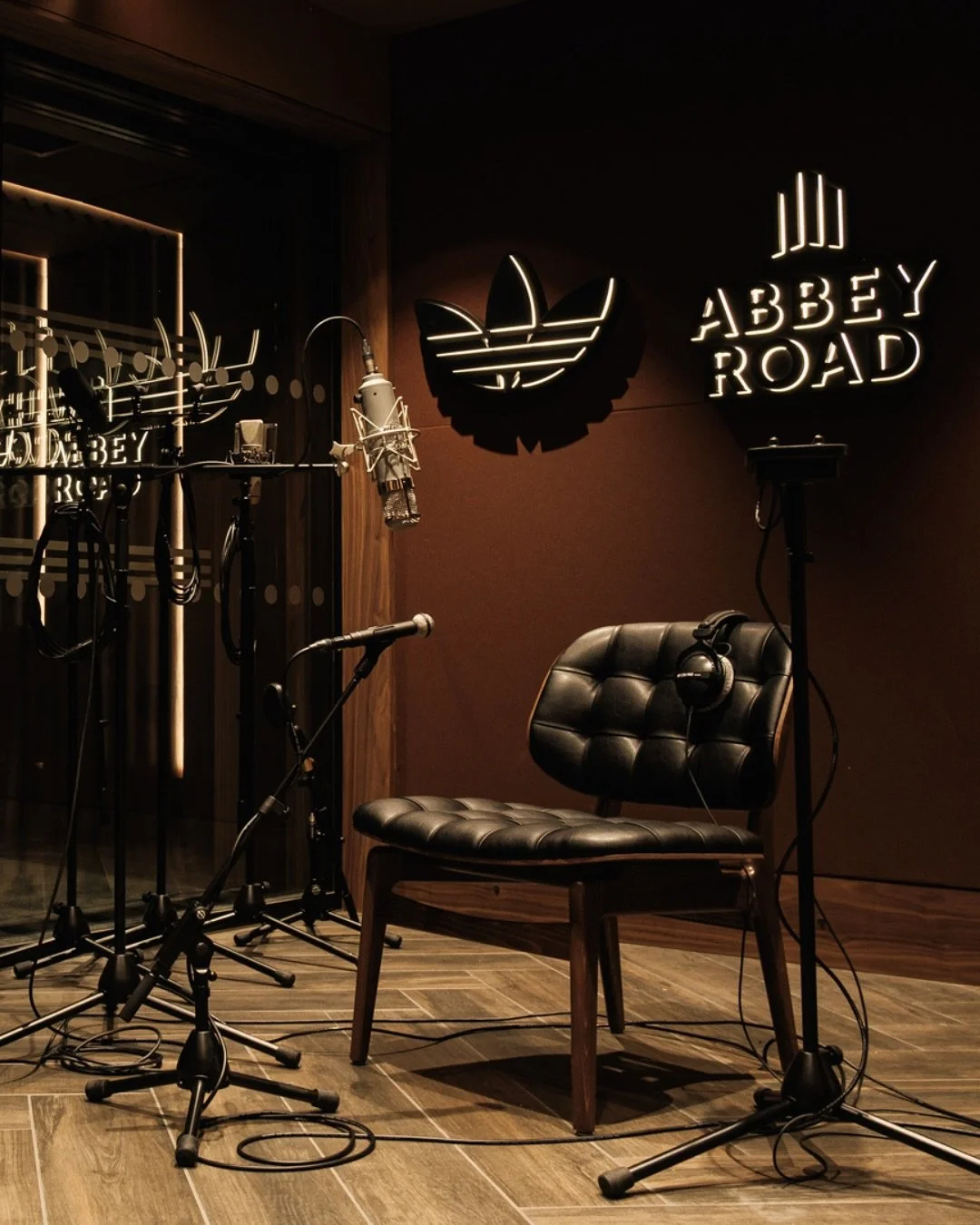
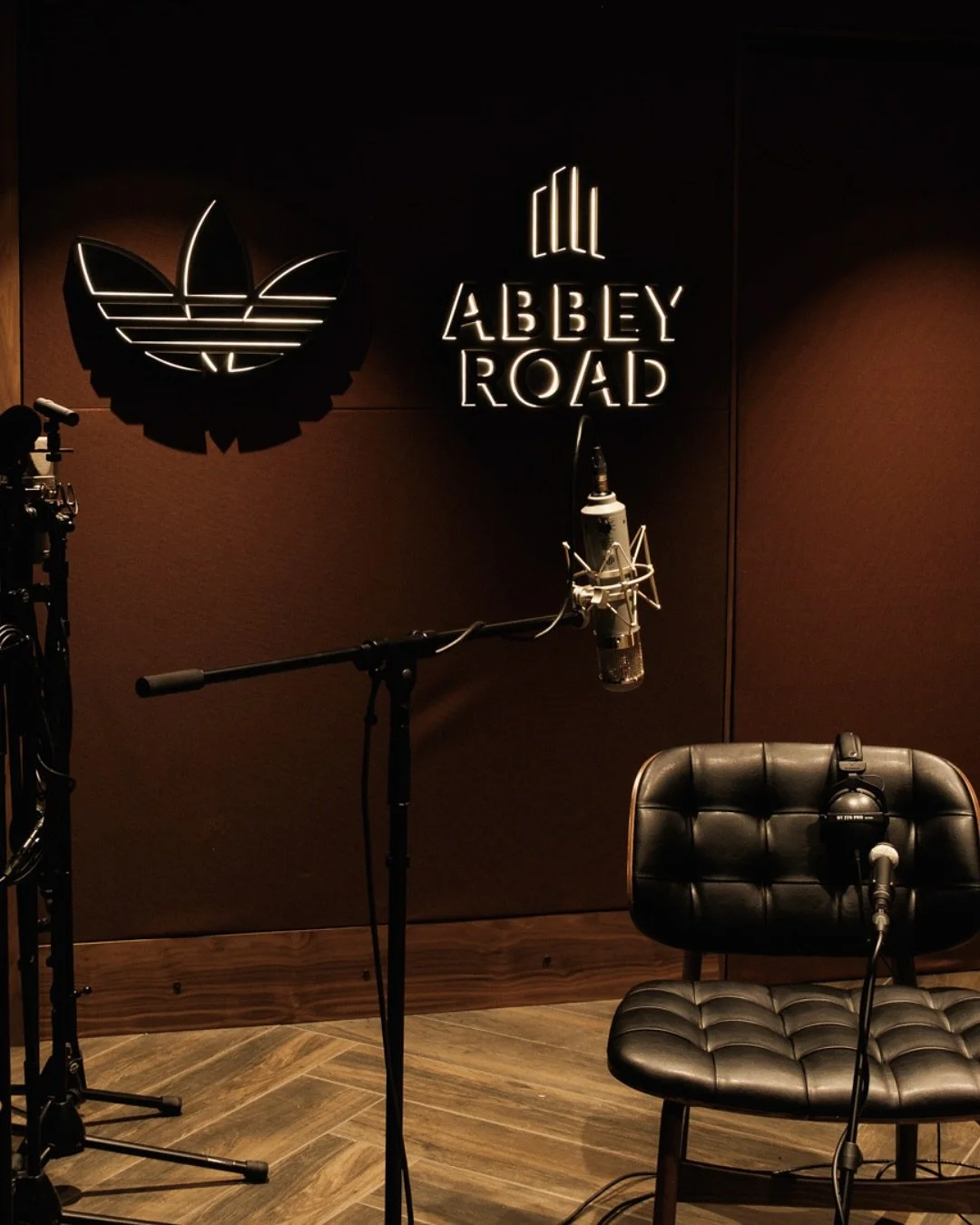
Beyond Branding: adidas Originals, Abbey Road & Factory International Redefine Access in Music

In the world of creative collaborations, some partnerships go beyond the traditional, pushing boundaries to reshape industries. The new adidas Originals Recording Studio in Manchester, designed in partnership with Abbey Road Studios and Factory International, is a perfect example of this type of cultural intervention. This isn’t just a branding exercise; it’s a reimagining of what music access and creative infrastructure can look like in the modern age.

A Studio with Substance

When we think of world-class studios, Abbey Road is almost synonymous with music history. Known for shaping the sound of countless legends, its involvement in this Manchester project isn’t just a co-sign; it’s a stamp of excellence. The idea of bringing Abbey Road’s engineering expertise into a space designed for the next generation of artists is a game-changer.

But it’s not just about the technical capabilities; it’s about creating an environment where rising talent can flourish. The new studio will offer expert-led sessions with Abbey Road engineers, providing hands-on learning and mentorship that most emerging artists only dream of. This is a space where the craft of music-making meets real-world experience, creating opportunities that are often inaccessible to the underrepresented talent who need them most.

Why Manchester Matters

While London has traditionally been the creative epicentre of the UK, Manchester has always had a rich and distinct musical identity. From the iconic Factory Records to the pulsating energy of The Haçienda and beyond, the city’s impact on global music culture cannot be overstated.

By situating this world-class studio within Co-op Live, the UK’s largest arena, adidas Originals, Abbey Road, and Factory International are not just creating a studio, they’re putting it at the heart of a cultural movement. And perhaps most importantly, they’re doing so in Manchester, a city known for its cultural vibrancy but often overlooked in terms of investment in creative infrastructure.

This strategic location decentralises access and levels the playing field, ensuring that artists don’t have to move to London or other major cities to get the exposure or resources they need. It’s a bold step toward empowering artists right where they are.

Built by Giants, Designed for Underdogs

The involvement of Factory International, a key player in the UK’s cultural landscape, further strengthens the project’s authenticity. Known for their commitment to progressive arts and culture, Factory International has long been at the forefront of bringing new ideas and new voices into the public consciousness. Their participation ensures that this studio isn’t just a state-of-the-art facility, it’s a space with vision, one that understands the importance of creative access and cultural empowerment.

This isn’t a place just for established stars; it’s for the underdogs, the emerging talents who are often sidelined by the mainstream industry. With the backing of adidas Originals, a brand known for amplifying creativity, this studio offers the tools, mentorship, and space that many artists would otherwise be excluded from.

Beyond the Studio

The adidas Originals Recording Studio is a prime example of how brands and cultural institutions are evolving. It’s no longer enough to just throw up a logo and call it a day. True cultural relevance requires action, and this collaboration is an investment in the future, not just in music, but in the creative community at large.

This studio will serve as a platform for underrepresented talent, offering them the chance to grow in a safe, state-of-the-art space. It’s not just about creating music; it’s about opening doors to new opportunities, collaborations, and industries. It’s a space for learning, experimenting, and thriving.

This project also highlights a larger trend in the industry: brands and cultural institutions that are serious about cultural equity and access will stand the test of time. This isn’t a one-off; it’s part of a shift toward building lasting cultural infrastructure that benefits everyone, not just a privileged few.

Final Thoughts

The adidas Originals Recording Studio in Manchester is much more than a new creative space; it’s a reflection of a growing movement within the music industry to democratise access to world-class resources. By partnering with Abbey Road and Factory International, adidas Originals is doing more than selling a product, they’re fostering a community.

In a landscape where so many aspiring artists struggle to break through, this collaboration offers a rare opportunity for mentorship, exposure, and growth. It challenges the traditional dynamics of the music industry, creating a new model for what creative spaces can, and should, look like. This is about more than branding. It’s about building a legacy.

And it all starts in Manchester.

497777265_18515458582019809_1982081960885004212_n.jpg
497742045_18515458621019809_6324445663930520568_n.jpg
497724276_18515458639019809_2370817468186267875_n.jpg
497388350_18515458600019809_6119122919363132449_n.jpg
497329477_18515458630019809_4315415028021648467_n.jpg
497285003_18515458594019809_574605392296655800_n.jpg
497250434_18515458609019809_3208225282097479403_n.jpg
categories: Music, Culture, Impact
Wednesday 05.14.25
Posted by Vicky Elmer
 

The Great Escape 2025: A Comeback Year, A Cultural Constant

Each May, The Great Escape turns Brighton into something electric; a seaside labyrinth of sound, sweat, discovery, and endless dashes between tiny venues. As someone who worked closely on this festival during my time at MAMA Group, I’ve seen first-hand how it evolved from a beloved industry weekender into Europe’s most vital launchpad for new music.

But 2025 feels like more than just another year.

This year’s event is a reset, not just for the festival, but for the spirit of independent music culture itself. Free from those corporate ties, the energy feels recalibrated. The bookings are bolder. The buzz is back.

And with SXSW London waiting in the wings, The Great Escape 2025 is making its mark more clearly than ever: intimate, urgent, and absolutely unmissable.

Why TGE Still Matters

The Great Escape has never been about scale. It’s about proximity — to the stage, to the artists, and to the moment before something explodes. It’s the only place you might see a future headliner in a 120-cap basement venue, then again three hours later playing a beach stage to a swelling crowd already obsessed.

This year, the programming is the strongest it’s been in a decade. Not just in volume, but in vision, showcasing radical new voices, high-concept artistry, and those quietly thrilling acts on the cusp.

Here are just a few names you absolutely shouldn’t miss:

Sim0ne
Once a bedroom DJ, now BBC Radio 1’s Future Star and Lana Del Rey collaborator, sim0ne is bringing euphoric, high-energy sets that blend hard house, happy hardcore, and emotional peaks. Her viral Boiler Room set proved she’s more than hype, she’s the future.

Westside Cowboy
Winners of Glastonbury’s Emerging Talent Competition and already a sensation with just two singles, this band has four chances to win you over. A must-see for anyone chasing bragging rights.

Corto.alto
Glasgow’s genre-fluid jazz innovator, blending broken beat, dub, and digital production into something totally alive. Playing three times — and absolutely worth catching more than once.

Kousto
Dreamy French disco for sun-soaked moments, with nods to Jacques Cousteau and co-signs from Honey Dijon and Folamour. If you’re craving something immersive and vibey, Kousto is essential.

Ziyad Al-Samman
Think psychedelic disco-pop with Prince swagger and Jordanian soul. A livewire performer who delivers joy and chaos in equal measure. His debut EP Pleasure Complex is a serotonin rush.

Pem
Vocals so distinctive they feel peerless, part of what made her Cloud Work EP one of 2024’s underground gems. Her solo church set will be a spiritual moment, full stop.

KÄSSY
A sonic shapeshifter channeling beauty, chaos, apathy and euphoria all at once. Her music defies definition, just know you won’t forget it.

Luvcat
A Liverpool goth-pop siren with a backstory that reads like a novel: Parisian circus stints, sailor adventures, and tracks that drip with Cure-style drama. Five singles in, this is likely her last small-room tour.

Mandrake Handshake
Seven to ten members strong (depending on the day), their psych-drenched wall of sound is impossible to stand still to. A must for fans of groove, movement, and maximalism.

Witch Post
A duo born out of coincidence, two artists from towns named Alaska, one in the US, one in Scotland, now crafting some of the year’s most addictive indie-electronic tracks. Expect chemistry and killer melodies.

Not Just Another Showcase

The Great Escape has always been more than a festival. It’s a collision point for artists, agents, fans and friends. For deals inked on napkins. For long-lost collaborators reunited in queue lines. For the buzz in the pub afterward when everyone says, “Did you see that?”

And while SXSW London may grab headlines this year, TGE will remain the proving ground, the sweaty, sprint-between-venues, sleep-when-you’re-dead home of real discovery.

So lace up your most comfortable trainers. Stretch. Hydrate. And prepare to fall in love with the future of music, one tiny stage at a time.

Here’s to late nights, breakout sets, and seaside magic; have a killer week, TGE fam.

categories: Music, Culture, Impact
Tuesday 05.13.25
Posted by Vicky Elmer
 

Loewe x On: A Collaboration That Strikes a Familiar Tone

Loewe and On’s latest Spring/Summer 2025 collaboration introduces a new iteration of their Cloudventure shoe and a ready-to-wear line designed to blend high-performance sportswear with luxury aesthetics. While the collection offers a familiar mix of technical innovation and refined design, it also raises questions about how far the two brands are willing to push the envelope when it comes to merging functionality with high fashion.

Cloudventure Loewe 2: Balancing Performance and Style

The standout piece in the collection is the Cloudventure Loewe 2 running shoe. Building on the duo’s first footwear collaboration, this design incorporates On’s signature Cloudtec® technology with Helion™ super foam for comfort and Missiongrip™ rubber for traction. The result is a shoe that performs well on various terrains, but when it comes to style, it feels more like an evolution than a revolution. The semi-translucent mesh and textured Loewe Anagram add some visual interest, but the overall design doesn’t feel as innovative or bold as one might expect from a collaboration between these two brands.

While the shoe delivers in terms of functionality, it struggles to fully capture the excitement that many anticipated from this luxury-sport partnership. It’s a solid performance shoe, but it doesn’t quite push the boundaries of footwear design in a way that stands out in a crowded market.

Ready-to-Wear: A Solid but Safe Offering

The ready-to-wear pieces, which include technical outerwear like ripstop shell jackets and active jersey T-shirts, continue the outdoorsy, performance-driven theme. The items look polished and functional, but they don’t introduce much newness to the conversation. While the campaign imagery, set in the rugged terrain of Les Costes Males near Barcelona, conveys a sense of adventure, the clothing itself doesn’t take many risks in terms of design.

The functional outerwear and sportswear pieces are well-made but don’t seem to push the envelope in terms of either style or technical innovation. It’s a solid collection, but it lacks the spark that could set it apart from other outdoor-focused apparel.

The Campaign: Setting the Scene

The campaign, shot by George Eyres, presents an intriguing mix of athletes and performers, from rock climbers to dancers, against the stunning backdrop of Barcelona’s natural landscape. While the campaign successfully captures the spirit of adventure that the collection aims to evoke, it sometimes feels like the clothing and shoes themselves don’t quite live up to the energetic imagery. The dynamic cast contrasts with the more understated nature of the actual products, leaving a sense of disconnect between the collection’s promise and its delivery.

What Works: Quality and Craftsmanship

Despite some of the design elements feeling safe, it’s important to recognize the craftsmanship that Loewe brings to the table. The use of high-quality materials is evident in the Cloudventure Loewe 2, and there’s an elegance in the way the brand integrates its signature Anagram motif into the shoe’s design. While the collaboration may not push boundaries in a groundbreaking way, the attention to detail and thoughtful design is still apparent.

Final Thoughts: A Solid, but Familiar Collection

At its core, the Loewe x On collaboration is a well-executed blend of performance and luxury. The Cloudventure Loewe 2 offers a comfortable, functional shoe, while the ready-to-wear collection delivers solid, technical outerwear and sportswear pieces. However, despite the quality and thoughtfulness behind the design, the collection doesn’t feel as daring or innovative as one might hope. It’s a safe, polished effort, but it doesn’t take many risks in terms of style or functionality.

While this collection may not be a game-changer, it shows that both brands are committed to producing high-quality, functional gear with a touch of luxury. The question remains: Will their next collaboration take bolder steps, or will it continue to play it safe?

categories: Fashion
Thursday 05.08.25
Posted by Vicky Elmer
 

Reliving the Miracle: How Carlsberg and Liverpool FC Capture the Spirit of 2005

In the world of sports, some moments transcend the game and become cultural milestones that resonate far beyond the stadium. The 2005 UEFA Champions League Final, known affectionately as the “Miracle of Istanbul,” stands as one of these moments. Liverpool FC’s legendary comeback from a 3-0 halftime deficit to triumph on penalties remains an incredible football match, symbolizing hope, resilience, and collective joy that continue to inspire millions worldwide.

Why the Miracle Still Matters

Twenty years later, the Miracle of Istanbul remains a defining moment in football history and serves as a reminder that no game ends until the final whistle. It represents the unpredictability of sport alongside the unyielding spirit of a team that refused to give up. For Liverpool fans around the globe, it holds pride and identity, woven into the fabric of their community and shared memories.

The match’s cultural significance extends beyond football fans. It has become a broader symbol of perseverance and is often referenced in stories about overcoming adversity in life and business. The Miracle of Istanbul reflects the belief that miracles can happen when passion, determination, and teamwork come together.

Carlsberg’s Role in Celebrating Heritage

Carlsberg, a long-time partner of Liverpool FC and a brand associated with celebration and camaraderie, launched the limited-edition Miracle Can as a tribute. This visually striking design combines Liverpool’s iconic red with Carlsberg’s signature green, inviting fans to revisit history one sip at a time.

The can features time stamps that highlight key moments from the 2005 match, turning it into a cultural artifact. It offers drinkers a way to connect directly with the emotional rollercoaster of that night in Istanbul, making the memory tangible in everyday life. This approach to storytelling through packaging illustrates how brands deepen emotional connections by tapping into shared cultural moments.

Legends Reunited: A Bridge Between Past and Present

The short film accompanying the launch reunites Liverpool legends Jerzy Dudek, Sami Hyypiä, and Vladimír Šmicer. Their presence brings a narrative that feels both nostalgic and fresh. Hyypiä’s operatic rendition of Allez Allez Allez and Dudek’s gloves, symbolizing heroic saves, transform the can into a vessel of memory and myth.

This reunion appeals to long-time supporters and invites newer generations to experience the magic of the Miracle Match. It demonstrates how storytelling in sport continues to evolve, blending personal memories with branded experiences that unite communities across time.

The Broader Cultural Impact

The collaboration between Carlsberg and Liverpool FC reflects a wider cultural trend where brands serve as custodians of collective memory. In an era dominated by digital storytelling, limited-edition releases and emotionally charged campaigns help anchor brands within cultural narratives that matter to their audiences.

Furthermore, sports and the stories they create act as powerful cultural touchstones that foster identity, belonging, and shared celebration across generations.

The Miracle Can and its accompanying film do more than commemorate a historic game. They celebrate the enduring power of sport to inspire and unite. Twenty years after the whistle blew in Istanbul, the Miracle of 2005 lives on in trophies, highlight reels, and most importantly, in the hearts of fans and the culture of resilience it represents.

categories: Sport
Thursday 05.08.25
Posted by Vicky Elmer
 

Proposed 100% US Tariff on Foreign Film Production. What This Means for the Global Industry

Proposed 100% US Tariff on Foreign Film Production. What This Means for the Global Industry

The US administration’s proposed 100% tariff on films produced outside the US has caused quite a stir in the global film community. The ripple effects could have far-reaching consequences, particularly for the UK film industry. Here’s a breakdown of why this matters:

The Facts:

  • $22.6 billion: The US film industry generates over $22.6 billion in exports annually, with a trade surplus of $15.3 billion.

  • International Collaboration: Major Hollywood productions rely on global partnerships, from filming locations and VFX to post-production work.

  • The UK’s Role: The UK is a crucial partner in these collaborations, offering world-class studios, skilled crews, and a competitive tax relief system that has made it an attractive base for major productions.

  • Tariff Impact: A 100% tariff on foreign-produced films could disrupt the international production flow, decreasing the number of US films choosing to shoot in the UK and potentially affecting inward investment.

  • Retaliatory Measures: This move could prompt retaliatory measures from other countries, which could have a significant impact on the international box office, a key revenue stream for US studios.

  • The Global Streaming Landscape: Streamers like Netflix and Amazon already produce a significant portion of their content outside the US, with the UK being a major hub in this global network.

What’s at Stake for the UK:

The UK benefits greatly from US productions, with over 80,000 jobs in film and TV directly supported by this collaboration. If this tariff is implemented, the UK could face:

  • Reduced investment and fewer US productions filmed in the UK

  • Potential job losses across the UK’s screen sector, which would affect not just crew, but wider industries that rely on production

Global Implications:

This proposal signals a shift towards protectionism and isolationism at a time when the film and TV industry has become more globalised than ever. The UK’s role as a leading production hub could be at risk if these trade barriers take hold. The global nature of film and TV production is essential to its ongoing growth, and any step back from international collaboration could disrupt the industry’s momentum.

For the UK film industry, this is a critical moment to reaffirm its position as a global leader in production. With world-class talent, infrastructure, and tax incentives, the UK must continue to advocate for international cooperation and ensure its role at the heart of global production remains strong.

Conclusion: The potential for retaliatory tariffs and disruptions in international production highlights the need for the UK and the global film community to stay focused on maintaining open channels for cross-border collaboration. This is a global issue that will shape the future of film and TV for years to come.

categories: Impact
Monday 05.05.25
Posted by Vicky Elmer
 

The Cultural Power of Charity: London Marathon 2025 and Its Unstoppable Impact

Every spring, the streets of London are transformed into a living testament to human spirit, endurance, and generosity. The London Marathon, now in its 45th year, is more than just a race — it's a cultural phenomenon that binds together athleticism and altruism like few events can.

This past Sunday, a record-breaking 56,640 runners crossed the finish line of the 2025 TCS London Marathon. But beyond the finish times, what truly matters is the tidal wave of charitable giving powered by the event.

The Marathon’s Monumental Charitable Impact

  • 56,640 finishers in 2025 — the highest in the event’s history.

  • £73.5 million raised in 2024 — the largest single-day fundraising total in the world at the time.

  • Over £1.2 billion raised for charities since the marathon began in 1981.

  • An estimated 75% of participants run in support of a charity.

  • Thousands of charities represented each year, from global NGOs to small local causes.

  • Donations for 2025 are still coming in, with hopes high for another record-breaking year.

What makes the London Marathon culturally powerful is not just its scale but its soul. It's a rare global event that blends personal ambition with public good — a platform where ordinary people become extraordinary fundraisers, many running for causes that have touched their lives directly.

Whether they’re raising money for cancer research, mental health support, veterans’ services, or youth education, every runner is part of something much larger than themselves.

Why It Matters

In a time when global headlines often focus on crisis and division, the London Marathon offers a compelling counter-narrative: one of unity, empathy, and hope. It’s a vivid reminder of what we can accomplish when passion meets purpose — not just as individuals, but as a community.

As 2025’s donations continue to roll in, one thing is certain: the London Marathon remains one of the most culturally relevant and socially impactful events in the world.

categories: Impact, Sport, Culture
Tuesday 04.29.25
Posted by Vicky Elmer
 

Hollywood at a Crossroads: What the Decline of LA Film Production Means for Culture

For over a century, Hollywood has been more than just an industry, it has been the beating heart of global storytelling, the architect of dreams, and a cornerstone of modern culture. To speak of Hollywood was to speak of ambition, imagination, and the uniquely American idea that reinvention was always possible.

Today, that heart is under strain.


The latest data shows that film and television production in Los Angeles is at historic lows, with location shoots, pilot orders, and even music scoring sessions sharply down. While California still boasts the world's fourth-largest economy, the particular ecosystem of creativity, the interlocking community of writers, technicians, actors, designers, and craftspeople, faces real challenges to its survival.

This is not a sudden collapse, but a slow hollowing-out. Global competition from cities like Atlanta, London, Toronto, and Sydney, many of which offer aggressive financial incentives, has eroded California's once unchallenged dominance. Where Hollywood once stood alone, it now fights to remain one production hub among many.

It would be easy to frame this as simply a matter of economics. Tax credits, cheaper labour markets, and political inertia certainly play a role. But what’s at stake is deeper than lost revenue. Hollywood’s decline threatens a unique cultural infrastructure, an entire city built around the making of myths.

When we lose that infrastructure, we don't just lose jobs, we lose a living tradition of craftsmanship that connects the silent era to the streaming era, Chaplin to Chazelle. The “below-the-line” workers, the grips, carpenters, editors, costume designers, are not just employees; they are custodians of a generational knowledge base that cannot easily be rebuilt elsewhere.

The risk is not that Hollywood disappears altogether. It is that it becomes a brand name without a real community behind it, a Potemkin village of a cultural capital. If that happens, it would mirror a broader story we have seen elsewhere in American life: the slow displacement of middle-class creators by market forces they cannot control, and the resulting loss of collective memory and shared artistry.

We have seen this before. The decline of Detroit's auto industry was not just an economic story; it was a cultural one. Detroit once symbolised American ingenuity, strength, and the dignity of industrial labour. Its fall left a psychic wound that the city is still healing decades later. If not careful, Hollywood could face a similar fate, not as a deserted landscape, but as a diminished force in our shared cultural imagination.

And yet, there is still time.

California’s proposed expansions to film and TV tax credits, the resilience of its creative workers, and the deep-rooted infrastructure of studios and agencies offer a foundation for renewal. But renewal will require more than tax breaks. It will require leadership that values culture as more than a commodity, that sees the making of stories as vital work, deserving of investment, respect, and protection.

Hollywood's story has always been one of reinvention. The question is whether it can now reinvent itself in a way that preserves not just its profitability, but its cultural soul.

We should all care about the answer.


Because when the dream factory goes quiet, it’s not just Los Angeles that loses something, it’s all of us.

Monday 04.28.25
Posted by Vicky Elmer
 

Wrexham AFC: How a Tiny Welsh Club Became a Global Cultural Powerhouse

When Hollywood actors Ryan Reynolds and Rob McElhenney purchased Wrexham AFC in 2021 for just $2.5 million, few could have predicted the cultural phenomenon that would follow. Wrexham, a historic football club founded in 1864, the third oldest professional club in the world, was languishing in the fifth tier of English football. Today, they are a global brand, a case study in modern sports marketing, and remarkably, only one step away from the Premier League after achieving promotion in three consecutive seasons.

The magic formula has been much more than just financial investment. Reynolds and McElhenney brought storytelling, authenticity, and a deep understanding of modern fandom to the club. Their hit docuseries, "Welcome to Wrexham," which streams on Disney Plus, became a breakout success, attracting audiences who previously knew little or nothing about football, or Wrexham itself. The series humanised the club and the town, blending the grit of lower league football with the glamour of Hollywood in a way that felt deeply personal and refreshingly real.

The results have been staggering:

  • Wrexham's social media following has grown by over 3 million across platforms, outpacing many Premier League clubs.

  • The club now generates around $35 million annually in revenue, a dramatic rise from its pre-takeover financial state.

  • The stadium, the Racecourse Ground, has sold out match after match, and Wrexham merchandise is now a common sight not just in Wales, but in cities like New York, Tokyo, and Sydney.

Part of the club’s remarkable cultural ascent is down to Ryan Reynolds' own marketing genius. His production company, Maximum Effort, has a reputation for creating clever, emotional, viral marketing campaigns. The Wrexham project has been no different. Maximum Effort has masterfully combined humour, sincerity, and narrative to transform the club into a brand that resonates worldwide. Reynolds' ability to inject charm and authenticity into every venture he touches has turned Wrexham from a local institution into a global cultural symbol.

This transformation of Wrexham is not merely a football story. It is a snapshot of modern cultural relevance at its finest. In today’s hyper connected world, sports franchises are no longer just local clubs; they are global brands, lifestyle touchpoints, and storytelling vehicles. Wrexham’s rise shows how traditional institutions can be revitalised by pairing deep rooted authenticity with high emotion media storytelling.

Beyond Wrexham, there is a broader trend unfolding. The blending of celebrity, entertainment, and legacy sports properties is changing the landscape. Whether it is David Beckham’s Inter Miami CF signing Lionel Messi, or YouTubers buying stakes in lower league teams, culture and commerce are intersecting like never before. In many ways, Wrexham has become the blueprint, showing that authenticity, narrative, and community can be as powerful as star signings and trophy cabinets.

And the story is far from finished. With just one more promotion needed to reach the Premier League, Wrexham stands on the brink of a fairy tale ending that even Hollywood would find hard to script.

In an era where attention is currency, Wrexham AFC is richer than ever.

You can check out the industry engagement on this story here:

categories: Impact, Sport
Saturday 04.26.25
Posted by Vicky Elmer
 

Pinterest at Coachella: When Trend Forecasting Becomes Real-World Influence

Coachella has always been more than just a music festival, it’s a cultural canvas, a barometer for style, and a live-action moodboard for what’s next. And in 2025, one platform quietly, yet powerfully, helped shape the entire aesthetic landscape of the festival: Pinterest.

While most brand activations at Coachella aim for viral moments and influencer buzz, Pinterest took a more layered approach,  one rooted in data, relevance, and cultural intuition. The result? A standout presence that didn’t just complement the festival experience, it helped define it.

The Source of Style: How Pinterest Predicted the Festival Look

Pinterest has always been a hub for inspiration, but ahead of Coachella 2025, the platform became a style authority. By analyzing millions of user searches tied to the festival, Pinterest was able to forecast the top aesthetics Gen Z and fashion-minded audiences were gravitating toward, including emerging trends like Dark Ethereal and Pastel Goth.

But it didn’t stop at trend prediction. Pinterest also surfaced how festival-goers were remixing and personalising these styles. The platform showcased a new wave of self-expression: blending references, layering aesthetics, and making the look their own. That level of cultural sensitivity, backed by real-time user behaviour, made Pinterest a powerful guide for anyone planning their Coachella fits.

The Manifest Station: Turning Inspiration Into Action

On the ground, Pinterest brought its digital influence into the real world with the Manifest Station, an immersive activation designed to help attendees explore and embody the trends they’d been Pinning for weeks.

The experience featured curated style boards from celebrity stylists, interactive displays, and, most importantly, free on-site glam teams ready to help anyone bring their look to life.

And they meant anyone. As Pinterest put it:

“You don’t have to be Chappell Roan to have our free on-site stylists make all your festival dreams come true.”

(Though Chappell Roan did show up, which made the moment all the more iconic.)

This approach created a rare balance: it honoured the influencer ecosystem while making space for the everyday user to feel seen, celebrated, and styled.

Measurable Impact, Cultural Resonance

Pinterest didn’t just make a splash visually, the impact was measurable. The platform saw a significant spike in engagement tied to Coachella-related searches: from outfit planning and accessories, to hair, nails, and makeup. Users weren’t just inspired; they were activated.

Pinterest had successfully moved from moodboarding to meaningfully influencing how festival-goers prepared, dressed, and expressed themselves, both online and IRL.

Why This Strategy Worked

In an age where influencer-driven activations can feel exclusive or performative, Pinterest chose a smarter path — one that recognises both the power of creators and the value of the broader community.

By embracing a both/and mindset, prioritising big cultural moments and everyday self-expression, Pinterest delivered an experience rooted in relevance, accessibility, and authenticity. It showed that cultural leadership isn’t just about who you platform, but how you empower the full spectrum of your audience.

For brands watching from the sidelines: this is the blueprint.

categories: Music, Culture, Beauty, Tech
Monday 04.14.25
Posted by Vicky Elmer
 

What the IDA x Guinness “Never Settle” Boot Tells Us About the Future of Sport

What the IDA x Guinness “Never Settle” Boot Tells Us About the Future of Sport

A Boot Designed for Women. Finally.
The launch of the IDA x Guinness “Never Settle” Boot ahead of the 2025 Guinness Women’s Six Nations is more than a product drop. It is a bold and overdue correction. A signal that the sporting world is beginning to take women seriously not only as athletes but as innovators and leaders in performance.

Let us be clear. Until now, elite women athletes were still expected to wear boots designed for the male foot. A detail that sounds small until you understand the consequences. Compromised fit. Increased injury risk. And a quiet but persistent message that the women's game was less worthy of investment.

Co Created with the Women Who Wear Them
This new boot changes that. Designed from the ground up for women who play on soft ground, the Never Settle Boot is the result of years of research, data and dialogue between IDA Sports and those on the pitch. That dialogue is crucial. This was not innovation done to women. It was innovation done with women.

A Brand with Cultural Backbone
By aligning with IDA, Guinness has not just created a marketing moment. They have stepped into the arena as a brand willing to challenge norms and influence industry standards. This is not performative support. It is purposeful action. From TV coverage to product development, Guinness continues to show how cultural impact is built through consistency, collaboration and a refusal to accept the status quo.

It is great to see Guinness supporting women’s sports in such a meaningful way. The IDA x Guinness Never Settle Boot is a practical and impactful step towards giving female athletes the footwear they deserve.

With Deloitte projecting global revenues in women’s sport to hit 2.35 billion dollars in 2025, it is clear the momentum is there. Yet, as FIFA’s latest report shows, the financial model for many women’s leagues is still lagging. Initiatives like this not only meet the needs of athletes but also send a strong message about the value of investing in women’s sport. The brands leading this charge are the ones shaping its future.

Elite Athletes as Innovation Partners
The limited edition boot, exclusive to players in this year’s Championship, makes its debut in real competition worn by standout athletes from across all six nations. Edel McMahon, Megan Jones, Jasmine Joyce and others are not only wearing the boots, they shaped them. Their insights have helped IDA refine every element, from fit to stud placement, to truly meet the demands of the modern game.

This Is Not Just a Boot. It Is a Blueprint.
And that is what cultural relevance in sport looks like in 2025. It is not about badges of honour or empty slogans. It is about recognising where the gaps still are and closing them with intentional, meaningful design. It is about treating women's sport not as a side project, but as the powerful, growing and culture defining force it is.

The Never Settle Boot will hit the wider market after the Championship. But its cultural footprint has already begun.

categories: Impact, Sport
Monday 03.24.25
Posted by Vicky Elmer
 
Newer / Older