• Work Overview
  • About
  • Partnerships
  • Testimonials
  • On The Record
  • Substack
  • Linkedin

Vicky Elmer

(née Beercock) | VP of Global Communications & Marketing | Brand, Culture, Reputation

  • Work Overview
  • About
  • Partnerships
  • Testimonials
  • On The Record
  • Substack
  • Linkedin

📱 TikTok's US Reinvention: What It Means for Brands, Creators and Culture Marketers

TikTok is preparing to split. According to The Information (July 7, 2025), the platform is developing a U.S.-specific version of its app ahead of a possible sale to American investors. The redesigned app could hit U.S. app stores by 5 September, with users expected to migrate fully by March 2026.

This development is driven by U.S. political pressure: former President Donald Trump confirmed discussions with China are set to resume, stating a deal is “pretty much” in place. But Beijing’s stance on ByteDance divestment remains unclear, especially following tariff escalations earlier this year.

For brand and creator marketers, this is more than a policy story. It’s a shift in the infrastructure behind the most culturally potent social platform in the U.S., home to over 135 million monthly active users, and a key engine for youth trends, creator commerce, and real-time content discovery.

✅ Pros: What Could Work in Marketers’ Favour

Platform continuity, with political cover
If a U.S. version helps TikTok avoid a ban, the platform gets a new lease on life with less regulatory uncertainty. That brings much-needed stability to brands and creators who’ve held back due to legal ambiguity.

Opportunity for region-specific innovation
A U.S.-operated version could develop custom tools, formats and features tailored to domestic user behaviour and commercial needs. Think: better brand safety controls, integrated commerce, or enhanced first-party data access.

Potential return of cautious advertisers
TikTok’s U.S. ad revenue is expected to grow from around $10 billion in 2024 to over $14 billion in 2025. A U.S.-sanctioned version could trigger budget reallocation in Q4 and beyond, especially among marketers seeking a stable, scalable alternative to Meta or YouTube.

First-mover advantage during relaunch
If TikTok reframes itself publicly around the U.S. launch, early brand partners could benefit from increased visibility, promotional support, and platform favouritism.

❌ Cons: Risks and Limitations to Monitor

Fragmentation across markets
Two versions of TikTok could mean diverging algorithms, user interfaces, or product roadmaps. Global campaigns may require localisation not just in message, but in platform mechanics.

Friction in user migration
Users will need to download a new app by March 2026. That opens up a window of churn, confusion, and content drop-off - especially among less tech-savvy or casually engaged users.

Creator monetisation could stall
If monetisation tools (Creator Fund, gifts, brand collabs) lag during the transition, top creators may diversify to other platforms. That threatens TikTok’s cultural edge and brand reach.

Continued political exposure
Even if the app relaunches under U.S. ownership, regulatory scrutiny won’t vanish. Data practices, content moderation, and youth safety remain open targets for legislation.

⚠️ Watchouts for Brand, Creator and Influencer Marketers

  • API and data access may change. Campaign measurement tools and analytics platforms could experience lags or require re-integration with the new U.S. app.

  • Influencer performance benchmarks may reset. If engagement metrics shift due to user drop-off or algorithm tweaks, influencer rates and ROI models may need recalibration.

  • Paid media planning needs agility. Paid placements might face a brief pause or changes in approval processes. Flexibility in budget allocation will be key.

  • Creator contracts may need updating. Usage rights, timelines, and KPIs tied to TikTok activations should account for app migration scenarios and audience volatility.

📌 Key Takeouts

  • TikTok is developing a new U.S.-specific app, reportedly launching 5 September 2025, with full user migration expected by March 2026.

  • 135M+ U.S. monthly users and 1.6B+ globally are affected—core audiences for creator-led campaigns.

  • Global ad revenue exceeded $23B in 2024, with U.S. revenue expected to hit $14B+ by end of 2025.

  • If TikTok is pulled from the U.S., up to $8.6B in ad spend could migrate to competitors like Instagram and YouTube.

  • This shift is both a risk and an opportunity for brands ready to move quickly and creatively.

🎯 Next Steps for Brand Marketers

  1. Map exposure to TikTok U.S.
    Audit current spend, creator partnerships, and campaign dependencies. Identify key risks and backup plans.

  2. Scenario-plan for split platforms.
    Develop strategies for U.S.-only TikTok operations, especially if global features diverge or if content must be localised for performance.

  3. Engage creators early.
    Proactively brief creator partners on what’s known, plan long-term relationships, and be ready to support their transition between versions.

  4. Monitor platform announcements closely.
    Watch for updates to commercial policies, new ad tools, and the timeline of deprecation for the old app.

  5. Stay agile across your short-form mix.
    Invest in creative flexibility that can move between TikTok, Reels, Shorts, and emerging formats as needed.

TikTok’s U.S. reboot marks a new phase in the platform’s evolution - from global disruptor to regional battleground. For marketers, it’s not just about brand presence. It’s about preparedness, speed of response, and having the right creators in your corner as the next version of TikTok takes shape.

categories: Culture, Impact, Tech, Music, Beauty, Fashion, Gaming, Sport
Wednesday 07.09.25
Posted by Vicky Elmer
 

How Unilever Used AI to Make Soap Go Viral: Culture Meets Content at Scale

Unilever’s cookie-scented Dove drop didn’t just clean up on TikTok - it scrubbed away any lingering doubt that AI-powered, creator-led marketing is the new playbook for FMCG relevance. This campaign offers a sharp case study on how big brands can marry technology and culture to drive sales and social clout. But it’s not without its trade-offs. Let’s break it down.

🔍 Campaign Recap: The Scent of Success

To launch its limited-edition Crumbl cookie-inspired Dove body care line, Unilever went big on scale, speed, and scent-driven storytelling. A vast influencer network helped the brand pull in over 3.5 billion earned impressions, and 52% of customers who bought the product were new to Dove. Crucially, these results weren’t just down to influencer volume - they were enabled by a smart AI-powered content infrastructure.

Unilever used Nvidia’s Omniverse platform to create digital twins of its products - down to packaging, label and language variants - and fed these into its own Gen AI Content Studios to generate thousands of visual assets a week. These assets were then deployed across its influencer network, and remixed again via AI to fit platform-specific formats and audience segments.

✅ The Pros: What Worked

1. Speed and Scale Without Creative Burnout

Unilever moved from generating “single digit” assets per month to thousands per week. That level of scale is unheard of in traditional CPG creative workflows. It gave influencers fresh, brand-ready content to work with - allowing for faster campaign launches, A/B testing, and trend responsiveness.

2. Influencer ROI That Converts

A powerful stat backs this up: 49% of consumers now make purchases monthly as a result of influencer content. In beauty and personal care, where trial is key, social validation is often more persuasive than legacy brand equity. This campaign showed that tapping into trusted creators still delivers - especially when amplified by AI-enabled formats.

3. New Customer Acquisition at Volume

The standout figure: 52% of sales came from first-time Dove buyers. That’s a strong result for a legacy brand, proving that culturally relevant limited editions can act as a brand gateway. It’s also a rare example of influencer work tied directly to incremental growth.

4. Asset Remixing for Maximum Reach

By using AI to resize, reformat and reposition creator content, Unilever extended campaign life and adapted it for each platform. From TikTok sound-on formats to Instagram carousels and Stories, the brand avoided creative fatigue and ensured higher content fit.

⚠️ The Cons: Risks and Trade-Offs

1. Too Much Volume Can Kill the Vibe

There’s a point where content volume becomes noise. Pushing thousands of branded assets per week may satisfy algorithms, but risks audience fatigue. Without strong creative direction, brands can drift into generic, forgettable content.

2. Authenticity at Risk

While influencer content performs best when it feels spontaneous, AI-optimised assets can tip into over-produced territory. If creators become mere content distributors instead of storytellers, the trust that underpins influence starts to erode. Already, over a third of marketers cite authenticity concerns when using AI-generated content.

3. The AI Influencer Question

Unilever hinted at exploring AI-generated influencers in the future. But 37% of consumers already say they find AI avatars less trustworthy than humans - raising the risk of backlash, especially in categories like skincare where emotional connection and credibility matter.

4. Lack of Guardrails

AI-generated content and virtual influencers remain largely unregulated. Only around 22% of brands currently have AI influencer disclosure guidelines, despite 78% planning to implement them. Without governance, the risk of reputational damage - through undisclosed AI usage or misleading content - is real.

🧭 Key Takeouts for Brand Marketers

1. Start with Humans, Scale with AI

The most effective campaigns still begin with culturally fluent creators. AI is a tool for scale and speed - not a replacement for taste and tone. Use it to adapt, not to dictate.

2. Put Cultural Relevance First

Don’t confuse tech innovation with cultural impact. The Crumbl collab worked because it tapped into a real trend - food-inspired beauty - not just because it used AI. Culture is the soil; AI is the fertiliser.

3. Treat Content Like Inventory

You don’t just need more content - you need the right mix, at the right time, for the right channel. Build modular content ecosystems that allow for remixing, personalisation and localisation. Think of assets as a supply chain, not a finished product.

4. Future-Proof Your AI Ethics

Start building internal playbooks for AI disclosure, content governance and creator transparency. It won’t just help mitigate risk - it will build trust with consumers and regulators alike.

🧠 Final Thought: The New Brand OS

Unilever didn’t just run a campaign - it demonstrated what the future brand operating system could look like. Creators fuel culture, AI enables distribution, and digital twins make agility real. For FMCG brands looking to remain culturally relevant and commercially viable, this is the blueprint.

But let’s not forget: while AI helps you move fast, it’s still the humans who decide where to go.

Check out the WSJ’s take here: https://www.wsj.com/articles/how-unilever-used-ai-to-make-soap-go-viral-8e723717?mod=cio-journal_lead_story

categories: Tech, Beauty, Culture
Wednesday 07.09.25
Posted by Vicky Elmer
 

On The Record Linkedin Newsletter 8th July

categories: Linkedin Newsletter
Tuesday 07.08.25
Posted by Vicky Elmer
 

Club World Cup’s Growing Pains: A Marketing Misfire or a Format in Need of Patience?

FIFA’s revamped Club World Cup should have been a landmark moment: a chance to showcase the world’s top club sides in a fresh, global tournament format. Instead, the early headlines have focused on half-empty stadiums, tepid atmospheres, and troubling stats. With over 1 million empty seats across the group stage, it’s time to ask: is the Club World Cup concept oversaturated or simply in need of refinement and time?

Let’s break down what went wrong - and how it can be salvaged.

What Went Wrong: A Marketing Miss at Every Turn

1. Confusing Value Proposition
For casual fans, the Club World Cup still doesn’t carry the same prestige as the UEFA Champions League or even domestic leagues. Marketing failed to communicate why this matters. What’s the story? What’s at stake?

2. Poor Market Fit
Hosting group stage games in large, historic venues like MetLife and the Rose Bowl might have looked good on paper, but the lack of local club connection meant empty seats and disengaged crowds. Cincinnati and Orlando saw crowds below 7,000 - that’s barely MLS level on a bad day.

3. Oversaturation and Timing
The Club World Cup now competes for attention in a calendar bursting at the seams. Players are stretched thin, clubs are reluctant, and fans are fatigued. A bloated football schedule combined with summer tournament overload (Euros, Copa América, Olympics) makes it tough to carve space.

4. Underwhelming Broadcast Impact
Despite being on primetime cable (TNT, TBS, truTV), the English-language broadcasts averaged just 360,000 viewers. For context, that’s less than an average Premier League match on NBC in the US.

Is the Market Oversaturated - or Just Not Ready (Yet)?

This is the central tension: was the Club World Cup doomed by a saturated sport marketing landscape, or does it just need time to embed?

The answer is: both.

Yes, the football calendar is saturated. The modern fan is overwhelmed by matches, and this tournament doesn’t yet have the cultural weight to cut through. But new formats always need time to grow. The UEFA Nations League, Women’s Champions League revamp, even T20 cricket faced similar scepticism early on.

The Club World Cup can work, but it needs to earn its place - not just demand it.

How FIFA Can Improve the Club World Cup

1. Anchor It in Culture
Let the host cities and regions influence the tournament identity. Right now, it’s “World Cup Lite.” To thrive, it must feel different - not just look like a scaled-down international tournament.

2. Fix the Format
Cut the number of matches. Make it tighter, knockout-based, and easier to follow. No fan wants to wade through 48 group stage games in June.

3. Align with Club and Player Needs
This can’t become another source of player burnout. FIFA must work with clubs and players’ unions to ensure sustainable travel, rest, and incentives.

4. Make the Stakes Clear
Fans follow jeopardy. Tell the story. Is this the club version of international glory? Then show why lifting this trophy matters - to fans, players, and brands.

5. Smarter Ticketing and Stadium Strategy
Stop chasing optics. It’s better to have a full 20,000-seat venue than a half-empty 60,000-seat one. Build the atmosphere first, then scale.

Conclusion: It’s Not Game Over, But Time for a Rethink

The Club World Cup isn’t a total failure - yet. But FIFA must decide if this is a genuine new pillar in global football or just a branding exercise stretched too thin.

The attendance figures don’t lie, and the player fatigue is real. But with sharper strategy, cultural grounding, and better storytelling, the Club World Cup could still become what FIFA hopes: a truly global celebration of the best in club football.

But for now? The audience isn’t buying in. Literally.

categories: Sport
Tuesday 07.08.25
Posted by Vicky Elmer
 

How TikTok's ‘Add To Music’ App Is Reshaping Streaming: What Marketers Need To Know

As music marketers, we’ve long known that TikTok is a top-of-funnel cultural engine for hits. But now, with its ‘Add To Music’ app integration, the platform is closing the loop between discovery and streaming in a way that’s both frictionless and powerful - with major implications for campaigns, fan strategy, and ROI.

After a full global rollout in 2024, TikTok’s Add To Music App feature is officially making waves. It’s earned the Music Consumer Innovation Award at the 2025 Music Week Awards and is already responsible for over one billion track saves to streaming platforms like Spotify, Apple Music, YouTube Music, Amazon Music, Deezer, and - most recently - SoundCloud.

This is a behavioural shift.

📊 High-Impact Stats Marketers Shouldn’t Ignore

  • 1+ billion tracks saved via Add To Music – TikTok

  • SoundOn-released Show Me Love by WizTheMC hit No.3 in the UK and has clocked 446,009 units in consumption (Official Charts Company)

  • TikTok has driven "many billions" of off-platform streams via the feature (TikTok internal data)

  • Spotify’s Viral 50 Global charts are increasingly filled with tracks going viral on TikTok first

💡 Key Takeouts

  • Discovery is now directly measurable: TikTok has gone from being a vibes-based virality machine to a performance marketing tool for music.

  • Frictionless conversion: Fans can now move from swipe to stream with one tap, turning hype into habit.

  • Full-funnel strategy is essential: From creation on TikTok to streaming platform performance, marketers now need to map and optimise the entire user journey.

  • Platform loyalty is changing: SoundCloud’s integration signals TikTok’s ambition to stay platform-agnostic and support all music ecosystems - not just the majors.

✅ Pros for Music Marketers

  • Direct attribution: For the first time, you can more confidently track TikTok virality to streaming spikes.

  • Increased artist independence: With SoundOn and integrated streaming, TikTok offers a start-to-scale solution for unsigned acts.

  • Cross-platform amplification: TikTok becomes a launchpad, not a silo. This creates a more sustainable post-viral trajectory.

⚠️ Considerations and Watchouts

  • Short attention spans still rule: Saving a track doesn’t guarantee full streams or long-term fandom. Retention strategies are critical.

  • Data visibility may be limited: Brands and marketers might not always have access to platform-level data unless integrated with label or platform partners.

  • Over-reliance risk: Building campaigns too TikTok-heavy could limit audience diversity across age and genre lines.

⏭️ Next Steps for Music Marketers

  1. Integrate Add To Music prompts into campaign storytelling. Highlight where fans can save or stream.

  2. Build artist funnel strategies that account for TikTok virality and how to retain fans beyond the platform.

  3. Use SoundOn smartly: Independent artists should explore how to tap TikTok’s in-house label services to maximise early traction.

  4. Collaborate across DSPs: Use TikTok as the ignition point, but build out broader playlist and editorial support with platforms like Apple Music, Spotify, and YouTube Music.

🎯 What This Means for Brand Marketers

TikTok’s Add To Music feature isn’t just a win for artists - it’s a cultural leverage point for brands that want to tap into music-driven moments with sharper conversion and cultural impact.

Music has always been a brand’s shortcut to emotion. Now, it’s also a shortcut to action.

Whether you're launching a campaign, activating talent, or building a branded content series, TikTok’s integration with DSPs creates a new bridge between brand affinity and measurable behaviour.

💡 Key Opportunities for Brands:

  • Drive deeper storytelling through sound: Branded content that uses emerging tracks can now help push them onto streaming platforms, giving your brand a role in music’s success story.

  • Tap into music discovery culture: Partner with artists who are rising via TikTok and use the Add To Music feature to create a trackable journey from content to conversion.

  • Use music as a campaign trigger: Think beyond sync - the right track placement in a brand moment can now translate directly into saves, shares, and streams.

  • Enhance creator partnerships: Collaborate with creators who can integrate music authentically into their content and encourage followers to save tracks, linking fandom with action.

🚀 Bottom Line

TikTok’s Add To Music feature is more than a button: it’s a strategic shift in how music is marketed, discovered, and consumed. For artists and marketers alike, it’s time to rethink release strategies through the lens of TikTok-enabled streaming pathways.

This is music marketing in motion – and we’re just getting started.

categories: Impact, Music, Tech
Tuesday 07.08.25
Posted by Vicky Elmer
 

e.l.f. Isn’t Playing Games: How Beauty’s Underdog Is Winning Sports Marketing

By now, most brand strategists know that investing in women’s sport is no longer a fringe play - it’s one of the most high-impact, high-return moves in modern marketing. But what e.l.f. Cosmetics is building under CMO Kory Marchisotto isn’t just a sponsorship portfolio, it’s a blueprint for how purpose-led sports marketing can unlock both equity and mass-market opportunity.

From the PWHL to the NWSL, NASCAR to Twitch, and even the Super Bowl, e.l.f. isn’t “entering” sports - it’s rewriting the rules of engagement. Here’s why their approach is one every brand marketer should be studying right now.

1. This Is Access Marketing.

Marchisotto puts it best: e.l.f. isn’t selling makeup, it’s selling access. And that insight is what transforms each sports partnership into a cultural movement. By backing women athletes across underserved sports and untapped fanbases - from IndyCar’s Katherine Legge to Paralympic swimmer Anastasia Pagonis - e.l.f. is doing more than turning up. It’s holding the door open.

Stat to know: 94% of women in the C-suite played sports. e.l.f. connects the dots between access to sport and access to power - turning every sponsorship into a statement on leadership, visibility, and inclusion.

2. e.l.f. Sees the Gaps Where Other Brands See Risk

In a sports marketing landscape where only 9% of sponsorship dollars go to women’s sports (Sports Innovation Lab, 2023), most brands hesitate. e.l.f. acts. The brand's Super Bowl strategy? Spotting that 50% of the audience are women, but less than 1% of ads actually speak to them. Cue Jennifer Coolidge, age 60, in an unapologetically pink moment of disruption. And then back again the next year, with an 80-year-old fronting a spot. Proof that e.l.f. doesn’t just back underdogs - it centres them.

Brand move: Instead of following demographics, e.l.f. flips them into strategic insight. Where others see a women-heavy audience as irrelevant to sport, e.l.f. sees massive underexposure, and therefore, massive brand potential.

3. It’s Not Just Who They Sponsor - It’s How They Show Up

This isn’t about logo slaps and generic media buys. When e.l.f. activated around Katherine Legge at the Indy 500, the result was seismic. The brand’s installation had queues stretching for miles - surrounded by legacy oil and gas sponsors, e.l.f. became the symbol for a new era. A pink car, a female driver, and fans who’d never seen themselves reflected on track before. Emotional relevance, brand-first design, and disruption in one move.

4. From Twitch to Wrestling: Playing Where Others Aren’t

One of e.l.f.’s earliest moves was launching a Twitch channel (e.l.f. You) after discovering that 77% of women on the platform had experienced bullying. Rather than exit the space, e.l.f. created one. The channel became a digital sanctuary where makeup, gaming, and identity could coexist - with real talk, financial literacy, and leadership lessons thrown in. That same mindset led to the brand sponsoring women’s high school wrestling, now the fastest-growing girls’ sport in the US.

This is future-forward brand marketing. Less about being seen in all the usual places. More about finding where your audience isn’t yet seen, and turning up with purpose.

5. Partnerships With Cultural Architects, Not Just Teams

From Billie Jean King to Sarah Spain and the iHeart Women’s Sports Audio Network, e.l.f. aligns with changemakers. Their “Change the Board Game” campaign reframed leadership in a visual, viral way - pushing for more women and diverse leaders on corporate boards. The power here? Using sports not just for fan engagement, but as a lens to challenge systems and influence structures.

Why This Matters

e.l.f.’s model is proof that sports marketing - done right - is no longer about placing logos, it’s about placing values. In a media and cultural landscape where representation is the battleground, e.l.f. shows how beauty brands (and beyond) can activate in sport not to follow culture, but to build it.

For CMOs and strategists, this is a case study in:

  • Identifying underleveraged audience spaces

  • Reframing DEI into action-based strategies

  • Using brand as a bridge between access and equity

  • Understanding fan culture not by sport, but by unmet need

High-Impact Stats Recap:

  • 94% of women in the C-suite played sport (EY)

  • Only 9% of sponsorship dollars go to women’s sport (Sports Innovation Lab, 2023)

  • 50% of Super Bowl audience are women, yet less than 1% of ads target them (e.l.f. insight)

  • 77% of women on Twitch report being bullied (e.l.f. research)

  • Women’s wrestling is the fastest-growing high school sport in the US (NFHS)

Final Word:

This is not a campaign playbook. It’s a paradigm shift. e.l.f. isn’t playing the sponsorship game. It’s changing it - and inviting the industry to rethink what sports marketing can do for brand equity, audience trust, and long-term cultural impact.

Check out the full interview on Adweek for deeper insights from Kory Marchisotto. https://www.adweek.com/brand-marketing/elf-cosmetics-sports-marketing-cmo-kory-marchisotto/

categories: Beauty, Sport
Monday 07.07.25
Posted by Vicky Elmer
 

From Personality to Platform: 6 F1 Fan Trends Sports Marketers Can’t Afford to Miss

The 2025 Global F1 Fan Survey is more than a snapshot of motorsport loyalty. It’s a cultural crystal ball for sports marketers and brand strategists alike. With over 100,000 fans across 186 countries weighing in, the data reveals how F1 has transformed from a legacy sport into a lifestyle-led, culturally fluent content machine - and what it means for brands chasing relevance.

Here are six key shifts every sports marketer needs on their radar:

1. F1 Fandom Is Global, Female and Under 35

42% of F1 fans are women. Gen Z now makes up over a quarter of the base, and 74% of new fans are female. This isn’t a blip - it’s the future.

🧠 Why it matters: Representation isn’t a nice-to-have. It’s a strategic imperative. If your brand still speaks to the “traditional fan,” you're missing the fastest-growing audience in sport.

2. Content Is Daily, Cross-Platform, and Creator-First

61% of fans engage with F1 content every day. YouTube, Twitch, TikTok, podcasts, and fan forums are now the beating heart of the ecosystem.

🧠 Why it matters: Content is no longer support - it’s the sport. Think in formats, not feeds. Build storytelling engines that run year-round.

3. Drivers Are the New Front Door

For newer fans, especially Gen Z and women, drivers - not teams - are the emotional hook. 49% of female fans cite a driver as their main reason for watching.

🧠 Why it matters: Your partnership strategy should be talent-led and personality-driven. Fans don’t just follow athletes, they relate to them.

4. Live Experience Is a Loyalty Driver

48% of global fans have attended a race, with 73% of U.S. fans planning to. IRL matters - but it’s digital that drives the intent.

🧠 Why it matters: Think beyond the track. Meet fans in malls, at meetups, in pop-ups and arcades. Cultural access points drive brand salience.

5. Fashion, Lifestyle, and Identity Are Growth Engines

58% of Gen Z fans say style is part of their fandom. From Armani to Dior, Louis Vuitton to Hot Wheels, F1’s fashion and culture game is dialled in.

🧠 Why it matters: Sport x style is the new power play. Branded fashion collabs, limited drops and personality-led merchandising are proving sticky.

6. Sponsorship Still Converts -When It’s Cultural

76% of fans see sponsors positively. 50% of APAC fans and 43% of Gen Z Americans are more likely to buy from F1 sponsors.

🧠 Why it matters: Logo slaps won’t cut it. The ROI lives in relevance. Go deep on human storytelling and cultural alignment to drive emotional equity.

Final Word for Sports Marketers

The F1 ecosystem is proof that fan behaviour is evolving fast - and becoming more personal, participatory and platform-native. This isn’t about watching sport. It’s about living it.

If your brand wants in, the playbook is clear: lead with story, show up in culture, and centre the fan- not the format.

categories: Sport, Culture
Monday 07.07.25
Posted by Vicky Elmer
 

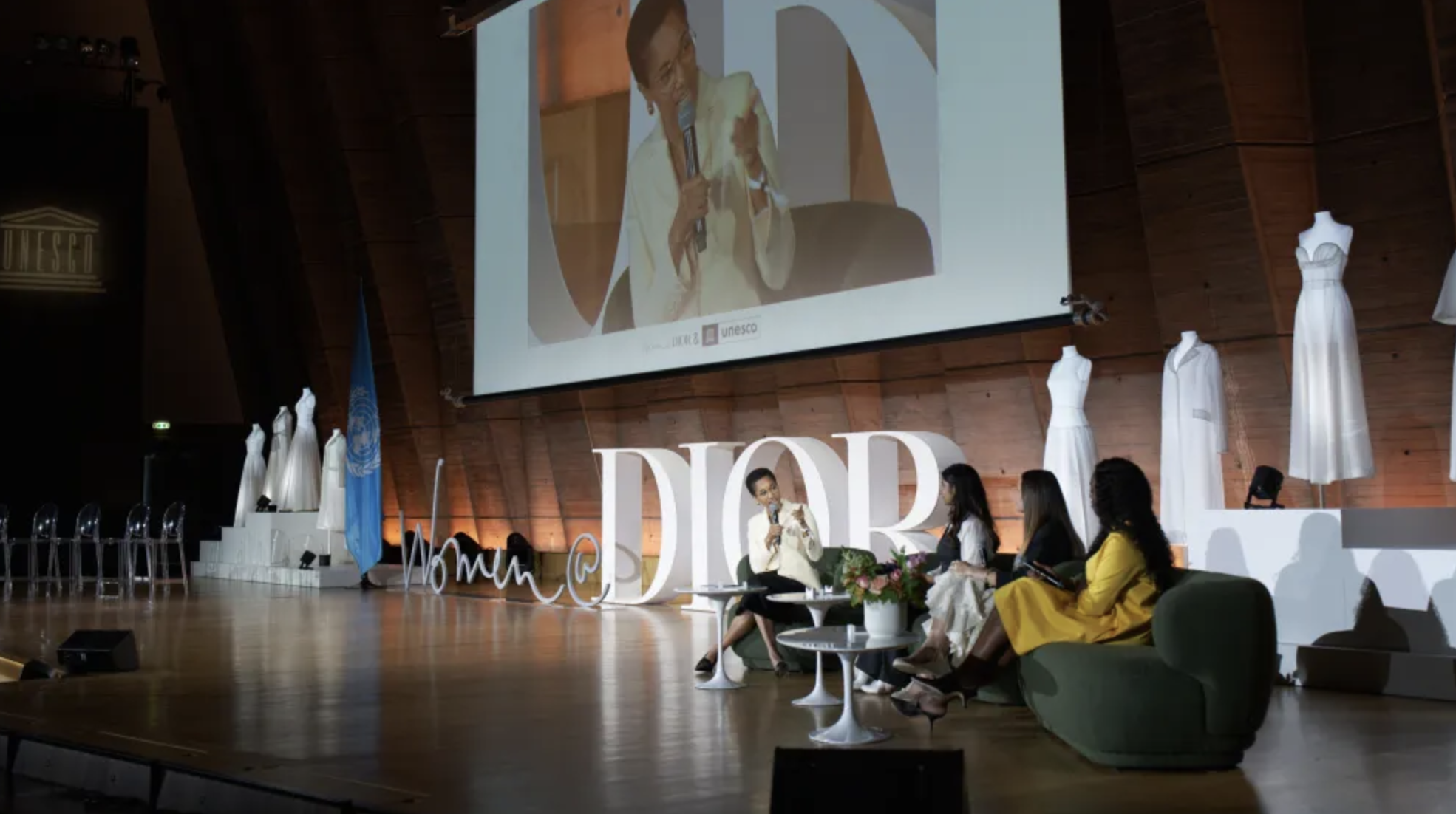
Dior x UNESCO: Why Brand Purpose Can’t Be a Side Project Anymore

In a moment where authenticity is under a microscope, Dior is showing the industry how purpose scales.

This week, the French fashion house announced the extension of its partnership with UNESCO during the fifth annual Women@Dior & UNESCO Global Conference in Paris. The programme, which provides mentorship, leadership training, and education to young women from underrepresented backgrounds, is more than a philanthropic initiative: it's a statement of brand intent.

Since launching the Women@Dior programme in 2017, over 5,000 young women from 147 countries have benefited. The latest phase of the partnership will scale its impact further, reaching more than 1,000 mentees annually, according to Dior’s announcement. These women receive access to global mentors, free e-learning through the “Dream for Change” programme, and the opportunity to design social impact projects in their communities.

Why it Matters for the Future of Fashion Marketing

Luxury marketing has long hinged on heritage and aspiration. But in 2025, aspiration is being redefined. It’s not just about the product - it’s about the values a brand embodies and enables. Dior’s long-term investment in women’s leadership development makes its values tangible, not just tonal.

In fact, 73% of Gen Z consumers expect brands to act on social and environmental issues, and 62% prefer to buy from companies that stand for something (source: Edelman Trust Barometer, 2024). For a generation with growing spending power, performative gestures won’t cut it. Brands like Dior are leaning into substantive, structural change - creating not just image campaigns, but infrastructure.

What’s also significant is how Dior is positioning this initiative: not on the sidelines of the brand, but as a pillar. It’s front and centre at a global conference, embedded into brand architecture, and backed with scale. As many fashion houses scramble to retrofit purpose into campaigns, Dior’s move shows what it looks like when purpose is embedded by design.

From Runway to Real-World Impact

This isn’t about optics. It’s about outcomes. The programme’s alumni include social entrepreneurs, engineers, and creatives who are now mentoring the next wave. It's a living ecosystem of empowerment, with Dior at the centre - not as saviour, but as facilitator.

And it’s working. In UNESCO’s words, “investing in women’s leadership is one of the most powerful accelerators for sustainable development.” Fashion may not have all the answers, but it has the platforms, the capital, and the reach. Dior is using all three.

In a luxury landscape where every brand wants to claim “impact,” Dior is delivering it - with consistency, credibility, and compounding returns. For brand marketers, it’s a powerful case study: if you want to be relevant tomorrow, you need to build purpose into your core today.

categories: Fashion, Culture, Impact
Monday 07.07.25
Posted by Vicky Elmer
 

🎬🎵 Why a Netflix x Spotify Deal Could Be the Next Big Power Play in Streaming Culture

In the ever-evolving landscape of entertainment and partnerships, the rumoured collaboration between Netflix and Spotify is one to watch closely. If confirmed, this deal could see the two streaming giants package music-related content that blends live events, award shows, and original programming. Think: Spotify-powered soundtracks fuelling Netflix docuseries, or live concerts and artist interviews delivered via dual-platform drops.

It’s more than a distribution deal. It’s a strategic alignment that speaks to where culture is heading: multiformat, music-driven, and fan-first.

Why Now?

Both platforms are navigating saturation in their core offerings. Netflix’s pivot into unscripted sports and music series - like “Rhythm & Flow,” the upcoming reboot of “Star Search,” and Beyoncé’s 2024 NFL Christmas Day performance - signals a move toward content with built-in fandoms. Meanwhile, Spotify is seeking new ways to monetise and expand beyond audio, especially as it competes with TikTok, YouTube and Apple for artist relationships and attention.

Together, they can create ecosystems around artist moments, rather than one-off plays.

What This Means for Brands and Fans

For brands, this opens up layered opportunities across media placement, co-branded experiences, and interactive fan engagement. Imagine a Spotify Wrapped x Netflix docu-special, or shoppable soundtracks from live shows. For artists and fans, it means deeper storytelling: from the studio to the stage to the screen.

The Bigger Picture

This partnership would be about creating cultural universes, not just content. It taps into how fans already behave - streaming an album, watching a behind-the-scenes series, attending the livestreamed tour finale. It also reflects a broader trend: streaming platforms aren’t just delivery systems - they're brand-builders and cultural curators.

In a world where fandom equals equity, expect more platforms to follow suit - blurring the lines between formats, moments, and media.

🎧 And if they pull it off right? It could be music to the entire industry’s ears.

Want more analysis on brand, entertainment and cultural strategy? Subscribe to the On The Record newsletter here: https://www.linkedin.com/newsletters/on-the-record-weekly-round-up-7339260441459654657/

categories: Culture, Music, Tech
Monday 07.07.25
Posted by Vicky Elmer
 

The New Creative Frontier: Apple Music’s LA Studio

Opening this summer, Apple’s new three-storey, 15,000-square-foot studio in Culver City is designed to be more than just a recording space. It’s a physical manifestation of Apple Music’s artist-first strategy - combining Spatial Audio tech, a 4,000-square-foot live performance stage, and an integrated social content lab.

Rachel Newman, co-head of Apple Music, describes the space as “a place for artists to create, connect, and share their vision”. It reflects a broader industry trend: moving beyond passive streaming to become an engine for live experience, audience engagement, and original storytelling.

Pros - What’s Working?

An Artist-First Environment
Apple Music’s physical and digital platforms are built with artist experience at the core. From private booths for songwriting to high-end Spatial Audio production rooms, the infrastructure enables more direct artist expression and control.

Live, Immersive Content
With multicam shoots, live fan events, and real-time editing facilities, the studio supports high-value, multi-format content creation that can feed Apple Music, social platforms, and beyond.

Global Network, Local Roots
The LA space adds to Apple’s network of creative hubs in cities like Berlin, Paris, and Tokyo, showing a scalable model for culturally grounded innovation.

Cons - What Are the Limitations?

Exclusive by Design
Despite its ambition, the LA studio model is inherently selective. Access will likely be limited to top-tier or Apple-partnered artists, leaving emerging acts outside this elite circle.

Geographic Centralisation
Though described as global, the flagship hub is based in Los Angeles - reinforcing the dominance of the US music industry and potentially overlooking regional scenes and underground cultures elsewhere.

Limited Public-Facing Value
While immersive for artists, the behind-the-scenes nature of the space may offer less immediate value to casual listeners unless content is cleverly distributed across channels.

Opportunities - What Should Brands Watch?

Partnership Potential
The new studio offers fertile ground for brand partnerships - from live events and artist collaborations to integrated content that aligns with Apple’s values of creativity, quality, and innovation.

High-Fidelity Storytelling
The rise of Spatial Audio and multicam formats opens the door for brand narratives that go beyond conventional audio ads. There’s a chance to co-create immersive, artist-led content that resonates culturally.

Fan Experience Design
As platforms build richer ecosystems, brand marketers can learn from Apple’s seamless integration of tech, space, and narrative. How might physical and digital experiences converge in your own campaigns?

Challenges - What Could Undermine Success?

Streaming Saturation
With Spotify, Amazon, and TikTok also building out audio strategies, Apple’s success depends on maintaining its reputation for curation, exclusivity, and technical quality - not just catalogue size.

Monetisation Pressure
For brands, the question remains: how measurable is the ROI of audio storytelling and live music partnerships? Without clear pathways to attribution, it can be hard to justify spend.

Cultural Relevance
Apple must stay attuned to the shifting sounds of Gen Z and emerging subcultures. Without fresh, diverse representation, its artist-first vision risks becoming mainstream-first instead.

Key Takeouts

  • Apple’s new LA studio exemplifies a decade-long shift toward artist-led content ecosystems.

  • Spatial Audio and immersive production are shaping the future of music experience and storytelling.

  • There’s growing space for brands to collaborate in culturally credible, high-quality ways.

  • Access and diversity remain key tensions as elite platforms scale.

  • Streaming services are evolving into full creative platforms - not just distributors.

Next Steps for Brand Marketers

  • Explore Spatial Audio: Invest in understanding how immersive formats can elevate your brand’s sonic identity.

  • Build Artist Partnerships: Look beyond endorsements to co-create meaningful, narrative-led experiences.

  • Activate Global Hubs: Identify opportunities in other Apple Music markets where brand–music collaboration can localise global strategies.

  • Design for Cross-Channel: Ensure content created in premium environments like Apple’s studio is amplified across social, retail, and experiential touchpoints.

  • Benchmark Against Apple’s Model: Use Apple’s approach as a blueprint for how to integrate creativity, culture, and technology with credibility.

If the past decade was about access, the next will be about intimacy, immersion, and identity - and Apple is already soundtracking that future.

categories: Impact, Music, Tech
Monday 07.07.25
Posted by Vicky Elmer
 

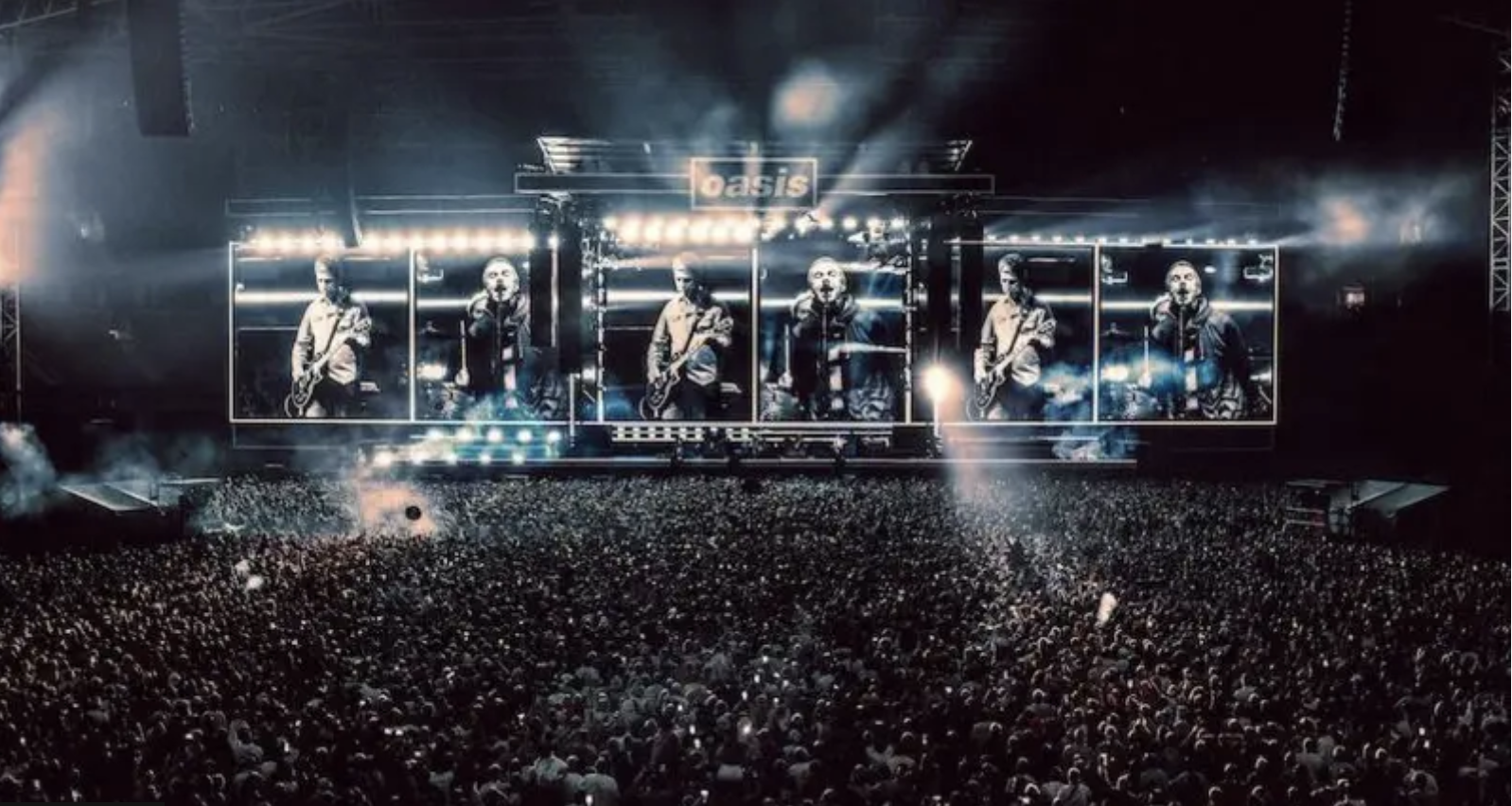
🎸 Oasis 2025: When Culture Moves, Brands Win

How one of Britain’s most iconic bands sparked a multi-million-pound moment for music, fashion, and marketing

In August 1991, five young men stepped onstage at The Boardwalk in Manchester. What began as a support slot became a cultural shift. Oasis’s rise was fast, furious, and foundational - blending working-class swagger with unfiltered Britpop sound. Thirty-four years later, that same spirit has reignited a cultural and commercial wave few brands can afford to ignore.

🌍 Cultural Earthquake: The Reunion That Broke the Internet

Oasis's 2025 comeback isn’t just a reunion tour - it’s a masterclass in cultural capital. Their first gig in 16 years, held at Cardiff’s Principality Stadium on 4 July, turned into a global moment.

  • Spotify streams rose by 690% overnight

  • Ticket and merch revenue projected to exceed £400 million

  • Local city economies to gain an estimated $173 million USD in fan spend

  • The two Cardiff gigs on 4-5 July were expected to generate nearly £27m for the Welsh economy, as concertgoers splashed out on transport, hotels and food and drink.

  • Overall, the 17-date UK tour could generate as much as £1bn for the British economy, according to Barclays, with each fan spending an average of £766.

This is active, multi-generational fan culture. And brands jumped at the chance to ride the wave.

🧢 The Official Brand Playbook

Adidas doubled down with Oasis-branded SPZLs, track jackets and Gazelles, sold across a string of merch pop-ups in Manchester, Cardiff, London, Dublin, Edinburgh and Birmingham. At these stores, fans grabbed:

  • £40 bucket hats

  • £85 football shirts

  • £100 retro jackets

  • Plus mugs, puzzles, green-screen photo zones and vinyls

Fans weren’t just buying merch - they were entering a brand experience built on memory, music and identity.

🔥 The Guerrilla MVP: Lidl by Lidl

Then came Lidl Ireland’s rogue hit: a tongue-in-cheek “Lidl by Lidl” Oasis-style parka.
Originally sparked by a viral post mocking Liam Gallagher’s Berghaus coat, Lidl turned commentary into commerce:

  • A £30 festival-ready jacket with drink insulation, a tambourine holder, and bottle-opener zip

  • A 30-ft “Wonderwall” mural outside Manchester’s Etihad

  • All proceeds donated to Family Carers Ireland and NSPCC

Result:

  • 5M+ online mentions within 24 hours

  • National press, global conversation, and an instant viral product

  • Zero formal partnership. 100% cultural fluency.

📊 Culture-Driven Stats Marketers Shouldn’t Miss

  • +89% rise in UK bucket hat sales since tour announcement (Ground News)

  • +105% Adidas Gazelle search traffic (Vogue Business)

  • +180% surge in Google searches for “Oasis fashion UK”

  • £1 billion total fan spend projected across the tour

  • Lidl’s campaign ROI estimated at 1,200% based on earned media vs production costs

🎯 Brand Lessons in Culture-First Marketing

  1. Be Ready to React: Lidl moved from meme to product in 24 hours. That’s marketing IQ meets speed.

  2. Turn Merch into Experience: Pop-ups, photo moments, tactile product - Oasis’ official stores weren’t shops, they were brand worlds.

  3. Let Humour Drive Depth: The tambourine, bottle-opener, mural - comedy plus utility equals brand memorability.

  4. Think Legacy x Now: Adidas leveraged past and present to make heritage feel like hype.

  5. Cultural relevance > sponsorship: Lidl proves you don’t need rights when you have resonance.

Final Word

Oasis didn’t just come back - they lit the cultural match that’s now fuelling everything from fashion trends to reactive creativity. For brands, it’s a reminder that the most powerful marketing doesn’t interrupt culture - it amplifies it.

Monday 07.07.25
Posted by Vicky Elmer
 

Trailblazers in Boots: White Stuff’s Campaign Celebrates the Forgotten Lionesses Who Changed Football Forever

This week, British lifestyle brand White Stuff launched a campaign that every brand strategist and cultural commentator should be paying attention to.

In an age where authenticity has become currency, this is how you do storytelling with soul. Their new campaign puts the spotlight not on celebrities or influencers, but on the remarkable women who made history in 1972 - when England’s first women’s team played their debut international match.

Meet Julia, Sue, Jeannie, Lynda, Maggie, and Pat: six of the original trailblazers who took to the frozen pitch in Greenock, Scotland, wearing the Three Lions at a time when women’s football was barely acknowledged, let alone supported. Through beautifully candid portraits and raw, first-person stories, White Stuff honours not just a forgotten match - but a forgotten movement.

What sets this campaign apart is its refusal to romanticise the past. It speaks plainly and powerfully about what it meant to play when girls were banned from football, when there were no kits, no wages, no warm-up jackets. Just determination and a ball. And when victory came in the form of a 3–2 win over Scotland, there were no media headlines. No post-match interviews. Just numb toes and lifelong memories.

Screenshot 2025-07-03 at 19.28.06.png
Screenshot 2025-07-03 at 19.28.14.png
Screenshot 2025-07-03 at 19.28.34.png
Screenshot 2025-07-03 at 19.29.16.png
Screenshot 2025-07-03 at 19.29.49.png

This is a reclamation of narrative. These women did something special, even if it took decades for anyone to say it out loud. And in elevating them now, White Stuff invites us to think about legacy, progress, and the long road to recognition.

Beyond nostalgia, this campaign taps into a deeper cultural current: that of rewriting history to include the voices long left out of the frame. With the Lionesses’ 2022 Euros win still echoing, this feels timely, powerful, and deserved.

There’s a phrase that sums it up best, delivered casually by one of the players:
“You can have all the money in the world, but you can't have my memories.”

White Stuff hasn’t just launched a campaign - they’ve helped write these women back into the history books.

Why These Stories Matter:

  • White Stuff reminds brands that the most powerful storytelling starts with real people and real purpose.

  • The campaign reframes legacy - not as a buzzword, but as a baton passed between generations of women.

  • It shows how fashion brands can engage with sport meaningfully, without surface-level slogans or pink-washed platitudes.

  • Just 17% of women's sports stories in UK media feature women over 40 - making White Stuff’s focus genuinely rare.

  • Only 7% of brand campaigns targeting women in sport spotlight those from non-elite or historic backgrounds, according to WARC.

View this post on Instagram

A post shared by White Stuff (@whitestuffuk)

categories: Sport, Fashion
Thursday 07.03.25
Posted by Vicky Elmer
 

MAD//Fest 2025: The Gritty, Culture-First Cousin to Cannes Lions

What happens when you remix the spirit of Cannes Lions with Shoreditch energy and fewer yachts? You get MAD//Fest 2025 - a bold, creative-first, and unapologetically fast-paced three days of brand, culture, and marketing collision in East London.

And here’s the thing: the key takeaways mirrored Cannes, almost note for note. But the delivery? I’m told pure MAD.

MAD//Fest and Cannes: Singing from the Same Strategy Sheet

Both events spotlighted the same seismic shifts shaking up marketing today. If Cannes Lions was the global boardroom, MAD//Fest was the underground club. But in both spaces, the big ideas aligned:

1. AI Is Not Just a Tool. It’s the New Operating System.

  • AI was front and centre in both festivals.

  • MAD//Fest broke it down into five strategic shifts: from machine-led media buying to live experience design, with creative workflows increasingly powered by GenAI.

  • The message: marketers who aren’t integrating AI into their strategy today are already behind.

2. First-Party Data Is the New Creative Currency

  • With third-party cookies collapsing, brands are recalibrating their foundations.

  • MAD//Fest highlighted six trends shaping the first-party data landscape, including retail media expansion, ML-powered data refinement, and closed-loop measurement.

  • This echoed Cannes’ obsession with ownership, access, and responsible activation.

3. Purpose Needs Proof

  • Both events agreed: it’s no longer enough to talk about brand purpose.

  • MAD//Fest went further - brands like Tony’s Chocolonely, Heineken and Haribo shared how they’re operationalising sustainability and social equity, not just marketing them.

  • Think carbon labelling, ESG performance incentives, and community-informed product design.

4. Creative Effectiveness Starts with People

  • While Cannes focused on award-winning work, MAD//Fest zoomed in on the conditions that fuel creativity.

  • A headline keynote linked marketing team wellbeing to campaign success - with happier teams producing +27% more effective work and 40% lower attrition.

  • It was a call to treat creative health like business health.

5. Start-Ups Aren’t the Sideshow. They’re the Signal.

  • From AR-powered retail to Web3 loyalty apps, the MAD//Fest start-up arena was a launchpad for cultural innovation.

  • While Cannes showcased innovation from the biggest players, MAD//Fest championed early-stage disruption with real-world edge.

💡 Stats from the Stage: What Stuck

  • 72% of marketers are already using AI in creative workflows - from ideation to scripting to optimisation.

  • Campaigns created by teams with high wellbeing scores were 27% more effective and saw 40% lower attrition.

  • Investment in first-party data rose by 34% year on year, with brands reallocating spend from media buying to data ownership.

  • 61% of FMCG brands now use retail media as a core channel - not just for performance, but for brand building too.

  • AI-led media planning is cutting media waste by up to 40%, outperforming traditional rules-based methods.

  • Brands using generative AI for creative development saved 2 to 3 weeks per campaign on average, particularly in early concepting and production planning.

🎤 The Verdict

MAD//Fest didn’t just talk about the future of marketing—it made it feel urgent, cultural, and within reach. While Cannes Lions remains the global benchmark for brand creativity, MAD//Fest proved that the UK has a scrappier, more accessible festival model that delivers just as much insight - without the gatekeeping.

Where Cannes brought polish, MAD//Fest brought momentum.

⚡Final Word

For brand strategists, marketers and creatives watching where culture and commerce collide, MAD//Fest 2025 was a clear signal:

We’re entering a new era of marketing. One powered by machines, shaped by values, and built by healthy, creative humans.

Next year, expect more noise, sharper takes - and even bigger conversations.

categories: Impact, Culture, Tech
Thursday 07.03.25
Posted by Vicky Elmer
 

Jaguar’s 97% Sales Drop: A Strategic Pause or a Branding Misstep?

In April 2025, Jaguar - one of Britain’s most storied luxury marques - sold just 49 vehicles across Europe. A 97.5% drop year-on-year. That’s not a dip. It’s a disappearance.

Behind the shocking figure lies a bold but faltering strategic pivot: a full-scale transition to all-electric, ultra-premium positioning. What was meant to futureproof the brand has instead pushed it to the edge of visibility.

What Happened?

Jaguar’s “Reimagine” strategy, introduced in 2021, set a clear intention: to become a pure electric luxury brand by the middle of the decade. But the path to that future has been marred by a lack of transitional continuity.

Heading into 2025, Jaguar pulled nearly all models from sale - the XE and XF sedans, the F-Type, E-Pace and I-Pace crossovers - with only limited F-Pace SUVs remaining. With no EV successors on the lot yet, this left dealerships with almost nothing to sell and loyal customers without options.

Adding to the confusion was the controversial “Copy Nothing” campaign. The creative direction removed the iconic leaping cat badge in favour of a minimalist wordmark, and featured a launch video that showcased fashion, models, and mood - but not a single car. Intended to feel modern and inclusive, it landed as alienating and disconnected for many Jaguar loyalists.

This dual blow - of no product and no clear story - left a commercial and cultural vacuum. Jaguar wasn’t just rebranding. It was, for a time, absent.

The Context: Luxury Car Market in Flux

It’s important to view Jaguar’s collapse within the broader context. The luxury car segment in Europe is undergoing a structural shift:

  • EV adoption is growing, but unevenly across the continent

  • Consumer hesitancy remains high in markets like Italy and Spain due to patchy infrastructure

  • Regulatory pressure is intensifying while incentives are tapering

  • Rising interest rates are squeezing even affluent consumers

At the same time, macroeconomic and geopolitical forces are creating pressure points:

  • In June, Jaguar Land Rover (JLR) cut its 2026 EBIT margin forecast from 10% to 5–7% and now expects near-zero free cash flow

  • U.S. tariffs on foreign-made vehicles reintroduced by President Trump have paused shipments

  • A UK–U.S. deal allows 100,000 UK-built vehicles at a 10% duty, but models built in Slovakia like the Defender still face a full 25% tariff

  • JLR lacks U.S. production, unlike BMW and Mercedes-Benz, intensifying cost challenges

Tata Motors, JLR’s parent company, saw its stock fall 5.2% on the profit warning. These disadvantages are real - but not unique to Jaguar.

How Other Luxury Brands Navigated the Same Climate

Other European luxury brands faced the same headwinds, but performed more strongly by managing their EV transitions with greater flexibility.

BMW

BMW implemented a dual-track product strategy, introducing electric models like the i4 and iX alongside combustion stalwarts like the 3 Series and X5. This helped BMW grow European sales by 6.2% in Q1 2025.

Mercedes-Benz

Mercedes kept models like the C-Class and GLC on sale, while integrating EQ tech into the range. This preserved stability and customer choice, allowing the brand to retain a 5% market share in Europe.

Audi

Audi balanced its rollout between EVs like the Q4 e-tron and combustion models like the Q5 and A3. The company is now reassessing its plan to end new ICE development after 2026, recognising that flexibility wins in uncertain markets.

The common denominator: consistent product availability, clear communication and a focus on continuity. Each of these brands prioritised evolution over erasure.

What Jaguar Could Have Done Differently to Engage Its Audience

1. Phase, Don’t Pause

Jaguar could have offered limited-run legacy models or “farewell” editions to keep dealers stocked and maintain market presence.

2. Hero the Heritage

Rather than retiring the leaping cat badge without explanation, Jaguar could have created a narrative bridge that honoured its design lineage while looking forward to the electric future.

3. Lead with Product, Not Philosophy

A car brand needs cars. Concept designs, teaser visuals or even test vehicles in camouflage would have sparked curiosity and signalled momentum.

4. Activate Dealers and Communities

Dealers could have become brand advocates and storytellers, hosting private viewings, retrospective showcases or “last drive” events to keep fans engaged and excited.

5. Communicate the Plan Clearly

A public roadmap would have helped manage expectations. Transparency builds trust, especially during radical change.

6. Offer Sensory Signals of Progress

From sonic branding to immersive online experiences, Jaguar had the chance to create a sensory presence even without physical product - maintaining brand equity during the pause.

Final Thought: Reinvention Needs Relevance

Jaguar’s ambition isn’t in doubt. The EV transition is essential. But in branding, intention without presence is just absence.

The company’s decision to pull back without clear narrative, product availability, or continuity has weakened its cultural resonance at a critical moment.

Other luxury manufacturers have shown that gradual, customer-first transitions protect brand equity while adapting to change.

If Jaguar’s next wave of EVs delivers on design, desirability and performance, there is still a future to claim. But re-emerging after an extended silence will require more than a reboot. It will require rebuilding relevance from the ground up.

That all said, I want to do a big shout-out to their brand and product design teams - it's clear a huge amount of vision, ambition and work has gone into this next chapter. It takes real conviction to bet big on reinvention. Sometimes it lands, sometimes it doesn’t - but the brands that learn fast and move forward are the ones that stay relevant. I'd hire them based on their courage and learnings alone.

categories: Culture
Thursday 07.03.25
Posted by Vicky Elmer
 

From Grassroots to Global: How the Lionesses Engineered the Biggest Growth Story in Modern Sport

In sports marketing, growth doesn’t just mean revenue. It means cultural relevance, emotional connection, and long-term brand equity. Few teams in the world - men’s or women’s - have embodied that better than the England Lionesses.

Over the past five years, they’ve gone from underexposed to unstoppable. From fringe fixtures to primetime. From potential to proof.

This is more than a success story. It’s a case study in how performance, leadership, visibility, and commercial alignment create explosive, sustainable growth.

⚽ Performance: From Sporadic Fixtures to Silverware

In 2020, England’s women’s national team played just three matches.

Fast forward to 2025:

  • Over 60 games under Sarina Wiegman

  • ~75% win rate

  • UEFA Euro 2022 champions

  • FIFA Women’s World Cup runners-up (2023)

  • Winners of the Women’s Finalissima and Arnold Clark Cups

And crucially - they didn’t just win. They did so with a playing style, team spirit, and tactical confidence that invited belief from fans and brands alike.

🧠 Sarina Wiegman: Leadership That Drives Everything

Appointed in 2021, Sarina Wiegman transformed England into one of the most feared and admired teams in global football.

She brought elite standards, psychological resilience, and media maturity. Her calm authority has become a marketer’s dream - trustworthy, consistent, and compelling.

She:

  • Went unbeaten in her first calendar year

  • Delivered England’s first major tournament trophy

  • Maintained a near-75% win rate

  • Stabilised a team into a platform for long-term investment

📈 The Commercial Boom: Proof That Performance Converts

📺 Broadcast

  • WSL rights grew from £8M/year (2020) to £13M/year (2024–2029)

  • A £65M five-year deal with Sky and the BBC - the largest in women's club football history

  • England’s Euro 2022 final drew 17.4M UK viewers - the most-watched women’s match ever in the country

💵 Revenue Growth

  • WSL revenues grew 34% YoY to £65M in 2023–24

  • Matchday revenue rose 73%

  • Forecast: £100M+ by 2026

👕 Merchandise & Licensing

  • England’s 2022 Euros win triggered a 120% spike in women’s merchandise

  • Mary Earps' Nike goalkeeper kit sold out globally - after Nike was forced to reverse its original decision not to sell it

📲 Players as Platforms: Social Power and Brand Value

These athletes aren’t just performers - they’re highly engaged, culturally relevant media properties.

Most Followed Lionesses on Instagram (July 2025):

  • Leah Williamson - 1.13M | Gucci, Pepsi, Nike

  • Chloe Kelly - 956K | Calvin Klein, Nike

  • Alessia Russo - ~850K | Adidas, Gucci, Beats, PlayStation

  • Lauren James - ~640K | Google, Barclays, Nike

  • Ella Toone - ~600K | Skincare, BBC Sounds, ET7

🚀 Lauren James gained 122K followers in just 30 days during the 2023 World Cup
📈 Alessia Russo’s branded content delivers elite engagement and media value

This is the new model: athletes as ecosystems - driving ROI through visibility, influence, and relatability.

🧤 Mary Earps: From Keeper to Icon

Few players have shifted the conversation like Mary Earps.

  • Named FIFA’s Best Goalkeeper

  • Drove a global outcry when Nike refused to sell her shirt

  • Forced a U-turn - her kit went on to sell out worldwide

  • Became a symbol of performance and principle

As she retires from international football, her legacy is commercial impact meets cultural power.

🛤️ Let’s Not Forget Who Paved the Way

This growth was built on the shoulders of legends. The Lionesses didn’t just appear — they were made possible by decades of persistence, talent, and quiet revolution. Here's who helped shape the stage they now own:

🧭 Fara Williams

England’s most capped player (172). She rose from homelessness to the heart of the national team, proving resilience builds legacy. Now a strong voice for inclusion and access in football.

🎤 Alex Scott

140+ caps and a Champions League winner, she became one of the most recognised sports broadcasters in the UK - smashing representation barriers on the BBC and Sky. A brand in her own right.

🎓 Casey Stoney

Captain, Olympian, and now a respected coach in the NWSL. She was one of the first openly gay players to speak out, shaping a more inclusive game.

💬 Eni Aluko

The first Black woman to reach 100 England caps. A trailblazer on and off the pitch, now a thought leader and former sporting director. Vocal on racism, equality, and structural reform.

🏛️ Karen Carney

A four-time World Cup player who led the UK government’s review of women’s football. Now helping write the sport’s next chapter from inside the system.

👑 Rachel Yankey

England’s first professional female footballer. A quiet pioneer who helped prove that women could - and should - play professionally in England.

🌟 Kelly Smith

Arguably England’s most gifted player. Her technique and flair inspired a generation before the world was really watching.

🛡️ Steph Houghton

Captain through key transitional years, leading England with steadiness and humility as the sport scaled from niche to national.

These are the women who shifted perceptions, broke ceilings, and carried the weight long before the spotlight showed up.

🏁 What It All Means for Sports Marketers

This is the biggest growth story in British sport in the past decade. Why?

Because the Lionesses offer:

  • Consistent, elite-level performance

  • Storytelling rooted in purpose and empowerment

  • Influencers with integrity and reach

  • Broadcast metrics and stadium audiences that rival men’s sport

  • A brand that fans genuinely care about

It’s not hype - it’s measured momentum.

If you're a sponsor, rights holder, broadcaster, or brand strategist and you’re not building with the Lionesses in mind, you're behind. The blueprint is right here.

🎯 Final Word

Women’s football isn’t emerging - it’s expanding. The Lionesses are proving what’s possible when performance, purpose, and platform come together.

They’re not just making history.
They’re changing the business of sport.

categories: Impact, Sport, Fashion
Thursday 07.03.25
Posted by Vicky Elmer
 

What Caitlin Clark’s Nike Kobe 5 Protro PE Tells Us About the Future of Women’s Sports Marketing

The launch of Caitlin Clark’s Nike Kobe 5 Protro PE sneaker might not be a full signature shoe, but don’t let that fool you: this release is a landmark moment in the evolution of athlete branding and women’s sports marketing.

For months, sneakerheads, hoop fans and women’s basketball advocates were tracking every sideline glimpse and grainy locker room pic, trying to decode whether Clark was quietly working on her own Nike silhouette. That speculation reached fever pitch on June 29th when Nike officially dropped the Kobe 5 Protro PE, Clark’s first-ever Player Edition.

And just like that, the game changed.

👟 Sneaker experts now predict Caitlin Clark’s eventual Nike signature shoe could become a $100 million business - and that forecast comes on the heels of this PE selling out within minutes on SNKRS. What started as a limited edition has turned into a powerful signal of what’s next: the commercial ceiling for women athletes just got higher.

The Sneaker Itself: A Strategic Play, Not Just a Colourway

The shoe doesn’t reinvent the Kobe 5 - instead, it finesses it. Designed in collaboration with Clark and dressed in Indiana Fever’s navy, orange and electric gold, it’s a clean alignment of performance, heritage and team identity. The nod to the Mamba legacy is symbolic and smart: it places Clark not just as a rising star, but as a spiritual successor to Kobe’s drive and mentality.

From a brand marketing lens, this isn’t just about selling sneakers. It’s about positioning Clark as more than a rookie - she’s a narrative asset with generational potential. Giving her a PE before a full signature model mirrors how Nike built the pathway for other elite athletes: test the market, stoke the hype, and keep the story unfolding.

Scarcity + Hype = Cultural Currency

Reports that only 13,000 pairs were released via the SNKRS app in the US (with limited additional stock from select retailers) turned the drop into a high-stakes cultural moment. Whether or not those numbers hold true, it doesn’t matter - scarcity builds heat. And that scarcity signals something else: Clark’s commercial weight as a women’s sports figure with enough pull to drive a limited drop frenzy.

In a post-NIL landscape where college stars enter the league with built-in fanbases and marketing machines, Clark is a masterclass in how to harness that energy for long-term brand equity.

From the Court to Culture: Women’s Hoops is Having a Marketing Moment

Clark isn’t the only W player making brand moves, but she is the most visible. Her debut PE has been compared to the early LeBron and KD years: not just because of gameplay, but because of how brands are choosing to bet on her.

If Nike’s playbook holds, a full Caitlin Clark signature line is inevitable. What we’re seeing now is an intentional, slow burn - building desire, seeding product, and letting the culture demand what comes next.

What It Means for Brands Watching the Space

For marketers, this moment offers a sharp insight: the women’s sports consumer isn’t niche, she’s mainstream - and ready to spend. Limited runs, collab storytelling, crossover appeal with streetwear and sneaker culture: these aren’t just tactics, they’re necessities.

The Caitlin Clark PE proves that when brands treat women athletes like the stars they are - with story-driven drops, elite product, and credible cultural positioning - the market responds.

And this is only the beginning.

categories: Sport, Impact
Wednesday 07.02.25
Posted by Vicky Elmer
 

Legal Whiplash: Why UK Ticketing Faces a Seismic Reset in 2025

A major shake-up is coming to the UK ticketing space and no one in the live events ecosystem should be under any illusions about what it means.

From September 2025, companies could face criminal prosecution for failing to prevent fraud in their business, even if they didn’t know it was happening. This new offence, part of the government’s broader crackdown on corporate misconduct, makes it clear: compliance is no longer a tick-box exercise. It is a frontline defence.

Thanks to Martin Haigh for highlighting this in a recent post. It deserves the industry’s full attention.

What’s Changing?

Under the new “Failure to Prevent Fraud” offence, if someone inside your organisation commits fraud and your company didn’t have reasonable checks and systems in place to stop it, you could be criminally liable. That includes senior leadership.

Intent no longer matters. Ignorance is not a defence. Whether you’re a ticketing platform, a promoter, a sponsor, or a hospitality buyer, you are now part of the risk chain.

This Isn’t Just Theoretical

Let’s be real. Certain behaviours have long been tolerated, even normalised.

  • Primary sellers quietly routing tickets straight to resale

  • Secondary marketplaces allowing bulk tout listings without checks

  • Promoters holding back blocks to generate sellout optics and artificial FOMO

  • Sponsors topping up guest allocations from unofficial sources

  • Hospitality providers mixing in grey-market tickets as “exclusive access”

These practices have eroded fan trust and undermined access. Come autumn, they won’t just be questionable. They could be criminal.

Who’s Most Exposed?

  • Primary and resale platforms that haven’t put proper limits and checks in place

  • Promoters dealing under the radar to boost hype

  • Sponsors and hospitality agencies sourcing from third parties without doing due diligence

  • Executives who rely on wilful ignorance or assume someone else is responsible

The Competition and Markets Authority can now issue direct fines of up to 10 percent of global turnover, with no court process required. If criminal fraud is suspected, the bar for prosecution is lower than ever.

The Knock-On Effect for Live Events

This will fundamentally impact how talent tours, how sponsors activate, and how fans access tickets.

  • Expect increased pressure on platforms to show their workings

  • Brands will need to rethink how hospitality packages are sourced

  • Promoters may need to overhaul allocation practices to ensure fairness and transparency

  • New players with compliant, transparent models will have a genuine competitive edge

The audience is no longer tolerating murky dealings, and now the law won’t either.

What Should Happen Next?

  • Review your house now. Platforms, promoters, sponsors and hospitality providers all need a full audit of their processes

  • Get documentation in order. It’s not enough to say you care about integrity. You need proof

  • Train your teams. Make sure commercial, legal, partnerships and ops understand the exposure

  • Use this as a reset. Clean systems, clear communication and fair access build long-term trust

This is a pivotal moment. Not just for ticketing compliance, but for cultural credibility.

The live space thrives when fans believe in the process. The minute they don’t, you lose more than just sales. You lose connection.

This is a chance to rebuild that trust, remove the opacity and raise the bar.

categories: Impact, Tech
Wednesday 07.02.25
Posted by Vicky Elmer
 

Can This New Survey Save UK Live Music?

The UK’s live music culture is on the brink.

Between 2020 and 2023, nearly a third of grassroots music venues - 31% - shut their doors. In 2023 alone, 125 venues closed, a record-breaking blow. The situation is especially dire in London, where 35% of grassroots spaces have vanished since 2007. Festivals aren’t faring any better: 36 disappeared in 2023, followed by a staggering 78 more in 2024.

This is more than a cultural loss - it’s an economic one.

Live music contributes £5.2 billion to the UK economy and supports over 200,000 jobs. Yet the very venues that incubate new talent and power this ecosystem are being squeezed to the edge of extinction.

🔺 Security costs have surged 300% since 2019.
🔺 Nearly half of all venues now operate at a loss.
🔺 Collectively, they’re subsidising live music to the tune of £115 million.

All while navigating hostile planning laws, extreme licensing conditions, and an unsupportive policy environment.

This is a cultural emergency - and an economic one.

But amid the wreckage, there’s a flicker of hope. In a rare move, the UK Government has launched a full review of the grassroots sector, alongside a fan-led survey aimed at understanding the challenges faced by venues, artists, and fans alike.

It’s a welcome step. But let’s be clear: a review is only meaningful if it leads to urgent, tangible action.

What the UK’s music sector needs - now:

✅ Stronger legal protections for venues against noise complaints and third-party liability
✅ Planning reform to keep cultural spaces from being priced out or shuttered
✅ Targeted funding that reflects the vital role of live music in our creative economy

We’re not talking about handouts. We’re talking about investment in a national asset—one that fosters innovation, supports communities, and fuels global influence.

As Lord Kevin Brennan said in Parliament:

“Glastonbury is simply the apex of the great pyramid of the UK’s live and electronic music sector... The base of that pyramid is in danger of crumbling without due care and attention.”

He’s right. And if we want that pyramid to stand, we all need to act.

🎧 Take part in the UK Government’s survey (open until autumn):
https://committees.parliament.uk/committee/378/culture-media-and-sport-committee/news/208026/new-survey-invites-fans-to-help-shape-future-of-live-and-electronic-music/

🎤 Support the frontline with Music Venue Trust:
👉 musicvenuetrust.com

📣 Share this post. Talk to your MP. Stand with the people fighting to keep UK music alive.

This is about more than saving venues. It’s about saving culture.

The future of live music starts now - let’s not lose it.

categories: Impact, Music
Tuesday 07.01.25
Posted by Vicky Elmer
 

F1, Fiction and $40 Million: Why Branded Entertainment Just Took the Lead

Credit where it’s due: I first clocked this via a brilliant post from Marcos Angelides, brought to my attention by the always insightful Will Page. It’s one of those case studies that instantly grabs your attention - and keeps unfolding the more you look at it.

The upcoming F1 film, starring Brad Pitt and Damson Idris, isn’t just a blockbuster in the making. It’s a masterclass in brand integration. In what might be the smartest marketing move of the year, the filmmakers partnered with Mercedes to create a fictional but fully functioning F1 team. Not just for screen-time flash - but for serious commercial play.

The result? Brands like Geico, SharkNinja, IWC, and Sony came onboard as sponsors of the fictional team. And they paid to be there. Over $40 million was generated in brand partnerships alone - offsetting a sizeable chunk of the reported $200 million production budget.

Let’s pause on that. This isn’t product placement as a bolt-on afterthought. This is sponsorship strategy baked into the creative from day one. A race car engineered for ROI.

We’re witnessing the next evolution of branded entertainment: where the film itself becomes a vehicle for brand storytelling, media spend, and fan engagement. And in this case, quite literally. The fictional team wasn’t just slapped together in post - it was integrated into the real F1 paddock during race weekends. Audiences aren’t just watching sponsorship; they’re immersed in it.

With reports of a $144 million opening weekend, this project isn’t just winning on screen, it’s proving commercial viability off it too. And that’s the green flag more brands have been waiting for.

Because here’s the bigger play: advertising is increasingly skippable, but entertainment is sought out. Smart brands know this. The ones leaning into narrative, spectacle and fan-first formats will be the ones who future-proof their marketing.

The F1 movie didn’t just blur the lines between sport and cinema. It redrew the map.

Now, imagine what happens when music, fashion and gaming take the same approach at scale. The race is on - and the brands that think like producers will be the ones standing on the podium.

✅ What Worked

Sponsorship Built Into the Narrative
The fictional team wasn’t an afterthought - it was central to the plot, making the brand involvement feel integral, not intrusive.

Real Brands in a Fictional Context
Geico, SharkNinja and IWC sat alongside Mercedes in a way that felt authentic, thanks to real F1-world styling and placement.

Leveraging the F1 Ecosystem
Filming at actual races lent the film credibility and generated additional fan and media buzz - a sponsorship win without traditional ad spend.

Commercial ROI Built In
$40m in sponsorship revenue before box office release is a solid model. Brands became investors and characters in the story.

Cultural Relevance
F1 has cracked Gen Z and mainstream pop culture. This film tapped into the zeitgeist, giving brands a culturally rich platform.

❌ What Didn’t Work (or Could Have Been Riskier)

Surface-Level Brand Moments
Some brand appearances felt fleeting - raising questions about long-term value unless reinforced by broader activations.

Blurring Fiction and Fact
Fans unfamiliar with the setup could be confused by seeing a ‘new’ team. The line between story and sport needs careful framing.

Creative Control Limits
When brands enter entertainment, they trade off control. Unlike ads, they can’t dictate screen time or narrative outcomes.

Short-Term vs Long-Term Gains
Without extending the partnership beyond the film’s release window, some brands risk being forgotten once the credits roll.

🎯 Key Takeouts for Marketers & Brand Partnership Professionals

1. Think Like a Producer, Not Just a Sponsor
Brands that co-create, not just co-fund, will own a more meaningful slice of culture.

2. Entertainment is the New Ad Space
Consumers opt in to good stories. Interruptive advertising is out. Story-driven brand partnerships are in.

3. Choose Culture-Native Partners
Mercedes brought F1 credibility. Do the same in music, fashion or gaming by partnering with insiders - not outsiders.

4. ROI is More Than Media Value
Think: brand sentiment, cultural cachet, and fan-first relevance. Eyeballs alone aren’t enough.

5. Build Beyond the Moment
Use the movie as a launchpad. Plan digital content, merch collabs, social strategy and fan engagement around the entertainment moment.

categories: Culture, Impact, Sport
Tuesday 07.01.25
Posted by Vicky Elmer
 

Home Never Tasted So Good: Bold Bean Co's Budget-Genius Post-Glasto Brand Play

Picture this: It’s 8:30am at Paddington and Victoria Station. The scent of festival fatigue is in the air. And right there, among the commuters and crusty wellies, stands the Bold Bean Co team - B Corp certified and armed with usherette trays packed with 10,000 jars of Smoky Chilli Baked Beans.

Not your average Monday morning.

Their mission? Pure brand alchemy: intercepting the Glastonbury exodus with the promise of real food, real fast. No gimmicks. Just damn good beans.

This was less about scale and more about smarts. No flashy trucks or six-figure production. Just strategic timing, cultural intuition, and confidence in a product that speaks for itself. Because when your consumer has survived five days of pot noodles and 2am “mystery meat,” a jar of premium beans becomes emotional. One man even asked for a spoon to eat them cold on his second train. We respect the hustle.

This activation nailed the golden formula:

Screenshot 2025-07-01 at 16.23.05.png
Screenshot 2025-07-01 at 16.23.12.png
Screenshot 2025-07-01 at 16.23.18.png
Screenshot 2025-07-01 at 16.23.27.png
Screenshot 2025-07-01 at 16.23.32.png


Right moment. Right message. Right medium.


Beans in usherette trays. Nostalgic, ridiculous, brilliant.

It also tapped the social tension beautifully: Glasto-goers were grateful. Regular commuters were suspicious. “Baked beans… in a jar?”, “I didn’t go to Glasto - can I still have one?” That pause? That curiosity? That’s where a challenger brand lives and thrives.

In a world of paid media saturation, this moment was human, low-fi and high-impact. It created stories, selfies, word-of-mouth and conversions. From confused commuters to hungover festival heads - Bold Bean met them where they were, and reminded them what real food tastes like.

And that tagline?
Home never tasted so good.
Chef’s kiss.

Takeaways for brands:

  • You don’t need a mega-budget to create emotional resonance

  • Knowing your audience’s emotional state is half the strategy

  • Disruption can be delightful when it’s done with heart and timing

  • People crave real - not just in food, but in brand experiences

And finally: a big shout out to Amelia Christie-Miller, Founder of Bold Bean Co - building a brand with soul (and serious hustle). 🫘 This is what clever, culture-savvy founder-led marketing looks like. Vision, timing, and a product that does the talking. Bravo.

Mission accomplished, Bold Bean. You made baked beans feel like a hug from home.

categories: Impact, Music, Culture
Tuesday 07.01.25
Posted by Vicky Elmer
 
Newer / Older