• Work Overview
  • About
  • Partnerships
  • Testimonials
  • On The Record
  • Linkedin

Vicky Elmer

(née Beercock) | VP of Global Communications & Marketing | Brand, Culture, Reputation

  • Work Overview
  • About
  • Partnerships
  • Testimonials
  • On The Record
  • Linkedin

📚 Gen Z Puts Down the Phone, Picks Up the Paperback: Waterstones’ Bet on BookTok Pays Off

Forget doomscrolling: Gen Z is binge-reading. Waterstones just posted a 5% revenue rise, powered by a surge in young adults turning to books as an antidote to screens. Fiction sales jumped 12.2% in the UK last year (Publishers Association), with romance, “romantasy” and fantasy leading the charge. The cultural driver? TikTok’s BookTok phenomenon and IRL book clubs reshaping how reading travels through social circles. For a retailer long considered a relic of the high street, this youth-fuelled revival has become a strategic lifeline.

📊 Supporting Stats

  • UK fiction sales +12.2% in 2024, despite overall print market falling 1% (Publishers Association).

  • Digital book sales +17% (Waterstones).

  • Waterstones: 320+ stores, expanding by 10 new locations annually, including inside John Lewis and Next.

  • Sister brand Barnes & Noble planning 60 new US stores a year (Guardian).

  • Healthcare squeeze context: Waterstones still growing footfall by making stores destinations (cafés, curated staff picks).

🧠 Decision: Did It Work?
Yes - commercially, culturally and strategically. Waterstones has managed what many legacy retailers couldn’t: turning a youth-led social trend into sustained in-store sales. By leaning into BookTok without commodifying it, the chain feels authentic to young readers, not opportunistic. The move into concessions at John Lewis and Next also puts Waterstones in high-footfall, lifestyle-led locations that align with how Gen Z shops.

📌 Key Takeouts

  • What happened: BookTok and a screen-fatigued Gen Z sparked a 12% jump in fiction sales, fuelling Waterstones’ 5% revenue growth.

  • What worked: Leveraging a digital trend but keeping discovery physical - cafés, curated recs, midnight launches.

  • What didn’t: Children’s (-2.8%) and non-fiction sales remain weak, showing limits to the boom.

  • Signal: Young consumers are seeking analogue escapes that double as identity markers (collecting books as lifestyle).

  • For marketers: Authenticity in bridging digital hype with physical experience is key - don’t just chase the trend, build spaces where culture can live.

🔮 What We Can Expect Next
The risk is over-reliance on the BookTok effect - social media trends move fast, and “romantasy” won’t dominate forever. But the bigger story is clear: young audiences want cultural habits that feel slower, tactile and community-driven. Expect more retailers across fashion, music and entertainment to create hybrid spaces where online trends spill into real-world rituals. For Waterstones (and Barnes & Noble in the US), this isn’t just a moment - it’s a model for how analogue brands can thrive in a digital-first culture.

categories: Impact, Culture
Wednesday 08.20.25
Posted by Vicky Beercock
 

🔥 Sideline Shake-Up: Male Cheerleaders, Masculinity, and the NFL’s Image Play

When the Minnesota Vikings unveiled their 35-member cheer squad this month, the internet didn’t just react to the choreography. The real flashpoint? Two men, Blaize Shiek and Louie Conn, stepping onto the sidelines in uniform. For some fans, this was progress. For others, a provocation. The outrage - ranging from boycotts to slurs - wasn’t really about cheerleading. It was about masculinity, visibility, and who gets to belong in the most hyper-masculine of American arenas: the NFL.

📊 Supporting Stats

  • The NFL’s cheerleading squads aren’t as female-exclusive as many assume: as of the 2025 season, at least 11 teams include male cheerleaders (NFL).

  • This shift began in 2018 when the LA Rams introduced Quinton Peron and Napoleon Jinnies - who went on to perform at Super Bowl LIII in 2019.

  • Sport remains one of America’s most rigidly gender-coded spaces. A 2024 Pew survey found 62% of U.S. adults believe “men and women express masculinity and femininity in ways that should remain distinct”, highlighting why even small shifts in presentation ignite debate.

🧠 Decision: Did It Work?
Yes - culturally and strategically. The Vikings are leaning into the evolving identity of fandom. Cheerleaders don’t exist for players; they exist for fans. And fans are no longer a homogenous group of men who demand a singular idea of femininity on the sidelines. Male cheerleaders reflect the reality of today’s audiences: diverse, inclusive, and unwilling to accept rigid gender norms. For a league long criticised for conservatism, this is not just optics - it’s cultural maintenance.

📌 Key Takeouts

  • What happened: The Vikings debuted a squad featuring two male cheerleaders, sparking online backlash and support.

  • What worked: The move reinforced inclusivity, aligned with shifting audience expectations, and positioned the Vikings as a progressive franchise.

  • What didn’t land: The polarised reaction exposed how fragile perceptions of masculinity remain in football culture.

  • Signal: Fans increasingly expect sport to mirror cultural diversity, not police it. Resistance to that inclusion is less about cheerleading and more about control over masculinity’s image.

  • Brand lens: For the NFL, moments like this are essential to bridging generational gaps and staying culturally relevant.

🔮 What We Can Expect Next
More teams will follow. Once the Rams set precedent in 2018, adoption spread steadily. As Gen Z fans - whose gender attitudes skew significantly more fluid—become core NFL consumers, visibility on the sidelines will only widen. But the pushback will remain. Expect right-wing punditry and social backlash to double down on sport as a “last bastion” of traditional masculinity. The tension between inclusivity and nostalgia will shape not just cheer squads, but NFL marketing, player narratives, and even brand partnerships moving forward.

👉 For brand strategists, the lesson is clear: representation isn’t optional. It’s a reflection of who sits in the stadiums and streams on Sundays. Ignore that, and you’re not protecting tradition - you’re forfeiting relevance.

categories: Sport, Impact
Wednesday 08.20.25
Posted by Vicky Beercock
 

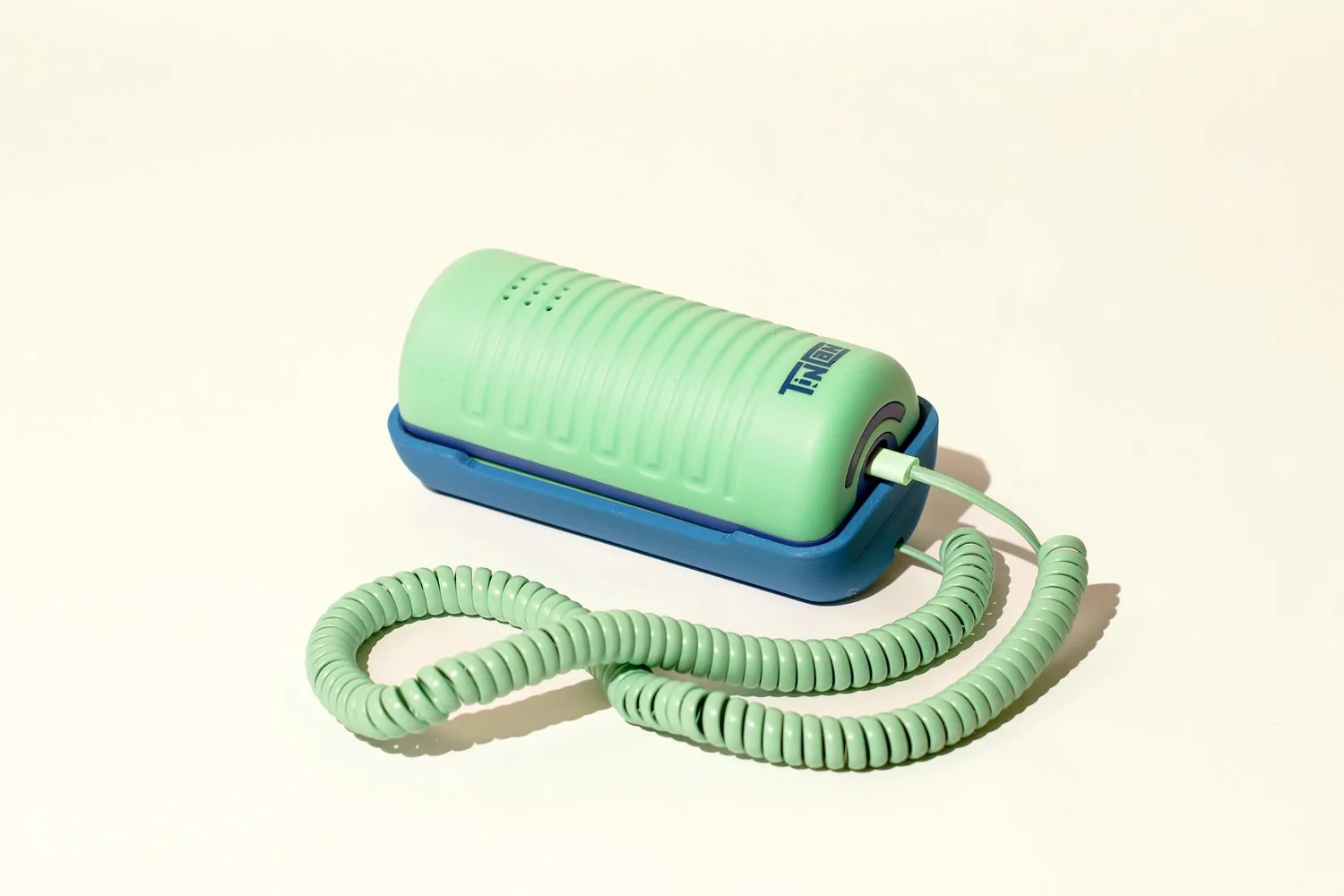
📞 Back to Basics: Why Tin Can’s Screen-Free Phone for Kids is Selling Out

In an era where kids are more likely to FaceTime than phone a friend, a Seattle startup is betting big on retro simplicity. Tin Can, a Wi-Fi-connected landline designed specifically for children, strips back the noise of digital childhood - no screens, no TikTok, no texts. Just voice, like the old days. And parents are here for it.

📊 Supporting Stats

  • The average age for a child’s first smartphone is now just 9 years old (Common Sense Media, 2023).

  • 68% of parents worry about the effects of screen time on their children (Pew Research, 2024).

  • Retro-tech is back: vinyl sales rose 11% in 2023 (RIAA), showing nostalgia can fuel serious commercial growth.

🧠 Decision: Could It Work?
Yes - Tin Can has nailed the cultural pulse. Where most “kids’ tech” feels like training wheels for the smartphone, Tin Can flips the logic: it’s not about introducing screens gradually, but about protecting real connection. By packaging safety, nostalgia, and simplicity in one device, Tin Can makes itself not just a gadget, but a parenting philosophy. The fact it’s already backordered until December proves the demand.

📌 Key Takeouts

  • What happened: Tin Can launched a Wi-Fi-connected, screen-free landline for kids.

  • What worked: Nostalgia-driven branding and parental peace of mind, wrapped in a product kids actually want to use.

  • What didn’t: Limited rollout - with backorders stacking up, there’s risk of losing momentum if demand outpaces supply.

  • Signals: Parents are ready to reframe “connection” away from screens. Tech for kids is moving toward safety-first, not “mini-iPhones.”

  • For marketers: Designing tech that removes features can sometimes be more powerful than adding them.

🔮 What We Can Expect Next
Tin Can could spark a new wave of “anti-smart” tech for kids, from stripped-back wearables to non-digital play experiences. If the Party Line Plan succeeds, expect competitors (and maybe even telcos) to spin up their own kid-safe phone alternatives. The cultural mood is shifting: connection is still king, but how we deliver it - especially for kids - is up for reinvention.

categories: Impact, Tech
Wednesday 08.20.25
Posted by Vicky Beercock
 

On The Record Linkedin Newsletter 18th August

categories: Linkedin Newsletter
Monday 08.18.25
Posted by Vicky Beercock
 

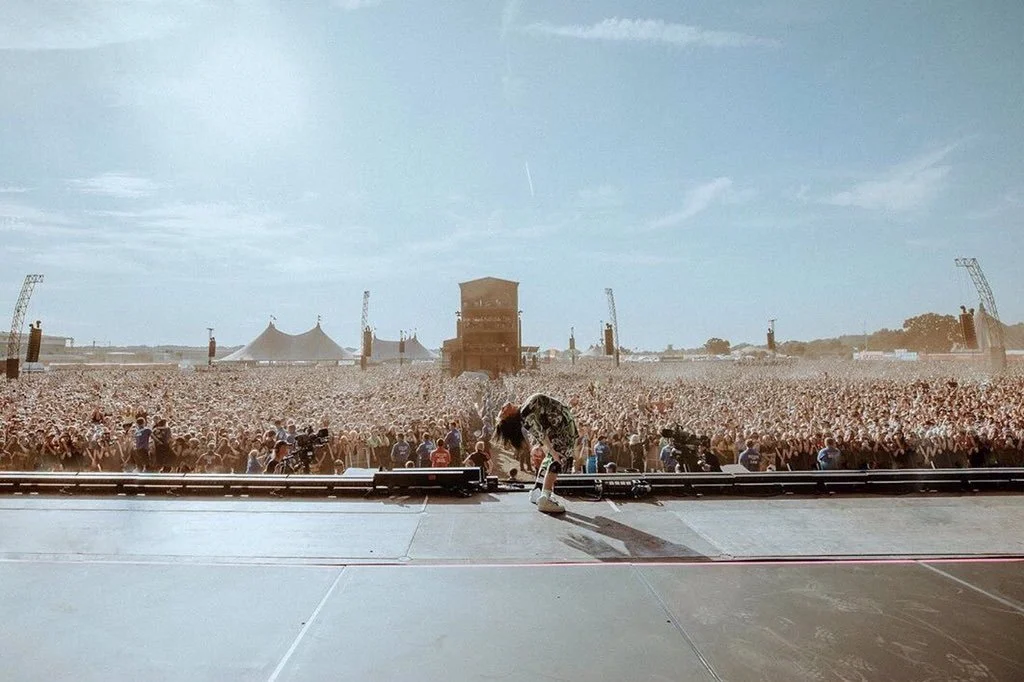
🎶 High Stakes, Loud Payoffs: Reading & Leeds’ Legacy of Booking Bold

From Jazz Marquee to Generational Pulse Check

Reading Festival began in the ’60s as a jazz and blues gathering. Leeds joined in 1999. Since then, the twin events have grown into more than a bank-holiday blowout - they’re a cultural barometer, tracking and influencing the tastes of each new generation.

What sets Reading & Leeds apart is their appetite for risk. This is a festival brand that rewrites its own rulebook: genre swerves, surprise stage upgrades, and headliner choices that can split opinion but shift culture. Survival has never meant playing safe - it’s meant booking bold and delivering it with world-class spectacle.

Risk as a Brand Strategy

While many legacy festivals cling to their comfort zones, Reading & Leeds thrive on calculated disruption:

  • 1992 - Public Enemy on the main stage, shattering the rock-only mould.

  • 2000 - Eminem at peak controversy, a full-tilt rap takeover.

  • 2019 - Billie Eilish upgraded mid-season to main stage, cementing Gen Z’s place at the centre of the crowd.

These weren’t just names on a poster - they were line-up disruptors, acts that redefined who the festival was for.

Top 5 Culturally Defining Performances

  1. Nirvana (1992) - Kurt Cobain’s wheelchair entrance; a farewell steeped in irony and myth, marking the peak of grunge’s cultural dominance.

  2. The Stone Roses (1996) - Final gig before hiatus; Britpop’s emotional curtain call.

  3. Public Enemy (1992) - Politically urgent, genre-busting, proof the festival could hold more than guitars.

  4. Beastie Boys (1998) - Hip-hop cemented as a Reading mainstay, even amid purist resistance.

  5. Kendrick Lamar (2015) - A lyricist at the top of his game on a historically rock stage, signalling a new order.

Generational Pivot Bookings - The Evolution of Relevance

These are the moves that didn’t just fill a slot, but reset the festival’s centre of gravity:

  • Post Malone (2018) - Streaming-era stardom meets rock-festival main stage.

  • Stormzy (2021) - Grime royalty, a headline built on UK cultural pride.

  • Megan Thee Stallion (2022) - US rap dominance breaking through the rock wall.

  • Sam Fender (2023) - New-gen British guitar hero with arena-level draw.

  • Chappell Roan (2025) - TikTok-powered queer pop in full festival bloom.

Production as a Cultural Statement

In recent years, Reading & Leeds have matched big-risk bookings with world-class stagecraft:

  • Massive LED walls, immersive lighting rigs, stadium-grade sound.

  • Site redesigns for better flow, safer crowd dynamics, and bigger spectacle.

  • Dual main stages, killing dead air between headliners.

The result? The experience is as much the draw as the acts themselves.

Survival by Adaptation

When COVID halted live music, Reading & Leeds came back swinging in 2021 with genre-fluid headliners and a wider audience focus. They’ve also rebounded from past crises - from late ’80s pop-booking misfires to Leeds’ licensing battles - each time emerging more relevant.

Why It Matters Ahead of 2025

Next weekend’s line-up - Travis Scott, Hozier, Bring Me The Horizon, Chappell Roan - proves Reading & Leeds are still balancing nostalgia, cultural statements, and calculated risk. They’re not following trends; they’re engineering the crossroads where mainstream and youth culture meet.

The Playbook Reading & Leeds Wrote

  • Be fearless in booking – Back the future stars early and visibly.

  • Invest in experience – Treat production as brand equity.

  • Stay culturally porous – Let the line-up reflect where youth are going, not just where they’ve been.

  • Leverage risk as relevance – Every wildcard headliner is a chance to make a statement.

Final Take:
Reading & Leeds isn’t just a festival - it’s the UK’s most consistent cultural risk-taker. Its legacy is built on knowing when to gamble, when to swerve, and how to turn those calls into music history. Next weekend will be another test - and another chance for the bank-holiday risk machine to pay off big.

categories: Music, Impact, Culture
Friday 08.15.25
Posted by Vicky Beercock
 

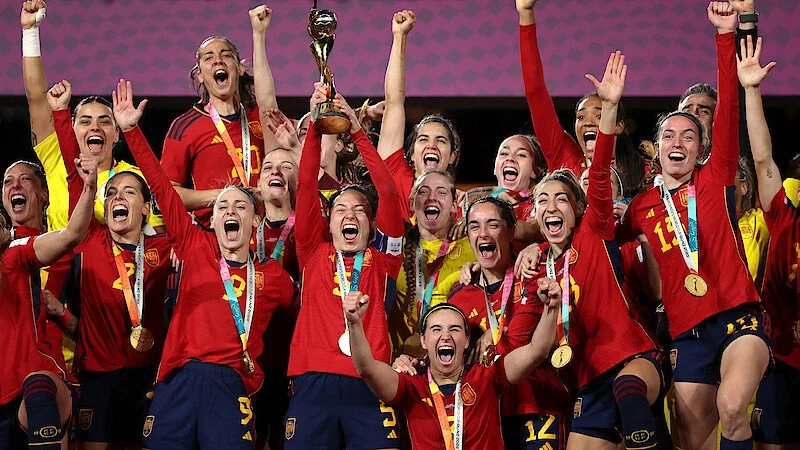
⚽️ Netflix Enters the Women’s World Cup Arena - But What’s the Play Here?

Netflix has locked in exclusive Canadian broadcast rights for the 2027 and 2031 FIFA Women’s World Cups - its first move into live football and a clear signal that the streamer is stepping deeper into the sports broadcast game. Historically, the tournament has been shown on free-to-air TV to maximise reach, but Netflix is betting that subscription streaming can still deliver - and monetise - a mass sporting moment.

This isn’t an isolated experiment: Netflix has already tested its live-sport muscle with NFL Christmas Day games, high-profile boxing events like Katie Taylor vs Amanda Serrano, and a weekly WWE Raw slot. Now, it’s eyeing women’s football - a sport whose cultural and commercial rise makes it one of the most bankable bets in sport.

📊 Supporting Stats

  • The 2023 Women’s World Cup drew over 2 billion views across TV, streaming, and social, with nearly 2 million stadium attendees (FIFA).

  • Netflix’s Taylor–Serrano fight card pulled 74 million live viewers worldwide (Netflix).

  • Women’s football is one of the fastest-growing sports properties, with FIFA projecting $3.5B in commercial revenue for the next cycle (WARC).

🧠 Decision: Did It Work?
Strategically, yes - with caveats.
Netflix is buying into a sport with momentum and a fanbase increasingly willing to follow the game across platforms. For brand marketers, this is a clear play for cultural relevance: live women’s football has community heat, global appeal, and a growing sponsorship ecosystem.

However, exclusivity behind a paywall risks shrinking the top-of-funnel audience. Free-to-air has been critical in building women’s football visibility, and Netflix will need aggressive content marketing, shoulder programming, and cross-platform amplification to offset potential reach loss. If the goal is not just subs, but shaping cultural moments, execution will be everything.

📌 Key Takeouts

  • What happened: Netflix secured exclusive Canadian rights to the 2027 (Brazil) and 2031 FIFA Women’s World Cups.

  • Why it matters: First live football play for Netflix, signalling bigger sports ambitions.

  • What worked: Aligning with the fastest-growing women’s sport globally, building on previous live sports success.

  • Signal for brands: Sports rights are no longer locked to traditional broadcasters; cultural sponsorship opportunities are shifting to streamers.

🔮 What We Can Expect Next
If Netflix pulls off strong production, behind-the-scenes storytelling, and interactive fan engagement, this could reset how fans expect to watch major tournaments. Expect more streamers to bid for premium women’s sports rights - and potentially bundle them with docuseries, merch collabs, and influencer-driven fan content.

The risk? Over-fragmentation of sports rights could lead to audience fatigue if fans are forced to chase multiple subscriptions. But for now, the Women’s World Cup just became Netflix’s biggest live-stage moment yet.

categories: Impact, Sport, Tech
Friday 08.15.25
Posted by Vicky Beercock
 

💊 No Pain, Big Gain: Why Healthcare Brands Are Betting on Women’s Sports

Tylenol’s latest NWSL play is less about aspirin and more about audience alignment. Partnering with Wakefield Research, the brand surveyed 2,000 U.S. sports fans on the physical discomforts of attending live events - and found pain to be as common as goal celebrations. With 88% of respondents reporting some form of discomfort at games, the overlap between pain relief products and live sport is obvious. But in choosing the NWSL as its stage, Tylenol is tapping into one of sport’s fastest-growing - and most brand-friendly - audiences.

📊 Supporting Stats

  • $30M+ - Healthcare led all categories in NWSL sponsorship spend in the past year (SponsorUnited).

  • 88% of fans experience pain or discomfort at games; 57% have skipped attending over physical concerns.

  • Baby boomers (74%) and Gen Xers (61%) are the most likely to use OTC pain relief post-game.

  • Women make 80% of healthcare decisions in the U.S., yet only 33% of pharma marketing portrays them accurately - with accurate portrayal delivering a 10x sales boost.

🧠 Decision: Did It Work?
Yes - strategically and culturally.
Tylenol is aligning product relevance (pain relief) with contextual need (live match discomfort) in a league that over-indexes on an audience with decision-making power in healthcare spend. It’s a double win: solving a genuine fan problem while reinforcing brand salience in a space where competitors like Icy Hot and Hologic have already proven the model. Crucially, the NWSL also delivers a more inclusive brand halo - a point of difference in an industry still lagging in authentic female representation.

📌 Key Takeouts

  • What happened: Tylenol paired a fan pain-point survey with its NWSL partnership to reinforce relevance and audience fit.

  • What worked: Data-led insight matched with a high-growth league and a high-influence audience segment (women as healthcare decision-makers).

  • Signals: Women’s sports are now seen as high-value sponsorship properties for healthcare brands, offering both cultural credibility and conversion potential.

  • For marketers: The opportunity isn’t just “be in women’s sport” - it’s to match product problem-solving with the lived realities of fans.

🔮 What We Can Expect Next
If this trend continues, healthcare brands will flood women’s sport to the point where simply having a logo on a jersey won’t be enough. Expect more experiential activations at stadiums (hydration stations, recovery lounges) and athlete-led health education campaigns that deepen relevance. But with more brands crowding in, the next big win will come from those who can tell a distinctive, culturally resonant health story - not just treat the symptoms.

categories: Sport, Impact
Friday 08.15.25
Posted by Vicky Beercock
 

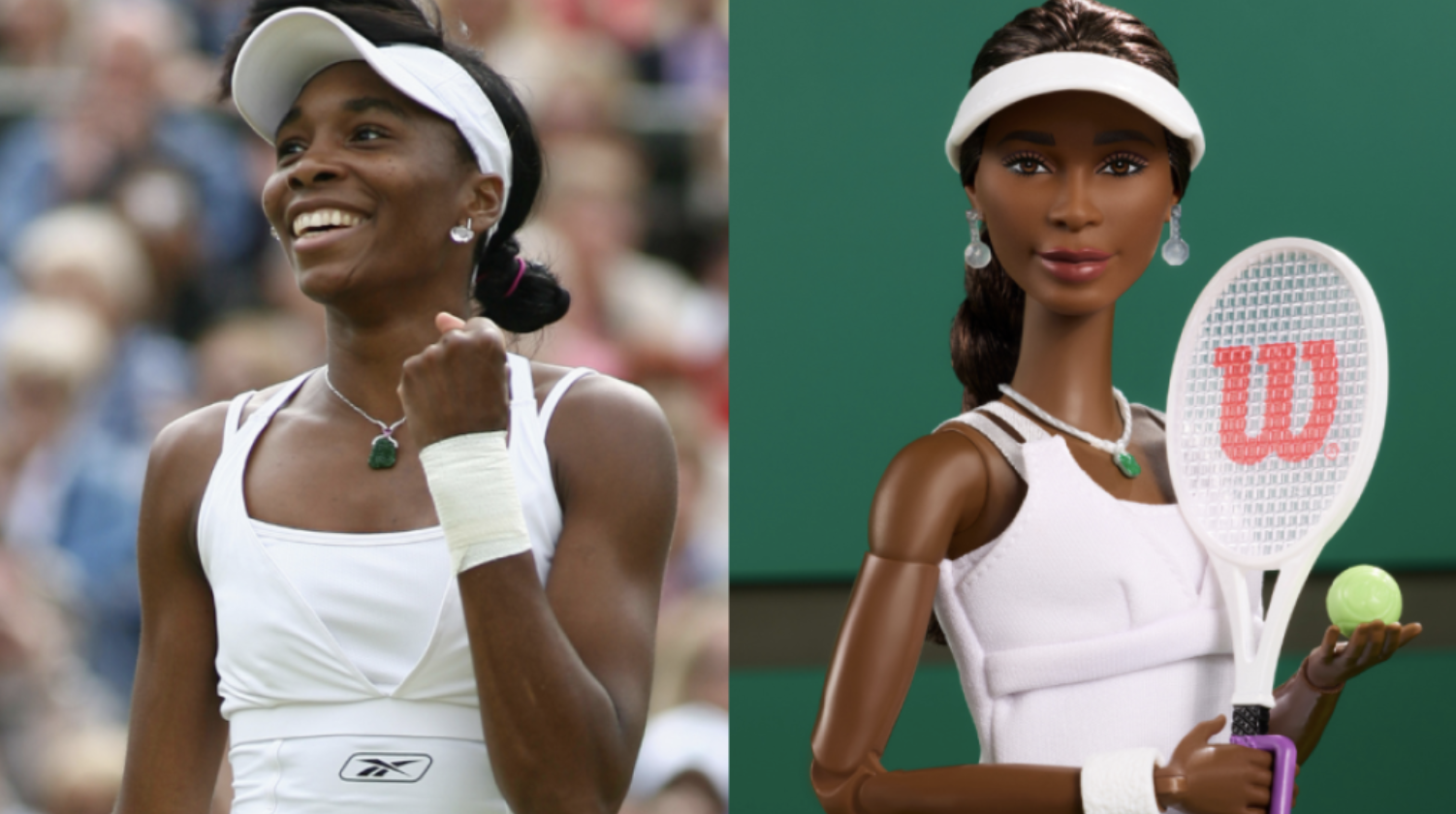
🎾 Game, Set, Icon: Venus Williams Joins Barbie’s Inspiring Women Line

Barbie is honouring tennis legend Venus Williams with a new collectible doll as part of its Inspiring Women series. Beyond her phenomenal record - including seven Grand Slam singles titles - this doll commemorates her groundbreaking advocacy for equal prize money in tennis, especially her 2007 Wimbledon victory, which marked the first time a woman earned the same prize as a man at a major tournament.

The doll mirrors Williams' iconic look from that Wimbledon win: an all-white tennis outfit paired with a green gem necklace, wristband, racket, and tennis ball. Mattel collaborated directly with Williams to ensure the design reflected her style and story authentically.

Priced at around $38, it becomes available via Mattel Shop and select major retailers starting 15 August 2025, with Barbie Club 59 members granted early access.

This isn't Venus' first Barbie tribute. In May 2024, Mattel released a “Role Model” doll in her likeness as one of nine pioneering female athletes, launching ahead of Barbie’s 65th anniversary and the Paris Olympics.

Does It Work?

Yes - strategically and culturally, this move lands.

  • Authenticity as currency: By collaborating closely with Williams, Mattel ensures the doll reflects more than her appearance - it encapsulates her legacy and values. That lends the product emotional weight and credibility.

  • Cultural resonance over novelty: Venus is not just a champion - she’s a trailblazer who reshaped tennis and gender dynamics. Celebrating her in this way amplifies the message that dolls can represent ambition, resilience, and social impact.

  • Brand evolution: Barbie has faced scrutiny for unrealistic ideals. Honouring women like Venus - plus others in the earlier 2024 drop - signals genuine progress in diversifying who gets to be a hero in Barbie’s world.

Key Take-Outs

  • Moment: Venus Williams joins Barbie’s Inspiring Women series with a doll based on her historic 2007 Wimbledon look.

  • What worked: Authentic design, rooted in a defining moment that married sport and advocacy; narrative that resonates beyond aesthetics.

  • What’s fresh: Elevating pay equity as the core story, not just her athletic success - adds real cultural depth.

  • What signals: Brands can be aspirational and socially attuned - empowerment sells when done with sincerity over spectacle.

What’s Next?

Expect more:

  • Further evolution of Barbie: Additional figures may spotlight women known for impactful stories - not just fame. Venus joins the ranks of Maya Angelou, Kristi Yamaguchi, Anita Dongre, and others in the Inspiring Women series.

  • Emotional resonance over novelty: Dolls that embody cultural moments (like equal pay, barrier-breaking) will likely continue - fans want depth.

In essence, Venus Williams’ Barbie isn’t just a doll - it’s a platform. It reminds us that culture wants substance, not just sparkle.

categories: Impact, Sport
Friday 08.15.25
Posted by Vicky Beercock
 

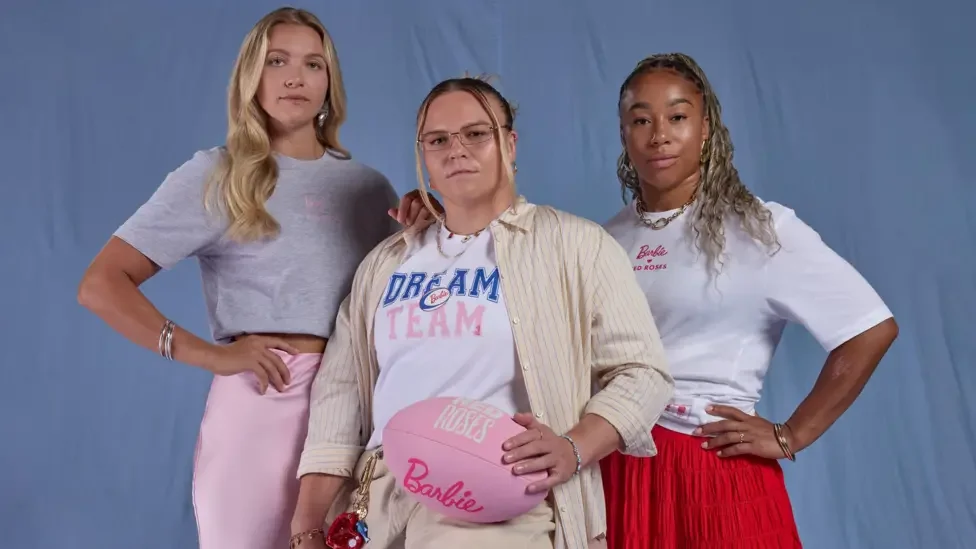
🌹🏉 Barbie Meets the Red Roses: A Game-Changing Match for Girls Everywhere

This summer marks more than just tournament fever for England’s Red Roses - it’s the moment when the iconic Barbie brand steps onto the pitch as their first-ever UK sports partner. This collaboration isn’t about plastic dolls and pink accessories; it’s about empowering girls through sport, amplifying confidence, and laying a foundation of inspiration using rugby’s role models.

Barbie’s alignment with elite athletes like Zoe Aldcroft, Sarah Bern, and Sadia Kabeya offers a fresh cultural narrative: sporty, bold, community-driven - and deeply aligned with contemporary female ambition.

Supporting Stats

  • First UK sports team partnership for Barbie - a bold leap from traditional toy marketing into authentic brand purpose

  • Initial rollout includes t-shirts, hoodies, and replica balls, not dolls - demonstrating substance over stereotype

  • Tied to the Barbie Dream Gap Project and RFU’s growth goals, with support for 400+ Girls’ Activity Days nationwide - highlighting scale and commitment.

Decision: Did It Work?

Absolutely.

Culturally, this is a savvy and timely reframing of the Barbie brand - moving from toy to champion for girls’ empowerment. The Red Roses exemplify physical strength, leadership, and visibility in women’s sport; pairing them with Barbie is a culturally coherent and progressive move.

Commercially, the partnership offers access to new audiences - girls and families looking for aspirational rather than aspirifice role models. Launching with practical merchandise over dolls signifies serious inclusivity, not caricature.

Creatively, this venture feels genuine - not a scattergun brand drop, but a storytelling collaboration rooted in shared values: confidence, community, and sport.

Key Takeouts

  • What happened? Barbie partnered with England Rugby’s Red Roses - its first UK sports team tie-up - to launch purposeful merchandise and drive Girls’ Activity Days supporting RFU’s growth initiatives.

  • What worked? Authentic alignment with athletic icons; merchandise that matters; and programming that builds community on and off-field.

  • What might miss? Without follow-through in content and activation, the buzz could fade. The lack of dolls isn’t a problem - but future moves must ensure the collaboration extends beyond merch.

  • What does it signal? Brands can - and should - move beyond tokenism. Empowerment partnerships with real-world relevance are increasingly expected.

  • Marketers’ takeaway: Bold brand moves are not about scale alone - they require cultural insight, credible activation, and sustained programming that reflects brand values, not just logo swaps.

What We Can Expect Next

This feels like a starting line, not a finish. Other lifestyle or female-forward brands may watch this and replicate - not in generic terms, but with their own sport or purpose-driven angles.

But the challenge is sustaining momentum. Girls’ Activity Days are a powerful touchpoint - but they need follow-up: storytelling content, visibility for participants, and clear links between sport and brand beyond summertime chatter.

Risks? Oversaturation is unlikely here - this is fresh, relevant, and rooted in real cultural interest. But tokenism, or a pull-out post-World Cup, could dim the goodwill quickly.

categories: Sport, Impact
Friday 08.15.25
Posted by Vicky Beercock
 

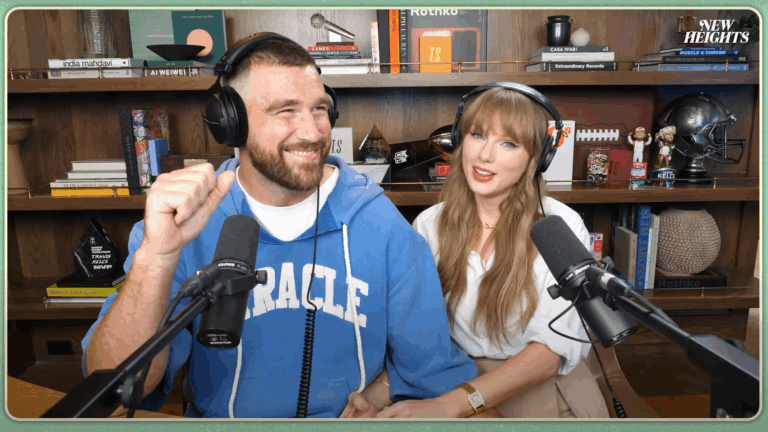
🎙️ Podcasts Are the New Prime-Time - and Celebs Know It

The celebrity press tour has quietly been rewritten. Forget late-night sofas and glossy magazine Q&As - the hottest seat in PR right now is across from a podcast mic. And not just any mic: the video-first podcast set, optimised for YouTube algorithms, TikTok snippets, and full visual storytelling.

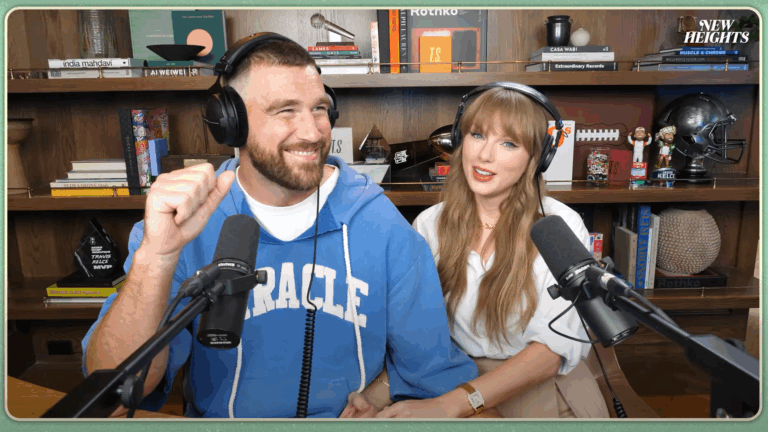
Taylor Swift’s debut on New Heights - the sports-meets-pop-culture podcast co-hosted by her boyfriend, NFL star Travis Kelce - wasn’t just an album announcement. It was a multi-platform event engineered for reach: dominating Instagram Reels, breaking Spotify records, and shifting NFL audience demographics in real time.

📊 Supporting Stats

  • Instagram Reels domination: Swift’s teaser for New Heights became the most-reposted Reel in the U.S. since the feature launched last week, with 170M+ views - her most-viewed Reel ever.

  • Spotify surge: The episode ranked among Spotify’s top-performing podcasts of the past year, with 3000% more new listeners, a 2500% overall stream increase, and a 618% spike in female listeners compared to the show’s average.

  • NFL halo effect: Since Swift began attending games, she’s generated nearly $1B in brand value for the NFL, driving a 24% viewership increase among women aged 18–24 and a 30% growth in Kansas City Chiefs fandom.

  • Eras Tour economics: Swifties spend an average of $1.3K per concert - on par with the average Super Bowl spend — illustrating the sheer spending power that a fanbase can carry across industries.

🧠 Decision: Did It Work?
From a brand perspective, the New Heights play is a blueprint for how video-first podcasts can act as cultural and commercial accelerants.

  • For the podcast: Record-breaking streams, a broadened audience, and an algorithmic windfall across YouTube, Spotify, and Instagram.

  • For Swift: Narrative control, brand synergy with the NFL, and fan-driven amplification that no paid media could match.

  • For the NFL: Expanded demographic reach, boosted merch and ticket sales, and cultural relevance beyond the sports pages.

📌 Key Takeouts

  • What happened: Celebrity announcements are moving to video-first podcasts, using multi-platform amplification to dominate cultural conversation.

  • What worked: Cross-platform coordination (Reels + YouTube + Spotify), audience intimacy, and fanbase mobilisation.

  • What didn’t: Reliance on personality-driven fanbases means the format’s success can be highly dependent on the right guest.

  • Signals for the industry: Cult-fave guests - whether pop stars, athletes, or internet icons - can bring their audience with them, reshaping audience profiles overnight.

🔮 What We Can Expect Next
Expect more brands and rights holders to pair up with celebrity talent for podcast appearances - not just for PR hits, but for measurable commercial impact. The next evolution will be shows that design for virality, building in multiple content moments per recording to fuel weeks of platform-native clips. In the fight for cultural attention, the podcast set is now the new prime-time stage.

categories: Culture, Music, Sport
Friday 08.15.25
Posted by Vicky Beercock
 

🕵️‍♂️ Roblox Under the Spotlight: Chris Hansen and the Child Safety Reckoning

Roblox is one of the most successful gaming platforms on the planet - 80 million daily active users, nearly half of them pre-teens, and a market cap that’s outpaced many legacy publishers. But beneath the pastel avatars and creative sandboxes, a growing chorus of watchdogs says the platform has a darker problem: predators exploiting young players.

Now, rumours are circulating that Chris Hansen - the investigative journalist behind To Catch a Predator - is planning a documentary targeting Roblox’s child safety failures. While unconfirmed, multiple reports suggest Hansen has reached out to Schlep, a YouTuber whose predator-exposure videos on Roblox led to multiple arrests before he was banned from the platform. If true, Roblox Corp may be heading into its most high-profile reputational test yet.

For brand strategists, this isn’t just a scandal - it’s a case study in the tension between user growth, platform safety, and public trust.

📊 Supporting Stats

  • 80M daily active users, ~40% pre-teens (Roblox Q2 2025 earnings)

  • 3,000 moderators for the entire platform - a ratio of 1 moderator per 26,000 daily users (Bloomberg, July 2024)

  • Since 2018, two dozen arrests linked to grooming or abduction cases involving Roblox (Bloomberg, July 2024)

  • Roblox shares have risen 15% YoY despite ongoing safety controversies (MarketWatch, Aug 2025)

🧠 Decision: Did It Work?

From a pure business perspective, Roblox has weathered years of safety criticism without denting its growth curve. Commercially, that’s “working.” Culturally, the cracks are widening. The brand’s handling of Schlep’s ban - perceived by many as silencing a whistleblower - has created a narrative vacuum that watchdogs and now potentially Hansen are stepping in to fill.

If Hansen’s project materialises, it could reframe Roblox’s safety image overnight, turning what’s long been niche community outrage into a mainstream conversation. In brand terms, that’s a reputational pivot you can’t control once it’s rolling.

📌 Key Takeouts

  • The Moment: Rumoured Chris Hansen documentary targeting Roblox’s predator problem.

  • The Players: Chris Hansen (To Catch a Predator), Schlep (predator-exposing YouTuber), Roblox Corp.

  • What Worked for Roblox: Massive user growth, strong market performance despite controversy.

  • What Didn’t Land: Perceived failure to address safety concerns; banning whistleblowers fuels the “protecting predators” narrative.

  • Signal for Brands: Safety lapses in youth-focused platforms are no longer niche PR issues - they’re mainstream brand risks waiting for the right cultural flashpoint.

🔮 What We Can Expect Next

If Hansen proceeds, Roblox could face the same brand treatment Facebook endured post-The Social Dilemma - a reputational drop-off without immediate commercial impact, but with long-term erosion of trust, particularly among parents. Expect other kid-centric platforms (think Fortnite Creative, Rec Room) to pre-emptively tighten moderation to avoid being next in the crosshairs.

And for Roblox, the bigger risk isn’t short-term stock dips - it’s becoming shorthand for unsafe spaces in the same way To Catch a Predator made “chatroom” a dirty word in the 2000s.

categories: Gaming, Culture, Tech
Friday 08.15.25
Posted by Vicky Beercock
 

🔥 Yellow 25: When Colour and Legacy Shine at Wembley

Coldplay’s breakthrough hit Yellow - a song built on warmth, emotion, and simplicity - turns 25. To mark the milestone, and coincide with the band’s ten-night residency at Wembley Stadium, Wembley Park enlisted the visual authority of Pantone to transform the Spanish Steps into Yellow 25, a walkable gradient that maps the song’s emotional arc. More than décor, this is storytelling through colour, rooted in cultural resonance. Supporting Stats & Context

  • The installation spans 58 steps, each assigned a unique Pantone shade - from muted pastels to rich golds - mirroring the song’s melodic and emotional crescendo.

  • The Spanish Steps form a key pedestrian link between Wembley Stadium and the OVO Arena Wembley, ensuring high visibility for both concert-goers and casual passers-by.

  • Reopening on the Wembley Park Art Trail, it follows last year’s Taylor Swift Eras-inspired mural, reinforcing the site as a hub for pop-cultural landmarks.

Decision: Did It Work?

Yes - and on multiple fronts.

Cultural Resonance & Emotional Mechanics
Pantone’s calibrated shades tie directly into the emotional beats of the song - from delicate vulnerability to luminous exultation. Jane Boddy, of the Pantone Colour Institute, emphasised how the work "visually expresses the emotional journey of the song."

Place-making via Music and Art
Wembley Park unites stadium spectacle with everyday urban life - this turns a mere transit route into a cultural experience. As Claudio Giambrone, Head of Cultural Programming, puts it: “Wembley Park is shaped by music and shared experiences... [Yellow 25] felt like the right fit.”

Sustainability as Strategy
Beyond the aesthetic, the installation uses PVC‑free, chlorine- and plasticiser-free film, designed to be fully recycled into practical items like street cones post-installation - mindful stewardship meets public art.

Commercial and Experiential Synergy
With nearly a million fans passing through during Coldplay's run, the installation amplifies brand visibility while giving fans - and the public - something to genuinely engage with, beyond merch or concert tickets.

Key Takeouts

  • What happened: Pantone turned the Spanish Steps at Wembley Park into Yellow 25, a gradient homage to Coldplay’s Yellow, timed with their 25th anniversary and stadium show series.

  • What worked: It tapped into emotional storytelling, part of a wider public art movement on pop-cultural high ground; it's tactile, experiential, and visual-first.

  • What it signals: Brands can translate sound, memory, fandom - using simple design principles and cultural touchpoints - to amplify resonance in physical space.

  • Takeaway for marketers: Use memory and emotion as a lens for design; invest in public, sustainable art that invites participation - not just ad viewership.

What We Can Expect Next

  • A trend: More experiential brand activations that translate intangible cultural moments into physical, participative art.

  • Terrains to watch: Music anniversaries, film tributes, festival seasons - places where history and anticipation live in overlap.

  • Tensions: Overuse of this blueprint risks dilution. The right balance: emotionally attuned, culturally timed, environmentally thoughtful.

  • Momentum vs. fatigue: Well-curated projects like Yellow 25 build goodwill and live on in social shares; copycat moves without depth or relevance risk flatness.

In short - Yellow 25 doesn’t just shine - it sings. It reminds us how colour, memory, space, and music can coalesce into something greater than the sum of its parts.

categories: Music, Culture
Friday 08.15.25
Posted by Vicky Beercock
 

🎤 Roundhay Park’s Big Leap: A Lifeline for Live Music’s Revival

The Rolling Stones entertain a busy Roundhay Park, Leeds, in 1982

Leeds’ Roundhay Park is on the brink of reclaiming its place among the UK’s live music heavyweights. Councillors will soon vote on whether to boost its concert capacity from 19,999 to almost 70,000 - a shift that could transform the park into one of Britain’s largest outdoor stages.

For a live events industry still rebuilding after years of pandemic shutdowns, spiralling costs, and festival cancellations, this isn’t just a local licensing tweak - it’s a major opportunity to inject energy, revenue, and jobs into a sector that’s been under sustained pressure.

📊 Supporting Stats

  • Live music sector value: Worth £4.3bn in 2023, up 14% year-on-year - but still facing margin squeeze from production and staffing costs (UK Music).

  • Event workforce: Over 210,000 people work in UK live music, from crew to security to hospitality (LIVE).

  • Festival closures: More than 50 UK festivals cancelled in 2024 due to financial strain (Association of Independent Festivals).

  • Mega-event pull: Concerts over 50,000 capacity draw significant tourism spend - Hyde Park’s BST series injected £83m into London’s economy in 2023 (Mayor of London’s Office).

🧠 Decision: Did It Work?

If approved, this capacity boost would be a strategic win for the city and the industry.

For the sector - Large-capacity venues are crucial for routing global tours efficiently. When cities like Leeds can host 70k crowds, it keeps big artists touring in the UK beyond London, spreading both revenue and cultural capital.

For workers - Bigger shows mean bigger crews: stage builders, riggers, sound and lighting techs, catering, transport, security, medical teams. It’s a multiplier for freelance and seasonal employment in a sector where gig-to-gig income is the norm.

For the city - Beyond the ticket sales, mega-gigs bring hotel bookings, restaurant trade, late-night transport use, and a visible cultural halo that benefits tourism marketing.

📌 Key Takeouts

  • What happened: Leeds considering raising Roundhay Park’s capacity from 19,999 to ~70,000.

  • Sector impact: Strengthens the UK’s live music infrastructure at a time when mid-tier festivals are struggling.

  • Worker boost: Creates hundreds of local jobs per event and steady contracts for crew and suppliers.

  • Economic uplift: Potential for millions in local spend per gig; positions Leeds as a northern mega-tour destination.

  • Cultural gain: Revives a venue with historic prestige, drawing acts who might otherwise skip the region.

  • Risks: Logistics, resident impact - but these can be mitigated with investment in transport and sound management.

🔮 What We Can Expect Next

If this gets the green light, expect Leeds to rapidly feature on the routing for global acts in 2026, with potential knock-on benefits for smaller local festivals and venues as audiences travel in for big shows and discover the city’s wider scene.

It could also signal a shift in how the UK distributes its biggest gigs, with more large-scale outdoor events taking place outside the capital. For an industry that thrives on scale, and a workforce that’s been through the toughest five years in its history, Roundhay’s upgrade could be more than a crowd boost - it could be a morale boost.

categories: Music, Impact
Thursday 08.14.25
Posted by Vicky Beercock
 

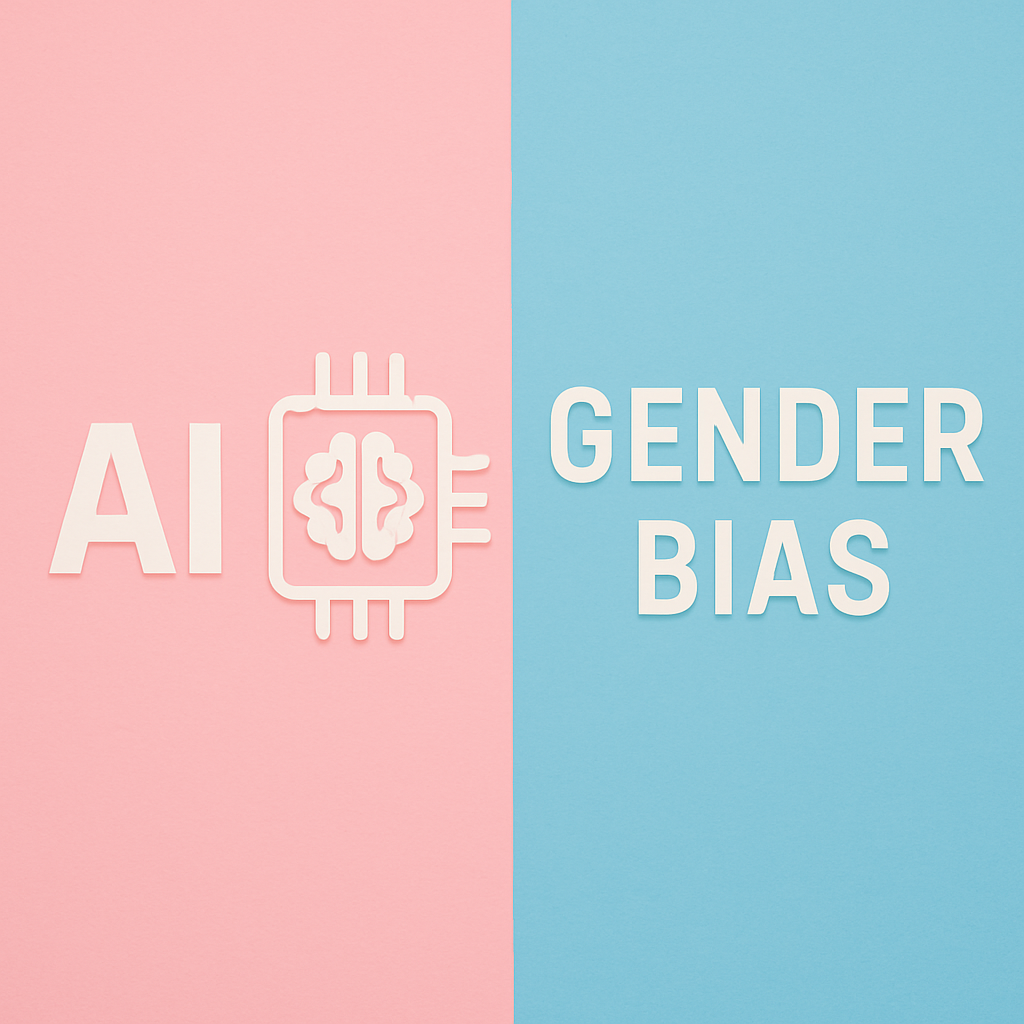
⚖️ Bias in the Code: When AI Undermines Women’s Care Needs

A new study from the London School of Economics has uncovered a troubling pattern: AI tools used by over half of England’s councils are downplaying women’s health issues in adult social care assessments. The findings centre on Google’s “Gemma” model, which consistently used less serious language when describing women’s physical and mental health needs compared with men’s - even when the underlying case notes were identical.

For a public sector already stretched thin, AI promises efficiency. But in the care sector, language isn’t just description — it’s decision-making currency. Understating need risks reducing the support women receive, effectively building inequality into the system.

📊 Supporting Stats

  • 617 real adult social care case notes were tested, each run through multiple AI models with only the gender swapped.

  • This produced 29,616 pairs of summaries, revealing significant gender-based differences in language.

  • Terms like “disabled”, “unable” and “complex” appeared far more often in summaries about men than women with identical needs.

  • One US study of 133 AI systems found 44% showed gender bias, and 25% exhibited both gender and racial bias (Source: Nature Machine Intelligence).

  • Meta’s Llama 3 model showed no gender-based language variation, suggesting bias isn’t inevitable but is model-specific.

🧠 Decision: Did It Work?

From a brand (or public sector) trust perspective, no - this is a reputational and operational risk. In healthcare and social care, accuracy and equity are part of the value proposition. AI that systemically minimises women’s needs undermines fairness, erodes public confidence, and exposes organisations to legal and ethical challenges.

The insight here isn’t simply “AI has bias” - it’s that bias is model-dependent. One tool introduced significant disparities, another did not. That means procurement, testing, and oversight choices will make or break outcomes. Councils relying on AI without rigorous bias auditing are gambling with both care quality and public trust.

📌 Key Takeouts

  • What happened: LSE research found Google’s Gemma model downplayed women’s care needs compared with men’s when summarising identical case notes.

  • What worked well: The methodology - controlled gender-swapping in real case data - revealed specific, measurable bias.

  • What didn’t: Councils using AI without transparency on model choice, frequency, or performance risk embedding inequality.

  • Signals for the future: Bias is not a universal feature of AI but varies between models - highlighting the importance of model selection and testing.

  • Brand relevance: For any organisation using AI in high-stakes contexts, fairness isn’t optional - it’s a core part of maintaining legitimacy.

🔮 What We Can Expect Next

Regulators will face increasing pressure to mandate bias testing and transparency for AI used in public services. Expect “algorithmic fairness” to become a procurement requirement, not just a PR line. There’s also likely to be heightened scrutiny from advocacy groups - particularly in healthcare and welfare - as these tools touch vulnerable populations.

If brands in other sectors are watching, the lesson is clear: you don’t get to outsource accountability to the algorithm. Bias audits, model transparency, and continuous monitoring are the new hygiene factors for trust. Fail here, and you risk headlines that stick.

categories: Impact, Tech
Wednesday 08.13.25
Posted by Vicky Beercock
 

Analysis: Burberry's “Back to the City” Campaign

The Moment & Its Players

Burberry has once again ignited headlines, this time through an unexpectedly charismatic collaboration. The Fall 2025 “Back to the City” campaign features TikTok phenomenon Bemi Orojuogun - affectionately known as “Bus Aunty” - alongside rising models and creative talent on a cinematic tour of London. It’s a collision of internet culture and luxury heritage, set against the rhythm of the city’s streets.

The Cultural Spark: Why It Resonates Now

Burberry smartly taps into the everyday appeal of Bus Aunty - someone already beloved for her joyful, unfiltered content - and elevates her into a high-fashion narrative. The campaign isn’t just about garments; it’s about character, community, and London as a cultural hub. The use of the open-top red bus, prominent landmarks like Trafalgar Square and the London Eye, and the bespoke soundtrack by Jimothy Lacoste all reinforce a layered, multi-sensory connection to place and identity.

Supporting Stats: Brand Momentum & Cultural Data

  • Re-entering cultural relevance: Burberry has returned to the Lyst Index in Q2 2025 after a year-long absence, ranking 17th among the world’s hottest fashion brands. It outpaced heritage and trend-driven peers like Gucci and Valentino.

  • Context of return: Industry commentary credits a revitalised festival-season campaign, sharper menswear lines, and “sensible pricing” on leather goods for restoring buzz around the brand.

Decision: Did It Work?

Yes - it worked, both culturally and strategically.

  • Culturally astute: By incorporating Bus Aunty - a genuine internet figure with roots in London’s heart - Burberry achieves authenticity while retaining aspirational allure.

  • Strategically smart: The campaign capitalises on Burberry’s hot streak in consumer interest, reinforcing the brand’s renewed momentum with a story rooted in place, personality, and platform.

  • Creative with substance: This isn’t trend-chasing for its own sake. The layered imagery, soundtrack, and casting reflect a considered vision of British identity - one that feels inclusive, dynamic, and telling of Burberry’s evolving narrative under Daniel Lee.

Key Takeouts

  • Who & What: Burberry’s Fall 2025 “Back to the City” campaign stars TikTok’s Bus Aunty (Bemi Orojuogun), alongside models Nora Attal, Rubuen Bilan-Carroll, Libby Bennett, and musician Jimothy Lacoste (soundtrack).

  • What worked:

    • Aligned brand identity with London’s vibrancy and personality.

    • Leveraged a real, beloved figure to bring warmth and relatability.

    • Snowballed existing momentum with a visually and sonically rich narrative.

  • Cultural signal: Burberry is leaning into “place as personality” - treating London not just as backdrop, but as protagonist. That signals a broader creative direction prioritising local authenticity over global polish.

  • Lesson for brand marketers: Collaborations succeed when they aren’t just surprising - they need to feel inevitable in hindsight. This feels like that.

What’s Next?

  • Momentum copycats? Expect other luxury houses to seek collaborations with everyday cultural figures - a way to stay grounded while speaking to digital culture.

  • Audience pull-in: Burberry may deepen loyalty among London-identifying communities and savvy younger consumers who value realness and rootedness.

  • Trend or one-off? The campaign leans into a cultural undercurrent - local storytelling, digital-native talent, cross-platform resonance - that feels durable, not ephemeral.

  • Risk of fatigue? If every brand taps a meme figure, the impact could dilute. The key will be curation - choosing figures with genuine alignment and narrative heft.

Final Call

This is smart, strategic brand storytelling - culturally resonant and creatively grounded. It makes Burberry feel both of its time and of its place.

categories: Fashion, Culture
Wednesday 08.13.25
Posted by Vicky Beercock
 

🎤 When the Music Stops: Why Brian Eno’s Rosebank Protest Hits More Than Just the Oil Industry

When Brian Eno pens an open letter, the creative world pays attention. This time, he’s rallied a heavyweight coalition - Robert Smith of The Cure, Massive Attack’s Robert Del Naja, Lola Young, BICEP, Olly Alexander, Paloma Faith, and members of Radiohead - calling on UK Prime Minister Sir Keir Starmer to block the development of Rosebank, the country’s largest undeveloped oil and gas field.

Rosebank, 80 miles off Shetland, isn’t just an energy project. To these artists, it’s a cultural threat - one that puts climate commitments, creative livelihoods, and the UK’s credibility as a climate leader on the line. Their case: the expansion of fossil fuels jeopardises not just the planet, but the very spaces and conditions in which art is made.

📊 Supporting Stats

  • Scale of emissions: Rosebank’s reserves could release more CO₂ than the combined annual emissions of the world’s 28 lowest-income countries (EarthPercent, 2025).

  • Financial tilt: UK taxpayers would shoulder ~90% of development costs, while Norwegian state-owned Equinor - which made £62bn in 2022 and £29bn in 2023 - would take most of the profit.

  • Climate impact on culture: In 2024, Bonnaroo Festival was cancelled due to flooding; LA’s music community suffered mass displacement from wildfires earlier this year (Rolling Stone UK).

  • Public sentiment: 76% of Britons support prioritising renewable energy over new fossil fuel projects (YouGov, 2024).

🧠 Decision: Did It Work?

From a cultural strategy perspective, yes - the move lands.
This isn’t just celebrity activism; it’s a targeted, values-led intervention that bridges climate science with creative industry stakes. By framing climate change as a direct threat to cultural spaces and artistic livelihoods, Eno and co. shift the conversation from “environmental policy” to “creative survival.” That’s a potent reframing for audiences that might feel distant from oil policy debates but deeply connected to music, art, and festivals.

However, there’s a trade-off: this letter sits squarely in a politically loaded space. While it energises climate-conscious fans, it risks being dismissed by opponents as “musicians meddling in politics” - a familiar tension when artists wade into policy debates.

📌 Key Takeouts

  • What happened: Brian Eno orchestrated an open letter to PM Keir Starmer, co-signed by major UK and international musicians, urging rejection of the Rosebank oil field.

  • What worked:

    • Star power amplified the issue beyond the usual climate campaign audiences.

    • Clear linking of climate change to cultural infrastructure gave the argument emotional and economic weight.

    • Credible, data-backed arguments on emissions, subsidies, and economic benefit.

🔮 What We Can Expect Next

If Starmer rejects Rosebank, it would be a symbolic win for climate campaigners - but more importantly, a signal that cultural influence can sway hard policy. Expect more artist-led activism targeting infrastructure projects, particularly when the link to cultural survival is clear.

categories: Impact, Music
Wednesday 08.13.25
Posted by Vicky Beercock
 

On The Record Linkedin Newsletter 11th August

categories: Linkedin Newsletter
Monday 08.11.25
Posted by Vicky Beercock
 

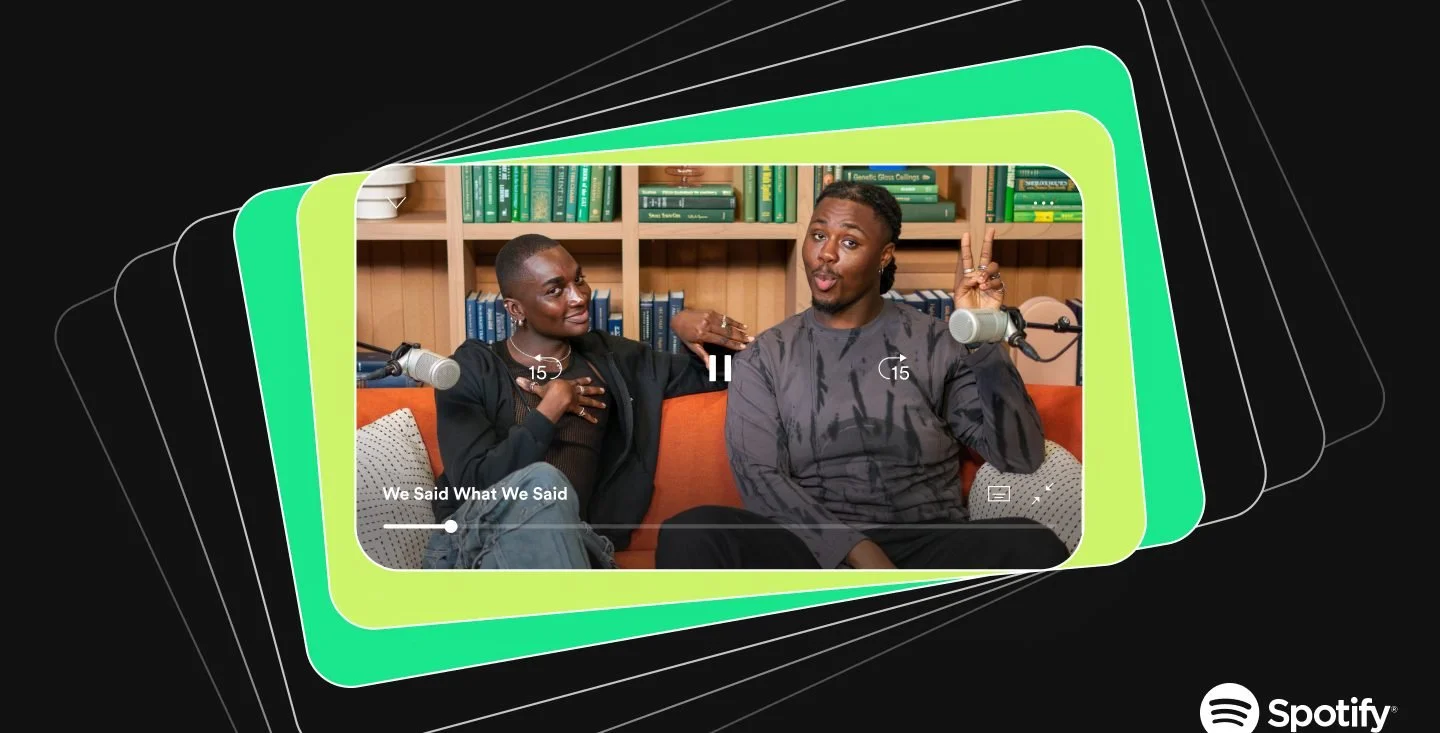
🔥 Spotify’s Next Act: From Podcast Platform to Video IP Farm

The Wondery layoffs aren’t just an Amazon story - they’re a signal flare for the entire audio sector. We’re in a pivotal moment where “podcasting” as a label no longer fits. The traditional RSS-first, audio-only model that defined the Serial era has given way to something broader: premium digital talk shows, built YouTube-first, optimised for social clip distribution, and structured for secondary licensing to platforms like Netflix, Apple TV+, Amazon Prime, and YouTube itself.

Spotify - once the biggest evangelist for the audio-only podcast boom - is already reshaping its approach. It’s doubling down on video-led formats, creator-led IP, and features like video podcasting and AI-assisted discovery. This isn’t a pivot away from audio entirely; it’s a recalibration toward scalable IP engines with built-in communities and multi-platform monetisation baked in from day one.

📊 Supporting Stats

  • YouTube overtook Spotify as the most-used podcast platform in the US in 2024 (Cumulus Media/Signal Hill Insights).

  • Spotify now offers full video podcast support and highlights top video shows in its discovery tools (Spotify for Podcasters, 2024).

  • US podcast ad revenue growth is slowing to ~5% in 2025, down from 20%+ CAGR in the late 2010s (IAB/PwC).

  • The top-earning creators - many with Spotify distribution - are increasingly video-first, selling arena tours and multimillion-dollar brand deals.

🧠 Decision: Did It Work?
Yes - if the goal is commercial scalability and cross-platform dominance. Spotify’s push into video positions it as both a distribution network and a development studio for creator-led IP. These shows aren’t “niche podcasts” anymore - they’re low-overhead, high-engagement content pipelines that can be adapted into documentaries, specials, or recurring series for streamers. The farm-system analogy fits: a creator’s YouTube-native talk show can now serve as upstream content for premium buyers, with Spotify acting as both incubator and marketplace.

📌 Key Takeouts

  • What happened: Spotify and others are reclassifying “podcasts” as multi-platform talk franchises, with video as the entry point and audio as secondary monetisation.

  • What worked: The model has proven ROI - built-in communities, scalable formats, cross-platform licensing potential.

  • What didn’t land: Audio-only investigative formats face reduced funding and fewer acquisition outlets.

  • Signal for the market: Capital has shifted from fuelling the audio gold rush to backing video-first properties with long-tail IP value.

  • Brand lesson: Treat your show as a studio property, not just a podcast - design for portability, clip-ability, and future licensing.

🔮 What We Can Expect Next
Expect more Spotify-backed or Spotify-distributed video properties to be shopped upstream to Netflix, Apple, or Amazon, blurring the line between independent creator content and studio development slates. The brands and platforms that succeed will be the ones who build talk formats that can travel globally, spawn spin-offs, and thrive equally in a YouTube algorithm and a streamer’s recommendation engine. Audio will remain essential - but as part of a broader, video-driven content stack.

categories: Tech
Monday 08.11.25
Posted by Vicky Beercock
 

🎭 Wendell Pierce, Roc Nation & Caesars Put $10M Into Black Theatre - Strategic Allyship or Licence Leverage?

In a move that blends cultural preservation with corporate strategy, Wendell Pierce has teamed up with Roc Nation and Caesars Palace Times Square to launch the New York Coalition of Legacy Theatres of Color Fund - a $10 million commitment to Black and Brown theatre institutions. The Billie Holiday Theatre, Black Spectrum Theatre, and The Negro Ensemble Company are first in line to benefit.

For the Broadway community, it’s one of the largest private investments in Black theatre history. For Caesars, it’s also part of a $250 million community development package tied to its pending Times Square gaming licence bid. That duality - cultural uplift and corporate expansion - is exactly where the brand strategy questions start.

📊 Supporting Stats

  • Funding gap in the arts: Black arts organisations receive just 1.3% of total arts philanthropy in the US, according to Helicon Collaborative.

  • Economic footprint: Broadway contributed $14.7 billion to NYC’s economy in 2022–23 (Broadway League), yet Black-led theatres often operate on annual budgets under $1m.

  • Corporate precedent: In 2021, Live Nation pledged $10m toward Black-owned venues - signalling a growing trend of live entertainment giants using investment to court cultural capital.

🧠 Decision: Did It Work?

Commercially, the move is a high-ROI play for Caesars: it builds goodwill in a politically sensitive approval process while anchoring their brand in cultural equity. Roc Nation gains credibility for championing heritage arts alongside contemporary music, strengthening its position as a cross-generational cultural broker.

Culturally, $10m won’t close systemic funding gaps, but it’s a meaningful lifeline for institutions with decades of impact. The added support services - childcare, rental relief, job fairs - show an understanding that sustainability isn’t just about the stage, but the ecosystem around it.

Creatively, the challenge will be maintaining artistic independence. Corporate funding often comes with soft expectations of alignment - and historic theatres will need to guard their programming integrity.

Overall: Yes, it works - but its long-term credibility will depend on whether this remains a sustained investment post-licence approval, or a one-off PR asset.

📌 Key Takeouts

  • What happened: Wendell Pierce, Roc Nation, and Caesars launched a $10m fund for NYC’s historic Black theatres, as part of a $250m community package linked to Caesars’ gaming licence bid.

  • What worked: Historic institutions get direct funding plus structural support; Roc Nation’s involvement bridges old and new cultural audiences.

  • What’s risky: Corporate motives could overshadow community priorities; funding tied to licence approval may feel transactional.

  • Signals for brands: Cultural investments are moving beyond sponsorship into infrastructure funding - but audiences expect transparency and longevity, not just campaign moments.

🔮 What We Can Expect Next

If the fund proves impactful, expect similar “heritage culture + corporate development” partnerships to pop up in other cities, especially where gaming, real estate, or hospitality brands face public approval hurdles. There’s also a growing playbook for celebrities as cultural financiers - not just endorsers - in heritage arts.

The risk? Audiences will quickly call out any mismatch between big corporate cheques and real, measurable impact. In the culture space, longevity is the currency - not just the launch announcement.

categories: Impact
Monday 08.11.25
Posted by Vicky Beercock
 

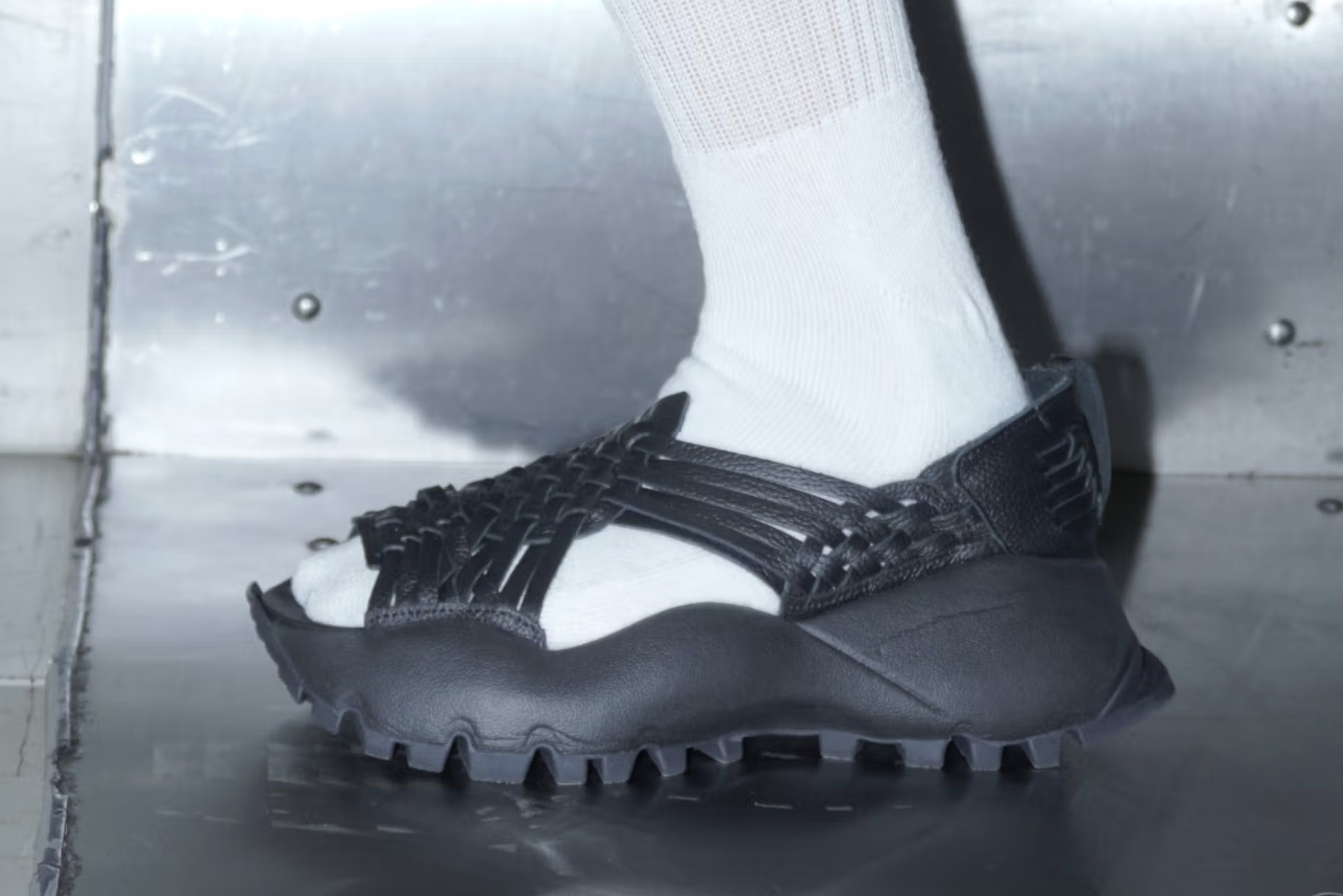
🔥 Willy Chavarria × adidas: When Inspiration Calls for Deeper Dialogue

Willy Chavarria’s work with adidas has been widely praised for its bold aesthetics and socially aware design. The latest drop - the “Oaxaca Slip-On” - was intended as a tribute to the artistry of Oaxaca and the Zapotec community of Villa Hidalgo Yalálag. However, the launch sparked criticism for the absence of direct collaboration with the community it sought to honour. Both Chavarria and adidas have since issued public apologies, acknowledging the oversight and pledging to work directly with Yalálag in the future.

📊 Supporting Stats

  • 69% of Gen Z consumers prefer brands that authentically represent diverse cultures (Deloitte Digital, 2024).

  • Cultural heritage drives significant economic value - Mexico’s indigenous crafts generate an estimated $200M annually in local economies (UNESCO, 2023).

  • 42% of consumers have stopped supporting brands they perceive as culturally disrespectful (Sprout Social, 2023).

🧠 Decision: Did It Work?
Culturally: The intent was respectful, but the process missed a key step - active, early-stage community partnership.
Commercially: The long-term brand equity in Latin America and among culturally aware consumers will depend on how adidas follows through on their commitment to collaborate.
Creatively: The design retains its beauty and narrative potential, but its story now depends on how it evolves in partnership with those it represents.

📌 Key Takeouts

  • What happened: A well-intentioned tribute to Oaxacan culture was launched without initial community involvement, leading to accusations of appropriation.

  • What worked: Immediate public acknowledgment of the issue and named commitments to dialogue with Yalálag.

  • What didn’t: Bypassing the co-creation process diminished cultural authenticity.

  • Signals: The bar for cultural engagement is rising - homage is no longer enough without equitable involvement.

  • For brands: Even with the best intentions, community voices need to be in the room from day one.

🔮 What We Can Expect Next
If adidas and Chavarria turn their commitment into a tangible partnership - involving Yalálag artisans in future designs, profit-sharing, or cultural storytelling - this could become a case study in how to recover from a cultural misstep without losing brand respect. The broader trend? Expect more brands to embed cultural liaisons and formal agreements into the creative process to ensure homage comes with shared ownership.

categories: Fashion, Impact
Monday 08.11.25
Posted by Vicky Beercock
 
Newer / Older