• Work Overview
  • About
  • Partnerships
  • Testimonials
  • On The Record
  • Substack
  • Linkedin

Vicky Elmer

(née Beercock) | VP of Global Communications & Marketing | Brand, Culture, Reputation

  • Work Overview
  • About
  • Partnerships
  • Testimonials
  • On The Record
  • Substack
  • Linkedin

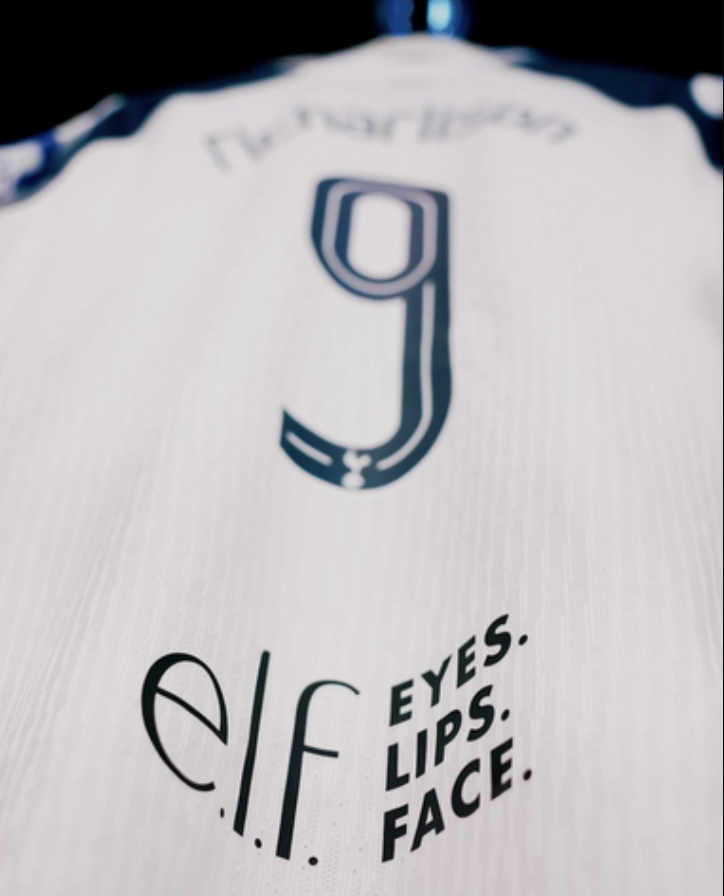
⚽💄 Spurs & e.l.f.: Beauty on the Back, Culture on the Pitch

e.l.f. Cosmetics just took its boldest step yet in sports marketing - appearing on the back of both Tottenham Hotspur Women’s and Men’s shirts during their Carabao Cup matches on 24 September. What looks like just another sponsorship placement is actually a strategic milestone: e.l.f.’s first-ever presence in men’s sport in the U.K., while doubling down on its ongoing commitment to women’s football.

This wasn’t about chasing media value in a midweek cup run. It was about symbolism - beauty showing up in unexpected places, at the same time, across two sides of the same club.

📊 Supporting Stats

  • The global sports sponsorship market is valued at $67.6B in 2025 (Statista), with beauty brands still underrepresented compared to financial services, tech and betting.

  • Women’s sport has seen a 22% rise in global sponsorship deals year-on-year (WARC, 2025), but men’s football remains the most lucrative category, accounting for over 50% of sponsorship spend.

  • e.l.f.’s own record speaks volumes: Super Bowl spots from 2023–25 gave the brand exposure to audiences of over 100M viewers per game (Nielsen).

🧠 Decision: Does It Work?

Yes - but for reasons that go beyond impressions.

  • Culturally, it’s a power play. e.l.f. isn’t just sponsoring women’s football (which could be dismissed as niche or purpose-driven); it’s deliberately bridging men’s and women’s matches in the same week, levelling the visibility field. That communicates consistency, not tokenism.

  • Commercially, Spurs is a savvy choice. The club has a strong women’s side, a men’s team with global reach, and a fan base that skews younger and digital-first - aligning with e.l.f.’s core audience.

  • Creatively, the placement works. Back-of-shirt isn’t front-of-kit headline space, but it is an owned canvas visible in broadcast replays and highlights. For a brand built on digital amplification, it’s more about the ripple than the real estate.

The risk? Dilution. Inserting a beauty brand into men’s football could be seen as incongruous if activations don’t follow. A one-night stand won’t cut it - the credibility will rest on whether e.l.f. continues to build fan-facing experiences around the partnership.

📌 Key Takeouts

  • e.l.f. became back-of-shirt sponsor for both Spurs Women and Men in Carabao Cup matches on 24 September.

  • This was the brand’s first U.K. men’s football appearance, while continuing its women’s football commitment until 2026.

  • Symbolically, same-day sponsorship across both teams reinforces e.l.f.’s inclusivity and anti-tokenism message.

  • Commercial logic: Spurs offers global visibility and younger fan engagement, aligning with e.l.f.’s audience.

  • The placement is less about logo size, more about narrative - beauty showing up confidently in male-dominated spaces.

  • The long-term win will depend on follow-through activations that connect beauty and football culture in authentic ways.

🔮 What We Can Expect Next

Expect more beauty brands to make tactical moves into men’s football. e.l.f. just showed how to do it without losing credibility - by framing it not as a one-off stunt but as part of a wider, ongoing sports strategy. If they activate cleverly around content, community and commerce, e.l.f. could cement itself as the beauty brand rewriting the rules of sports sponsorship.

The bigger shift? Sponsorship is no longer about slapping a logo on a shirt. It’s about occupying cultural whitespace. And right now, beauty on the back of a men’s kit feels less like a mismatch and more like a cultural mic drop.
categories: Impact, Sport, Beauty
Sunday 09.28.25
Posted by Vicky Elmer
 

🍺📺 Netflix x AB InBev: Streaming Meets the Social Occasion

Netflix just inked a global co-marketing deal with AB InBev - the brewer behind Budweiser, Stella Artois, and Corona - to pair binge-worthy shows with beers. Campaigns will roll out around titles like The Gentlemen (UK) and Culinary Class Wars (South Korea), supported by limited-edition packaging, digital activations, and event tie-ins. It’s the latest in Netflix’s brand partnership push, now fuelled by its growing ad business and live sports footprint.

📊 Supporting Stats:

  • Netflix’s ad-supported tier has grown to 94M users worldwide just two years after launch (Reuters, 2025).

  • AB InBev controls 27% of the global beer market by volume (Statista, 2025).

  • Streaming + sport = big reach: Netflix will host the NFL’s Christmas Day broadcast and co-market around the 2027 Women’s World Cup, both beer-heavy viewing occasions.


This partnership is culturally fluent: both streaming and beer thrive on shared experiences, whether that’s a match, a party, or a binge night. Netflix gains access to one of the most global CPG marketers, while AB InBev stays culturally relevant by embedding itself into the shows and events that audiences actually care about.

📌 Key Takeouts:

  • What happened: Netflix and AB InBev signed a global deal to co-market TV shows and beer.

  • What worked: The tie-in feels natural; both brands trade in social, shared occasions. The use of packaging, sports, and live events makes it multi-channel.

  • Potential weakness: Without sharp creative execution, the partnership risks blending into generic “watch + drink” messaging.

  • Strategic signal: Netflix is leaning hard into ad partnerships, not just subscription growth. AB InBev is evolving from mass sponsorship to culturally specific tie-ins.

  • For marketers: The move shows that “occasion-based” partnerships - aligning products with how and when people consume content - is where ad money is flowing.

🔮 What We Can Expect Next:
Expect to see more CPG giants aligning with streaming platforms as live sports on OTT grows. If Netflix can make beer pairings feel distinctive - think character-led packaging, show-inspired flavours, or interactive watch-party activations - it sets a new bar for brand integration. But if it defaults to generic co-branded ads, audiences may tune out. Either way, the play signals a future where streaming isn’t just where you watch, but where culture, commerce, and consumption collide.

categories: Entertainment
Sunday 09.28.25
Posted by Vicky Elmer
 

🔥 Courtside Shift: The WNBA’s Expanding Audience

The WNBA’s surge this season isn’t just about Caitlin Clark headlines or record-breaking attendance - it’s about who’s showing up. For the first time, the league has made clear that its fanbase is far broader than the stereotype of a niche women’s sports audience.

📊 The numbers tell the story: 57% of this season’s W fans were men, and viewership among male fans under 18 has grown 130% over the past four years, with Clark’s debut alone driving a 34% spike. That’s generational traction - proof that the W is embedding itself into basketball culture at large, not just women’s sport.

This broadening fan profile has real commercial weight. Bigger, more diverse audiences mean stronger bargaining power with broadcasters, sponsors, and - crucially - arena operators. The days of W teams being displaced from their home courts for concerts or lesser events are fading. Case in point: the Phoenix Mercury, deep in the playoffs, forced the Jonas Brothers to take a back seat. That’s cultural leverage in action.


The WNBA’s growth story is now about ownership of cultural space, not just audience metrics. By proving it can draw - and hold - male fans without losing its connection to the women and girls who built the league’s foundation, the W is positioning itself as a mainstream property with long-term commercial stability.

📌 Key Takeouts:

  • 57% of WNBA fans this season were men - challenging outdated perceptions of who watches women’s sport.

  • Male fans under 18 are up 130% in four years, showing the W is resonating with the next gen of hoop culture.

  • Caitlin Clark’s debut was a tipping point moment, driving a 34% spike in male viewership.

  • Stronger demand is shifting power dynamics: teams like the Phoenix Mercury can now hold onto their arenas in high-stakes moments.

  • This signals the W’s transition from a “women’s sport” niche to a cultural force embedded in wider basketball fandom.

🔮 What’s Next:
Expect the WNBA to lean into this dual identity - the league of the basketball girlies and the new wave of male fans raised on Clark, A’ja, and Stewie. That balance will shape how teams market themselves, how media packages games, and how sponsors approach partnerships. The risk? Over-indexing on new audiences at the expense of its core. But if the league keeps walking the line, the W could be entering its first true golden era of mainstream relevance.

categories: Impact, Sport
Sunday 09.28.25
Posted by Vicky Elmer
 

🇮🇪 A First for Irish Culture on Netflix

When House of Guinness dropped, it did more than unveil a dynastic drama - it became the first Netflix series to offer Irish-language subtitles.

In a statement, Netflix noted that including “Irish (Gaeilge)” among the subtitle languages allowed them to lean fully into cultural authenticity and opened the door for audiences who prefer to consume content As Gaeilge.

The move has been hailed as a milestone for Irish representation on global platforms - signalling that cultural specificity is no longer a liability, but a brand asset. (Yes, bold branding move.)

🎧 The Soundtrack: Blood, Beer & Beats

If subtitles were the structural coup, the soundtrack is the emotional engine. What you get is anachronistic fire - a collision of folk, punk, hip-hop and Irish traditional with 19th-century Dublin as rotating backdrop. The music doesn’t sit behind the story - it drags it forward, accents its contradictions, and whispers that history never really leaves us.

Several outlets call the soundtrack “a selling point” - one that fuses Irish folk anthems with Celtic punks, rap rebellions, and haunting modern voices.

The show even leans into this in interviews - Anthony Boyle mentioned that he curated playlists and dropped Irish bands like The Mary Wallopers directly into the creative feeds.

📀 Tracklist & Artists (Episode-By-Episode Highlights)

Below is a distilled guide (not exhaustive) of standout tracks and the artists behind them. Use this like a playlist cheat sheet while you binge.

  • Episode 1
     – “Starburster” - Fontaines D.C.
     – “Get Your Brits Out” - Kneecap
     – “Devil’s Dance Floor” - Flogging Molly
     – “Hood” - Kneecap

  • Episode 2
     – “Cruel Katie” - Lankum
     – “In ár gCroíthe go deo” - Fontaines D.C.
     – “The Rich Man and the Poor Man” - The Mary Wallopers

  • Episode 3
     – “As I Roved Out” - The Mary Wallopers
     – “Goodnight World” - Lisa O’Neill
     – “Another Round” - The Scratch

  • Episode 4
     – “I bhFiacha Linne” - Kneecap
     – “Brother Was a Runaway” - Adrian Crowley
     – “Jailbreak” - Thin Lizzy 

  • Episode 5
     – “Brewing Up a Storm” - The Stunning
     – “Carraig Aonair” - Pebbledash
     – “Choose Life” - Shark School

  • Episode 6
     – “Come Out Ye Black and Tans” - Derek Warfield & The Young Wolfe Tones
     – “The Granite Gaze” - Lankum
     – “Cheeky Bastard” - The Scratch
     – “Boil the Breakfast” — The Chieftains
     – (Multiple others in this ep)

  • Episode 7
     – “Fáilte 2025” IMLÉ
     – “Old Note” - Lisa O’Neill
     – “Go Head” - ROCSTRONG
     – “It’s Been Ages” - Kneecap
     – “Saints and Sinners” - The Feelgood McLouds

  • Episode 8
     – “For Everything” - The Murder Capital 
     – “Starburster” - Fontaines D.C. (reprise)
     – “Beer, Beer, Beer” - The Clancy Brothers
     – “Lawman” - Gilla Band
     – Plus various others like All the Boys on the Dole (TPM), Nausea (Gurriers), The Parting Glass versions

    🎯 Why It Works (- and Where It Risks)

Wins:

  • Cultural authority as marketing. The Irish subtitle inclusion doesn’t feel like a token - it becomes a statement: this is Irish storytelling on your global bill.

  • Sound as emotional amplifier. The genre-blurring, time-bending soundtrack ensures the show hits you before you even realize it. If characters speak in whispers, the beat is already roaring.

  • Cross-audience magnetism. Punk heads, rap fans, folk devotees - the music casts a wide net. If you came for the drama, you stay for the drops.

Risks:

  • Overuse of anachronistic tracks (like Come Out Ye Black and Tans in a 19th-century setting) may rattle purist viewers. Analysts already flagged potential historical stretch.

  • Some tonal dissonance - the clash between a moody period world and street-level rap can feel like tonal whiplash if not handled deftly.

categories: Culture, Impact, Music, Tech
Sunday 09.28.25
Posted by Vicky Elmer
 

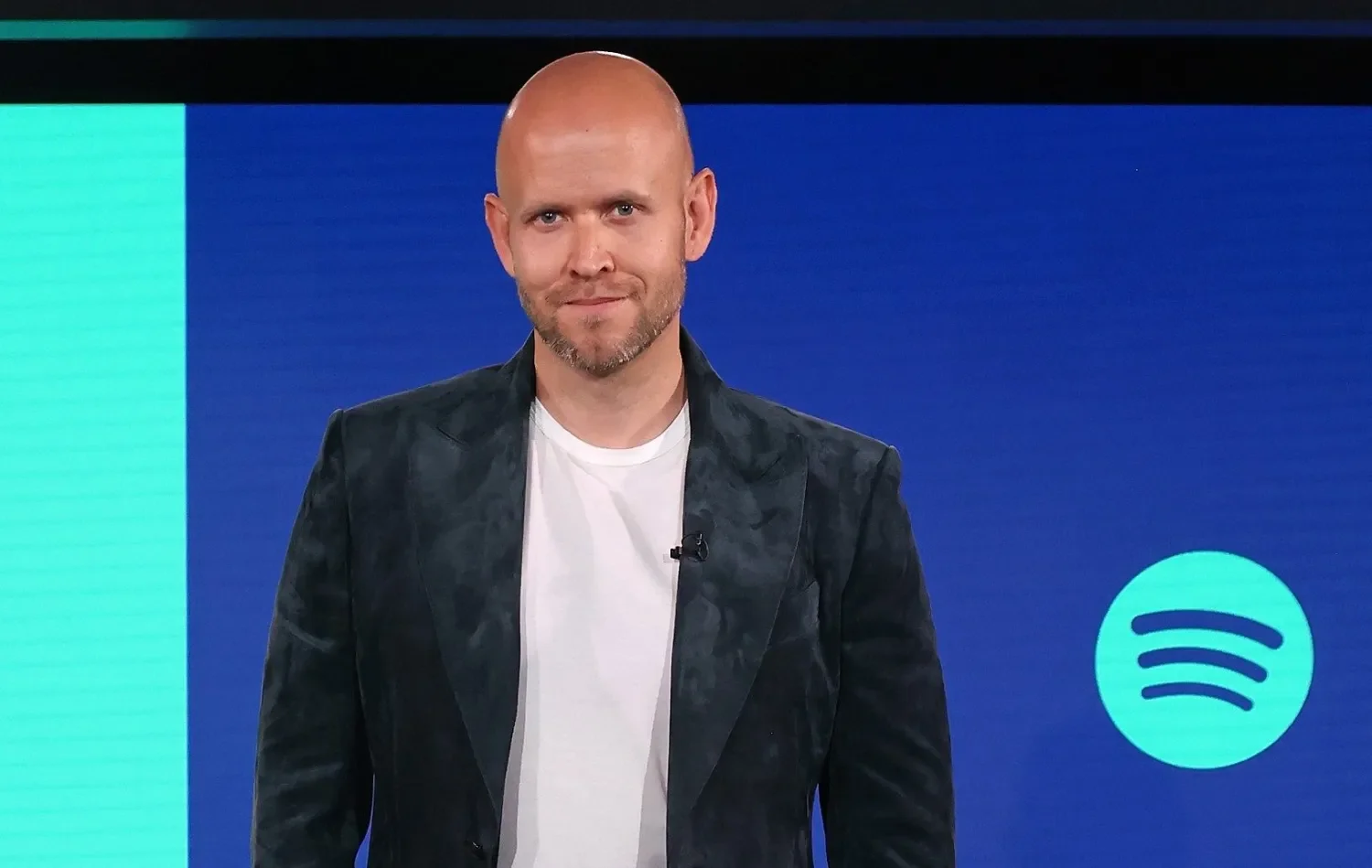
🎧 Spotify vs. AI: The Streaming Giant’s Line in the Sand

Spotify just dropped a bombshell: 75 million tracks - largely AI-generated “spam” - have been scrubbed from the platform in the past year. The announcement, paired with new AI protections, signals one of the most aggressive moves yet by a streaming service to regulate how artificial intelligence intersects with music.

For an industry built on credibility, artist identity and royalties, this isn’t just a product update - it’s Spotify planting a flag in the cultural debate over whether AI is a tool or a threat.

📊 Supporting Stats

  • Spotify’s purge covers 75 million tracks, a scale that highlights how much “noise” AI content farms have been generating.

  • Rival platform Deezer recently revealed that nearly a third of all uploads are AI-generated, with over 30,000 fully AI tracks uploaded daily - a 20% increase since January 2025 (Deezer data).

  • The IFPI reports streaming accounted for 67% of global recorded music revenue in 2024, meaning control of catalogue quality is directly tied to industry health.

🧠 Decision: Does This Work?

From a brand and platform strategy perspective, yes - this works. Spotify is aligning itself with artist-first protections at a moment when trust in AI-generated music is thin. By introducing an impersonation policy, a spam filter, and an AI disclosure tool, it positions itself as the “responsible innovator,” supporting creativity while shielding rights-holders from fraud.

The risk? Spotify may frustrate some independent creators experimenting with AI, but culturally, the bigger win is securing legitimacy. For rights holders, labels, and legacy acts worried about deepfake songs cannibalising streams, this is a reputational fortress.

📌 Key Takeouts

  • What happened: Spotify removed 75M AI “spam” tracks and rolled out stricter AI protections.

  • What worked: Strong artist-first positioning; clear guardrails against fraud and voice cloning.

  • What didn’t: Could alienate some DIY creators using AI as part of their process, creating tension between “protection” and “gatekeeping.”

  • Signal: Platforms are now brand-building around trust and credibility, not just catalogue size.

  • For marketers: Transparency and protection are fast becoming value props - audiences want to know brands are safeguarding authenticity.

🔮 What We Can Expect Next

This move sets a precedent. Expect other platforms to follow with their own “AI integrity” policies, turning authenticity into a competitive advantage. But the flood of AI music won’t slow down - with 30,000 tracks dropping daily, enforcement will be whack-a-mole.

For brands in music and culture, the bigger question is whether AI becomes a backstage creative tool or stays framed as a threat. Spotify’s stance tells us the next phase of streaming won’t just be about what music sounds like, but who gets to define what counts as music.

categories: Impact, Music, Tech
Sunday 09.28.25
Posted by Vicky Elmer
 

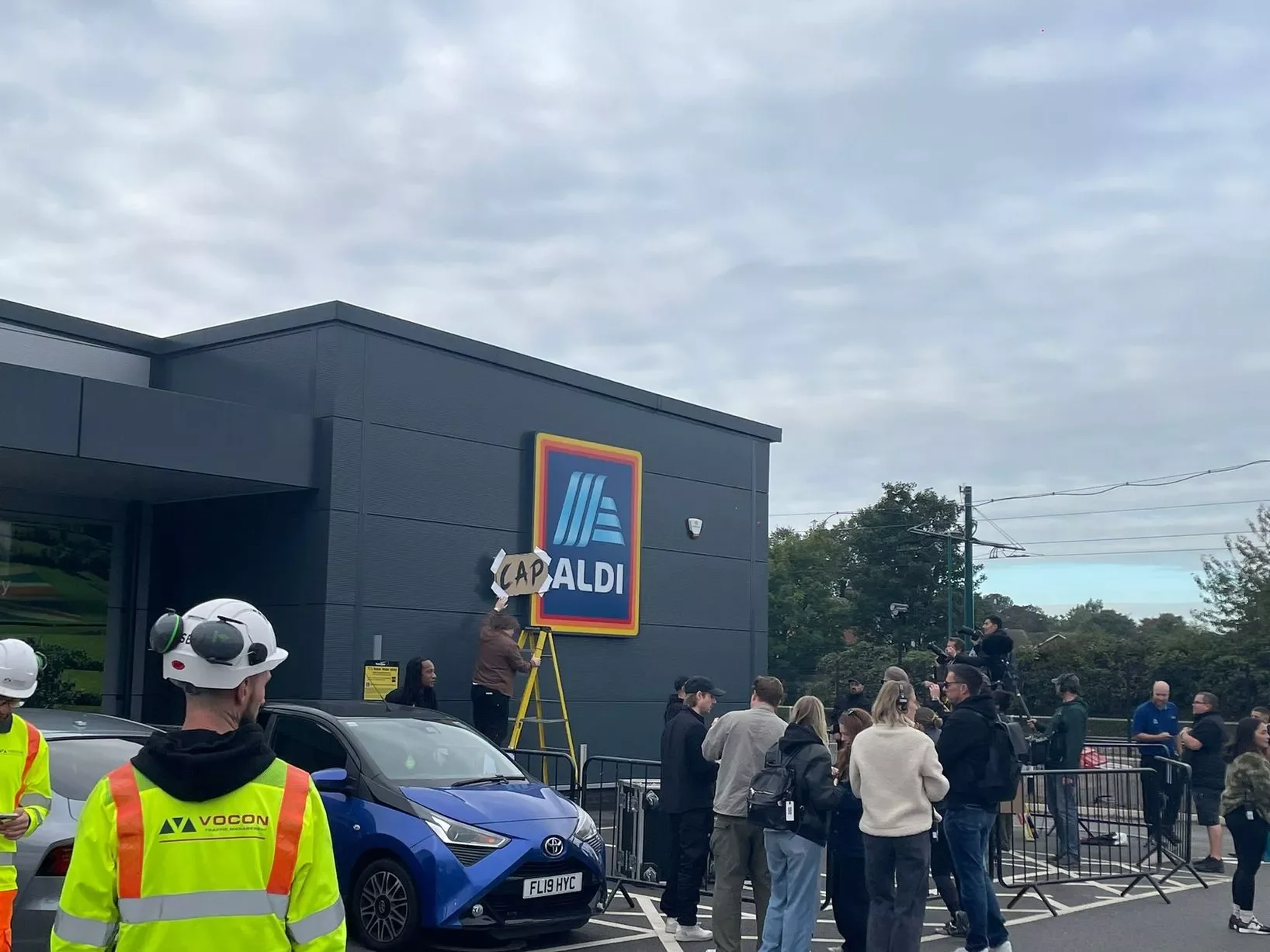
🍞 Bread, Milk, Capaldi: Aldi’s Most Random Collab Yet

On Friday morning, shoppers in West Bridgford got more than discount groceries - they got Lewis Capaldi, live on the roof of Aldi. Part stunt, part ad shoot, the pop star performed fan favourites alongside his new single Survive, to a mix of unsuspecting locals, pre-arranged “rent-a-crowd,” and shrieking schoolkids.

The surreal mash-up of one of Britain’s biggest supermarkets and one of its most self-deprecating pop exports is a reminder of how cultural moments and marketing activations now blur into one - especially when they’re built for virality.

📊 Supporting Stats

  • Aldi is the UK’s fastest-growing supermarket in 2025, with a 10.4% share of the grocery market (Kantar, Sept 2025).

  • TikTok videos featuring “unexpected concerts” (from rooftops to tube stations) have clocked 2.1B views under related hashtags in the last year (TikTok Trend Report, 2025).

  • Lewis Capaldi’s return to performing after his health-related break has kept him at the centre of UK music chatter: his Broken By Desire tour sold out arenas in under 10 minutes earlier this year (Live Nation, 2025).

This wasn’t just a gig. It was engineered cultural content.

🧠 Decision: Did It Work?

Yes - culturally and commercially, this was a smart play. Aldi gets to borrow Capaldi’s everyman charisma (and his Gen Z–heavy fanbase) to reinforce its underdog charm. For Capaldi, it keeps his comeback narrative warm ahead of his arena show later that night, while generating free press across local and national outlets.

📌 Key Takeouts

  • What happened: Lewis Capaldi performed on top of an Aldi in Nottingham as part of a filmed ad stunt.

  • What worked: Surprising location + star power = viral attention and national coverage.

  • Cultural signal: Supermarkets aren’t just fighting on price anymore - they’re flexing cultural capital.

  • Brand takeaway: Sometimes the strangest pairings (discount supermarket x arena pop star) are the most effective at cutting through.

🔮 What We Can Expect Next

Expect to see more supermarkets and FMCG brands borrow from the playbook of pop-up gigs and cultural surprise drops. The formula is working: cheap to stage, high in earned media value, and primed for TikTok circulation.

But there’s a ceiling. Audiences sniff out over-engineering quickly. The winning brands will be those that pull off moments that feel like accidents, even when they’re meticulously planned.

categories: Entertainment, Culture, Music
Sunday 09.28.25
Posted by Vicky Elmer
 

📈 From Fringe to Prime Time: The Women’s Rugby Surge

England’s Red Roses didn’t just march into the World Cup final - they turned it into a cultural landmark. The 27 September final at Twickenham smashed attendance records, brought mainstream media into the fold, and rewrote the playbook on what women’s rugby can deliver. For strategists, this is no longer a flash in the pan - it’s a live experiment in how a women’s sport breaks into the commercial big league.

📊 Supporting Stats (Including Final)

  • The final drew 81,885 fans to Twickenham - the largest crowd ever for a women’s rugby match.

  • England beat Canada 33-13 to claim the world title.

  • Sadia Kabeya was named Player of the Match for her relentless defensive work.

  • Over the tournament, ticket sales eclipsed 440,000+ across all venues - more than triple the 2021 tally.

  • Prior to the final, the BBC had already logged 9.8M TV viewers, 8.8M streams, and 36M video views across social channels.

The final was the crescendo that turned momentum into narrative. The record crowd gave the event legitimacy beyond fans and niche media; it demanded attention from mainstream outlets, sponsors, and even casual onlookers. The performance margin (33–13) erased any doubt that it was more than a spectacle - it was a showcase of tactical strength, depth, and athlete excellence. For brands, that final provided the proof point: women’s rugby doesn’t just draw curious eyes - it retains them.

📌 Key Takeouts

  • That headline moment: A home-final at Twickenham with nearly 82,000 fans didn’t just break a record - it redefined what a women’s rugby event can be.

  • What sealed the deal: A dominant England performance, a massive live audience, and athlete stories (Kabeya, Kildunne) breathing personality into the sport.

  • Persistent gaps: The U.S. still trails in scale and infrastructure. Pro leagues remain fragile.

  • Signals: Fans will show up when the stakes are high; visibility + legitimacy = growth.

  • Brand case: Sponsoring now isn’t low-risk benevolence - it’s aligning with a tournament-level moment no one can ignore.

🔮 What We Can Expect Next

Post-final, the bar is higher. The expectation now is that every major women’s rugby event must deliver - not just in sport, but in spectacle, media value, and business case. LA28, the 2033 World Cup and domestic leagues must build from this as a new baseline. Brands that broker long-term partnerships now set themselves up not as episodic sponsors but as foundational partners in cultural infrastructure.

categories: Impact, Culture, Sport
Saturday 09.27.25
Posted by Vicky Elmer
 

💄 Sephora’s Storefront Gamble: Can Retail Muscle Beat Creator-Native Platforms?

Sephora is stepping directly into the $250B creator economy with My Sephora Storefront, a platform that will let U.S.-based creators build personalised storefronts within Sephora’s ecosystem. The play is clear: lock in beauty creators by giving them affiliate commissions, analytics, and seamless shoppable integration into the retailer’s site, app, and loyalty programme.

But Sephora isn’t breaking new ground here. They’re up against creator-first incumbents like LTK ($5B annual sales, 40M monthly shoppers, 1M+ brands) and ShopMy (175K creators, 50K+ brands) - plus Amazon Associates, the biggest affiliate network in the world. So the strategic question becomes: can a retailer, even one with Sephora’s cultural cachet and Hailey Bieber–level launch track record, muscle its way into a space that was built for creators, not retailers?

📊 Supporting Stats

  • Influence vs advertising: 61% of consumers say they trust influencer recommendations more than brand marketing (Sprout Social, 2025).

  • Sephora proof point: Hailey Bieber’s Rhode pulled in an estimated $10M in two days at Sephora (YipitData, 2025).

  • Scale of competition: LTK drives $5B in annual sales with 40M monthly shoppers; ShopMy links 175K creators with 50K+ brands; Amazon Associates boasts 900K affiliates worldwide.

🧠 Decision: Does It Work?

Not yet. Sephora’s move makes sense strategically - it wants to capture sales directly at the intersection of creator culture and checkout. But the platform’s success hinges on whether it can flip traffic into audience. Unlike LTK or ShopMy, Sephora isn’t a place where people go to hang out, discover, or spend time; it’s where they go to transact.

Where Sephora could win: integrating creator video directly into product detail pages (the moment of purchase intent) and rewarding creators with visibility to Sephora’s Beauty Insider base (one of the most loyal programmes in retail). Where it risks falling short: failing to make creators feel like brand partners rather than an outsourced salesforce.

📌 Key Takeouts

  • The play: Sephora is launching its own affiliate network (My Sephora Storefront) to capture creator-led commerce within its owned ecosystem.

  • The challenge: Sephora has traffic, not audience - unlike LTK and ShopMy, which are community-first platforms.

  • The edge: Seamless integration with product pages + loyalty programmes gives Sephora a direct conversion advantage.

  • The risk: If creators feel the platform is purely transactional, they’ll keep prioritising LTK/ShopMy, where their identity isn’t tethered to a single retailer.

  • The signal: Beauty retail isn’t content to just sell product — it’s moving aggressively to own the creator revenue stream.

🔮 What We Can Expect Next

Expect Sephora to lean hard into exclusive brand incentives (early drops, higher commissions, loyalty tie-ins) to lure creators onto its platform. If Sephora can make its storefronts aspirational - a badge of prestige like being featured on a brand campaign - then it stands a shot at pulling creators from LTK and ShopMy.

But the ceiling is real: creator commerce works best where audiences already spend time. Unless Sephora finds a way to build real discovery, not just shop integration, My Sephora Storefront risks being a bolt-on tool in a world of ecosystem giants. The upside? If Sephora nails conversion-first video commerce, it won’t need to “beat” LTK - it just needs to redefine what creator-driven beauty retail looks like.

categories: Beauty, Culture, Tech
Thursday 09.25.25
Posted by Vicky Elmer
 

💄 From Sidelines to Spotlight: E.l.f. Bets on NWSL Fandom

E.l.f. Cosmetics is taking its role as the NWSL’s official makeup and skincare partner beyond the sponsorship logo, launching a fan-first contest with women’s football community Indivisa. The campaign invites fans nationwide to showcase their best soccer moves on social, with finalists flown to November’s NWSL Championship Weekend. The prize? A “Pro for the Day” experience complete with VIP treatment and a live performance moment in front of supporters.

📊 Supporting Stats

  • The NWSL reported record attendance of 1.4 million fans in 2023, up 46% year-on-year (NWSL).

  • Women’s sports sponsorship value has jumped 22% since 2022, with beauty and fashion brands leading the charge (Nielsen, 2024).

  • E.l.f. itself has become a marketing powerhouse — its TikTok presence generates over 1 billion organic views annually (Glossy, 2025).

🧠 Decision: Does It Work?
Yes - strategically, this lands. E.l.f. leans into its reputation as a social-native brand by creating participatory content rather than passive advertising. The prize structure aligns with Gen Z’s obsession with access and experience over material goods, while the Indivisa tie-up signals credibility in the women’s soccer space. The risk is whether the contest produces truly engaging content or gets lost in the sea of branded challenges. But for brand equity, this feels like a strong play: E.l.f. isn’t just sponsoring the league, it’s embedding itself in the culture of fandom.

📌 Key Takeouts

  • What happened: E.l.f. and Indivisa launched a national contest for fans to perform soccer moves, with a championship VIP prize.

  • What worked: Social-first mechanics, cultural credibility through Indivisa, experiential prize appealing to Gen Z.

  • Potential weak spot: Reliant on user content quality - without standout entries, buzz could flatten.

  • Bigger signal: Beauty brands see women’s sport not just as visibility play but as a cultural collaboration space.

🔮 What We Can Expect Next
If this activation delivers strong UGC, expect to see other lifestyle brands - from skincare to snacks - adopt similar formats in women’s sport. The NWSL is becoming a testing ground for fan-participation campaigns, and the more brands integrate experience-driven prizes, the more the culture of women’s sport will shift from “watchers” to “co-creators.” The challenge will be ensuring authenticity isn’t lost as the category heats up.

categories: Sport, Impact, Beauty
Thursday 09.25.25
Posted by Vicky Elmer
 

🏟️ Pasta, Peaks & Prime Time: NBC’s Stanley Tucci Olympic Play

NBC has doubled down on its culture-meets-sport strategy by tapping Stanley Tucci as its latest Olympic ambassador for Milano-Cortina 2026. Following the model that worked in Paris 2024 — using celebrity storytellers to humanise the Games - Tucci will deliver travelogue-style segments that showcase Italy’s food, history, and traditions. The move cleverly bridges the line between lifestyle programming and live sport, positioning NBC to turn Olympic coverage into something broader than medals and highlights.

📊 Supporting Stats

  • NBCUniversal sold out its Super Bowl 2026 ad inventory months in advance - a bullish sign for demand around big tentpole sports events (AdAge, 2025).

  • The Tokyo 2020 Olympics drew 150M U.S. viewers across platforms, but NBC’s coverage leaned heavily on cross-promotion to sustain ratings (NBC Sports, 2021).

  • Food-travel content is trending: shows in the genre saw a 15% uptick in viewership in 2024 across streaming platforms (Nielsen, 2024). Tucci’s Searching for Italy was one of CNN’s highest-rated original series.

🧠 Decision: Did It Work?
Yes. Bringing Tucci on board is a strategically sound move. He carries cultural credibility, appeals to both sports and lifestyle audiences, and aligns perfectly with the Italian backdrop of the Games. With NBC managing the Super Bowl and the Winter Olympics just days apart, Tucci’s presence gives them more editorial “texture” to bundle beyond pure sports inventory. It’s less about breaking ratings records, more about broadening the definition of Olympic storytelling to attract lifestyle advertisers (luxury, travel, F&B).

📌 Key Takeouts

  • What happened: NBC cast Stanley Tucci as Olympic ambassador for Milano-Cortina 2026.

  • What worked: Tucci brings cultural cachet, narrative flair, and a proven track record with food-travel audiences.

  • What’s risky: Risk of over-glossing sport with lifestyle segments if not balanced - core fans want competition first.

  • What it signals: NBC is selling Olympics not just as sport but as a cultural event, widening its ad market.

  • For marketers: Olympic sponsorship now doubles as a lifestyle and cultural play, not just a sports buy.

🔮 What We Can Expect Next
Expect more broadcasters to lean into hybrid coverage - blending celebrity travelogues, cultural deep-dives, and local storytelling with live sport. It makes the Games a more holistic “media property” for brands. But balance will be key: if cultural gloss overshadows the sport, credibility with core fans could wobble. Tucci, however, feels like the right bet - charming, credible, and culturally aligned with Italy’s hosting moment.

categories: Sport, Culture
Thursday 09.25.25
Posted by Vicky Elmer
 

⛳️ Streaming the Green Jacket: Amazon Takes a Swing at The Masters

For the first time in its history, the Masters will tee off on Amazon Prime Video. Starting in 2026, Prime will air two hours of live coverage during the first and second rounds, expanding Augusta’s media ecosystem beyond its long-standing partners CBS, ESPN and Paramount+. For a tournament famous for tradition and exclusivity, letting Amazon onto the course signals more than just a broadcast deal - it’s a cultural and commercial pivot into streaming dominance.

📊 Supporting Stats

  • The 2026 Masters will feature 27 total hours of live coverage - up 50% from 2024 (ESPN, 2025).

  • Amazon Prime Video already boasts over 230M global subscribers (Statista, 2025), giving golf a distribution reach far beyond linear TV.

  • Sports streaming is now mainstream: 39% of U.S. sports fans regularly watch via streaming platforms, a figure expected to surpass 50% by 2027 (PwC Sports Survey, 2024).

For Augusta, Amazon brings scale and digital reach without undermining CBS and ESPN’s prestige broadcasts. For Amazon, attaching itself to one of the most iconic tournaments in sport adds cultural cachet and strengthens its live sports portfolio (already spanning NFL’s Thursday Night Football and Premier League rights in Europe).

But there’s risk: the Masters has always thrived on scarcity and tradition. Over-exposure or digital gimmicks could dilute the aura. The balance between exclusivity and accessibility will define whether this partnership deepens the Masters’ mystique or makes it just another streaming option.

📌 Key Takeouts

  • What happened: Amazon Prime Video joins as a Masters broadcast partner, carrying first and second-round coverage from 2026.

  • Why it matters: Expands total broadcast hours by 50% and brings golf into Amazon’s global streaming ecosystem.

  • What works: Strategic fit - Amazon gains prestige content, Augusta gains expanded reach.

  • What it signals: Streaming is no longer a challenger - it’s the new default broadcast layer for premium sport.

🔮 What We Can Expect Next

Expect Amazon to test subtle innovations - multi-cam options, interactive data layers, or personalised feeds - but carefully, given Augusta’s famously conservative approach to change. If the experiment lands, more “sacred” sports properties may follow suit, using Amazon and other streamers as controlled expansion partners. For brand marketers, the Masters’ embrace of streaming is a signal: prestige sports are no longer just about who owns the TV window but who curates the digital experience.

categories: Entertainment, Sport, Tech
Thursday 09.25.25
Posted by Vicky Elmer
 

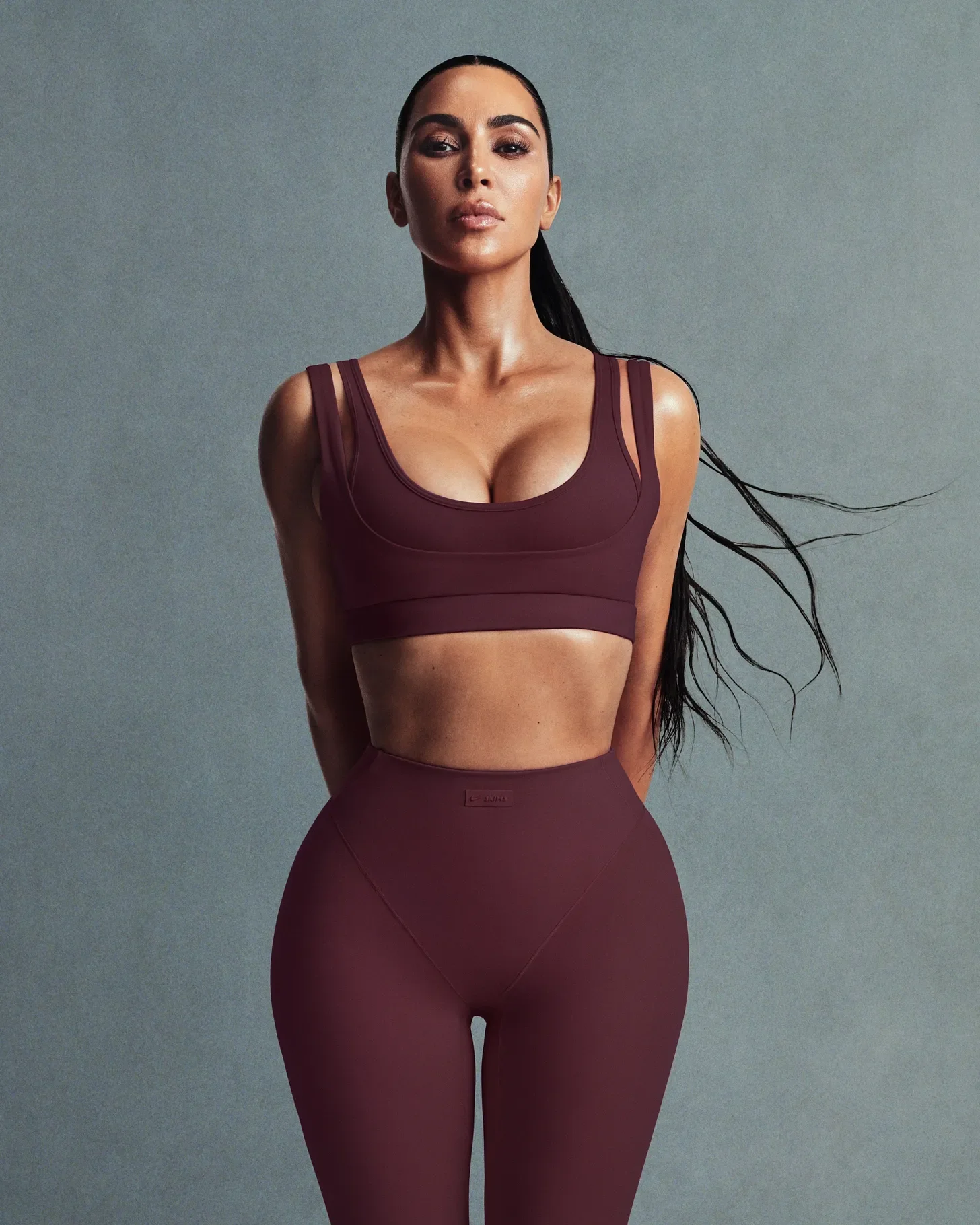
👟✨ NikeSkims: Cultural Collab or Corporate Band-Aid?

Nike’s long-awaited collab with Skims has finally landed - sleek, female-first activewear that merges performance and fashion, fronted by Serena Williams, Sha’Carri Richardson, and a host of D1 athletes. On paper, it’s the type of drop brands dream about: Nike taps into Skims’ cultural clout with women, Skims secures elite sports credibility. But the timing - just ahead of Nike’s Q3 earnings and following rounds of layoffs - raises a bigger question: is this a genuine category play, or a distraction tactic dressed in spandex?

📊 Supporting Stats

  • Women’s activewear remains the growth engine: the global athleisure market is forecast to hit $517B by 2027 (Statista).

  • Nike’s women’s business has lagged competitors - Lululemon reported 19% YoY growth in 2024, while Nike’s overall revenue grew just 2% (WARC).

  • Skims, valued at $4B in 2023, generated over $750M in annual sales last year (Forbes).

The opportunity is real: women’s spend in the category is accelerating, but Nike hasn’t been the brand of choice.

🧠 Decision: Did It Work?

Yes - creatively and culturally. The campaign feels premium, polished, and puts athletes back at the centre of Nike’s story. Skims’ DNA - body inclusivity, wardrobe flexibility, cultural currency - comes through in a way Nike hasn’t been able to crack alone. Even Serena’s controversial GLP-1 endorsement barely dented sentiment online.

But commercially, this is a test balloon. The partnership signals intent rather than delivering scale. Nike needs more than Kim K’s halo effect to claw back share from Lululemon and Alo. If this remains a capsule collab, the impact will be buzz over balance sheet.

📌 Key Takeouts

  • What happened: Nike and Skims dropped a women’s activewear line blending fashion and performance, launched with star athletes.

  • What worked: Premium creative, athlete-centred storytelling, positive consumer reception.

  • What didn’t: The scale is limited; risk of hype outweighing long-term category gains.

  • Signals: Women’s activewear is still the most contested frontier; collabs are now less about hype drops and more about structural fixes to brand gaps.

  • For marketers: Partnerships that merge cultural cachet with performance credibility can work - but only if they ladder up to sustained business change.

🔮 What We Can Expect Next

Expect copycats. Adidas x Ivy Park fizzled, but NikeSkims shows the formula can work if the creative lands. If early sales are strong, Nike will likely extend the partnership - turning Skims into a semi-permanent women’s sub-brand. For the wider market, we’re heading into a new era of collab-as-correction: legacy giants partnering with culturally fluent players to patch weak spots. The risk? Collab fatigue. Audiences can spot when a drop is built for Wall Street, not the wardrobe.

categories: Sport, Fashion, Entertainment
Thursday 09.25.25
Posted by Vicky Elmer
 

💎 Glory, Hype, Legacy: The Ballon d’Or Economy

Paris stayed winning this week. The Lionesses owned the stage - Sarina Wiegman named Coach of the Year, Hannah Hampton taking the first-ever women’s Yashin Trophy, and Arsenal crowned Women’s Club of the Year. Five Lionesses cracked the top 10 Ballon d’Or shortlist - proof that English football is running the table right now.

But zoom out and you see the bigger shift: the Ballon d’Or itself. What used to be a shiny trophy has morphed into football’s Met Gala - a global event that fuses sport, hype, fashion and marketing into one unmissable moment.

📊 The Numbers Don’t Lie:

  • 21m tuned in for the Euro 2025 final. Hampton’s penalty saves alone spiked her mentions +300% across socials - a viral W.

  • Dembélé’s Ballon d’Or win? 2.5m live TV viewers in France, 5m YouTube streams, 19m reach on X. He picked up +1m IG followers in 48 hours - Adidas moved on it instantly.

  • Bonmatí made it three straight Ballons d’Or, putting Barça’s women into dynasty territory.


For women’s football, Hampton and Wiegman’s wins weren’t just symbolic - they showed the game is fully integrated at the very top table. For men’s football, the Ballon d’Or has become bigger than the Champions League final in cultural terms. It’s not about who played best; it’s about who owned the moment.

The catch? Football is leaning hard into individual culture. Awards nights like this tilt the spotlight to personalities - fuelling tribal debates, brand wars, and meme cycles that can overshadow the collective.

📌 Key Takeouts:

  • The Moment: England cleaned up in Paris. Dembélé had his tearful crowning. The Ballon d’Or cemented itself as football’s loudest cultural stage.

  • What Hit: Socials went wild. Brands activated instantly. Women’s football sat level with the men in terms of recognition.

  • What Missed: Subjective voting always sparks chaos - and fuels toxic online tribalism. Teams risk getting lost in the obsession with stars.

  • Signals: Football is moving closer to the NBA/NFL playbook: stars as standalone brands, clubs as amplifiers, ceremonies as content goldmines.

  • Brand Lens: The Ballon d’Or is now shorthand for global relevance. If your athlete lifts it, your brand lifts with them.

🔮 What’s Next:
Award-season storytelling is only getting bigger. Expect Netflix-level documentaries shadowing nominees. Expect next-gen names like Yamal, Bellingham and Agyemang to be heavily marketed as “future Ballon d’Or winners.” And expect backlash - every winner is now a culture war on the timeline.

For marketers, the takeaway is simple: the Ballon d’Or is the new Super Bowl of player branding. Plug in wisely - but remember, football’s biggest brand is still the game itself.

categories: Sport, Impact, Entertainment, Fashion
Thursday 09.25.25
Posted by Vicky Elmer
 

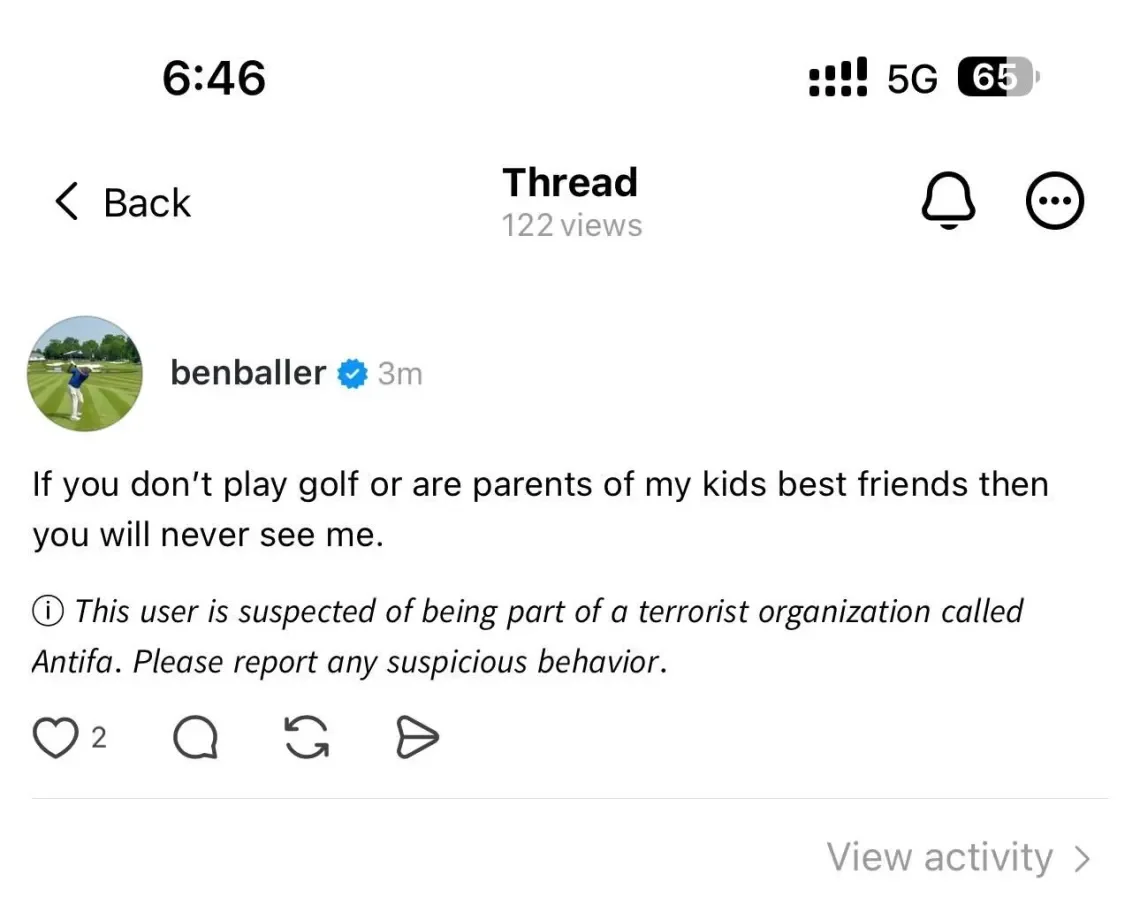
⚠️ Threads Users Baffled by Terrorism Warning Glitch

🎬 A casual golf post on Threads ended up flagged with a shocking disclaimer: accusing the user of belonging to “a terrorist organisation called Antifa.” Screenshots spread fast, with others claiming similar warnings popped up under unrelated posts. No clarification from Meta yet - fuelling speculation over whether this was a moderation glitch, an internal test leak, or a deeper system error.

📊 The Context

  • Threads now has 175M monthly active users (Statista, 2025).

  • 1 in 5 users report having posts wrongly flagged in the last year (Pew, 2024).

  • 65% of Gen Z say “trust in platform moderation” shapes where they spend their time online (GWI, 2024).

🧠 Did It Work?
No. Even if accidental, glitches like this expose just how brittle trust in automated moderation really is. When the line between error and intent isn’t clear, credibility collapses - and platforms that sell themselves as “safe” feel suddenly unstable.

📌 Key Takeouts

  • A golf post sparked a viral moment of confusion after a bizarre Antifa “terrorist organisation” warning appeared.

  • Meta hasn’t addressed the issue, leaving speculation unchecked.

  • For brands, being mistakenly linked to political extremism isn’t just embarrassing - it’s reputationally dangerous.

  • The bigger picture: moderation feels arbitrary, and users already distrust opaque systems.

🔮 What’s Next?
Expect louder calls for transparency in moderation tools, both from regulators and audiences. But also expect brands to be more cautious: any glitch that ties a campaign to misinformation, extremism or hate carries outsized risk. In a landscape where trust is already thin, moderation errors don’t just frustrate users - they can define a platform’s cultural positioning overnight.

categories: Tech, Impact
Thursday 09.25.25
Posted by Vicky Elmer
 

🎟️ Ticketmaster vs Oasis Fans: Transparency or Too Little, Too Late?

The CMA’s ruling on Ticketmaster - triggered by chaos around Oasis’s 2024 reunion tour - forces the ticketing giant to provide clearer price information. Fans had accused the company of “dynamic pricing” after identical seats sold for wildly different prices, with some paying more than double. Even Oasis publicly distanced themselves from the system. Now, Ticketmaster must warn fans 24 hours in advance if tiered pricing is used and improve transparency during queues.

For brands, this is a case study in consumer trust erosion: when pricing feels opaque, cultural goodwill evaporates - even when the product (Oasis’s comeback) is historic.

📊 Supporting Stats

  • Oasis’s UK reunion tour was one of the fastest-selling in history, with over 1 million tickets sold in a single day (BBC, 2024).

  • The average concert ticket price rose 23.3% globally in 2024 to $130.81 (£104.36) (Pollstar).

  • Resale distortion is a structural issue: one broker allegedly bought 9,000+ Beyoncé Renaissance tickets for resale on Ticketmaster (FTC lawsuit, 2025).

These numbers highlight both the scale of consumer demand and the fragility of fan trust when pricing lacks clarity.

🧠 Decision: Did It Work?

Commercially: yes - tickets sold out instantly.
Culturally: no - the narrative became less about Oasis’s reunion and more about Ticketmaster’s practices. Fans felt misled, consumer watchdogs stepped in, and even the band seemed blindsided. For a brand, this is the definition of a short-term win with long-term reputational cost.

📌 Key Takeouts

  • What happened: Ticketmaster’s tiered pricing for Oasis’s 2024 reunion tour created confusion and outrage, prompting a CMA investigation.

  • What worked: Ticketmaster avoided a breach finding and retains market dominance. Oasis still sold out stadiums.

  • What didn’t: Fans felt exploited; even the band seemed out of the loop. The backlash fuelled scrutiny across the live music industry.

  • Signals: Rising consumer intolerance for opaque pricing. Regulatory pressure is increasing in both the UK and US.

  • For brand leaders: Transparency isn’t a “nice-to-have” - it’s table stakes. Fans will forgive high prices before they forgive feeling tricked.

🔮 What We Can Expect Next

Expect regulators to test their new powers - and not just in music. Travel, sport, and entertainment platforms all use tiered or surge pricing models that could come under fire. The reputational risk is also shifting: as audiences grow more sceptical, even beloved artists risk being tainted by association with opaque systems.

For marketers, the lesson is clear: in a cultural economy where scarcity and hype already drive demand, the how of pricing is as strategic as the what. If the transaction feels exploitative, no amount of brand love can cover it.

categories: Impact, Entertainment, Sport, Music, Tech
Thursday 09.25.25
Posted by Vicky Elmer
 

On The Record Linkedin Newsletter: 22nd September 2025

Monday 09.22.25
Posted by Vicky Elmer
 

🔥 Congress vs. the Platforms: Discord, Twitch, Reddit & Steam Under the Spotlight

The US House Oversight Committee has summoned the CEOs of Discord, Twitch, Reddit, and Steam to testify on October 8 about their platforms’ alleged role in online radicalisation and politically motivated violence.

The hearings follow the murder of conservative activist Charlie Kirk, where the suspect allegedly confessed on Discord and used bullets engraved with memes and gaming references.

📊 The scale of what’s at stake:

  • Discord: 200M+ monthly active users (Statista, 2025)

  • Twitch: 7M+ monthly active streamers (TwitchTracker, 2025)

  • Reddit: 82M daily active users (Reddit filings, 2025)

These aren’t niche platforms anymore. They are cultural infrastructures - the places where communities form, ideas spread, and, sometimes, extremism festers.

🧠 Strategic Lens:
For Congress, the optics work: summoning big tech to Capitol Hill shows action. But there’s a risk this becomes another “dinosaur Congress” moment. Past hearings showed lawmakers struggling with even the basics of how these businesses operate:

  • Sen. Orrin Hatch to Zuckerberg (2018): “How do you sustain a business model in which users don’t pay for your service?”
    → Zuckerberg: “Senator, we run ads.”

  • Rep. Richard Hudson to TikTok CEO Shou Zi Chew (2023): “Does TikTok access the home Wi-Fi network?”

  • Rep. Buddy Carter to Chew: “Does TikTok track pupils’ dilated eyes to determine if they like the content?”

Clips like these went viral not for accountability but because they revealed the gulf between policymakers and platform realities. If October 8 goes the same way, the hearings risk being remembered as another out-of-touch spectacle rather than a serious interrogation.

For platforms, though, it’s reputational high stakes: can they prove they enable culture, not chaos?

📌 Key takeouts:

  • Lawmakers are linking radicalisation directly to online community platforms.

  • CEOs will face intense scrutiny over moderation, safety, and accountability.

  • Brands that partner with these platforms can’t ignore reputational risks if hearings frame them as “breeding grounds” for extremism.

  • History shows Congress often struggles to ask the right questions - the risk is a viral spectacle, not meaningful policy.

🔮 What’s Next:
The October 8 hearing will likely be combative, with tech leaders balancing free expression against political pressure. For marketers, this is a warning: community-driven platforms are powerful, but power invites oversight.

👉 Do you think these hearings will actually change how platforms moderate - or is this more political theatre?

categories: Tech, Impact, Gaming
Sunday 09.21.25
Posted by Vicky Elmer
 

🎤 Together for Palestine - Review

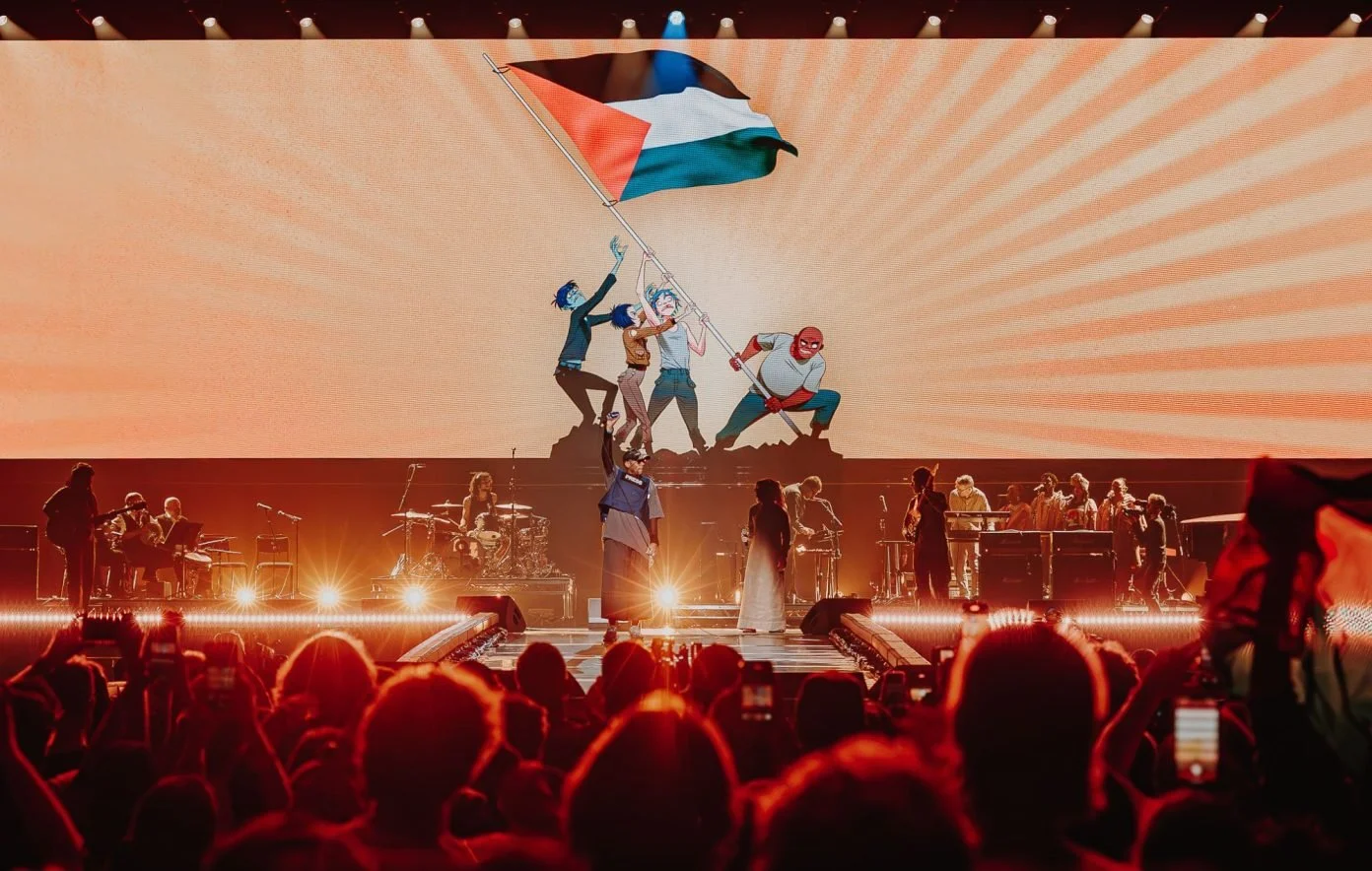
Damon Albarn, Yasiin Bey, and Omar Souleyman at 'Together For Palestine' show. CREDIT: Luke Dyson

Date & Venue: 17 September 2025, OVO Arena Wembley, London.
Purpose: Benefit concert & solidarity gathering for Palestinian humanitarian aid, organised by Brian Eno, with proceeds distributed via Choose Love to Palestinian-led organisations (Taawon, Palestine Children’s Relief Fund, Palestinian Medical Relief Society etc.).

🎼 Line-Up & Key Participants

Here are many of the performers, speakers, artists and public figures involved:

  • Musicians / Performers:
    Adnan Joubran, Bastille, Brian Eno, Cat Burns, Celeste, Damon Albarn, El Far3i, Elyanna, Faraj Suleiman, Gorillaz, Greentea Peng, Jamie xx, James Blake, Hot Chip, Mabel, Paloma Faith, PinkPantheress, Rina Sawayama, Saint Levant, Sama’ Abdulhadi, Saint Levant, Elyanna etc.

  • Visual / Artistic Direction:
    Malak Mattar (artistic director; curated Palestinian art, stage design etc.).

  • Speakers / Public Figures / Presenters:
    Benedict Cumberbatch, Florence Pugh, Riz Ahmed, Nicola Coughlan, Richard Gere, Louis Theroux, Mehdi Hasan, Yara Eid, Francesca Albanese (UN Special Rapporteur), Eric Cantona etc.

  • Other contributions:
    Pre-recorded video featuring Cillian Murphy, Joaquin Phoenix, Brian Cox, Billie Eilish & Finneas etc., calling for a ceasefire, urging governmental pressure etc.

🗣 Key Messages, Speeches & Themes

What people said / what themes came through strongly:

  • Florence Pugh: “Silence in the face of such suffering is not neutrality. It is complicity.”

  • Richard Gere: Urged audience / medics etc. to speak truth with generosity and love; called for political responsibility.

  • Nicola Coughlan: Spoke about the responsibility of artists, criticising those with large platforms who stay silent.

  • Francesca Albanese (UN Special Rapporteur): Delivered remarks condemning the ongoing suffering: referencing demolition, killing, occupation, lack of basic necessities (water, medical care) in Gaza; made charge of genocide raised by some given the scale and nature of the crisis.

  • Yara Eid: Journalist who spoke about journalists in Gaza, their risks, death toll and what it means to document one’s own suffering.

  • Other poetic and literary readings: e.g. translations/recitations of Mahmoud Darwish’s poems by Benedict Cumberbatch, Ruth Negga & others.

  • Overarching themes: grief, anger, demand for action, emphasis on putting pressure (on governments, institutions), centring Palestinian voices, refusing silence, combining culture & activism. Visual art and symbol (keffiyehs, costumes, stage art) were used to amplify the message.

💷 Funds Raised & Logistics

  • Total raised: approx £1.5 million (≈ US$2m) inclusive of ticket sales, merchandise, online donations.

  • Ticket income: ~£500,000 from tickets alone.

  • All proceeds go to Palestinian-led humanitarian organisations via Choose Love.

✅ Highlights & What Worked

  • Emotional resonance & authenticity: The presence of Palestinian artists and speakers making direct statements, combined with artistic performances, grounded the concert in lived experience rather than distant solidarity.

  • Strong symbolic moments: The recitations of Darwish, the collaborations (e.g. Albarn + London Arab Orchestra, Adnan Joubran’s oud work), the visuals by Mattar etc. created moments of real power.

  • Mobilising attention and resources: Selling out Wembley (~12,500 capacity), generating substantial funds, wide media coverage.

  • Clarity of moral message: Many speakers pressed for action now, condemned silence, framed complicity; this clarity helped avoid muddled messaging.

🌟 Overall Verdict

Together for Palestine stands as a potent moment of cultural solidarity. It did what few events of this type manage: combining high-profile star power with authentic Palestinian voices, delivering both art and activism, raising significant funds, and doing so with seriousness and gravitas. It is a landmark moment - proof that culture can mobilise compassion and action at scale. Now it is up to all of us - audiences, readers, and government officials alike - to carry that energy forward, to turn solidarity into sustained support, and to ensure that the voices amplified on this stage lead to lasting change.

You can donate here: https://donate.togetherforpalestine.org/campaigns/together-for-palestine/

categories: Impact, Culture, Music
Friday 09.19.25
Posted by Vicky Elmer
 

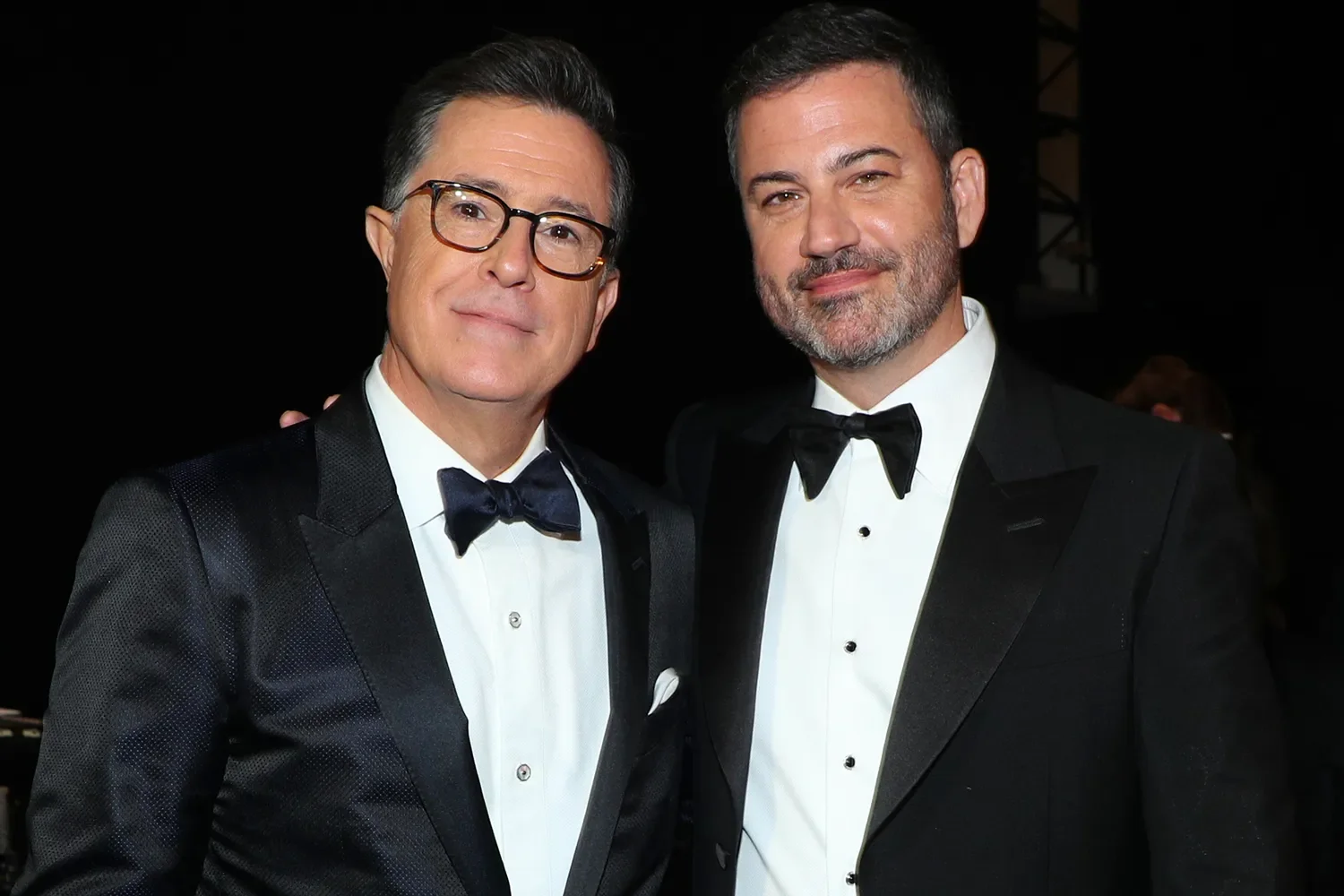
🔥 Jimmy vs The Machine: Late-Night’s Fight for Free Speech

Jimmy Kimmel’s sudden suspension by ABC is no ordinary media scandal - it’s a flashpoint in America’s battle over speech, satire, and state power. What began with a late-night monologue has spiralled into a political showdown involving the FCC, Congress, corporate boardrooms, and the streets outside Kimmel’s Hollywood studio.

At stake isn’t just one host’s career, but whether political leaders can bend the entertainment industry into compliance. And in the backdrop, history’s warning sirens are loud: authoritarian regimes have always started by silencing satirists.

📊 Supporting Stats

  • Pew Research (2024): 76% of Americans say free speech is under threat — the highest level since records began.

  • Reporters Without Borders (2025): U.S. press freedom ranking slipped to 55th worldwide, down 16 places since Trump’s re-election.

  • Nielsen: Late-night shows still pull 12 million nightly viewers combined, making them a rare mass cultural platform.

  • Morning Consult (Sept 2025): #BoycottDisney topped 3M mentions in 24 hours; Disney+ uninstalls rose 18% overnight, and stock dropped 4% in a single day’s trading.

🧠 Decision: Did It Work?
From Trump’s perspective, yes - the FCC’s threats worked. Within hours of Chair Brendan Carr warning affiliates to deal with Kimmel “the easy way or the hard way,” Nexstar, Sinclair, and Disney all pulled Jimmy Kimmel Live!.

From Disney’s perspective, the move bought short-term regulatory peace but at enormous cultural and commercial cost: a consumer boycott, stock dip, protests outside the El Capitan Theatre, and condemnation from Hollywood unions and free speech groups.

Strategically, the late-night bloc’s response did work. Colbert, Stewart, Fallon, Meyers, Letterman, and even Barack Obama reframed the suspension as not about one comedian but about state censorship. Their solidarity makes it harder to normalise - or forget - what just happened.

📌 Parallels to the Propaganda Playbook
The steps are chillingly familiar to how authoritarian regimes, most infamously Nazi Germany, brought media under control:

  1. Delegitimise critics - label comedians and journalists as “immoral” or “unpatriotic.”

  2. Weaponise regulation - use state bodies (FCC then, Reich Ministry of Propaganda then) to punish dissenters.

  3. Co-opt corporations - push private companies to self-censor to protect licences and deals.

  4. Flood with alternatives - amplify state-friendly entertainment while silencing critics.

  5. Normalise censorship - each new suspension feels less outrageous until dissent is erased.

📌 Key Takeouts

  • What happened: Kimmel was suspended after FCC Chair Carr threatened affiliates; Disney caved under pressure.

  • Who spoke up: Colbert, Stewart, Fallon, Meyers, Letterman, and Obama condemned the move.

  • In Congress: Democrats tried to subpoena Carr, but Republicans blocked it in a 24–21 party-line vote, deepening the sense of political capture. Sen. Chris Murphy introduced the “NOPE Act” (No Political Enemies Act) to stop government retaliation against critics, blasting Trump’s FCC threats as “state-speech control, not America.”

  • What worked: Late-night unity shifted the story from “Kimmel vs Disney” to “Comedy vs Authoritarianism.”

  • What didn’t: Disney’s compliance fuelled a mass boycott of Disney+, Hulu, cruises, and theme parks, with a stock market dip and protests outside Kimmel’s studio.

  • Signals: Media brands are now frontline players in the fight over whether corporate America defends free expression or enables its erosion.

🔮 What We Can Expect Next
The fight won’t stop with Kimmel. Fallon, Meyers, and others are already in Trump’s crosshairs. Disney and other networks will face escalating pressure to prove loyalty in exchange for regulatory favour. The real risk is normalisation: censorship creeping step by step until satire is neutered, replaced by compliant voices.

History shows us how fast the slide can be. But it also shows that satire, when united and unbowed, has the power to resist - turning laughter into one of the last surviving languages of truth.

categories: Culture, Impact, Tech
Friday 09.19.25
Posted by Vicky Elmer
 

🎟️ Ticketmaster vs. The Fans: Is the Live Events Monopoly Finally Cracking?

Ticketmaster and Live Nation - the undisputed power players of the live events industry - are facing yet another legal showdown. The Federal Trade Commission, backed by seven states, has filed suit against the companies for allegedly colluding with brokers to inflate resale prices, profiting billions while consumers foot the bill. For an industry already under fire since the 2022 Taylor Swift Eras Tour fiasco, this case could mark a turning point in how live entertainment is bought and sold in the US.

The lawsuit cuts to the heart of two cultural flashpoints: accessibility of live music for everyday fans, and the increasing distrust of “big tech” platforms profiting from opacity and monopoly power.

📊 Supporting Stats

  • $3.7 billion: Ticketmaster’s resale fees between 2019 and 2024, according to the FTC.

  • 80%: Share of major concert venue ticketing controlled by Ticketmaster in the US (FTC).

  • 200 million: Daily bot purchase attempts Ticketmaster claims to block - but the FTC says limits were still flouted.

  • $33 billion: Global live music revenue in 2023, projected to grow to $48 billion by 2027 (Statista).

From a brand perspective, no. This is a reputational nightmare. Ticketmaster’s resale marketplace may be lucrative, but the optics are disastrous. When fans already perceive live music as inaccessible, doubling down on profiteering feeds public anger and political momentum against the brand.

Culturally, the company is cementing itself as the villain of live music - an image reinforced by artists like Taylor Swift and Bruce Springsteen fans who’ve rallied against opaque ticketing practices. Commercially, the billions in resale fees show short-term gain, but with lawsuits, bipartisan political pressure, and audience alienation, the long-term risk outweighs the reward.

📌 Key Takeouts

  • What happened: FTC and seven states accuse Ticketmaster/Live Nation of illegal resale coordination and deceptive pricing.

  • What worked: The resale model drove billions in revenue.

  • What didn’t: Consumer trust and brand credibility collapsed further, leaving artists and fans angry.

  • Signal shift: Regulators are treating ticketing like big tech - a monopolised sector ripe for antitrust action.

  • For brands: Culture now punishes platforms that prioritise extraction over experience. Accessibility is a branding issue, not just a pricing one.

🔮 What We Can Expect Next

The lawsuit amplifies pressure for structural change: potentially breaking up Live Nation-Ticketmaster or enforcing stricter caps on resale practices. Politically, with Trump’s executive order targeting live event monopolies, bipartisan momentum is there.

For fans, this could open the door to new ticketing challengers positioning around fairness and transparency. For artists, the reputational risk of partnering too closely with Ticketmaster may push them toward experimenting with direct-to-fan sales or blockchain-backed ticketing.

The bigger signal? Audiences are demanding cultural access, not corporate gatekeeping. If Ticketmaster continues business as usual, it risks not just lawsuits - but cultural irrelevance.

categories: Music, Tech, Impact, Entertainment
Friday 09.19.25
Posted by Vicky Elmer
 
Newer / Older