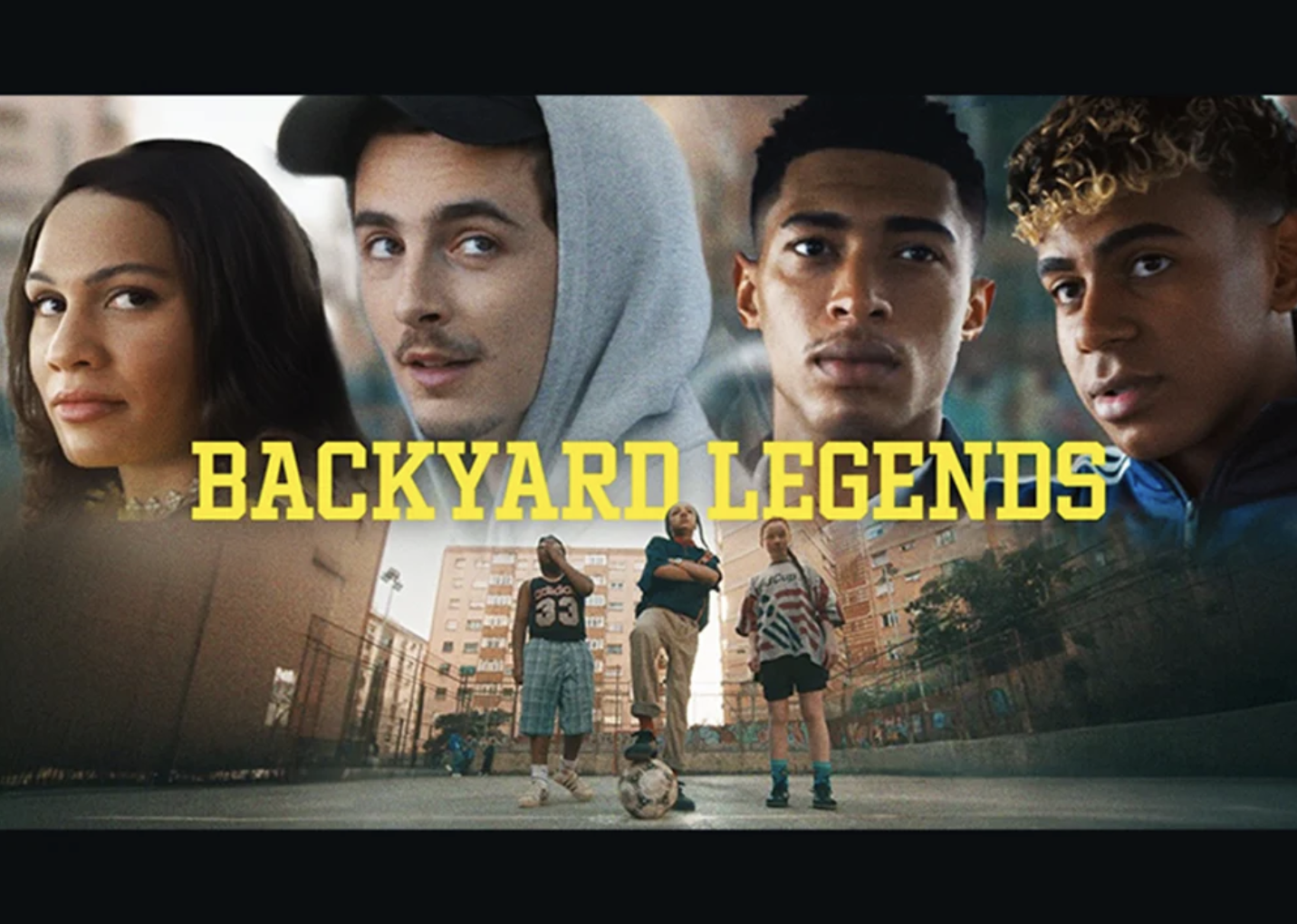
Five minutes. A neighbourhood pitch. Zero product close-ups. This is what brand confidence looks like.
adidas just dropped Backyard Legends - a cinematic short film for the FIFA World Cup 2026 - and the marketing industry needs to pay attention. Not because of the budget. Not because of the star power. Because of the restraint.
When you hold the official sponsorship, the match ball, and the kit supply for 14 competing federations, the temptation is to lead with infrastructure. To plaster logos. To remind everyone you own the tournament. adidas did the opposite. They built a world you want to live in, and then quietly placed the product inside it.
The breakdown
Timothée Chalamet leads the film - not as a hired face, but as a genuine football obsessive who played against Joe Gomez in youth tournaments and wears St Etienne kits for fun. The casting is earned, not bought.
The nostalgia is surgical - 90s terrace fits, analogue textures, and de-aged CGI versions of Beckham, Zidane and Del Piero. Not nostalgia for the past. Nostalgia as identity infrastructure.
adidas stock moved 4% the day the teaser dropped. Up over 13% in the past month. A campaign moved markets.
Bad Bunny. Messi. Bellingham. Yamal. Rodman. Dembélé. Pedri. Wirtz. One film. Every generation of fan, every genre of consumer, covered.
Backyard Legends was the closing argument, not a standalone activation. Ball launch. Federation kits. Wales Bonner. A pet jersey collection that broke the internet. The F50 - the lightest boot ever to feature at a World Cup. Months of cultural groundwork before the hero moment landed.
Most brands with this level of tournament ownership plaster logos everywhere and call it a campaign. adidas built a world you want to live in, then quietly placed the product inside it.
The "You Got This" platform works because it holds both ends of the spectrum simultaneously - a five-year-old in a car park and Messi on a World Cup stage. Most sports brands still struggle to do that. adidas made it look effortless.
The real flex here is that adidas treated the World Cup like a cultural tentpole, not a sponsorship asset. Story over infrastructure. Meaning over presence. That distinction is everything.
And the rollout strategy is as important as the hero moment. Backyard Legends landed in already-warm territory because adidas spent six months building heat before striking. That sequencing is not accidental - it is a masterclass in campaign architecture.
Why this matters for marketers
Authenticity is a casting brief. If you have to explain why someone is in your campaign, they are wrong for it. Chalamet works because the merit is visible - no justification required.
Official sponsorship buys presence. Great storytelling buys meaning. You need both to win — but most brands only invest in one.
The rollout matters as much as the launch. Backyard Legends landed in already-warm territory because adidas spent six months building heat before striking.
"You Got This" works at grassroots and elite level simultaneously. That is a positioning that scales - not just a tagline.
Nike has five weeks until kick-off on June 11. The gauntlet is down.