Vicky Elmer-Beercock
Culture That Converts | Identity, Reputation, Standing | Chief Brand Officer · Head of Brand & Culture

Y-3 AW16
ROLE: GLOBAL PR AND INFLUENCER LEAD, STREET STYLE AT ADIDAS
AW16 was the season where the Y-3 communications model changed.
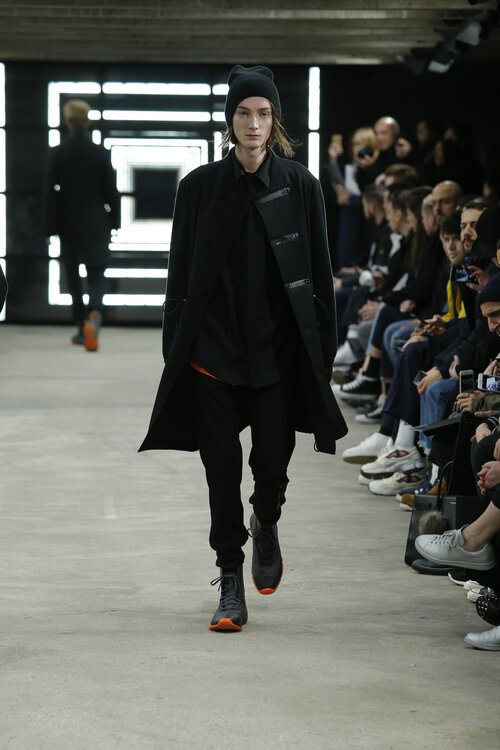
The collection itself was a deliberate reset - a return to the brand's roots after a period of aesthetic drift. Drawing from 1990s rave culture and the rigour of minimalism, Yohji Yamamoto presented at Entrepôte Eiffel - a raw, underground space in Paris that was as far from conventional fashion week production as the collection was from conventional sportswear. The show explored clothing as armour: the idea that in an era of pervasive surveillance and digital exposure, what you wear becomes a form of protection as much as expression.
The creative language was industrial, dystopian, uncompromising. The communications strategy had to match it.
The Strategic Shift
AW16 was the season the production and content agency model was rebuilt. The move was away from traditional fashion week agencies toward Broadwick Live - a partner whose background in live cultural experience was far closer to Y-3's non-conformist DNA than the conventional fashion PR infrastructure the brand had been using.
That decision unlocked two things: a show environment that felt genuinely immersive and emotionally charged rather than produced, and €500k returned to the brand for content creation and engagement activity.
The results of that shift were felt immediately in AW16, and then more fully in SS17 - where the same model, now bedded in, delivered the brand's most significant digital moment to date.
Communications Strategy
The seasonal PR approach was built around four story pillars:
Brand - adidas and Yohji Yamamoto invented the sport-fashion category, and were choosing to reinvent it again.
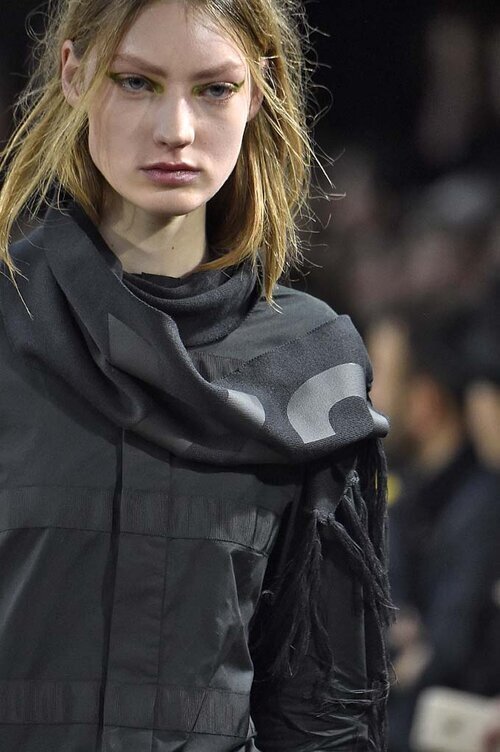
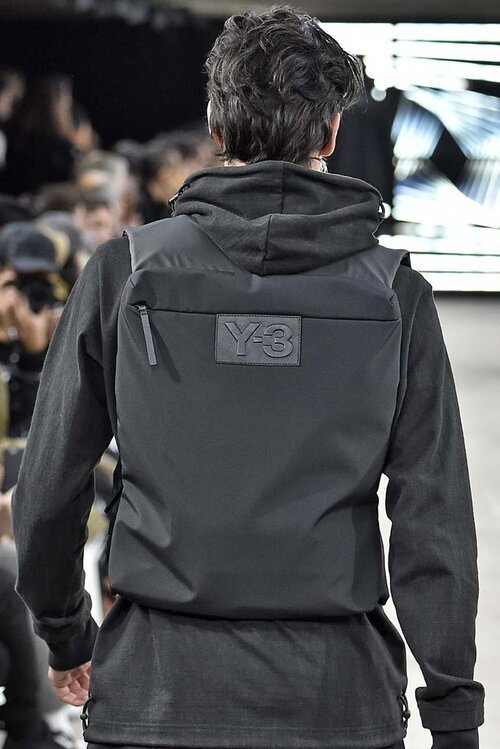
Fashion and style - bold, emphatic silhouettes, a dark dusky palette, powerful progressive sportswear built with confidence by the brand at the front of the category.
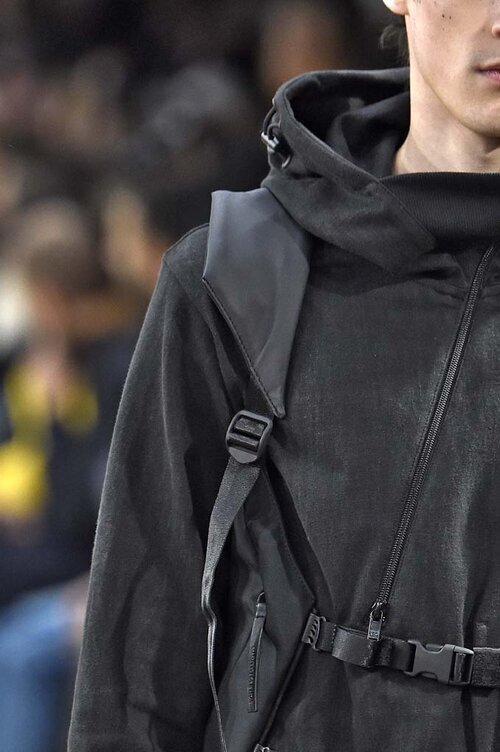
Design - futuristic shapes with minimal construction, garments of high engineering juxtaposed with naive twists, the three stripes reinventing tailored classics.
News - the show itself, the venue, the moment.
The influencer and media strategy prioritised depth over volume - long-form features and meaningful coverage over photo galleries, with key editors targeted for narrative pieces rather than product placement.
Results
Runway Show
65+ pieces of cross-platform coverage across print, online and social.
Combined reach of 108m+, with key title reach of 27m+ including WWD, GQ, i-D, Hypebeast, Vogue and Elle.
Total influencer and media social reach of 5.4m, with 3.8m in key titles.
Coverage generated across 8 markets.
100% positive sentiment. Strong appreciation of show themes and creative direction across all coverage.
Product Placement
431+ pieces of cross-platform coverage across print, online and social.
Combined reach of 1bn+, with key title reach of 492m+ including Hypebeast, Complex, GQ, GRIND, WWD, i-D Japan and Highsnobiety.
Total influencer and media social reach of 12.9m, with 6m in key titles.
Coverage generated across 6 markets.
The agency model established in AW16 went on to deliver the brand's first-ever multi-camera Instagram Live runway in SS17 - reaching 75,000 live viewers and generating 49 million total impressions - and earned a Shorty Awards finalist nomination for innovation in live social broadcasting.
Strategic Significance
AW16 mattered not just for what it delivered in the season, but for what it made possible afterwards. The structural decisions made here - the agency model, the content approach, the editorial benchmarks - became the foundation for Y-3's most commercially efficient and culturally impactful communications period.
The collection's central idea was that clothing could be armour in an exposed world. The communications model rebuilt in the same season was built on a similar principle: that the right structure, quietly put in place, protects and amplifies everything that comes after it.
COVERAGE EXAMPLES


PRESS SHOT EXAMPLES