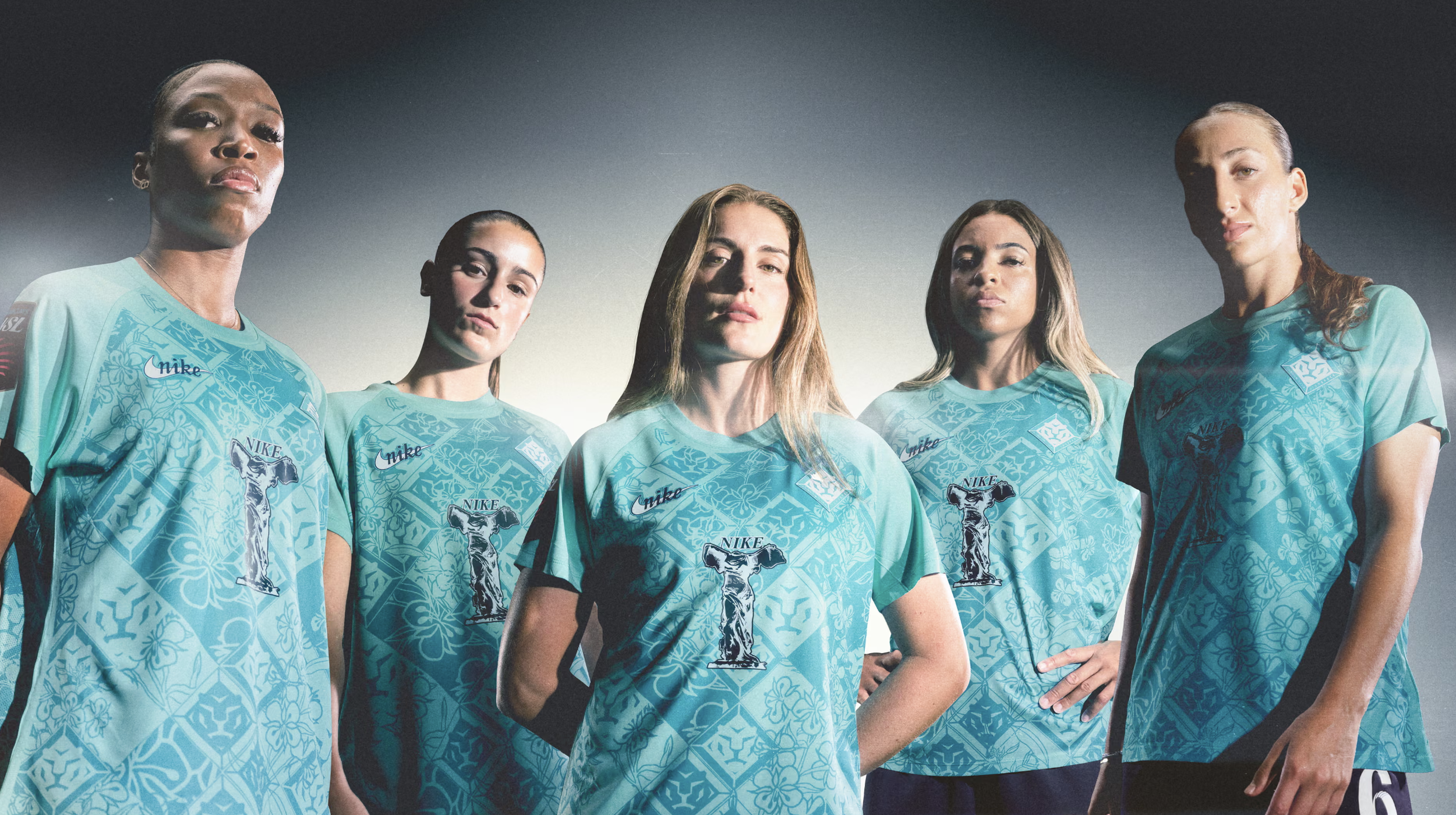
London City Lionesses have signed a front-of-shirt sponsorship deal with Nike that their owner, Michele Kang, says beats what some Premier League clubs are earning from their own shirt sponsors. Neither the value nor the length of the deal has been disclosed. But the claim itself, made directly to BBC Sport, is worth sitting with.
For a long time, sponsorship in women's football has been framed as a values play. A brand backs a women's team, gets credit for supporting the game, and the commercial logic stays vague enough that nobody has to defend the number. Kang's comments push against that framing directly. Asked about the deal, she said Nike "did not write a charity cheque." They priced it as a commercial bet.
The numbers behind the claim
London City's most recent financial accounts, covering the 2024-25 season in which they won promotion to the WSL, show revenue of £902,000 and an operating loss above £10m. That is the club Nike has just backed with a deal Kang says outbids some men's Premier League shirt sponsorships, deals typically worth tens of millions of pounds a year.
The gap between those two numbers is the story. Nike is not pricing London City on what the club currently earns. It is pricing them on what the club has just built.
This summer, London City signed Alexia Putellas, the Ballon d'Or winner and four-time Champions League winner with Barcelona, alongside former England goalkeeper Mary Earps and Spain international Mapi León. Putellas alone brings 3.4 million Instagram followers, an audience most WSL clubs, and plenty of Premier League ones, cannot match. That reach is a large part of what Nike is buying.
The WSL's spending rules make the timing of the deal matter beyond the headline figure. Clubs cannot spend more on player wages than 80% of their relevant revenue, plus up to £4m in owner contributions. A sponsorship deal of this size does not just fund the club. It directly raises what London City can spend on its squad.
Why the framing matters more than the figure
Kang's "landmark" comment and the "not a charity cheque" line are doing real work here, whether or not the two of them intended it that way. They are drawing a line between two very different ways of justifying sponsorship: brand goodwill on one side, commercial return on the other. This deal is being sold, publicly, as the second kind.
That distinction is the actual shift worth watching. Not the size of the number, which remains undisclosed and unverified beyond Kang's own comparison, but the terms it is being discussed in. When a club earning under £1m in revenue signs a shirt deal its owner says beats Premier League money, and the sponsor is explicit about it being a commercial decision rather than a supportive one, that changes what "backing women's sport" is allowed to mean to the brands doing it.