• Work Overview
  • About
  • Partnerships
  • Testimonials
  • On The Record
  • Linkedin

Vicky Elmer

(née Beercock) | VP of Global Communications & Marketing | Brand, Culture, Reputation

  • Work Overview
  • About
  • Partnerships
  • Testimonials
  • On The Record
  • Linkedin

Fashion’s Soft Power Play at Paris Men’s Week

Why silence spoke louder than spectacle this season - and what it means for brand marketers in fashion

Paris Men’s Week 2025 didn’t go big - it went deep. In a cultural moment that’s oversaturated with noise, distraction and short-form hype, the most influential players chose quiet confidence over bombastic theatrics.

Loewe leaned into abstraction and sensual restraint. Dior revisited its archives with clean precision. Wales Bonner offered up a soulful, pan-African aesthetic that resonated far beyond the front row. No gimmicks. No viral stunts. Just brand codes, cultural depth, and creative clarity.

In short: this was fashion’s soft power era in action - and it wasn’t just beautiful to look at. It was strategic.

Because fashion isn’t just about garments anymore - it’s about signalling. And in today’s attention economy, subtlety can speak louder than spectacle. Brands that understand this are rewriting the playbook: less flex, more finesse. Less volume, more value.

📈 Culture moves fast. Fashion brands need to move smarter.

In 2025, fashion weeks are no longer industry-only enclaves. They are live, public, and platform-native events. One viral moment can globalise a collection before it’s even walked. One brand misstep can unravel years of equity.

💡 81% of Gen Z and millennials globally say they “prefer brands that have a strong point of view” — Wunderman Thompson, 2024
💡 Only 16% trust fashion influencers to be truly authentic — Statista, 2024
💡 Fashion-related content on TikTok drives 5x higher engagement than on Instagram, on average — Dash Hudson, 2025

Soft power wins in this context. Not by shouting, but by sticking to a story, owning a mood, and creating meaning.

🧭 What smart fashion brands are doing right now:

1. Building multi-platform runway ecosystems
It’s not about the show. It’s about everything around the show - pre-show film drops, lookbook leaks on Discord, behind-the-scenes stories on Instagram Close Friends, Substack dispatches from stylists. Think like a media company, not just a fashion house.

2. Prioritising creative direction over content volume
Not every asset needs to go viral. What matters more: that each touchpoint feels intentional and emotionally on-brand.

3. Choosing collaboration over co-signing
Partnerships this season weren’t transactional. They were cultural. Wales Bonner isn’t a “fashion collab” - she’s an ecosystem of influence, spanning music, academia, diaspora and design. The audience knows the difference.

4. Playing the long game with cultural equity
You might not be front row at Paris, but you can still be part of the cultural conversation - if your point of view is clear, and your presence is earned.

🔑 Key Takeaways for Fashion Brand Marketers:

  • Narrative is the new campaign: Clear, consistent storytelling beats trend-chasing every time.

  • Fashion weeks are full-funnel: Leverage pre-show teasers, real-time social, and post-show content to sustain attention and drive brand desire.

  • Don’t rent relevance - build it: Work with talent and collaborators who align with your long-term positioning, not just your seasonal product.

  • Create content with rhythm: Know when to drop your moments - pre-show exclusives, live commentary, delayed drops - timing is everything.

  • Design for depth, not just demand: Subtle codes and creative restraint often build more loyalty than hype drops and maximalist stunts.

Want to stay relevant without shouting? Take a cue from Paris. In 2025, understatement is a power move - and soft power is the strategy that sticks.

Wednesday 06.25.25
Posted by Vicky Beercock
 

From Club to Campaign: How Dance Music is Driving Brand Energy in 2025

Rave is the new ROI

Dance music has always pulsed beneath youth culture - but in 2025, it’s front and centre again. From Fred again..’s global festival domination to Boiler Room’s branded takeovers, club culture is creating the kind of collective moments brands crave. And unlike the hyper-polished campaigns of yesteryear, the club offers something raw, emotive, and full of edge.

What’s changed? Gen Z have grown up in crises - economic, climate, political. Escapism is no longer optional. Dance floors represent joy, release, and identity. They’re where music meets movement, and where brands can plug into something real - if they know how.

It’s not about just slapping a logo on a flyer. Smart brands are embedding in these spaces - through co-creation with DJs, thoughtful IRL activations, or tapping into sound itself as a branding tool.

🔑 Key Takeaways for Brand Marketers:

  • Lead with feeling, not form: Club culture is about energy. Translate it through experience, music, and emotional resonance.

  • Partner with the ecosystem: Think beyond headliners. Work with collectives, promoters, platforms. Authenticity lives in the details.

  • Use music as a brand code: Invest in sonic branding that feels native to your audience’s world - not like an afterthought.

  • Test in the underground before going global: Small events often build bigger affinity than huge headline slots.

Wednesday 06.25.25
Posted by Vicky Beercock
 

🛍 TikTok Shop & the Redefinition of Aesthetic Culture

Raw, real and retail-ready - but how far can brands go before losing themselves?

TikTok Shop is flooding our feeds - and not with curated lifestyle content. It’s hauls, lives, side-eyes, and unboxings in bedroom lighting. And it's working. Products are flying. Creators are converting. The algorithm is doing its job.

But here’s the thing: just because it works doesn’t mean it builds. For brand marketers working at the intersection of culture and commerce, TikTok Shop is less of a gold rush, more of a tightrope. One that demands we ask: how do we show up in real-time, retail spaces without stripping away brand meaning?

What we’re seeing is not the death of aesthetics - but the redefinition of them. Raw doesn’t have to mean throwaway. Unfiltered doesn’t have to mean off-brand. But chasing sales without intention? That’s when you lose control.

The brands doing this well? They’re working with creators who get the product, but also the cultural context. They're building toolkits, not just briefs. They know TikTok Shop is a platform - not a strategy.

✳️ And yes, Cannes Lions still matters

While TikTok Shop shouts in the scroll, Cannes Lions 2025 reminded us that brand craft, emotional depth, and big ideas still cut through. It’s not about either-or - it’s knowing where your brand speaks loudest and truest.

Conversion content might grab attention - but it’s cultural consistency that earns trust.

🔑 Key Takeaways for Brand Marketers:

  • Protect your brand codes: Just because the platform’s lo-fi doesn’t mean your identity should be.

  • Use TikTok Shop selectively: Let it complement your strategy - not drive it.

  • Choose creators who can sell and storytell: The best ones don’t feel like ads - they feel like allies.

  • Build for both brand and behaviour: The creative needs to flex for scroll and soul.

  • Keep your cultural POV sharp: Being everywhere isn’t useful if your message gets diluted in the process.

Wednesday 06.25.25
Posted by Vicky Beercock
 

Cracks in the Search Empire: Why Brand Marketers Should Care About the UK’s Push to Dismantle Google’s Monopoly

Big Tech, AI search and the future of branded visibility are under scrutiny - here’s what CMOs, strategists and agencies need to know.

This week, the UK’s Competition and Markets Authority (CMA) made waves by proposing to curb Google’s dominance in search - and it’s not just a regulatory battle. It’s a strategic fault line for anyone who builds brand value through digital discoverability.

At the heart of the proposal is a plan to give Google “Strategic Market Status (SMS)” under the UK’s new digital competition rules - a label that would force it to comply with tougher conduct obligations. Among them:

  • “Fair ranking” principles for search results

  • Increased publisher control over how their content appears (especially in AI-generated summaries)

  • More transparent options for users to switch between search engines

For Google, this is “punitive.” For the CMA, it’s about restoring competition and innovation to a market dominated by one gatekeeper.

But for brand marketers? It’s a flashing red signal that the ground is shifting beneath your search strategy.

What’s Really at Stake for Brand Marketing

Marketers have long relied on Google as the default path to consumer attention. But what happens when that grip is loosened? When content licensing becomes contested? When AI-generated search results remove context, brand attribution - or visibility entirely?

This isn’t just a tech issue. It cuts to the core of how brand equity, reach and relevance are built in the digital age.

Here’s why it matters:

1. The Search Algorithm Is a Brand Filter

Your organic performance isn’t just about content quality - it’s shaped by ranking systems built in Google's image. If those systems are forced to become more transparent or fairer, your brand could either gain ground or lose privileged visibility.

2. AI Is Changing How People ‘Search’

AI-generated summaries are rewriting the SERP (Search Engine Results Page). If the CMA succeeds in giving publishers and brands more control, it could offer leverage in negotiating how your content is used in these AI answers - or how it’s monetised.

3. The Ad Model Is Under Pressure

The CMA has called out Google’s advertising business for inflating prices in a non-competitive market. If this results in a shake-up of ad pricing and placement, marketers could see more value — or more volatility - in paid search ROI.

4. Choice Screens Will Disrupt Defaults

If Apple and others are forced to offer users more options to switch search engines, that means more fragmentation. It’s no longer enough to optimise for Google alone.

What Brand Marketers Should Do Next

This isn’t a time to sit back. It’s a moment to lead with foresight, internally and across agency ecosystems.

🔍 In-House Teams

Audit your digital dependency
Where are you over-indexing on Google - for visibility, traffic or lead gen? What happens if ranking systems change or content indexing slows?

Map your brand’s role in AI search
Test how your brand shows up in Gemini, Perplexity or ChatGPT search integrations. Are your assets being cited? Is your brand voice being respected?

Strengthen your IP and content strategy
If AI-generated answers are built on your brand’s content, you need internal alignment across legal, comms and marketing to protect that value.

Push for channel diversification
Ramp up efforts in TikTok SEO, YouTube Shorts, Reddit threads, Pinterest discovery and newsletter ecosystems. The future is platform-agnostic.

💼 For Agencies and Strategic Partners

Lead with POV, not panic
This is an opportunity to advise clients proactively. Build trust through clarity, not alarmism.

Experiment with alternative platforms
Don’t wait for the dust to settle. Run pilot tests in non-Google search and discovery tools to gather real data on ROI, discoverability and consumer intent.

Align on new performance metrics
Traditional SEO and PPC benchmarks may lose relevance. Collaborate on future-facing KPIs that reflect changing paths to brand discovery.

Build regulatory fluency
Clients need more than media buying - they need partners who understand digital policy and platform accountability. Be the agency that speaks both languages.

The Bigger Picture: Why This Moment Is Cultural

We often talk about brand building through culture, but in many ways, culture is filtered through search. If one company controls what people see, it controls what people believe.

This CMA move is about more than economics - it’s about democratising access to visibility. That’s why this matters for marketers. Because if you want to build lasting brand relevance, you need to be seen - not just by Google, but by the people who matter.

The fight for fairer search is a fight for cultural equity. And marketers who show up early, with strategic clarity and diversified thinking, will be the ones who win.

TL;DR for the Boardroom

  • What’s happening: The UK wants to force Google to play fair in search

  • Why it matters: It could radically shift how consumers find and engage with brands

  • What to do: Audit your dependency, diversify your discoverability, prepare for platform change

  • Opportunity: Get ahead by treating digital visibility as a brand governance issue, not just a media line item

categories: Tech
Wednesday 06.25.25
Posted by Vicky Beercock
 

From Merch to Meaning: How Oasis Are Monetising Cultural Nostalgia with adidas and Burberry

Two high-impact collabs, a pop-up store, and a sold-out reunion tour - Oasis are writing the playbook on music-led brand strategy in 2025.

Oasis aren’t just getting back together - they’re cashing in on the cultural capital they built across three decades. As Liam Gallagher gears up to front the Oasis Live ‘25 tour celebrating Definitely Maybe, the band is making strategic moves offstage too, with not one but two brand collaborations: adidas Originals and Burberry.

Both partnerships go beyond standard artist merch - they’re part of a 360° commercial and cultural strategy to monetise nostalgia, drive new revenue streams, and anchor Oasis as a multi-generational brand.

And the smart move? They’ve opened a limited-run Oasis pop-up retail store in Manchester, selling exclusive pieces from the adidas collab alongside music memorabilia and archive content. It’s not just a store — it’s a destination, designed to convert fandom into footfall and sales into story.

Oasis x adidas: Terracewear Meets Timeless Relevance

The “Original Forever” campaign with adidas is a full-circle moment. The collection revives 90s Oasis staples - Firebird tracksuits, bucket hats, coach jackets - for a new generation. But this isn’t just retro flair. It’s a way of hardwiring Oasis into the current Gen Z/Y2K fashion boom, while keeping their roots in terrace culture and Britpop style.

🔗 Watch the promo video:

Available online, in flagship stores, and at live tour venues, the apparel line is embedded directly into the Oasis Live ‘25 experience. For adidas, it strengthens Originals’ long-standing presence in music. For Oasis, it’s a profitable, credible way to align with cultural authenticity - and a fanbase who still see adidas as their generational uniform.

Oasis x Burberry: From Tracksuits to Trench Coats

If adidas is the sound of the people, Burberry brings the polish. Teased via Liam Gallagher’s trench-clad turn in Burberry’s new campaign, this partnership repositions Oasis within a more elevated narrative — still British, still rebellious, but reimagined through luxury tailoring.

🔗 Watch the campaign teaser:

View this post on Instagram

A post shared by Liam Gallagher Daily (@liamgallagher.daily)

Burberry has been doubling down on its Britishness under Daniel Lee, and Oasis are a strategic fit. Their music defined an era of working-class aspiration and attitude - a mood that fashion now actively seeks out to feel relevant. The collab hints at a creative capsule dropping later this year, with rumours of limited outerwear and exclusive tour-inspired pieces.

The Pop-Up: Turning Fandom into Footfall

Running for a limited time in the band’s hometown of Manchester, the Oasis x adidas pop-up isn’t just a store - it’s a love letter to fandom. Featuring the new collection, rare band archive items, and curated playlists, it bridges commerce and culture. For fans, it’s a pilgrimage. For the band, it’s another layer of monetisation around the reunion moment - direct-to-consumer, high-margin, and fully immersive.

Why This Strategy Matters

This is brand-building through music, not merch. Oasis are showing how legacy artists can use cultural storytelling to reignite commercial fire - especially when aligned with brands who get it. In 2025, nostalgia isn't just sentiment - it's strategy.

Fashion and music partnerships have always made noise, but this model is a masterclass in revenue diversification. It blends emotion and execution. Relevance and retail. And it proves that bands with cultural equity can still convert cool into cash - on their own terms.

categories: Culture, Impact, Music, Fashion
Wednesday 06.25.25
Posted by Vicky Beercock
 

On The Record Linkedin Newsletter 24th June

categories: Linkedin Newsletter
Tuesday 06.24.25
Posted by Vicky Beercock
 

⚾ The Dodgers' Million-Dollar Message: Why Brands Must Meet the Moment with Courage and Community

In a move that is both strategic and symbolic, the Los Angeles Dodgers, a franchise deeply embedded in the cultural fabric of Los Angeles, have pledged $1 million in direct financial assistance to families affected by recent ICE raids. This is not merely an act of charity. It marks a defining moment in how brands are expected to engage with the real-world issues impacting their communities.

As a professional working at the intersection of brand marketing and social impact, I see this as a compelling example of what authentic leadership looks like in practice.

Cultural Relevance Is No Longer Optional

Los Angeles is one of the most diverse cities in the world, and the Dodgers are more than just a sports team. They are a community institution. Since the era of Fernandomania in the 1980s, when Mexican-born pitcher Fernando Valenzuela electrified the city, the Dodgers have cultivated a strong connection with their Latino fanbase. In light of this, staying silent on the recent immigration raids would not only have felt out of touch, but would have represented a failure to support the very people who have built the team's legacy.

The Dodgers have chosen to stand with their community when it counts.

This Is Strategy with Substance

Let us be honest. The $1 million pledge is not only a moral decision. It is a savvy move that aligns with the expectations of today’s consumer. Increasingly, Millennials and Gen Z are making purchasing and loyalty decisions based on a brand’s values, not just its products or services.

By acting decisively, the Dodgers are strengthening their identity rather than risking it. They are building deeper loyalty by proving that cultural awareness and social responsibility are part of their core values, not optional extras.

A New Benchmark for Civic Leadership in Sport

In an environment where most professional sports organisations prefer to stay silent on divisive issues, the Dodgers have chosen action. They have not only committed financial support to families in need, but have also taken steps such as denying ICE agents access to the stadium car park. This is a rare example of a club using its physical and social capital to stand up for the community it represents.

Other clubs in Los Angeles, such as LAFC and Angel City FC, have issued supportive statements. But the Dodgers have gone further by converting sentiment into action. That difference matters.

A Lesson for All Brands

This should serve as a clear message to brands across all sectors. Remaining silent in moments of crisis is not a neutral act. Today, consumers expect brands to be engaged, responsive and accountable. That does not mean every brand must comment on every issue, but when your own customers, employees or communities are directly affected, your silence speaks volumes.

The Dodgers have demonstrated that leadership is not about staying comfortable. It is about doing what is right, even when it may be controversial.

Cultural Relevance Takes Time, but Moments Like This Define It

This decision will be remembered well beyond the immediate headlines. It will be remembered by the families receiving aid, by fans across Los Angeles, and by a wider public who are paying attention to which organisations show up when it matters most.

The Dodgers have not just protected their brand. They have advanced it. They have responded with action rather than platitudes, and that is what earns trust in the long term.

In 2025, brand equity is shaped as much by social consciousness as it is by financial performance. True relevance is built over time, but it is moments like these that reveal whether a brand truly understands its role in society.

The question for every brand is no longer whether to respond, but how. When your community looks to you for leadership, will you answer the call?

categories: Impact, Sport
Saturday 06.21.25
Posted by Vicky Beercock
 

IMPACT: When the Truth Is Televised: How Documentaries and Dramas Are Becoming Catalysts for Justice

When journalism informs, but storytelling moves, something extraordinary happens: people care. They act. And occasionally, justice follows.

That’s the quiet transformation unfolding on our screens today.

For decades, investigative journalism has been the foundation of public accountability - relentlessly uncovering injustice and shining a light into the darkest corners of power. But in recent years, broadcasters and streaming platforms have taken that legacy and reimagined it. Through emotionally driven dramas and hard-hitting documentaries, they’re not just reporting injustice - they’re immersing us in it.

These stories don’t just explain what happened. They let us feel what it meant. And that’s when things start to change.

Grenfell: Uncovered (Netflix, 2025) & The Tower: Grenfell (BBC, 2023)

“No arrests. Eight years. Two powerful stories. One call for justice.”

In June 2025, Netflix released Grenfell: Uncovered, a blistering documentary marking the eighth anniversary of the fire that killed 72 people in West London. It doesn’t just recount the night of the blaze - it dissects the years of failure that led to it: deregulation, ignored warnings, dangerous materials, and institutional apathy.

Survivors speak. Whistleblowers come forward. Documents surface. The film is unflinching - and it lands like a punch to the national conscience.

Impact after airing:

Sparked widespread national and global media attention.

Gave renewed platform to survivors and campaigners.

Reignited calls for prosecutions of companies and individuals responsible.

Reopened political debate over housing reform and inquiry transparency.

Put pressure on the Metropolitan Police and Crown Prosecution Service over delays.

But Grenfell: Uncovered did not emerge in isolation.

In 2023, the BBC aired The Tower: Grenfell - a dramatised mini-series that brought the human side of the story into sharper focus. It offered what a documentary couldn’t: an intimate window into life inside the tower, the confusion of the night itself, and the heartbreak of the aftermath.

Where Netflix presented hard facts, the BBC offered emotional truth. And between them, a full picture began to form.

Impact of The Tower: Grenfell:

Helped the public emotionally connect with the people and experiences behind the headlines.

Ensured Grenfell stayed visible in public memory between phases of the official inquiry.

Used as an educational tool to provoke debate on housing inequality and social neglect.

Amplified calls from justice groups, particularly among younger viewers and educators.

Together, these two projects form a devastating one-two punch: one appeals to the mind, the other to the heart. Both make it painfully clear that Grenfell was not a freak accident - but a preventable outcome of greed, failure, and systemic neglect.

And crucially, both arrive at a time when justice remains stalled. No arrests. No prosecutions. A community still waiting.

Their combined message? We will not forget. And we will not stop asking why no one has been held accountable.


Mr Bates vs The Post Office (ITV, 2024)

“A drama so powerful, it rewrote the law.”

This four-part ITV drama told the true story of hundreds of innocent subpostmasters falsely accused of theft, fraud and false accounting - victims of a faulty Horizon computer system and a ruthless institution.

Impact after airing:

Triggered emergency legislation to quash convictions.

Accelerated compensation payments.

Former CEO Paula Vennells returned her CBE amid national backlash.

Prompted new parliamentary investigations.

Widely credited with transforming public understanding of the scandal.

A real-life injustice, long overlooked, was finally seen - because the nation watched, cried, and demanded better.


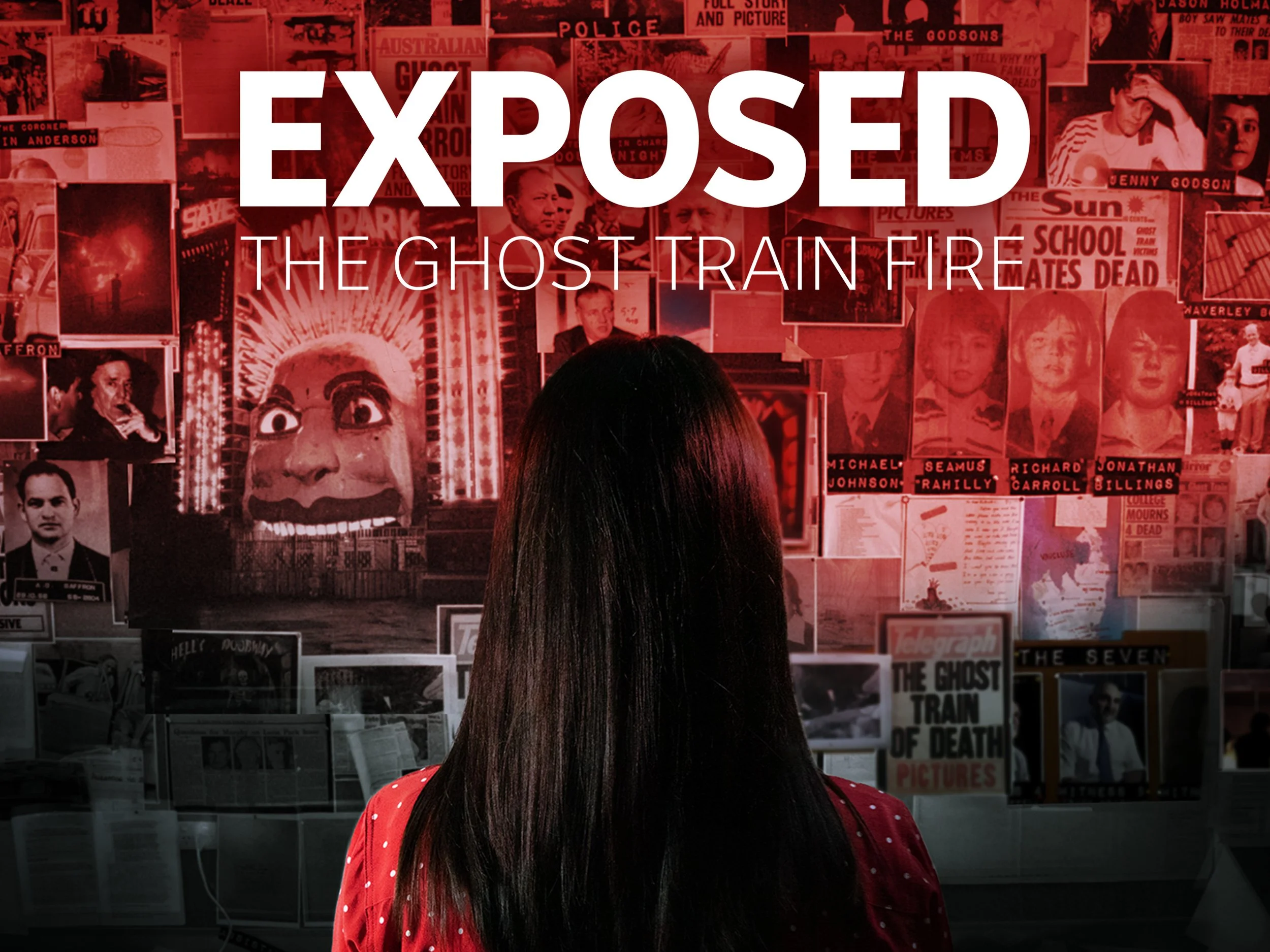
Exposed: The Ghost Train Fire (ABC Australia, 2021)

“A forgotten fire. A reopened wound.”

In 1979, a fire at Sydney’s Luna Park killed seven people. It was declared accidental. Exposed reopened the case with devastating effect—revealing possible arson, institutional failure, and high-level corruption.

Impact after airing:

Calls for renewed criminal investigations.

Reignited national debate about government integrity.

Gave families a long-overdue platform and public support.

It showed that even after decades of silence, the truth can still rise.


When They See Us (Netflix, 2019 - resurged post - 2020)

“They were boys. The world called them criminals.”

Ava DuVernay’s dramatisation of the Central Park Five case broke open a painful history of racial injustice and wrongful conviction.

Impact after airing:

Brought global attention to the lives of the exonerated men.

Sparked new conversations around race and justice in U.S. schools and media.

Helped shift public opinion on police and prosecutorial accountability.

A story known to many - but felt by far more after the series aired.


Other Stories That Stirred Action

💊 The Pharmacist (Netflix, 2020)

  • One man’s quest against opioid abuse laid bare Big Pharma’s role in an American health crisis. It mobilised public concern around accountability in healthcare.

🐟 Seaspiracy (Netflix, 2021)

  • Investigated the global fishing industry’s hidden environmental impact. Resulted in widespread scrutiny of “sustainable” labelling practices and conservation claims.

⏳ Time (BBC, 2021)

  • Explored the UK prison system with depth and compassion. Used by advocacy groups and policymakers in justice reform conversations.

🏛 Capitol Riot Documentaries (BBC, HBO, 2021–2022)

  • Detailed the lead-up and aftermath of the January 6 attack in the U.S. Used in public hearings and reinforced the need for democratic safeguards.


The New Power of Storytelling

These films and series do something journalism alone can struggle to do - they translate complexity into compassion, and statistics into stories. They help us not only understand injustice, but feel its urgency. And when people feel, they act.

Streaming platforms and broadcasters aren’t replacing traditional journalism. They’re magnifying it. They’re giving it rhythm, colour, faces, and consequences.

They are, increasingly, a vital part of how justice begins.

And Still, Grenfell

Which brings us back to Grenfell: Uncovered - a documentary airing into a country that still hasn’t delivered justice.

No arrests. No prosecutions. No full accountability.

But now, millions are watching. And when that happens - when truth is finally seen - it becomes harder for power to hide.

Because when storytelling moves us, something extraordinary happens: people care. They act. And occasionally - if we keep the pressure - justice follows.

If you want to get involved and support the ongoing call for justice, visit Justice for Grenfell.

categories: Tech, Impact
Friday 06.20.25
Posted by Vicky Beercock
 

📱 Who Wants a BlackBerry? Apparently, Gen Z - and They’re Dead Serious

You read that right. Gen Z - the generation raised on touchscreens, swipe gestures, and Instagram filters - is craving the click-clack charm of a BlackBerry keyboard.

Welcome to the age of nostalgia tech, where retro gadgets like flip phones, digital cameras, and yes, even the BlackBerry, are experiencing a renaissance - not in corporate boardrooms, but on TikTok. The resurgence is being driven not by practicality, but by sentiment, aesthetics, and cultural rebellion. And if you’re still dismissing Gen Z as digital addicts incapable of analog affection, it's time for a reality check.

📱 Gen Z and the Retro Tech Rebellion

Despite being born after the BlackBerry’s 1999 debut, Gen Z is falling for the brand that once defined corporate cool. This isn’t ironic posturing or retro cosplay - it’s part of a much larger movement of digital disconnection and identity reclamation.

67% of Gen Z say they feel “overwhelmed by digital notifications,” according to a 2024 Pew Research study. That digital fatigue is real. And it’s driving them to rediscover simpler tech - tools that offered communication without domination.

BlackBerry represents something they rarely get: focus, privacy, and physicality.

“I feel like the time of the BlackBerry phone was very nostalgic,” says Victoria Zannino, 25, whose TikTok plea to resurrect the device has racked up over 6 million views. Her sentiment is echoed across a growing subculture of TikTokers who romanticize early-2000s tech - not because they lived it, but because they long for its boundaries.

⌨️ What’s So Appealing About a Phone with Buttons?

To understand the BlackBerry revival, we have to understand Gen Z’s values. This is a generation that’s both hyper-connected and hyper-aware of the toll that connection takes. The return to BlackBerry is part rebellion, part romanticism - and completely on brand for a generation that celebrates the analog aesthetic of vinyl records, disposable cameras, and Y2K fashion.

93% of Gen Z say they use TikTok daily, yet they also lead the charge on digital detoxes. This contradiction isn't hypocrisy - it’s cultural duality. The BlackBerry, with its physical keyboard and pre-screen-life simplicity, represents an emotional safe haven. It’s not just a phone. It’s a symbol.

“It ties into vinyls and Polaroid pictures,” says Dan Kassim, 29. “Phones were tools, not the center of your life.”

This retro appeal also taps into the Y2K revival, a broader Gen Z aesthetic that’s powered entire industries - from fashion to film - to repackage the early-2000s cool factor.

🎯 Brands, Are You Paying Attention?

Gen Z is making a clear statement: They don’t want more tech. They want better tech. They crave devices that help them curate reality, not escape it.

This nostalgia isn’t about regression. It’s about retrofitting the future with tools that support intentionality over addiction. The failed relaunch of the 5G BlackBerry by OnwardMobility wasn’t a rejection of the brand - it was a missed opportunity to meet Gen Z where they are: craving simplicity with style.

Smart brands should take note: there is real market potential in nostalgia tech. Just ask the companies profiting off Gen Z’s love for disposable cameras, Tamagotchis, or flip phones.

🧠 Why This Matters Culturally

This trend isn’t just about phones - it’s about control. Gen Z has inherited a world of information overload, algorithmic manipulation, and digital burnout. Reclaiming outdated tech isn’t retro irony - it’s a form of cultural resilience.

A BlackBerry can’t run TikTok. And that’s exactly the point.

🔮 The Future Is Retro

Whether or not BlackBerry makes a comeback, its cultural relevance is already sealed. What started as a corporate communications tool has become a Gen Z totem of authenticity, rebellion, and analog joy.

Don’t underestimate this generation. They may be digital natives, but they’re also nostalgic nomads - and right now, they’re typing their future on a keyboard from the past.

In Short:
Gen Z doesn’t just want to connect - they want to connect on their own terms. And if that means blowing the dust off a BlackBerry in the process? That’s not just a flex. It’s a movement.

You can check out the NY Times article that informed this piece here: https://www.nytimes.com/2025/06/20/style/blackberry-nostalgia-tiktok.html

Friday 06.20.25
Posted by Vicky Beercock
 

🧠 Bose Puts Paid Search Under the Microscope: Are Brand Terms Really Worth the Spend?

At the 2025 Cannes Lions International Festival of Creativity, Bose CMO Jim Mollica made headlines with a deceptively simple but industry-shaking question:


“How incremental is paid Google Search, particularly for branded terms?”

To find out, Bose has done what few major brands dare to do - it has paused its paid search activity in half of its U.S. markets. The aim? To determine whether paid ads on brand-related queries like “Bose Ultra Open Earbuds” are genuinely driving incremental sales, or simply claiming credit for purchases that were going to happen anyway.

This isn't just a strategic test - it’s a challenge to one of digital marketing’s longest-standing assumptions.

Brand Search vs. Generic Search: Understanding Intent

Mollica articulated a point many performance marketers acknowledge privately but rarely act on publicly: not all search traffic is equally valuable.

  • A generic search like “headphones” reflects a consumer in discovery mode — open to influence, comparison and brand persuasion.

  • A branded search like “Bose QuietComfort Ultra”, however, often signals that a consumer has already made up their mind.

Paid search tends to perform well on paper in both cases. But in the latter, it may simply intercept intent that organic results or direct navigation would have captured anyway.

And this is a broader industry issue. According to a 2023 study by the UK’s Institute of Practitioners in Advertising (IPA), up to 40% of paid search clicks on brand terms are “non-incremental” - meaning they do not drive new business, only accelerate or claim credit for what would have occurred organically.

Similarly, Analytic Partners reported in their ROI Genome 2024 findings that generic search delivers 2–3 times the ROI of branded search on average, precisely because it reaches consumers higher in the funnel.

A Data-Driven Reckoning for Digital Attribution

The marketing industry’s dependency on last-click attribution models has long been under scrutiny. These models disproportionately credit the final interaction before purchase - often a brand’s own paid ad - without recognising the influence of prior brand-building efforts, social content, or even physical retail exposure.

Mollica’s move to pause search activity is a rare real-world holdout test at scale - a true A/B comparison across markets. It’s the sort of experiment that could finally put hard numbers to long-standing assumptions.

Bose also plans to build an AI-powered incrementality model, combining search data, conversion patterns and offline signals to understand which types of search spend genuinely move the needle.

Marketing Efficiency in a Post-Performance Era

As marketing budgets come under increasing scrutiny, this type of experimentation could soon become the norm.

  • A 2024 Gartner survey found that 74% of CMOs feel pressured to prove ROI more clearly across all digital channels, with paid search under particular examination.

  • Despite this, nearly 65% of paid search budgets in the U.S. go toward branded terms, according to Tinuiti’s Q1 2025 Performance Benchmark Report.

If Bose’s test validates Mollica’s hypothesis, it may open the door for a widespread shift in paid media investment — prioritising discovery-based search and upper-funnel brand marketing over what Mollica describes as "advertising to people already in line to pay."

The Implications: Courage, Clarity and Calibration

By asking a provocative but data-led question — and backing it with a meaningful test - Bose is doing what more brands should: questioning the efficiency of entrenched practices. In a digital ecosystem flooded with dashboards and attribution models, true marketing intelligence comes not from more data, but from better-designed experiments.

For marketers, this is a wake-up call: it may be time to stop paying for the illusion of performance and start investing in actual impact.

Final Thought

As the Bose experiment unfolds, the results could redefine how brands worldwide view search investment - especially in an era where every marketing pound must pull its weight.

Sometimes, progress in marketing doesn’t come from adding more tech or spend - but from pausing, observing, and asking the uncomfortable question:

“What if we’ve been measuring it all wrong?”

categories: Tech, Music
Friday 06.20.25
Posted by Vicky Beercock
 

🎉 Why the Notting Hill Carnival Must Be Saved: A Cultural Beacon in Peril

The Notting Hill Carnival is not just an event; it is a vital cultural institution, a living tapestry of history, community resilience, and multicultural celebration. As the largest street festival in Europe - second only to Rio’s Carnival in size - its survival is under serious threat without urgent government funding, a reality brought to light by a recent leaked letter from the carnival’s organisers. But why does this carnival matter so much, and why must it be preserved at all costs?

🌍 A Historical and Cultural Legacy

The roots of the Notting Hill Carnival stretch back to the late 1950s and early 1960s, a period marked by racial tension and social upheaval in London. In 1959, Claudia Jones, a Trinidadian-born activist and journalist, hosted an indoor Caribbean carnival at St Pancras Town Hall. Her event was designed as a joyful response to the racial violence and social exclusion faced by the West Indian community. Jones’s vision planted the seed for what would become the outdoor Notting Hill Carnival, first held in 1966.

That inaugural outdoor carnival was organised by Rhaune Laslett, a community worker committed to bridging divides in a neighborhood scarred by race riots. What began as a modest gathering aimed at local children quickly evolved into a vibrant celebration of Caribbean culture, music, and heritage, drawing hundreds of thousands of revellers over the years.

🎶 Subcultures and Community Spirit

Notting Hill Carnival is a unique cultural melting pot that showcases diverse subcultures within the Caribbean diaspora and beyond. From the pulsating rhythms of calypso, soca, and reggae to the intricate artistry of steelpan bands and flamboyant masquerade costumes, the carnival is a living archive of Caribbean expression.

It is also a space where Afro-Caribbean identities assert their place in British society, creating a sense of belonging and pride. The carnival fosters community cohesion, economic opportunities for local vendors, and a platform for emerging artists and musicians.

📊 The Scale and Significance

The carnival draws approximately 2 million attendees over the August bank holiday weekend, transforming West London into an open-air festival of sound, colour, and life. Last year, nearly 7,000 Metropolitan Police officers were deployed to manage crowd safety and public order.

This scale underscores not just the carnival’s popularity but also its logistical complexity and the critical need for adequate funding and resources to ensure the safety and enjoyment of all participants.

⚠️ The Crisis: Urgent Funding Needed

Despite its immense cultural and economic value, the Notting Hill Carnival is now facing an existential threat. Ian Comfort, the carnival chair, has revealed in a leaked letter to the UK Culture Secretary that urgent government funding is essential to safeguard the event’s future.

An independent safety review highlighted “critical public safety concerns” requiring immediate action, including enhanced stewarding and crowd management. With operational demands escalating and police resources stretched thin, the risk of a “mass casualty event,” as warned by the Met Police’s Assistant Commissioner Matt Twist, is a grave concern.

The carnival’s traditional supporters - the Greater London Authority and local councils - can no longer meet these growing needs alone, placing this iconic cultural institution at serious risk.

❤️ Why Saving Notting Hill Carnival Matters

To lose Notting Hill Carnival would mean more than losing a party. It would mean erasing a vital symbol of Black British culture, community resilience, and multicultural celebration. It would silence a powerful platform for cultural education and identity affirmation.

The carnival also contributes significantly to the local and national economy, supporting hundreds of jobs and small businesses, and drawing tourism revenue.

🚀 Moving Forward: A Call to Action

Protecting Notting Hill Carnival requires immediate and sustained investment from government bodies, alongside community and private sector support. Funding must prioritize safety improvements while preserving the authentic spirit of the event.

This moment is a crossroads. The carnival’s survival is not guaranteed, but with urgent action, it can continue to flourish as a beacon of cultural relevance and communal joy.

The Notting Hill Carnival is far more than a festival - it is a testament to the power of culture to build bridges, celebrate identity, and transform communities. Saving it is not just about preserving a tradition; it is about honoring the past and empowering future generations.

categories: Impact, Culture, Music
Thursday 06.19.25
Posted by Vicky Beercock
 

🎤 The Rise of Independent Artists: How 2025’s Music Streaming Landscape Is Changing the Game

The Japanese House (photo credit Max Barnett)

In 2025, the music industry has reached a turning point. Over 50 per cent of all music streamed globally now comes from independent or unsigned artists. This dramatic shift marks the democratisation of music creation and distribution, transforming how we discover, share and enjoy music.

The Democratisation of Music

Major record labels no longer hold the near-monopoly on which artists reach worldwide audiences. Advances in technology, social media and digital distribution platforms have enabled musicians to produce, promote and monetise their work independently. Platforms such as Spotify, Apple Music, SoundCloud and emerging decentralised streaming services provide artists with unprecedented access to listeners around the globe.

Independent artists now enjoy greater creative control, keep a larger share of their earnings and engage directly with their fans. According to a 2024 MIDiA Research report, independent music revenues have grown by 25% annually over the past five years, reaching an estimated $2.5 billion globally in 2024 (MIDiA Research, 2024).

In the UK alone, independent artists accounted for 55% of total streams in the first quarter of 2025 — a milestone that reflects the sector’s rapid growth (BPI, 2025). Globally, over 70% of newly released tracks come from independent artists, a stark contrast to just 30% a decade ago (IFPI, 2024).

Opportunities Abound

For artists, this rise in streaming share means more opportunities to break through without major label backing. Viral hits can come from bedroom producers, indie bands can sustain touring careers and previously underrepresented voices can reach audiences hungry for authentic sounds.

Listeners also benefit from greater variety. In 2025, 65% of music consumers reported discovering new artists through independent music platforms or social media rather than traditional radio or TV (YouGov, 2025). Playlists curated by algorithms or tastemakers feature a broader range of music styles and artists from every corner of the world. Fans feel more connected to creators who are accessible and relatable, encouraging deeper engagement and loyalty.

Challenges to Navigate

However, this transformation brings new challenges. With over 60,000 tracks uploaded daily on streaming platforms, independent artists face intense competition to be heard (Spotify Insights, 2024). Without the marketing budgets of major labels, success often depends on savvy self-promotion, community building and sometimes a touch of luck.

Monetising music remains difficult. Streaming services typically pay between $0.003 and $0.005 per stream, making it hard for independent artists to sustain income through streaming alone (SoundExchange, 2024). Many musicians supplement income through merchandise, live shows, licensing and crowdfunding.

There is also concern about the power of streaming platforms themselves. Algorithms play a key role in determining what music gains exposure, meaning artists must learn to work with these systems or risk being overlooked.

What the Future Holds

This rise in independent music streaming represents a fundamental change in the industry’s power dynamics. Artists and listeners alike benefit from increased choice and control, but success requires adaptability, creativity and entrepreneurial spirit.

As Warner Music Group CEO Max Lousada recently said, “The future of music is diverse, independent and artist-led. The industry must embrace this evolution to thrive.”

In 2025 and beyond, the music industry is no longer dominated by major labels and blockbuster hits. It is about community, innovation and the rich tapestry of voices that make music such a powerful cultural force.

categories: Impact, Music
Thursday 06.19.25
Posted by Vicky Beercock
 

🎯 Cannes Lions 2025: Key Takeaways: The Year Creativity Got Real - Entertainment, AI and Culture in the Spotlight

This year at Cannes Lions, the message was loud and clear: creativity in 2025 is no longer about chasing attention, it’s about earning it.

With global shifts in tech, culture, and audience expectations, the brands that stood out were those that entertained with purpose, embraced AI with intention, and stayed rooted in cultural nuance. Whether through music, sport, fashion or film, creative leaders are proving that real impact starts with real relevance.

🎭 1. Entertainment as the Engine of Engagement

Inspired by: "From Meme to Movement: The Duolingo Playbook" with CMO Cammie Dunaway
and "MrBeast: Building Empires Through Entertainment" featuring Jimmy Donaldson’s team

Duolingo’s green owl isn’t just a mascot. It’s a meme, a movement and now a growth driver. MrBeast’s session proved that when content is truly entertaining, it transcends platforms and turns attention into affinity.

Opportunities:

  • Develop characters and IP that evolve across platforms

  • Embrace humour, community storytelling and internet-native tone

  • Build franchises, not just campaigns

Challenges:

  • Avoid becoming a parody of your own brand

  • Measuring long-term impact of entertainment-led marketing

  • Staying agile in ever-shifting meme culture

🤖 2. AI That Powers Creativity, Not Replaces It

Inspired by: "Creativity in the Age of AI" with Apple VP Tor Myhren and "The Art and Science of Speed" from Adobe

AI was centre stage at Cannes - but not in a way that sidelined human talent. Apple’s Tor Myhren delivered the quote of the week: “AI won’t save advertising. Creative humans still need to lead.”

Opportunities:

  • Boost productivity in asset creation, localisation and testing

  • Unlock new ways to tell stories faster and better

  • Personalise at scale without losing consistency

Challenges:

  • Risk of losing brand tone or emotional depth

  • Legal and ethical considerations

  • Ensuring AI is used as a co-pilot, not a creative crutch

💥 3. Authenticity at Scale: Micro-Influencers and Real People

Inspired by: "Representation Rewired: Building Brands With Real People" featuring Savage X Fenty, and "Creator Culture: The Power of Niche" with TikTok, Pinterest and leading creators

The old influencer playbook is fading. The most powerful brand-building stories are now being shaped in collaboration with micro-communities and creators with real cultural credibility.

Opportunities:

  • Build community, not just visibility

  • Invest in long-term creator partnerships

  • Show, don’t say, when it comes to values

Challenges:

  • Requires sustained investment and attention

  • Brands must cede some control to creators

  • Authenticity is not easily scalable

⚽ 4. Sport as a Cultural Powerhouse

Inspired by: "Welcome to Wrexham: Sports, Storytelling and Soul" with Ryan Reynolds and Rob McElhenney

In one of the most heartfelt sessions of the week, Ryan Reynolds spoke not about content or business KPIs, but about “collective effervescence” - the pure joy and community power of sport as culture.

Opportunities:

  • Use sport to connect across age, class and borders

  • Integrate fashion, gaming and music into sports activations

  • Build fan-first, story-led brand ecosystems

Challenges:

  • Sport is emotionally volatile - narratives can shift fast

  • Major sponsorships are expensive and competitive

  • Success requires cultural fluency, not just logo placement

🎥 5. Branded Entertainment Goes Cinematic

Inspired by: Entertainment Grand Prix Winner - “Night Fishing” by Hyundai,
and "Entertainment That Earns Its Place in Culture" with Riot Games, Rimas Entertainment and Anitta

The Night Fishing short film stunned the jury and set a new bar for cinematic brand storytelling. Other sessions focused on how music labels and streamers are shaping brand IP through episodic and artist-led formats.

Opportunities:

  • Create content worth bingeing, not skipping

  • Partner with entertainment creators to boost cultural capital

  • Build brand as studio, not just advertiser

Challenges:

  • Long-form requires long-term thinking

  • High investment with less predictable ROI

  • Stakeholders must value impact over immediacy

📈 6. Commerce Media and the Business of Creativity

Inspired by: "The New Media Money: What’s Next for Retail, Commerce and AI-Led Performance" with Amazon Ads, Publicis and retail media experts

Cannes isn’t just a creative festival anymore — it’s a commerce summit. The discussion was sharp and clear: the most powerful work of the future will connect media, data and creative in one intelligent loop.

Opportunities:

  • Close the loop between brand and conversion

  • Use retail data to inform creative at every stage

  • Combine storytelling with measurable outcomes

Challenges:

  • Creative teams need performance fluency

  • Risk of over-relying on short-term optimisation

  • Fragmentation of platforms can make consistency hard

⚖️ 7. Culture Wars and Brand Caution

Inspired by: "Can Brands Still Stand for Something?" with Unilever, Nike and McKinsey, and "The New Risk Equation for Marketers" with Edelman and global CMOs

Some brands are stepping back from bold value-led messaging, fearing backlash. Others are doubling down, refusing to retreat from inclusion and purpose. The tension was palpable across sessions.

Opportunities:

  • Define a values-led strategy that is embedded, not surface

  • Be consistent across time and markets

  • Back up statements with genuine action

Challenges:

  • The landscape is polarised and fast-changing

  • Missteps are amplified instantly

  • Requires cross-functional bravery to stay true

🏆 Winning Brand Activations at Cannes Lions 2025

Here are the standout campaigns that took home the big wins - and dominated conversations on the Croisette:

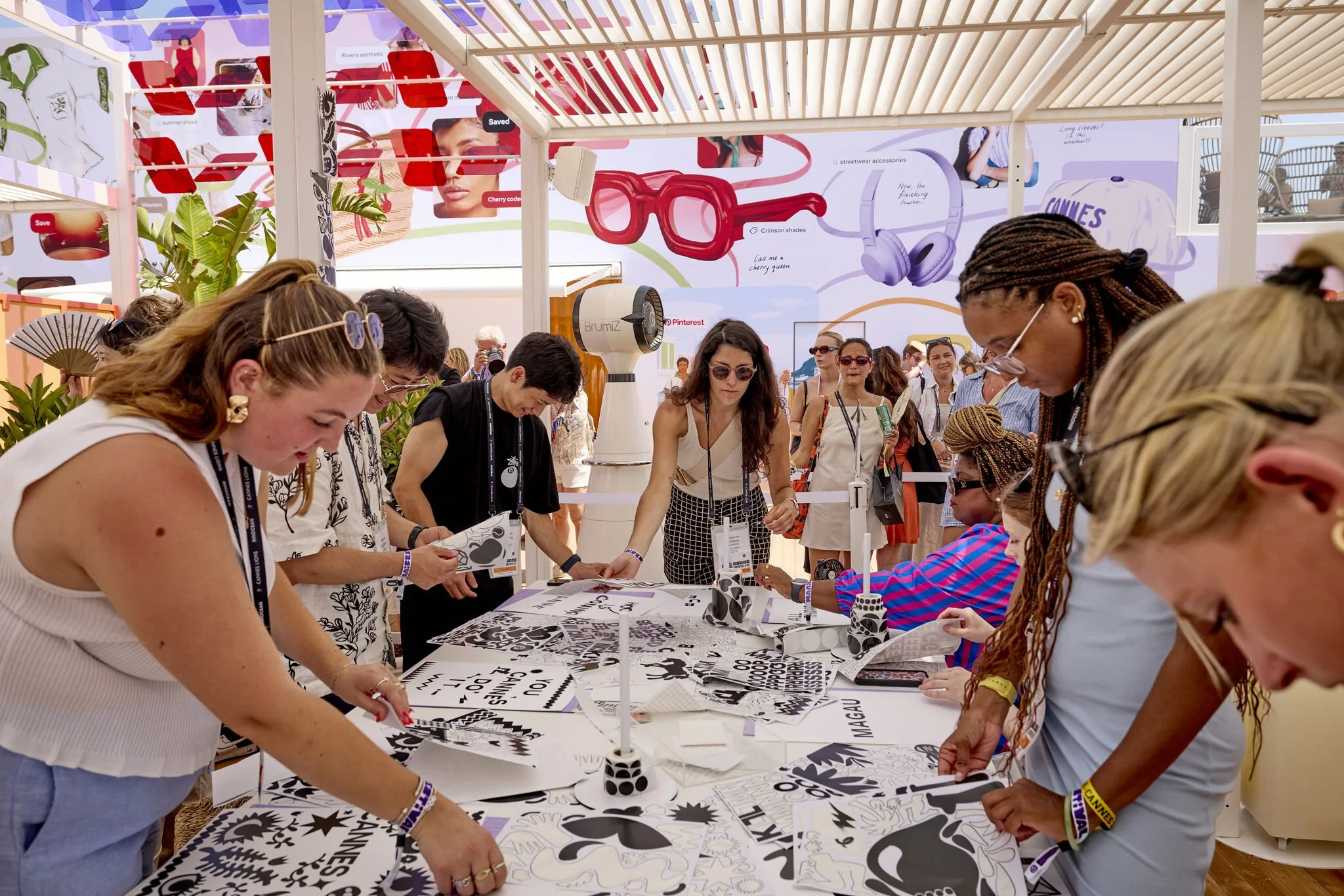
  • Pinterest - Manifestival
    A bold, immersive experience that turned mood boards into real-world moments, bridging aspiration and action through creativity and curation.

  • Hyundai -  Night Fishing
    A 13-minute sci-fi film shot using in-car cameras that blurred the line between product and prestige cinema.

  • Clash of Clans - Haaland: Payback Time
    A blockbuster-style brand film starring Erling Haaland that brought gaming to life through live-action film.

  • Bad Bunny x Rimas - Interactive Album Drop
    A genre-blending music release where fans shaped the experience, merging commerce, fandom and tech.

  • Duolingo - The Rise of the Owl
    A case study in meme marketing and fandom-building, with zero media spend and major cultural footprint.

  • Savage X Fenty - No Edits. No Excuses.
    A fashion campaign that championed real people, unfiltered bodies and raw narratives.

  • Barbie x Xbox - Crossover Activation
    A playful tech-meets-nostalgia partnership that reimagined Barbie in the world of gaming.

Thursday 06.19.25
Posted by Vicky Beercock
 

🤖 Cannes Lions 2025: Media Convergence and AI Are Reshaping Brand Strategy

At this year’s Cannes Lions, one panel in particular cut through the noise: The Female Quotient’s FQ Lounge session on media convergence and the future of brand engagement. Leaders from Procter & Gamble, dentsu, LiveRamp, Hilton, Strava and more tackled one of the most urgent shifts in our industry: the collapse of traditional media boundaries and the rise of an AI-powered, data-driven, culturally fluid ecosystem.

The panel didn’t just talk about trends. It addressed a deeper truth: that the way we define media, engage audiences, and measure success has fundamentally changed - and our strategies need to catch up.

Here’s why AI now sits at the heart of this transformation, and what it means for marketers ready to lead, not just follow.

1. Media Has Converged. Now Strategy Must Too.

We’ve moved beyond the era of “channel planning.” Consumers no longer experience media in silos - neither should our strategies. What we’re seeing is a true convergence of traditional, digital, and social touchpoints, with blurred lines between paid, owned, earned, and organic content.

The challenge? While audiences are flowing seamlessly, most brand structures, teams, and data systems aren’t. AI enables us to unify fragmented signals into a coherent view of how people engage. But we must design for convergence—not just tactically, but organisationally and culturally.

2. Master Dashboards Are Only as Good as the Questions We Ask

The panel rightly spotlighted the industry's obsession with the “master dashboard.” But the real power lies not in centralisation - it lies in clarity. In a converged landscape, it’s no longer just about reach or frequency. It’s about understanding interplay: between paid and organic, performance and brand, short-term impact and long-term resonance.

AI allows us to move from passive reporting to active decision-making - surfacing real-time insights that enable marketers to test, iterate and scale quickly with far less wastage. But only if we’re asking the right questions.

3. From Keywords to Conversations: AI and Cultural Relevance

AI is fundamentally changing the creative brief. We’re moving from targeting based on static demographics or keyword-driven intent to dynamic, cultural understanding. Large language models and generative AI allow us to analyse live conversations at scale, anticipate emerging narratives, and craft messaging that resonates before trends go mainstream.

It’s no longer about jumping on the latest meme or hashtag - it’s about understanding the cultural pulse in real time. With AI, brands can stop reacting and start participating meaningfully.

4. Empower People. Don’t Replace Them.

A powerful moment from the panel: the call to bring people with us on the AI journey. There’s still fear - of irrelevance, of replacement, of not keeping up. But the real opportunity lies in using AI to enhance human creativity, not sideline it.

This requires a cultural shift. Teams must be encouraged to experiment, unlearn legacy thinking, and not be afraid to step away from what we’ve always done. AI is a partner in innovation, not a shortcut - and certainly not something to be ashamed of using.

5. Innovation Without Integrity Is a Dead End

As we scale our use of AI and data, we must lead with responsibility. Privacy, transparency and data ethics are not separate from creativity - they are essential to it. The trust we build with our audiences is our greatest asset, and the brands that balance innovation with integrity will be the ones that thrive in the long run.

Yes, we can move fast. But we must also move responsibly.

The Marketer’s New Mandate

The message from Cannes was clear: We’re not just building media plans anymore - we’re shaping ecosystems.

To lead in this converged, AI-accelerated environment, marketers must:

  • Design for convergence, not just coordination

  • Build agile, data-smart systems that empower decision-making

  • Move from keyword targeting to cultural fluency

  • Equip teams to see AI as a creative and strategic amplifier

  • Lead with data integrity, not just efficiency

The future of brand engagement isn’t defined by platform or placement - it’s defined by our ability to listen deeply, respond intelligently, and engage meaningfully in the moments that matter.

And that future is already here.

Watch the full Female Quotient panel here:

categories: Impact, Tech
Thursday 06.19.25
Posted by Vicky Beercock
 

🏖️ Cannes Lions Signals a New Era in Streaming Advertising: Amazon, Disney, and Roku Lead the Charge

This week at Cannes Lions, where the media elite gather to shape the future of advertising, two groundbreaking partnerships were announced that could redefine how brands engage with audiences across connected TV (CTV), streaming, and retail media.

🔥 The Headline Moves

  1. Disney Advertising x Amazon Ads: This expanded partnership fuses first-party insights from Disney's streaming platforms - Disney+, Hulu, and ESPN - with Amazon’s powerful browsing and purchase data. In essence, it creates a closed-loop marketing ecosystem that ties media exposure directly to purchase behavior.

  2. Amazon Ads x Roku: In a separate but equally bold move, Amazon’s ad-buying platform can now place ads across both Prime Video and Roku’s ecosystem - reaching up to 80 million U.S. households. This convergence amplifies the reach and control Amazon has in the CTV space.

🎯 Why This Is Culturally Relevant

We’re living in a time when media consumption is deeply personal and fragmented. Viewers aren’t watching traditional linear TV - they’re binging shows across multiple platforms while shopping on their phones. These partnerships reflect how cultural behavior and commerce are now intertwined.

For brand marketers, the convergence of content, commerce, and data represents both a massive opportunity and a strategic challenge.

💡 A Brand Marketer’s Perspective: Opportunities & Pitfalls

✅ Opportunities

  • Smarter Targeting, Better Attribution: With Disney's content signals merged with Amazon's retail data, marketers can finally get a clearer picture of what content leads to actual conversion. We’re entering a new era of "shoppable storytelling."

  • Unified Customer Journeys: These deals move us closer to a world where a brand can seamlessly follow a user from a Hulu binge session to a product page on Amazon- creating a narrative arc that spans both entertainment and ecommerce.

  • CTV Scale with Retail Muscle: Roku's inclusion gives Amazon Ads reach into even more living rooms. It’s a clear sign that CTV is no longer just a brand awareness tool- it’s a performance engine.

⚠️ Challenges

  • Data Silos & Walled Gardens: These partnerships strengthen closed ecosystems. While they offer precision, they limit cross-platform measurement. Marketers will struggle to compare ROI across different ad tech stacks.

  • Creative Consistency vs. Platform Fragmentation: Tailoring messages across Roku, Prime, Hulu, and ESPN may strain creative budgets and dilute brand coherence. More reach means more complexity.

  • Retail Media Overload: As retail media networks multiply, marketers may face decision fatigue and bidding wars that undercut ROI unless they’re clear on audience value.

🧠 Final Thought

This Cannes moment is a clear sign: the future of advertising lies in converged ecosystems where content, commerce, and consumer data flow together. For marketers willing to lean into complexity, there’s a chance to create more culturally resonant, high-performing campaigns than ever before.

But to win? You’ll need sharp data fluency, nimble creative, and a crystal-clear measurement strategy.

Because as the lines blur between what we watch and what we buy, the brands that thrive will be the ones that respect the viewer, understand the shopper, and speak in culture.

Wednesday 06.18.25
Posted by Vicky Beercock
 

🎤 Fyre Festival: Billy McFarland’s Greatest Hits (and Misses, and Crimes)

A Survival Guide for Event Organisers Who’d Prefer Not to Be Indicted

I’ve just watched the Fyre Festival Netflix documentary for the fifth time. Yes, fifth. It’s become my comfort viewing, like Bake Off, if Paul Hollywood was replaced by a sociopath in a turtleneck and the cakes were made of FEMA tents and broken dreams. It cheers me up. Because no matter how stressful a site visit is, no matter how late the wristbands are, I can always look at Billy McFarland’s flaming symphony of poor decisions and say,
“At least I didn’t promise Pablo Escobar’s island and deliver a gravel pit.”

Before we get into practical takeaways, let’s take a moment to appreciate the stunning body of work produced by Billy, entrepreneur, visionary, and human caution tape.

Here’s a sampler from his career-spanning album:

🎶 Side A - The Build-Up

  • “Trust Me, It’s On Pablo Escobar’s Island”
    A smooth lie backed by beach drone footage and zero permits. Spoiler: they were kicked off the island for using Pablo’s name… after one (1) tweet.

  • “Private Jets for Everyone, Except You”
    Billy offered VIP charter flights. What he delivered was a low-budget shuttle with the soul of a Ryanair middle seat.

  • “Luxury Villas (By FEMA)”
    Marketed as “opulent beachfront lodges.” Reality? Rain-soaked disaster relief tents filled with soggy mattresses and existential dread.

  • “Gourmet Dining Experience ft. Cheese Slice”
    Billed as Michelin-tier catering. Delivered: a polystyrene box containing cheese on bread so uninspired it made EasyJet snacks look artisanal.

🎶 Side B - The Collapse

  • “Headliners? We Blinked.”
    Blink-182 pulled out the day before. Their official statement might as well have said, “We value our lives.”

  • “Influencers in the Wild (Bahamas Remix)”
    Models and trust-fund kids stranded with no info, no Wi-Fi, and no idea what the hell they signed up for. It’s like Lost, but everyone’s wearing Yeezys.

  • “We Can’t Refund You, But We’ll Pray”
    Billy reassured guests that everything was fine while actively Googling "how to leave a country without extradition."

  • “Now That’s What I Call Fraud: Vol. 6 (Federal Edition)”
    Bonus track: Billy launched another scam from prison. That’s dedication to the hustle.


🎪 Welcome to the Fyre Circus

Fyre Festival wasn’t just a failed music festival. It was the Glastonbury of incompetence, the Burning Man of delusion, the Coachella of “Mate, trust me.”

Billed as an ultra-luxury experience on a private island in the Bahamas (again, not Pablo’s island, stop saying that), it devolved into something between a hostage situation and a particularly low-budget reality show where no one wins and everyone cries.

As an experienced event organiser, I watched this mess unfold like it was a live masterclass in how to absolutely torch your career, your reputation, and several million dollars, all in under two weekends.

Let’s break it down.

🔥 Lesson 1: Influencers ≠ Infrastructure

Fyre’s marketing plan?
Step 1: Pay Kendall Jenner $250K to post an orange square.
Step 2: Let Instagram do the rest.
Step 3: Don’t build anything.

And for a while, it worked. The hype was so strong, people shelled out £10,000 for a mystery box of lies. But here’s the rub. You can’t manifest plumbing with hashtags.

Influencers can sell the dream, but someone still has to build the actual toilet.

🔥 Lesson 2: Don’t Lie About the Island. Especially If It's Connected to a Drug Cartel.

Billy secured an island with one rule. “Do not mention Pablo Escobar.” Naturally, the first promo video screamed “ONCE OWNED BY PABLO ESCOBAR” in bold font. That went over about as well as shouting “bomb” on a plane. He was booted off the island faster than you can say “DEA.”

Plan B was a gravel pit behind a Sandals resort.

Moral of the story. If you must host your luxury event in a morally ambiguous location, maybe don’t tie it to an international drug lord.

🔥 Lesson 3: Budgeting Is Not Optional

Fyre’s financial strategy was essentially:

“Sell a dream. Use money from new ticket sales to cover old ones. Lie to investors. Pray no one notices the part where the artist budget is £0 and the sewage plan is a shrug.”

Billy raised millions, then misallocated it with the precision of a raccoon on Red Bull. At one point, he was selling exclusive event tickets to events that didn’t exist, from prison.

That’s not budgeting. That’s Ponzi Cirque du Soleil.

🔥 Lesson 4: Communication is More Than a Drone Shot

When guests arrived, no one knew what was happening. There were no signs, no staff, no schedules - just dazed festivalgoers, soggy tents, and the haunting knowledge that Blink-182 had already escaped.

Fyre’s idea of communication? An FAQ page with advice like “bring a swimsuit” and “have an open mind.”

During the collapse, Billy went silent. No updates. No alerts. Just an Instagram still trying to vibe while the festival burned in real time.

Pro tip. If your event is going full Lord of the Flies, maybe email someone.

🔥 Lesson 5: Experience Matters (And Billy Had None)

Billy McFarland had never thrown a festival. Or a concert. Or a birthday party that didn’t end in civil litigation.

His experience?

  • Running a shady “luxury credit card” company,

  • Pretending to be rich,

  • And using Microsoft Excel to commit financial crimes.

He treated a multi-million-pound production like a sixth form group project. No plan, no budget, but plenty of blind enthusiasm and unchecked narcissism.

Final Thoughts: Don’t Be Billy

Unless your goal is to star in two documentaries and several class action lawsuits, don’t emulate Billy McFarland. Event planning is about boring stuff. Logistics, insurance, permits, sewage. If you get those right, you might have time left for cheese sandwiches.

So please, next time you plan a festival:

  • Tell the truth.

  • Build bathrooms.

  • Don’t name-drop narcos.

  • And maybe run your budget past someone who owns a calculator.

Because in the end, Fyre Festival wasn’t just a disaster. It was a masterclass in how not to organise anything, ever.

Coming soon:
🟠 “Escape from Tent City: The Untold Fyre Memoirs”
🟠 “Billy's 10-Step Plan to Ruin Literally Everything”
🟠 “How to Throw a Festival Without Getting Sued: A Real Guide (No Cheese Sandwiches Included)”

Tuesday 06.17.25
Posted by Vicky Beercock
 

🎬 Netflix House and the Rise of Main Character Culture

In the era of selfies, story mode and self-expression, there's a growing cultural obsession with stepping into the spotlight - living not just in the story, but as the story. That’s why Netflix House’s invitation to “unleash your main character energy” couldn’t be more timely or culturally relevant.

Netflix is no stranger to redefining how we engage with content. But this year, with the announcement of Netflix House - an immersive fan destination launching in King of Prussia, Pennsylvania and Dallas, Texas - the company is offering more than just binge-worthy viewing. It is handing fans the script.

🎬 From Screen Time to Stage Time

Netflix House marks a significant cultural moment in experiential entertainment. It is not merely a theme park. It is a multidimensional playground where fandom meets fantasy, and spectators become protagonists. Whether you're solving mysteries in Hawkins or doing your best not to get eliminated in a Squid Game arena, Netflix House invites you to step out of passivity and into the narrative.

This mirrors a wider cultural shift: audiences are no longer content to watch. They want to play, participate and personalise. And in the age of TikTok POVs and live-streamed roleplay, we have all been preparing for this.

🌍 Immersive Worlds, Real Impact

The cultural relevance of Netflix House goes well beyond entertainment. It reflects the spirit of a generation longing for agency, escapism and connection in a world that can often feel fragmented or digitalised. Whether it’s the eerie elegance of Wednesday: Eve of Outcasts or the suspense of Stranger Things: Escape the Dark, the experience is more than a photo opportunity. It is a chance to explore identity, courage and creativity within safe, stylised settings.

Even the food and merchandise – Netflix Bites and the curated Shop – form part of the immersion. It is a fully rounded ecosystem designed for fan passion, nostalgia and genuine main character energy.

💫 A Mirror for Modern Identity

In today’s digital culture, being the “main character” is more than a trend. It has become a way to understand oneself. We speak about “main character energy” much like we once discussed confidence, self-esteem or ambition. It is about viewing your life as art, your choices as plot points and your clothing as part of your narrative.

Netflix House taps directly into this sentiment, offering fans the chance to physically inhabit beloved character journeys. This is not just cosplay. It is character exploration, creative expression and personal transformation disguised as entertainment.

🌟 The Fandom Economy is Thriving

From Comic-Con to studio tours, fandom has long been a cultural force. Netflix House builds on this tradition, transforming iconic series into interactive, tangible experiences. With plans to expand to Las Vegas in 2027, Netflix is clearly invested in what might be called the fandom economy – one powered by emotion, storytelling and community.

The cleverest part? Every visit becomes content. Guests won’t just live their own Netflix episodes. They will document them, share them and remix them. In a digital landscape where storytelling equates to identity, Netflix House gives fans the tools to become creators in their own right.

🎭 Everyone is Welcome in the Cast

Inclusivity is at the heart of Netflix House. “Be you,” the project urges. Whether you're an introvert, a cosplay veteran or a group of mates looking to battle the Upside Down, there's a role for you to play. The emphasis on ensemble storytelling - on switching roles, exploring viewpoints and blurring the lines between hero and villain – feels both contemporary and meaningful.

In a world that too often places people in boxes, Netflix House encourages experimentation. Try a new role. Rewrite your story. Be the unexpected plot twist.

🚀 Final Scene: Culture is Evolving and So Are We

Netflix House is more than just a venue. It signals the future of culture itself. Immersive, interactive, identity-driven entertainment is the way forward. And whether you're in it for the nostalgia, the excitement or the introspection, there has never been a better time to embrace your main character moment.

Ready for your close-up?

To explore the experience or take on your next role, visit netflixhouse.com. Main character energy encouraged. Script included.

Tuesday 06.17.25
Posted by Vicky Beercock
 

🛍️ Selfridges Is Launching a Members Club - Here’s Why It’s a Cultural Power Move

In a time when retail is being redefined in real time, Selfridges' latest move - a private members club within its Oxford Street flagship - signals more than just an architectural shift. It’s a cultural flex. The transformation of 40 Duke Street from executive offices into an exclusive social hub is a bold statement: the future of retail isn’t just about commerce. It’s about community, culture, and curating meaningful moments.

Retail’s New Remix: From Transactional to Experiential

We’re watching a wholesale remix of what it means to be a department store. Once a monument to material aspiration, Selfridges is now positioning itself as a player in the luxury lifestyle space. This isn’t a pivot; it’s an elevation.

Imagine walking into Oxford Street not just to shop, but to be seen, to connect, to collaborate. The 80-cover internal bar and lounge, private dining room, and two terraces are more than hospitality amenities - they are stages for culture to play out. Whether it's a fashion capsule drop, an intimate listening session, a post-show dinner during Fashion Week, or a curated World Cup watch party - Selfridges is building the kind of space where those cultural intersections feel inevitable.

The New Membership Economy: Identity, Not Just Access

We’ve seen Soho House, Annabel’s, and newer entrants like TwentyTwo understand that modern luxury is identity-driven. Selfridges is now entering that arena - but with its own twist. Unlike traditional clubs that rely heavily on heritage and exclusivity, Selfridges’ edge lies in its hybrid DNA: equal parts retail temple, cultural magnet, and curator of global trends.

This members club won’t just be for the elite; it will be for the influential. The tastemakers. The culture drivers. The people who shape what’s next in music, fashion, sport, and beyond. It’s a new kind of VIP - less about wealth, more about weight in the culture.

Oxford Street Gets Its Cultural Mojo Back

It’s no secret Oxford Street has been struggling to redefine itself post-pandemic and post-high street crash. But this move is a vote of confidence in its future - not as a purely commercial corridor, but as a cultural capital. By activating this space well past retail hours (until 1:30am on weekends), Selfridges is helping turn London’s West End into a 24-hour cultural playground again.

It’s also a smart play for global positioning. For Selfridges, who already leads on sustainability and experiential retail (remember the skate bowl and cinema?), adding a private social layer makes them even more magnetic for international luxury travelers and creative communities alike.

Culture-Led Commerce Is the Future

What we’re seeing is the evolution of brand as ecosystem. Selfridges isn’t just selling fashion anymore; they’re hosting the conversations that define it. And that’s where real brand power lives - in creating spaces that don’t just reflect culture but shape it.

In a world where the lines between industries are blurring - where a fashion brand is also a media company, and a sports label is also a music platform - Selfridges is becoming more than a store. It’s becoming a scene.

And if you’re paying attention to where the culture is heading, you’ll want a seat at that bar.

Tuesday 06.17.25
Posted by Vicky Beercock
 

⚽👔 Louis Vuitton x Real Madrid: The New Pinnacle of Cultural Capital in Sports-Fashion Alignment

First off, credit where it’s due - massive shout out to Daniel-Yaw Miller and his consistently razor-sharp DYM for SportsVerse newsletter. His coverage of Louis Vuitton’s partnership with Real Madrid is a must-read for anyone operating at the intersection of global sport and cultural influence. If you’re not subscribed yet, fix that. Immediately.

3e0303a3-c19e-4492-b54f-352efb07af50_7014x4676.jpeg
7d810348-d45b-4bb9-8931-5c7d7726ccc0_4284x5712.jpeg
346d7fb4-0ba7-44a7-a184-f9bc78f0563e_1290x1605.jpeg
99c4a766-2f34-4aa1-b6bb-7a7f63e8c51f_2208x1412.png
c251963a-88b9-47a2-a7cf-10f2f117c8df_1086x1398.png

Now let’s get into it.

This Isn’t a Sponsorship. It’s a Cultural Power Move.

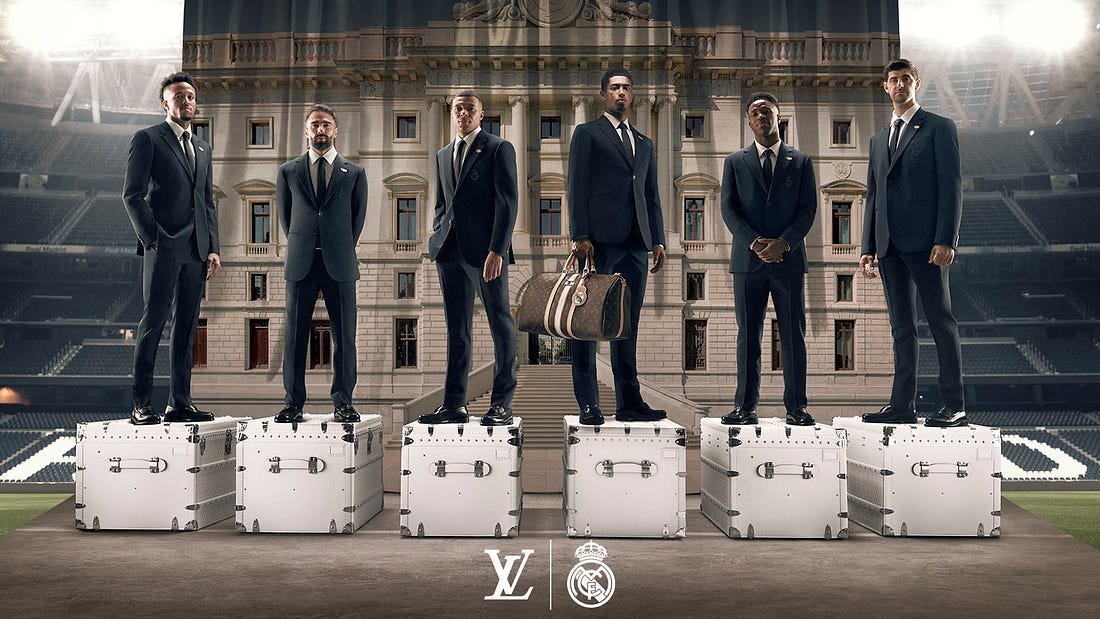
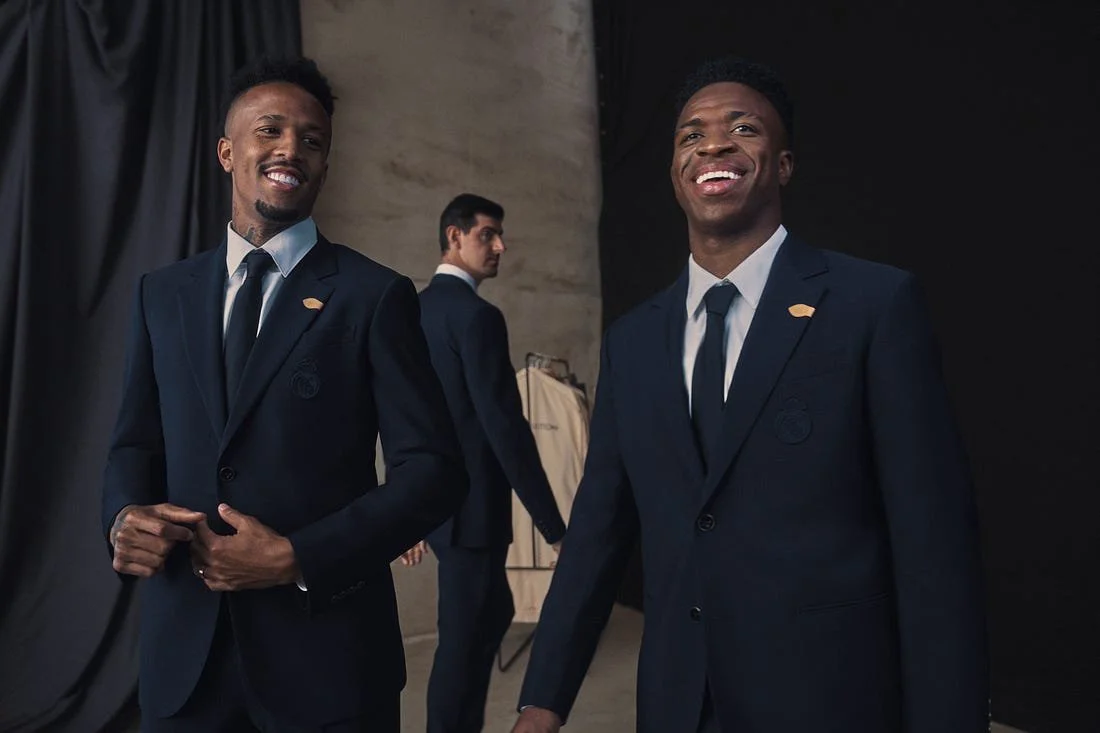
Louis Vuitton’s new alliance with Real Madrid isn’t just another luxury-meets-sport deal - it’s a seismic cultural recalibration. It signals a new era where fashion no longer rides shotgun to sport, but instead co-authors the script. This partnership isn’t about outfitting a team. It’s about owning the cultural moment - and the architecture of aspiration that defines it.

Let’s be crystal clear: Louis Vuitton didn’t need Real Madrid. And Real Madrid didn’t need Vuitton. That’s what makes this so potent. This isn’t a one-way brand equity transfer. It’s a cultural merger between two institutions that command respect and global reach - and who both understand that in the attention economy, aesthetic relevance is strategic currency.

Why It Matters: Fashion Is No Longer Optional in Sports

Ten years ago, this would’ve been unimaginable. Football clubs were obsessed with performance fabrics, not front-row cachet. Athletes were brand ambassadors at best, not fashion muses. But today? If your club doesn’t have a fashion POV, you’re not a cultural force. You’re just another sports team.

Luxury houses used to ignore sports because they didn’t see their customer in the athlete. That changed when they realized today’s athletes are the culture-drivers, tastemakers, and ultimate aspirational figures - especially for Gen Z and Gen Alpha.

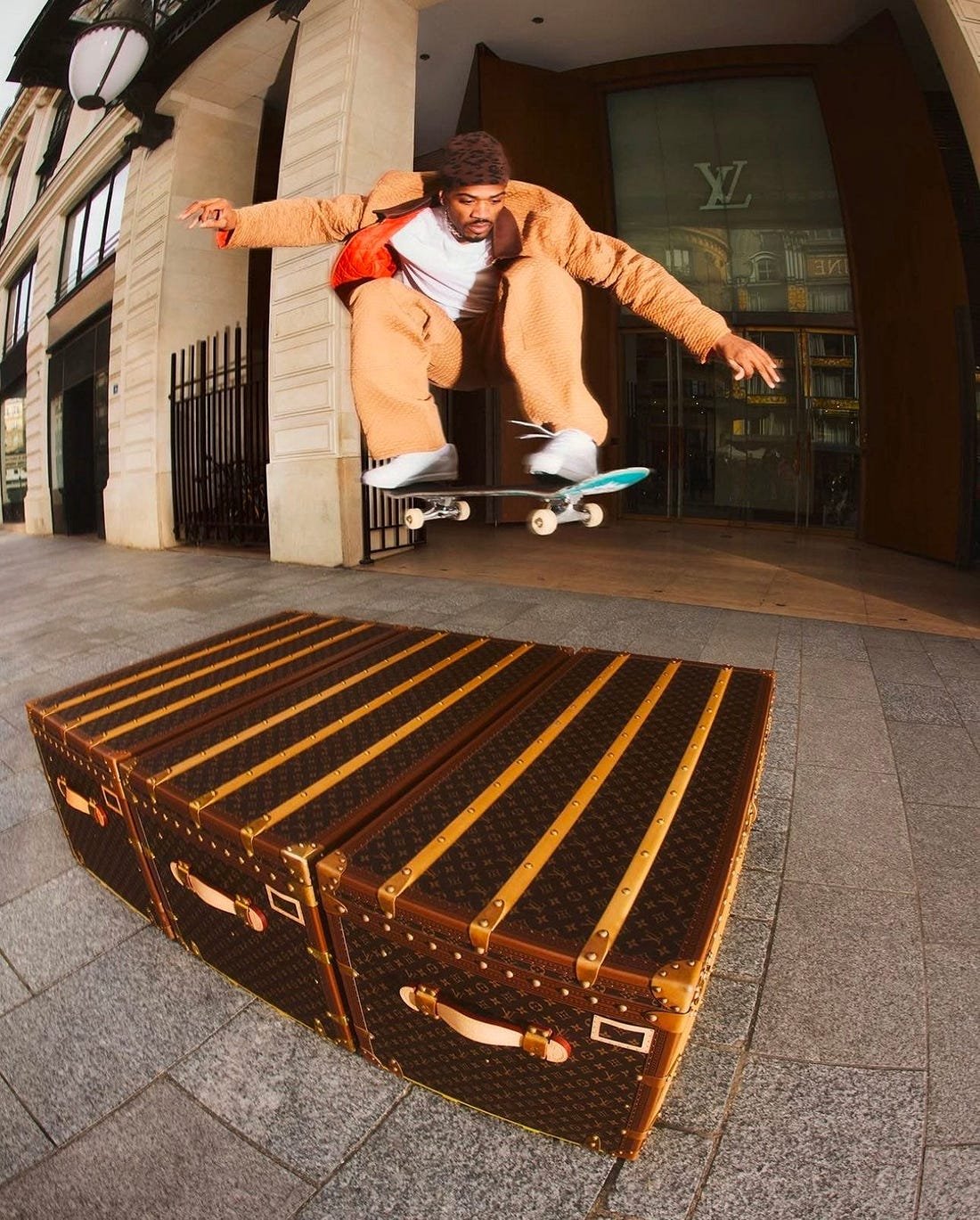
Athletes are shaping it. They’re sitting front row. They’re starring in campaigns. They’re walking the runways. And in some cases, they’re even designing the collections. Tyshawn. Bellingham. Alcaraz. These aren't just sponsored athletes - they're cultural co-creators.

The Pharrell Factor: Bridging Luxury and Locker Rooms

Pharrell Williams’ appointment at Louis Vuitton menswear wasn't just a headline play - it was a structural redefinition of who fashion is for. No one else could authentically link the tunnel to the catwalk like Pharrell. His gravitational pull spans hip hop, streetwear, art, and sport. He is the bridge between Vuitton’s heritage and its future. And athletes? They’re already across that bridge.

That’s what makes this Real Madrid partnership more than just tailoring and travel trunks. It’s an intentional alignment between luxury, legitimacy, and lifestyle - one that stretches across continents, languages, and subcultures.

Real Madrid: The Fashion-Forward Club That Makes Sense

From a brand strategy POV, Madrid isn’t just a winning team - it’s the winning team. Legacy meets Gen Z relevance. Their current roster is dripping in style and social power: Jude Bellingham (already on Team Vuitton), Eduardo Camavinga (runway veteran), Trent Alexander-Arnold (regular front-row presence), and Kylian Mbappé (even if he's technically Team Dior). The locker room is already a luxury lookbook.

This is no longer just about who plays well on the pitch. It’s about who captures attention off it. That’s the game Louis Vuitton is playing. And with Real Madrid, they’ve just bought front-row seats to football’s most glamorous evolution.

Sport Is the New Runway - and Vuitton Owns It

Let’s not overlook the macroeconomic context here: the luxury sector is feeling the squeeze. Post-pandemic growth is flattening. Consumers are more critical, more cost-conscious, and more culture-savvy than ever. So what does a mega-brand like Louis Vuitton do? It doubles down on the deepest well of emotion and loyalty available today: sport.

Sport is one of the few arenas left where everyone is watching. It’s unfiltered, unpredictable, and globally unifying. And unlike traditional fashion campaigns, sports moments aren’t staged - they’re felt. That makes them priceless storytelling platforms. Vuitton understands that. And by securing its place at the heart of elite sport - from Formula 1 to the Olympics to Real Madrid - it’s not just selling luxury. It’s selling legacy, aspiration, and victory itself.

What's Next? The Future Is Ownership

Daniel-Yaw’s closing thoughts on Paris FC are a teaser for what might be the most ambitious next phase of this play: brand ownership of sport. Not sponsorship. Not licensing. Full-blown integration. If LVMH decides to turn Paris FC into the on-field embodiment of French fashion and cultural luxury, we are talking about an unprecedented evolution in how sport is branded, packaged, and experienced.

TL;DR: This Is Not a Trend. This Is the Future.

Louis Vuitton’s partnership with Real Madrid isn’t just a smart deal. It’s a declaration of dominance in a new cultural order - one where sport, fashion, music, and identity converge. If you’re a brand that still thinks of sports as a “collab opportunity” instead of a foundational storytelling pillar, you’re not just behind - you’re irrelevant.

Welcome to the new game. Louis Vuitton didn’t just dress the winners. Now, they are the winners.

📝 Again - big love to Daniel-Yaw Miller for lighting the path on this story via SportsVerse. If you care about this space, subscribe. You’ll thank yourself later.

categories: Fashion, Sport
Tuesday 06.17.25
Posted by Vicky Beercock
 

On The Record Linkedin Newsletter 17th June

categories: Linkedin Newsletter
Tuesday 06.17.25
Posted by Vicky Beercock
 
Newer / Older