• Work Overview
  • About
  • Partnerships
  • Testimonials
  • On The Record
  • Linkedin

Vicky Elmer

(née Beercock) | VP of Global Communications & Marketing | Brand, Culture, Reputation

  • Work Overview
  • About
  • Partnerships
  • Testimonials
  • On The Record
  • Linkedin

You Don’t “Have” Fans. You Earn the Relationship.

Fandom is having a moment. Again.

There are endless headlines about the rise of the “new” fan - hyper-engaged, platform-native, born into meme culture and fluent in niche. Reports churn out taxonomies and traits: the Gen Z sports obsessive, the K-pop stan, the streaming superfan. The message is clear: fans are a powerful cohort, and brands need to figure them out.

But here's the problem: most of the conversation still treats fandom like a fixed attribute - a type of person to be targeted, instead of a context-dependent behaviour to be earned.

Let’s be clear: fandom is not a personality type. It’s a response.
It emerges when the right conditions exist - when people find cultural meaning, community, emotional return or creative agency in the worlds they connect with.

Some of those conditions are designed. Others are accidental. But none of them are guaranteed.

Fandom is a system, not a segment

Brands love segmentation: who are these fans, where do they live, what’s their disposable income? Useful in some ways. But it misses the deeper point.

Two people with the same music taste or media habits might engage in wildly different ways depending on what the cultural system around them offers:

  • One fan watches passively. Another edits tour footage into narrative arcs with fan theories, inside jokes and timeline canon.

  • One buys a jersey. Another crowdfunds a documentary to preserve the club’s grassroots story.

  • One streams the album. Another builds a Discord server that outlives the release cycle.

Same interest. Different conditions. Different behaviour.

Fandom is shaped by access, expectation, community design, and the level of creative or emotional input the world around it allows. It’s not a thing people bring. It’s a thing they build - often in response to how a brand, artist or platform sets the tone.

Behaviour > Belonging

Want to understand the future of fandom? Don’t ask “Who are these people?” Ask “What are they able (or invited) to do?”

  • Are they given tools to remix and reframe stories?

  • Is there frictionless access to the source or mystique to unravel?

  • Is it reciprocal, performative, devotional, communal?

  • Does the platform enable connection or gatekeep it?

Some of the most successful fandoms didn’t scale because of who the fans were, but because of what the ecosystem allowed:

  • The NBA’s growth among Gen Z isn’t about youth appeal alone. It’s about its embrace of player-as-creator culture - from TikTok to League Fits to podcasting.

  • Coachella’s branded relevance isn’t rooted in legacy. It’s powered by the annual ritual of fashion, identity play, livestream hype, and digital presence far beyond the desert.

  • Dungeons & Dragons’ renaissance didn’t come from rebranding the game. It came from opening the gates, letting players become performers, creators and communities.

Numbers to know

  • 63% of Gen Z say they connect more deeply with brands that help them express or create, not just consume (GWI, 2024).

  • The top 10% of artist superfans drive over 40% of digital music revenue - not just through streaming, but through ticketing, merch, and premium content (MIDiA Research).

  • Fandom-first platforms like Discord, AO3 and Letterboxd are growing faster than social platforms in active engagement metrics year-on-year (WARC, 2024).

So what does this mean for brands?

If you want to build real fandom, stop treating it like a demographic to court.

Instead:

  • Design for behaviour. Enable rituals, remixing, self-expression. Create the tools and signals that allow fans to act.

  • Respect the tempo. Not all engagement is always-on. Some fandoms thrive on drops, delays, suspense.

  • Map the inputs. Fandom isn’t output. It’s what happens when the cultural inputs - intimacy, relevance, recognition - align.

Because you don’t own fandom. You don’t get to define it.
You only get to design the conditions where it can emerge - or not.

Sources:

  • GWI “Future of the Creator Economy” Report, 2024

  • MIDiA Research: “Superfans & Monetisation” 2023

  • WARC: “Fandom Platforms 2024 Benchmark”

categories: Impact
Monday 06.30.25
Posted by Vicky Beercock
 

On The Record Linkedin Newsletter 1st July

categories: Linkedin Newsletter
Monday 06.30.25
Posted by Vicky Beercock
 

Doechii’s Glastonbury Looks Prove Fashion References Still Matter

In an era where cultural capital is currency, Doechii’s Glastonbury debut proved she’s already fluent. When the rising star stormed the West Holts stage in not one but three Vivienne Westwood looks – including a faithful nod to that Kate Moss micro mini - she wasn’t just performing. She was rewriting the brand x talent playbook through the lens of cultural fluency.

The move was more than stylistic synergy: it was a deliberate, layered message about legacy, rebellion, and creative alignment. Styled by Sam Woolf, Doechii’s “School of Hip-Hop” concept merged seamlessly with Westwood’s anarchic British heritage - think punk prep meets fashion archives, decoded for Gen Z.

What made it click? Timing and relevance. Glastonbury is synonymous with Moss, mud, and moment-making. Doechii channelled all three, referencing Westwood’s SS94 Café Society collection and paying homage to fashion’s rebellious godmothers - Kate and Naomi. But this was no nostalgia trip. The execution was sharp, contemporary, and thoroughly Doechii. Each look balanced homage with innovation, a skill that separates aesthetic mimicry from true cultural authorship.

This wasn’t about wearing vintage for the sake of retro cool. It was about placing Doechii in a lineage of powerful, genre-defining women - and staking a claim in British fashion history while doing it. The fact that Gen Z fans clocked the references and reposted them across TikTok? That’s cultural relevance in action.

Brand marketers take note: this is how you turn a headline performance into a long-tail cultural play. Through shared storytelling, stylistic credibility, and a sharp understanding of context, Doechii and Westwood reminded us that great collaborations aren’t about borrowing clout - they’re about amplifying narrative.

Because in 2025, it’s not just about showing up. It’s about showing up with intention.

categories: Fashion, Music
Monday 06.30.25
Posted by Vicky Beercock
 

AI Hitmakers and Algorithmic Hype: How Tech Took the Wheel in Culture

Meet The Velvet Sundown - a psychedelic rock “band” with over 400,000 monthly listeners on Spotify, two albums released in June, and zero confirmed human members. Their Spotify profile is verified, their bios are gibberish, and their band photos look like they were dreamt up by a machine. That’s because they probably were.

No one asked for an AI psych-rock band. But platforms made space for one. That’s the story.

Streaming services like Deezer report that nearly 20 percent of daily uploads are now fully AI-generated. No disclosure required. Spotify’s algorithms surface tracks based on predictive engagement patterns, not provenance or intent. For most users, that’s invisible. For brands, artists and culture strategists - it’s existential.

What we’re witnessing isn’t just the rise of AI in music. It’s the wider transformation of cultural influence from a human-led ecosystem to a machine-optimised economy. Tech isn’t just the stage anymore. It’s the writer, the producer and - most powerfully - the recommender.

This shift matters. Because for decades, cultural influence came from the margins. It started with subcultures, underground movements, niche tastemakers. But today, cultural moments increasingly start with algorithmic visibility: TikTok virality, FYP formatting, playlist placement.

Generative tools like AI image-makers or text-to-music models might still feel novel - but they’re scaling fast, and so are the incentives to use them. For platforms, synthetic content is cheap, controllable, and doesn’t argue about royalties. For brands chasing ‘always-on’ presence, it's tempting too.

But there’s a cost. When cultural relevance is reduced to performance metrics and recommendation logic, we risk losing the depth, risk-taking and community-first thinking that actually makes culture stick.

For brands and creators that care about legacy, not just visibility, this is the moment to double down on intent. The best strategy now isn’t to ignore tech - it’s to use it critically. To understand how it’s shaping taste and attention, yes - but to invest even harder in human insight, creative bravery and cultural point of view.

Because in this new era, the question isn’t can you scale content with AI. It’s: should you?

And if your brand wants to lead culture - not just fill the feed - you’ll need more than tools. You’ll need taste.


categories: Impact, Tech, Music
Sunday 06.29.25
Posted by Vicky Beercock
 

More Than a Game: How Football Foundations Are Rebuilding Community Bonds

Football is often described as a religion, a theatre, a war without weapons. But perhaps most powerfully, it's also a mirror to community. From their inception in shipyards and churches to the sprawling foundations of today, football clubs have always reflected the needs, values, and spirit of the people around them.

Across the UK, every professional club now runs a dedicated foundation - an often-overlooked extension of the club that operates not on matchdays, but every other day that matters. These organisations are not PR vehicles. They’re purpose-built, professional outfits delivering long-term, local impact: from health programmes for over-60s to pathways into employment for young people.

And while the foundations may be relatively new (most were established in the last 30 years), the ethos they embody is anything but. Many of the earliest clubs, including Manchester United and West Ham, were founded as workplace teams promoting physical and mental wellbeing. Others, such as Everton and Southampton, were formed by churches as moral and social outlets, guided by the values of muscular Christianity - a Victorian movement that saw sport as a tool for discipline, inclusion, and upliftment.

That lineage lives on. Celtic and Hibernian were established to serve the Irish working-class diaspora in Glasgow and Edinburgh, respectively. Today, their foundations still carry the baton - funding educational initiatives, delivering anti-racism workshops, and providing free meals in low-income neighbourhoods.

What does this look like in practice?

  • Aston Villa Foundation’s ‘Villa Vision’: In partnership with Specsavers, they deliver free eye tests and prescription glasses to pupils in areas with high deprivation, improving classroom confidence and academic performance through better vision.

  • Brentford FC Community Sports Trust’s refugee programme: Through football sessions and English classes, the club has created a powerful inclusion initiative for newly arrived refugees, helping them integrate through both play and language.

  • Everton in the Community’s ‘Blue Family’: Originally launched during COVID-19, this initiative delivers food parcels, mental health support, and welfare checks to vulnerable fans and families. It's evolved into a permanent community safety net.

  • Leeds United Foundation’s ‘Youth Hub’: Working with the Department for Work and Pensions, this hub supports 16 to 24-year-olds on Universal Credit with employability training, CV workshops, and direct access to jobs and apprenticeships.

  • Liverpool FC Foundation’s ‘Open Goals’: Free outdoor physical activity sessions across Merseyside parks, aimed at getting families and young people moving, while also subtly embedding mental health check-ins and nutritional advice.

At their best, football foundations are not just reactive, but proactive. They take a holistic approach to wellbeing, recognising that physical health, mental resilience, economic opportunity and social inclusion are all interconnected. And while they may operate independently of club ownership, their success proves that the strength of a football brand is still measured by its social footprint.

Of course, this sits in stark contrast to the realities of modern football economics. Rising ticket prices, billionaire owners, and commercialisation have increasingly alienated local fans. But foundations offer a way back - a reconnection to the game’s roots. They’re a reminder that football is not just a business asset or broadcast product. It’s a civic institution. A shared identity. A cultural glue.

So when we talk about the power of football, it’s not just about what happens in the 90 minutes. It’s about everything that happens beyond them - in classrooms, job centres, food banks and five-a-side pitches. The foundations are proof that while the business of football may have changed, its beating heart remains exactly where it started: with the people.

categories: Impact, Sport
Sunday 06.29.25
Posted by Vicky Beercock
 

Protest, Platforms and the Politics of Performance: Who Decides What Belongs on Stage?

This year’s Glastonbury sparked a national conversation far beyond music, with performances by Bob Vylan and Kneecap now under police review and political scrutiny. Their sets included explicit political commentary, chants around the Israel-Palestine conflict, and criticism of political leaders - prompting questions about the role of artists, the responsibilities of broadcasters and festivals, and the place of government in shaping cultural spaces.

🔍 The Case for Responsibility and Oversight

Some argue that with freedom of expression comes responsibility - particularly when messages may be interpreted as inciting violence. When phrases like “Death to the IDF” or “start a riot” are broadcast to thousands, organisers and broadcasters face legitimate questions about where to draw the line. For critics, this isn't about silencing dissent, but about upholding public safety and ensuring platforms aren't used - intentionally or otherwise - to legitimise hate.

With events like Glastonbury carrying global reach, there’s pressure on institutions like the BBC to apply due diligence. Publicly funded organisations have accountability to a diverse audience, and it's argued that they must weigh the potential harm of broadcasting extreme or emotionally charged content without sufficient context.

🎙 The Case for Artistic Freedom and Cultural Space

On the other hand, protest has always had a place in art. Many see performances like these as part of a long tradition of artists using the stage to confront uncomfortable truths, provoke thought, and speak to lived experiences. To investigate or suppress those performances risks criminalising artistic expression and setting dangerous precedents for creative freedom.

Supporters of the artists argue that context matters: punk, satire, character performance and cultural commentary are often provocative by nature. Calls for censorship can flatten the complexity of these performances and disproportionately target marginalised or politically critical voices.

There is also concern around selective outrage - why are some forms of political speech tolerated while others face backlash? And at what point does state involvement in curating cultural content become interference?

🤝 A Shared Challenge

Ultimately, this is a complex issue with no easy answers. Festivals and broadcasters have a responsibility to ensure safe, inclusive spaces, but also to protect artistic expression. Governments, too, must tread carefully - upholding law and public order without encroaching on the creative freedoms that are vital to a healthy, democratic society.

These questions aren’t new, but they are urgent. As the lines between art, protest, and politics become increasingly blurred, institutions, audiences, and artists will need to navigate these tensions with nuance, empathy, and accountability.

🎗️ Amid all of this, it’s important to remember that the conversations sparked on stage reflect a backdrop of real human suffering. Whatever your views, humanitarian aid remains critical in Gaza and across conflict zones. If you’re able, consider donating to relief organisations delivering medical and essential support on the ground.

This is about more than what happens on stage - it’s about how we hold space for culture, conflict, and compassion at the same time.

categories: Impact, Music
Sunday 06.29.25
Posted by Vicky Beercock
 

In a Sea of Silence, Willy Spoke Loud: Fashion as Protest, Not Performance

At a moment when fashion’s biggest stages are filled with fantasy and distraction, Willy Chavarria brought hard reality to the runway. His SS26 show at Paris Fashion Week didn’t entertain. It intervened.

View this post on Instagram

A post shared by Dazed (@dazed)

As the lights came up, models slowly took formation: kneeling, heads shaved, hands behind their backs. Dressed in plain white tees and loose shorts, the cast - some long-time collaborators, some discovered via open call - recreated the pose of those detained by ICE and incarcerated across Latin America. A confronting and deliberate gesture that turned the runway into a space of resistance.

While the fashion industry largely avoided political confrontation this season, Chavarria made the consequences of silence impossible to ignore.

In an era where brands chase “relevance” through aesthetics, virality, and surface-level collaboration, Chavarria reminds us that true relevance is rooted in risk, responsibility, and resonance. You don’t earn cultural capital by riding trends - you earn it by standing for something.

Fashion, at its core, is a language. What we wear can speak volumes. But the industry too often chooses neutrality to protect its bottom line. Chavarria’s show was a powerful counterpoint: a designer using fashion not to escape from the world, but to confront it head-on.

The collection that followed kept the energy tight: boxy tailoring in highlighter pinks and punchy reds, sharp womenswear silhouettes, and American sportswear distorted to exaggerated proportions. A wink to Chavarria’s Ralph Lauren past, but with the volume turned all the way up - and the messaging layered deep.

This was America reimagined. This was fashion politicised. This was a designer at the top of his game, refusing to look away.

In cultural marketing, we talk a lot about belonging, storytelling, and emotional connection. Willy Chavarria lives it.
He doesn’t posture. He positions.
He doesn’t speak for the culture - he speaks from it.

As brands scramble to insert themselves into moments, here’s a masterclass in how to make one.

Because cultural relevance isn’t about proximity to cool.
It’s about proximity to truth.

categories: Fashion, Impact, Culture
Sunday 06.29.25
Posted by Vicky Beercock
 

The Tate’s £150m Endowment: A Bold Step into a New Funding Future

The Tate’s launch of a US-style endowment fund is a significant and symbolic shift in how one of the UK’s leading cultural institutions plans to futureproof itself. The ambition: raise £150 million by 2030. The reality: a £43 million head start, and a new chapter in arts funding strategy that will draw both applause and scrutiny in equal measure.

Here’s a balanced take on why this matters right now - and what it means for the future of UK cultural funding.

Why This Move Is Notable Now

1. Context: Shrinking Public Funding and Economic Headwinds
Arts organisations across the UK have faced sustained financial pressure for over a decade. With static or falling government grant-in-aid and the economic aftershocks of Brexit, Covid-19, and inflation, traditional funding avenues are increasingly under strain. The Tate’s recent operating deficit and 7% staff cuts are just the latest signs.

2. A Strategic Pivot Towards Long-Term Resilience
Unlike annual fundraising campaigns or short-term sponsorship deals, an endowment fund is built for permanence. By drawing only on investment income - not the capital itself - the Tate hopes to create a financial buffer that sustains its artistic and educational output even during periods of economic instability. In principle, this is an investment in generational continuity, not just annual programming.

3. Borrowing from the US Playbook
The Tate is openly inspired by its American counterparts - from MoMA to the Met - where large-scale endowments are standard operating procedure. The difference in the UK is both cultural and structural: British institutions have historically leaned on public funding and corporate partnerships, with philanthropic culture less embedded. The Tate’s shift could help normalise the idea of legacy giving and long-term investment in UK arts infrastructure.

The Pros

  • Stability in Uncertain Times: Endowments offer a reliable revenue stream, mitigating reliance on unpredictable grants or market-dependent income.

  • Artistic Ambition: Tate’s director Maria Balshaw says the fund will underpin the “bold” programming the institution is known for - from blockbuster exhibitions to long-term curatorial posts.

  • Protecting Public Benefit: Supporters can earmark donations for social programmes - like school and family education—helping ensure public access doesn’t erode under financial pressure.

  • Signal to Global Donors: With major backers including Bloomberg Philanthropies and the Pérez family already onboard, this puts the Tate in better alignment with international fundraising norms.

The Cons

  • Philanthropy ≠ Neutral: Accepting large-scale donations - especially from board members and high-net-worth individuals - always raises questions of influence, optics, and access. Even with an ethics committee in place, the perception of “pay-to-play” can linger.

  • Ethical Investment Scrutiny: As noted by fundraising consultants, endowment investments must align with Tate’s environmental commitments. Public trust could be quickly undermined by investments tied to fossil fuels or socially contentious industries.

  • Cultural Shift, Not Just Financial: This is more than a funding model - it's a philosophical repositioning. Will it lead to more American-style institutional cultures in the UK, where private donors increasingly shape public cultural narratives?

  • Who Gets Left Behind? As large institutions like Tate professionalise and expand their fundraising arms, smaller galleries and regional museums may struggle to compete for the same philanthropic pool.

Final Thoughts

The Tate’s endowment marks a clear and calculated pivot toward long-term sustainability in a volatile cultural economy. It’s a decision grounded in realism, but not without risks. If executed with integrity and transparency, it could inspire a new funding era for UK arts. But it must also be watched closely: who funds culture often shapes culture. The Tate’s next chapter will not just be about money- it will be about power, access, and public trust.

categories: Impact
Friday 06.27.25
Posted by Vicky Beercock
 

Hashtags Are Dead (on X Ads): What Brand Marketers Should Do Next

Elon Musk has officially banned hashtags from all advertising on X (formerly Twitter), calling them an “esthetic nightmare.” From Friday, brands running paid campaigns will need to operate without one of the oldest tools in the social media playbook.

While this may appear to be a small UX update, it actually marks a significant shift in how brand content is structured, discovered and engaged with. It's not just about hashtags - it's about the evolving rules of platform-native creativity, discoverability, and control.

Let’s break down what this means for brand marketers, and where we go from here.

Why It Matters

Since their rise to prominence in the early days of Twitter, hashtags have been a shortcut for visibility. They grouped conversations, surfaced content and served as cheap signals of relevance - particularly in paid content. But X is changing the rules.

Musk’s decision to ban hashtags in ads is the latest in a broader recalibration of the platform. Think fewer legacy tools, more control over how content flows, and a harder lean into algorithmic decision-making.

Regular posts can still use hashtags (for now), but the move signals a longer-term trend: platforms are moving away from overt, manual signals of relevance in favour of subtler, AI-powered ones.

Key Takeouts for Brand Marketers

1. The Creative Is Now the Context
Without hashtags, paid ads have to work harder to earn attention. That means creative quality is non-negotiable. Messaging must be clear, relevant and culturally attuned - there’s no shortcut to context anymore.

2. The Algorithm Is the New Discovery Engine
Think less about search-based discovery, and more about algorithmic stickiness. Is your content optimised to provoke engagement signals that matter? Comments, saves, shares and dwell time will do more for reach than any tag ever could.

3. Paid and Organic Must Work in Tandem
With hashtags still live in organic (for now), marketers can create cross-format ecosystems. Use organic to drive community interaction and trend alignment, while using paid to reinforce the story with sharp creative.

4. Brand Language > Hashtag Lists
This is a wake-up call to ditch generic tags like #MondayMotivation or #Inspo. Instead, double down on authentic tone of voice, insider references and culturally specific language that resonates without relying on tags.

5. Creators Will Be More Valuable Than Ever
If hashtags were a distribution hack, creators are now the distribution strategy. Their reach is native, their engagement real. Strategic creator partnerships offer built-in discovery and cultural clout.

What to Do Next

  • Audit your paid social copy: Remove dependency on hashtags and sharpen the messaging.

  • Train your teams on platform-native content: No more recycling copy across channels. What works on Instagram won't work on X.

  • Invest in testing formats: Explore interactivity, carousels, polls and video to maximise engagement.

  • Brief creators better: Instead of mandating tags, give them cultural cues and creative freedom to express your brand story in native ways.

In Summary

This isn’t the end of the world - it’s the end of lazy formatting. The ban on hashtags in X ads is part of a wider movement toward smarter, more nuanced storytelling in digital environments. For brands, it’s an opportunity to evolve from reach-at-all-costs tactics to relevance-at-all-touchpoints strategy.

In short: adapt or become irrelevant.

#BrandMarketing #SocialStrategy #XPlatform #DigitalTrends #CreativeStrategy #PaidSocial

categories: Tech
Friday 06.27.25
Posted by Vicky Beercock
 

Most Brands Get Fandom Wrong. Here’s Why.

Fandom is having a moment. Again.

There are endless headlines about the rise of the “new” fan - hyper-engaged, platform-native, born into meme culture and fluent in niche. Reports churn out taxonomies and traits: the Gen Z sports obsessive, the K-pop stan, the streaming superfan. The message is clear: fans are a powerful cohort, and brands need to figure them out.

But here's the problem: most of the conversation still treats fandom like a fixed attribute - a type of person to be targeted, instead of a context-dependent behaviour to be earned.

Let’s be clear: fandom is not a personality type. It’s a response.
It emerges when the right conditions exist - when people find cultural meaning, community, emotional return or creative agency in the worlds they connect with.

Some of those conditions are designed. Others are accidental. But none of them are guaranteed.

Fandom is a system, not a segment

Brands love segmentation: who are these fans, where do they live, what’s their disposable income? Useful in some ways. But it misses the deeper point.

Two people with the same music taste or media habits might engage in wildly different ways depending on what the cultural system around them offers:

  • One fan watches passively. Another edits tour footage into narrative arcs with fan theories, inside jokes and timeline canon.

  • One buys a jersey. Another crowdfunds a documentary to preserve the club’s grassroots story.

  • One streams the album. Another builds a Discord server that outlives the release cycle.

Same interest. Different conditions. Different behaviour.

Fandom is shaped by access, expectation, community design, and the level of creative or emotional input the world around it allows. It’s not a thing people bring. It’s a thing they build - often in response to how a brand, artist or platform sets the tone.

Behaviour > Belonging

Want to understand the future of fandom? Don’t ask “Who are these people?” Ask “What are they able (or invited) to do?”

  • Are they given tools to remix and reframe stories?

  • Is there frictionless access to the source or mystique to unravel?

  • Is it reciprocal, performative, devotional, communal?

  • Does the platform enable connection or gatekeep it?

Some of the most successful fandoms didn’t scale because of who the fans were, but because of what the ecosystem allowed:

  • The NBA’s growth among Gen Z isn’t about youth appeal alone. It’s about its embrace of player-as-creator culture - from TikTok to League Fits to podcasting.

  • Coachella’s branded relevance isn’t rooted in legacy. It’s powered by the annual ritual of fashion, identity play, livestream hype, and digital presence far beyond the desert.

  • Dungeons & Dragons’ renaissance didn’t come from rebranding the game. It came from opening the gates, letting players become performers, creators and communities.

Numbers to know

  • 63% of Gen Z say they connect more deeply with brands that help them express or create, not just consume (GWI, 2024).

  • The top 10% of artist superfans drive over 40% of digital music revenue - not just through streaming, but through ticketing, merch, and premium content (MIDiA Research).

  • Fandom-first platforms like Discord, AO3 and Letterboxd are growing faster than social platforms in active engagement metrics year-on-year (WARC, 2024).

So what does this mean for brands?

If you want to build real fandom, stop treating it like a demographic to court.

Instead:

  • Design for behaviour. Enable rituals, remixing, self-expression. Create the tools and signals that allow fans to act.

  • Respect the tempo. Not all engagement is always-on. Some fandoms thrive on drops, delays, suspense.

  • Map the inputs. Fandom isn’t output. It’s what happens when the cultural inputs - intimacy, relevance, recognition - align.

Because you don’t own fandom. You don’t get to define it.


You only get to design the conditions where it can emerge - or not.

Sources:

  • GWI “Future of the Creator Economy” Report, 2024

  • MIDiA Research: “Superfans & Monetisation” 2023

  • WARC: “Fandom Platforms 2024 Benchmark”

categories: Tech, Sport, Music, Impact, Gaming, Fashion, Culture, Beauty
Friday 06.27.25
Posted by Vicky Beercock
 

🕶️ Anna Wintour Steps Aside: The Legacy Behind the Sunglasses

Anna Wintour is stepping back from her role as head of editorial content at American Vogue after more than 35 years at the helm. It’s a cultural inflection point that signals more than a shift in personnel: it closes one of fashion media’s most defining chapters. While she retains her positions as Condé Nast’s chief content officer and global editorial director for Vogue, the move invites reflection on the legacy of a woman who, for four decades, didn’t just shape taste - she engineered the industry.

When Wintour took over as Vogue editor in 1988, the fashion landscape was teetering between tradition and transformation. She didn’t wait for evolution. From that very first cover- Michaela Bercu in a bejewelled Christian Lacroix T-shirt and faded jeans -Wintour made her intention clear: fashion would reflect real life, and the magazine would lead, not follow.

What followed was a cultural reorientation built on bold decisions and game-changing firsts:

  • In the early 1990s, she championed the rise of the supermodel, elevating figures like Naomi Campbell and Linda Evangelista to global celebrity.

  • In 1998, she launched the CFDA/Vogue Fashion Fund, a powerful pipeline for nurturing emerging American design talent.

  • She was a pioneer of celebrity covers, with Gwyneth Paltrow’s 1999 cover marking a new age of blending Hollywood and high fashion.

  • Under her vision, the Met Gala evolved from a niche costume benefit into fashion’s most-watched red carpet event, generating over 1 billion social impressions annually.

  • In 2006, her fictional counterpart, The Devil Wears Prada’s Miranda Priestly, entered pop culture, cementing her as a household name.

  • She famously put Kim Kardashian and Kanye West on the cover in 2014, a polarising but culturally prescient move that reflected the growing influence of reality and digital celebrities.

  • Following the 2020 racial reckoning, she acknowledged Vogue’s failures on diversity and led initiatives to broaden representation across Condé Nast.

  • In her global role, she oversaw Condé Nast’s editorial consolidation, transforming Vogue into a unified, international brand with centralised creative direction.

  • And in 2024, Vogue launched its first AI-assisted editorial feature, signalling her continued push to adapt legacy media to the tools and tempo of the now.

Wintour’s cool demeanour, trademark bob, and iconic shades became shorthand for editorial authority - but beneath that unmistakable image was an editor who understood the machinery of influence. She knew when fashion needed spectacle, when it needed politics, and when it needed intimacy. She didn’t just report on culture - she commissioned it.

Now, as Vogue U.S. searches for a new editorial head, fashion finds itself in a decentralised, creator-led era. The baton may be passing, but Wintour’s playbook still guides how brands build prestige, how images become moments, and how fashion media holds cultural power.

Anna Wintour didn’t just edit a magazine. She authored the modern fashion system - and her legacy will outlive any masthead.

  • Wintour’s exit marks the end of the single-most influential editorial tenure in fashion history.

  • Her legacy shaped how fashion, celebrity, and media intersect.

  • Her influence built a blueprint for brand-building that still underpins cultural strategy today.

  • Anna Wintour oversaw 800+ covers during her time at Vogue, pioneering the shift to celebrity-first editorial.

  • The Met Gala, under her curation, now brings in over $15 million in donations annually for the Costume Institute (The Met, 2024).

  • 46% of Gen Z say social media is their main source for fashion discovery, versus just 6% citing traditional magazines (McKinsey, 2024).

categories: Fashion, Culture, Impact
Thursday 06.26.25
Posted by Vicky Beercock
 

Mustard Meets Mustard: How Kraft Heinz Just Turned a Condiment into a Cultural Moment

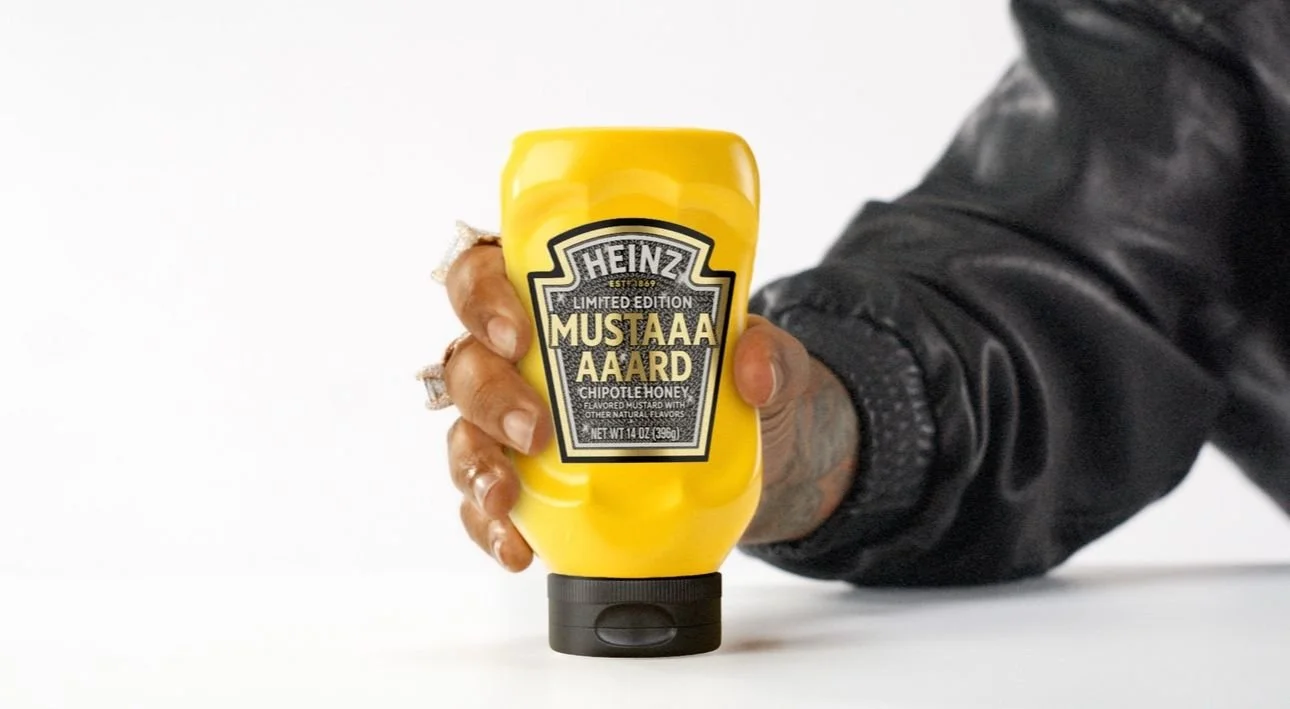
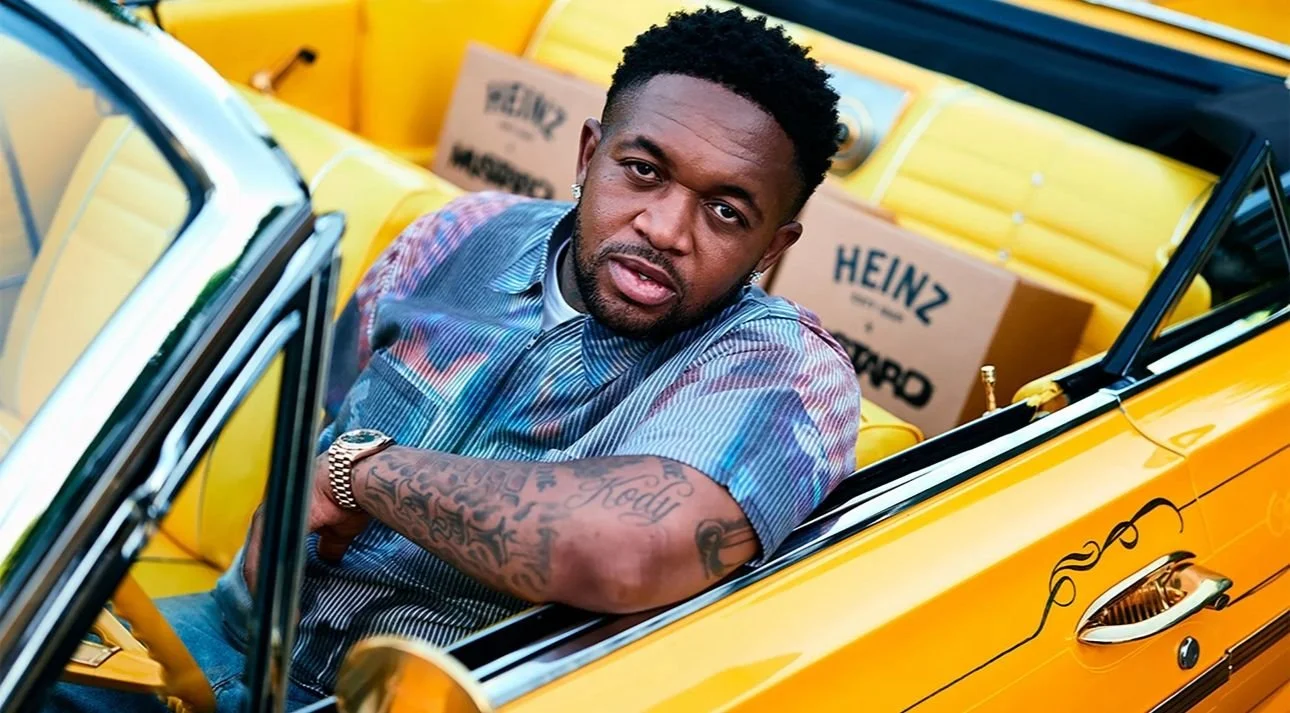
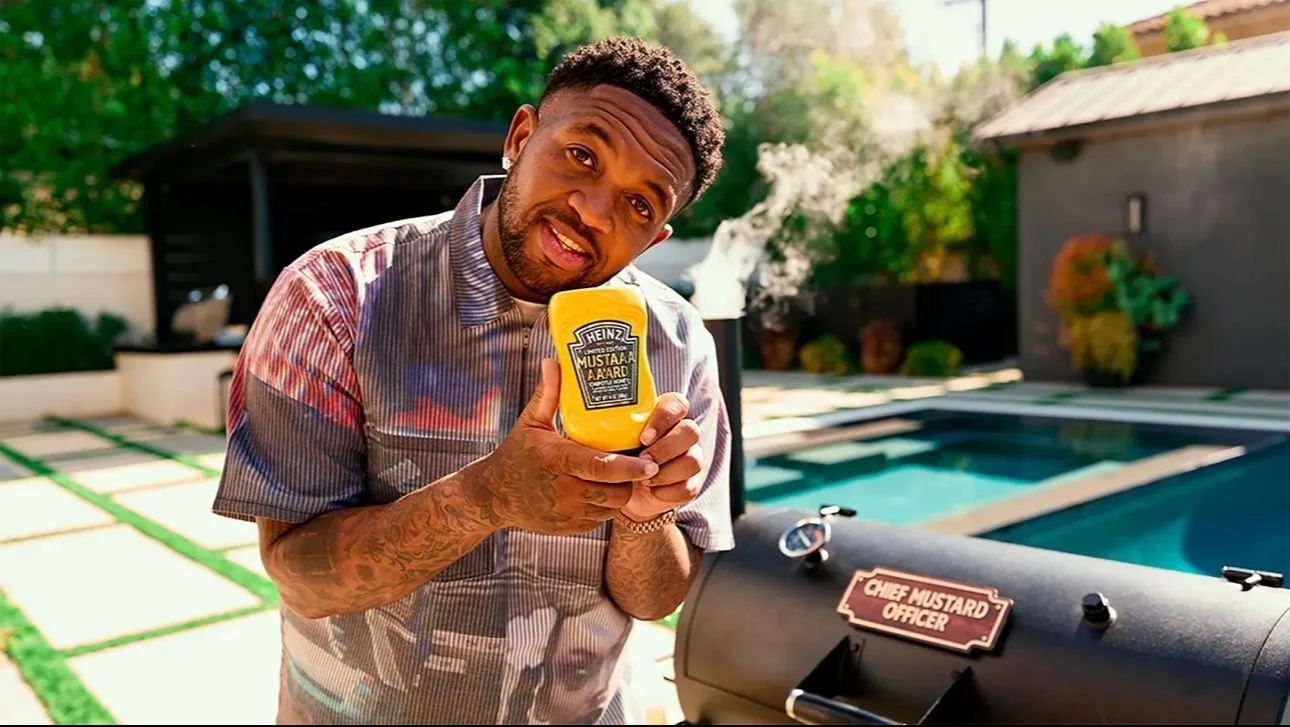
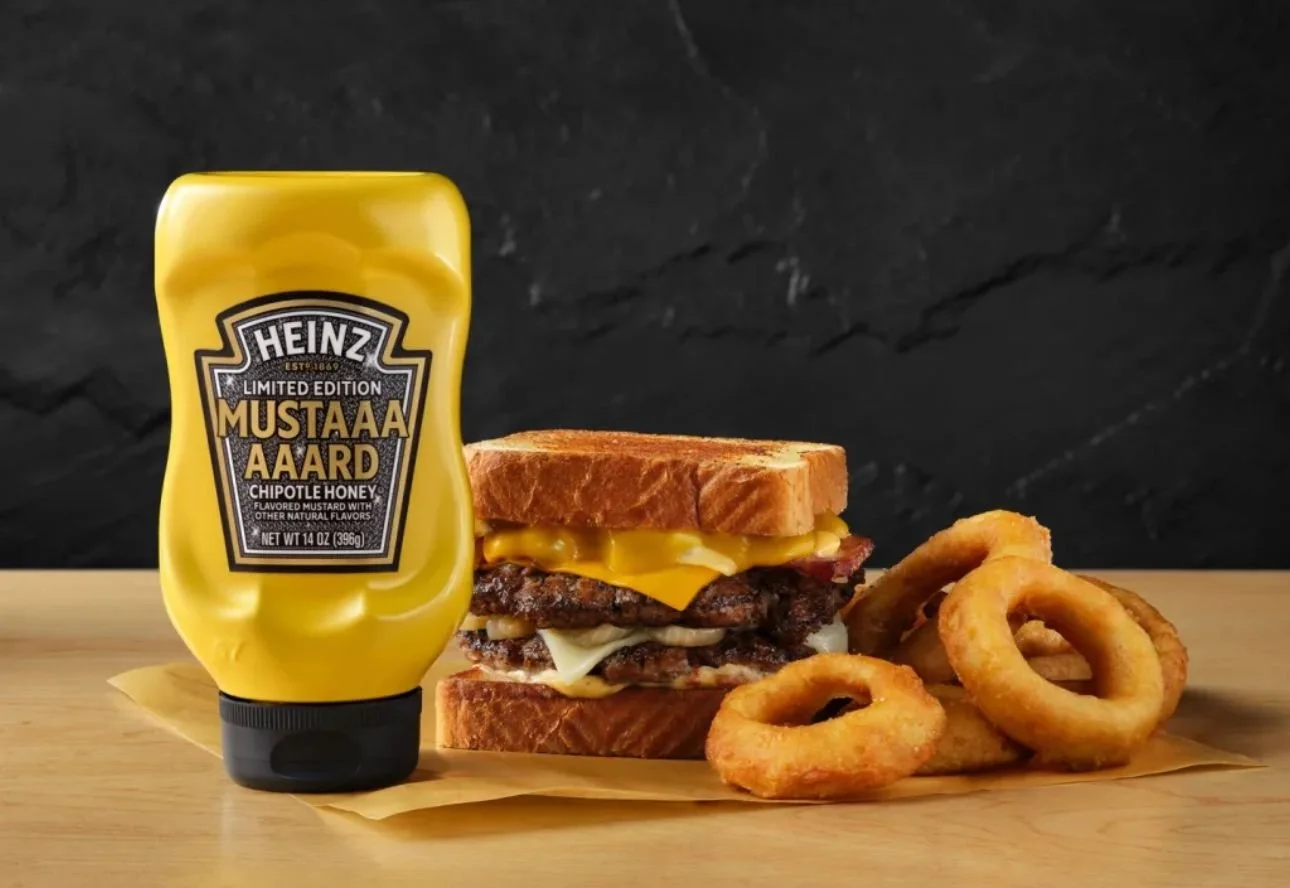
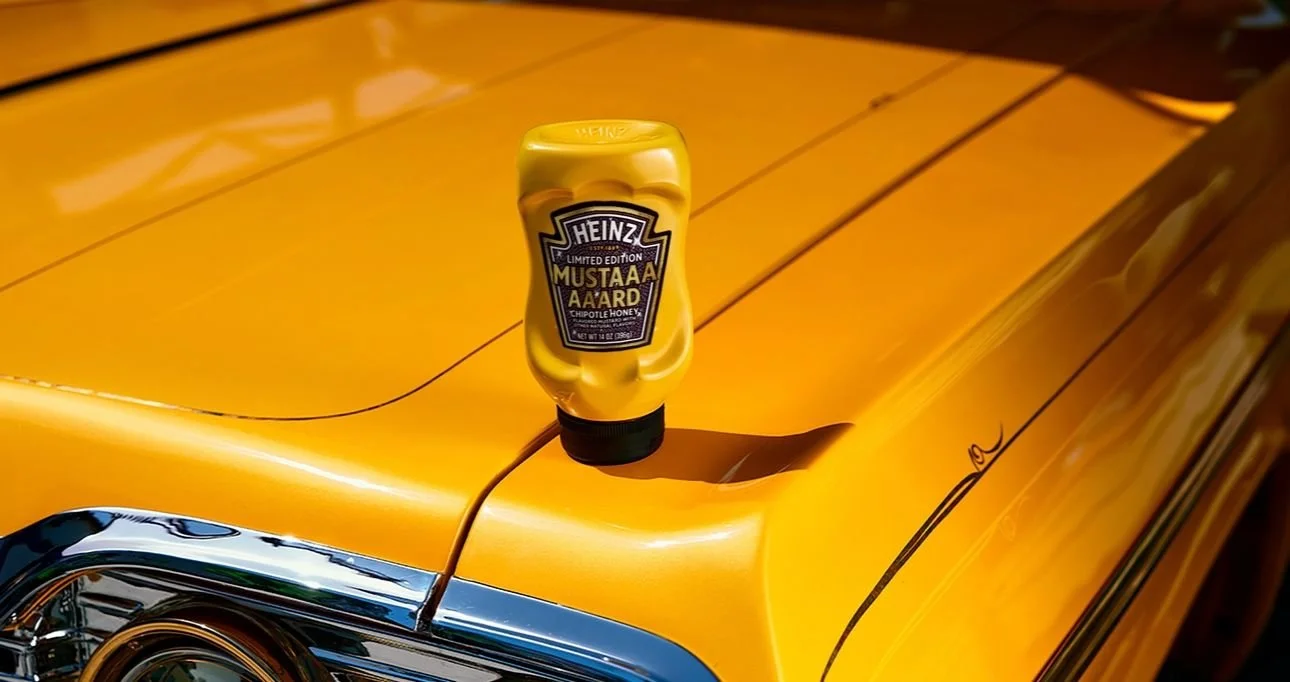
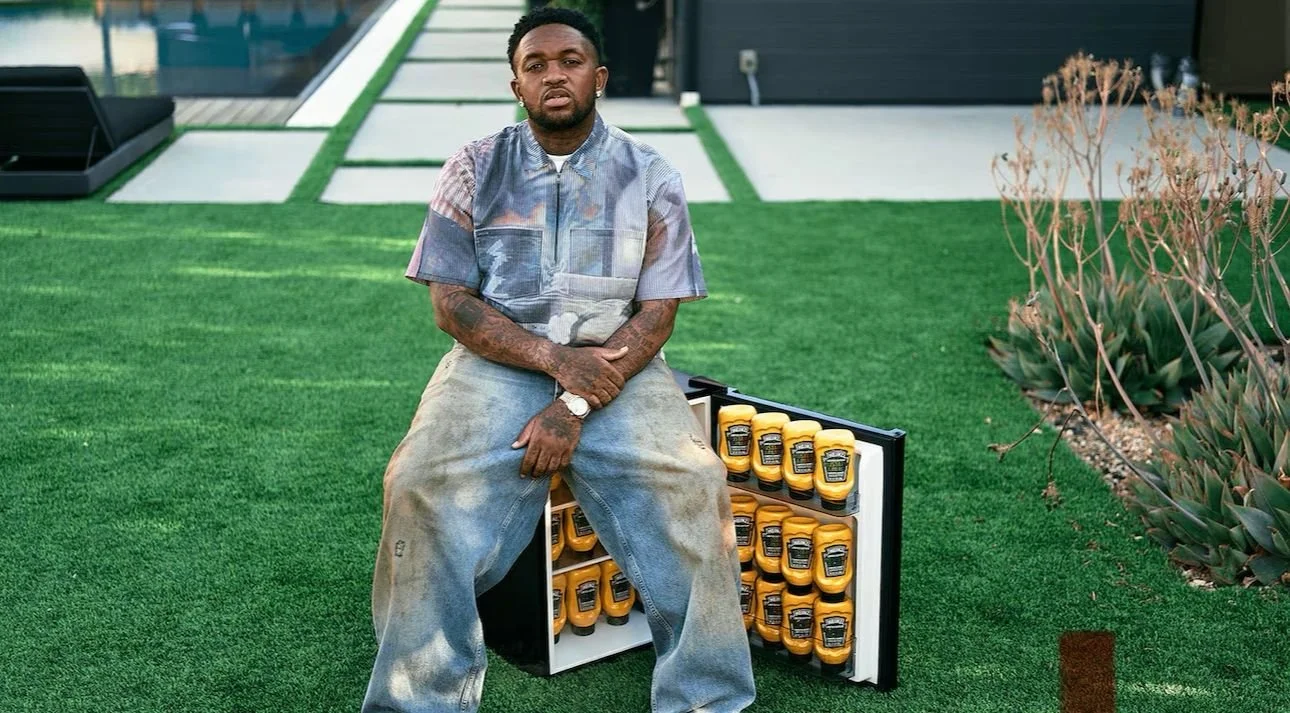
It’s not often that a product drop gets people talking outside of food circles. But when HEINZ and Grammy-winning producer Mustard teamed up to launch a smoky-sweet chipotle honey mustard - they didn’t just launch a product. They created a cultural crossover event.

And here’s why it hits the mark.

1750893444138.jpeg
1750893444187.jpeg
1750893444176.jpeg
1750893444135.jpeg
1750893444115.jpeg
1750893443974.jpeg

1. Cultural Casting, Not Just Influencer Collab

The brilliance here isn’t just the pun (though Mustard making mustard is meme-worthy). It’s the casting. HEINZ didn’t just plug in a celebrity for awareness - they picked a collaborator whose name, sound, and cultural capital align with the product in a way that’s playful, authentic, and strategic.

Mustard isn’t just a name on the label. He’s in the kitchen. A self-proclaimed BBQ obsessive, Mustard helped co-create the flavour profile alongside Kraft Heinz chefs, giving the campaign the credibility today’s audiences expect. This is culture marketing done right - not by proxy, but by partnership.

2. Timing It Right: From Grammys to Grilling Season

The campaign’s rollout is pure rhythm. HEINZ teased the collaboration back in February at the Grammys, just as Kendrick Lamar and Mustard were reigniting conversation around West Coast culture and artistic excellence. Fast-forward four months and the product drops as summer grilling season heats up - and just ahead of 4th of July cookouts. This isn’t just a condiment; it’s summer’s new cultural accessory.

3. From Studio to Supermarket: The Format Flip

This is the kind of brand move we’ve come to expect from fashion and music, not food. HEINZ has taken the drop culture playbook - think SNKRS releases and surprise mixtapes - and applied it to a product category that’s typically anything but hype. The exclusive partnership with Buffalo Wild Wings, where fans can score a free bottle with a burger for two weeks only, builds scarcity and community. Then, it hits retail. Culture-first, mass-following next.

It’s a textbook example of how a legacy brand can play in culture without chasing relevance. HEINZ didn’t try to become something it’s not. Instead, it let the product - and its partner - do the talking.

4. Humour + Heat = Virality

Let’s be honest: the name alone - HEINZ MUSTAAAAAARD! - is built for the timeline. It’s cheeky, memorable, and made to be memed. Paired with a serious product (this isn’t novelty, it’s a genuinely great mustard), it strikes that rare balance of being both funny and good.

And that balance matters more than ever. In a marketing moment where even beefs (see: Kendrick vs Drake) are dissected like Super Bowl ads, audiences crave craft and entertainment in equal measure. This drop delivers both.

The Verdict:
HEINZ MUSTAAAAAARD! is more than a flavour launch. It’s a case study in modern brand building - where co-creation, cultural fluency, and clever timing elevate a pantry staple into a pop culture moment.

Let the other brands play ketchup.

Thursday 06.26.25
Posted by Vicky Beercock
 

All Aboard The Louis: Louis Vuitton’s Immersive Shanghai Activation Charts a Bold New Retail Course

All Aboard The Louis: Louis Vuitton’s Immersive Shanghai Activation Charts a Bold New Retail Course

Louis Vuitton’s new Shanghai flagship is impossible to ignore. Standing 30 metres tall, wrapped in monogrammed hull panelling, and shaped like a full-scale cruise ship, The Louis has docked not just in Taikoo Hui mall - but in the wider cultural conversation.

Screenshot 2025-06-26 at 12.16.07.png
Screenshot 2025-06-26 at 12.16.14.png
Screenshot 2025-06-26 at 12.16.21.png
Screenshot 2025-06-26 at 12.16.28.png
Screenshot 2025-06-26 at 12.16.35.png

What It Delivers On

1. Flagship as Cultural Statement
The Louis doesn’t just sell product - it sells mythology. By drawing on its 19th-century trunk-making origins and leaning into Shanghai’s maritime identity, Louis Vuitton successfully localises a global brand story. The result? A physical space that fuses heritage with relevance in a way that feels both intentional and Instagrammable.

2. Immersion > Transaction
This is where the activation excels. The Extraordinary Journey exhibition offers depth, not just decoration. From a curated Perfume Room to live artisan demonstrations, the store serves as a multi-sensory museum as much as a retail environment. It’s a reminder that in the luxury sector, storytelling isn’t a nice-to-have - it’s the product.

3. Culinary and Cultural Crossovers
Le Café Louis Vuitton adds another layer to the experience economy. Blending local Shanghai flavours with Western dishes positions the brand not just as a tastemaker in fashion, but also in lifestyle. In a region where luxury is increasingly defined by experiences, this cross-disciplinary approach signals cultural fluency.

Where It Misses the Mark

1. Spectacle Over Substance?
While The Louis is a masterclass in spatial branding, there’s a question of who it really serves. The activation generates global buzz and undoubtedly appeals to luxury tourists and influencers - but does it speak to local consumers in a meaningful, accessible way? Beneath the theatrics, the connection risks feeling surface-level for wider audiences.

2. Sustainability in Question
In 2025, any large-scale installation demands scrutiny through a sustainability lens. A 30-metre ship-shaped pop-up, even one made from brand-coded travel trunks, invites questions: How long will it remain? What materials were used? How will it be repurposed? Without transparent answers, the environmental cost undermines the brand’s modern luxury narrative.

3. Commerce Can Get Lost in Concept
While immersive experiences are key to building brand equity, there’s a delicate balance between world-building and actual selling. The sheer scale and thematic density of The Louis may overshadow the retail core - raising the question: is it a store you shop in, or a museum you post from?

Final Take

The Louis is ambitious, arresting, and unapologetically extravagant. It’s a symbol of what brand flagships can be when they break free from conventional retail frameworks. But it also walks a fine line - between inspiration and indulgence, localisation and luxury theatre. For brand marketers, it’s a case study in pushing the format. For Louis Vuitton, it’s a reminder: the journey is extraordinary, but the destination must still deliver.

categories: Fashion, Culture
Thursday 06.26.25
Posted by Vicky Beercock
 

Is Converse Finally Making a Comeback?

Credit where it’s due: this question first landed in my inbox courtesy of Daniel-Yaw Miller’s SportsVerse - a sharp read on the brand, sport and culture crossover. And yes, after years on the sidelines, Converse is (finally) giving us something to talk about.

Let’s be honest: it’s been a slow fade for a brand once synonymous with basketball heritage and subcultural cool. While Nike and Adidas battled it out over technical innovation and lifestyle dominance, Converse drifted into background noise - over-assorted, under-strategised, and increasingly out of step with today’s sneaker cycles.

But now? There’s movement.

Enter: Shai Gilgeous-Alexander

26 years old, newly crowned NBA champion, MVP, and quietly one of the most influential players in the fashion-meets-sport conversation. Converse didn’t just sign him. They made him Creative Director of Basketball and handed him a signature shoe: the Shai 001.

That’s not a partnership. It’s a brand pivot.

And it’s working. His on-court dominance, off-court tunnel fits, and clear sense of brand have made Shai a walking billboard. Converse even laced him with a custom gold pair of the Shai 001 post-finals - no billboard required.

But here’s the catch: the shoe isn’t available yet.

Timing Is Everything

This is where it gets interesting. Converse nailed the story, the product, and the placement. But they’ve missed the peak moment for a commercial drop. The hype is real. But so is the delay.

The Shai 001 won’t hit shelves until autumn. That’s a risk in today’s culture cycle where attention is fleeting and momentum is hard to sustain. The NBA offseason is notoriously quiet. By the time the shoe lands, so might a hundred other stories.

Still, here’s why this might be the right kind of risk.

The Long Game: Relevance over Revenue

Performance sneakers rarely shift units like lifestyle kicks (see: Sambas, Dunks, Jordans). But that’s not the point. A strong performance line is about heat, halo, and headline moments. And right now, Converse has that.

If they get the launch right, seed it smartly, and continue to build around Shai’s crossover appeal, this could be the start of something bigger. Not just a player collab, but a credible return to basketball culture. And in a saturated market, that kind of positioning is priceless.

Brand Takeaway:

Relevance isn't just about product. It's about timing, talent, and storytelling. Converse is betting on all three - and for the first time in years, it looks like the odds might be on their side.

Is Converse back, or is this just a moment?

categories: Sport, Fashion
Wednesday 06.25.25
Posted by Vicky Beercock
 

TikTok Leans Into News as Meta Bows Out: What It Means for Platforms, Publishers and Public Trust

📱 TikTok backs news influencers while Meta backs off - and the implications are cultural as much as strategic.

In a move that signals shifting sands in the digital news ecosystem, TikTok is stepping up its support for news creators on the platform, just as Meta continues to retreat from its role in news dissemination. Axios Media reports that TikTok is not only encouraging news influencers to keep posting but is also offering resources and guidance to help them navigate responsible reporting.

This comes at a time when around half of American TikTok users say they get their news from the platform - a figure that puts TikTok shoulder-to-shoulder with traditional outlets in terms of public influence.

Meanwhile, Meta (parent company of Facebook and Instagram) has doubled down on its distancing from news content. From ending fact-checking partnerships to actively blocking news on its platforms in countries like Canada, Meta is making a deliberate pivot away from being seen as a news source.

So what does this divergence tell us?

Platforms Are Picking Sides in the Information Economy

Meta's retreat reflects a longer-term strategy: reducing liability, appeasing regulators, and shifting focus toward entertainment and creator commerce. News, by contrast, brings risk, complexity, and political scrutiny. Its ROI is harder to prove - and harder to monetise.

TikTok, however, sees opportunity in the vacuum. News creators on the platform range from independent journalists to educators and analysts - often with huge Gen Z and Millennial followings. Their content is short-form, highly visual, and community-driven: tailor-made for TikTok’s algorithm and audience behaviour.

While the platform hasn't gone so far as to create an official "news tab", its behind-the-scenes support for these voices suggests it sees value in becoming a trusted, if unconventional, news source - especially for younger users less likely to visit legacy media sites.

Implications for Brands, Publishers and the Public

1. Brand Strategy:
As audiences increasingly treat social platforms as their front page, brands will need to rethink how they show up in those spaces - not just through ads or branded content, but through credible voices, partnerships with newsfluencers, and value-based storytelling.

2. Publisher Survival:
Legacy media should see TikTok’s move as a call to experiment. The door is open for news outlets willing to meet users where they are - not with clickbait or repurposed headlines, but with platform-native, personality-led reporting that builds community, not just traffic.

3. Public Trust:
The rise of news influencers raises questions around accuracy, accountability, and platform responsibility. TikTok’s approach - supporting but not centrally regulating - could leave room for innovation, but also for misinformation. The next phase will require clearer guardrails to maintain public trust.

In a world where attention is everything, the battle for “newsfluence” is officially on. TikTok isn’t trying to become the new BBC - but it is signalling that it wants to be more than just dance trends and recipes.

And when the world’s biggest social platforms start choosing sides in the future of news, brands, creators and consumers alike need to pay attention.

Because the feed is the new front page - and who curates it matters.

categories: Impact, Tech
Wednesday 06.25.25
Posted by Vicky Beercock
 

What Cazadores and Cristo Fernández Teach Us About Fandom-First Brand Strategy

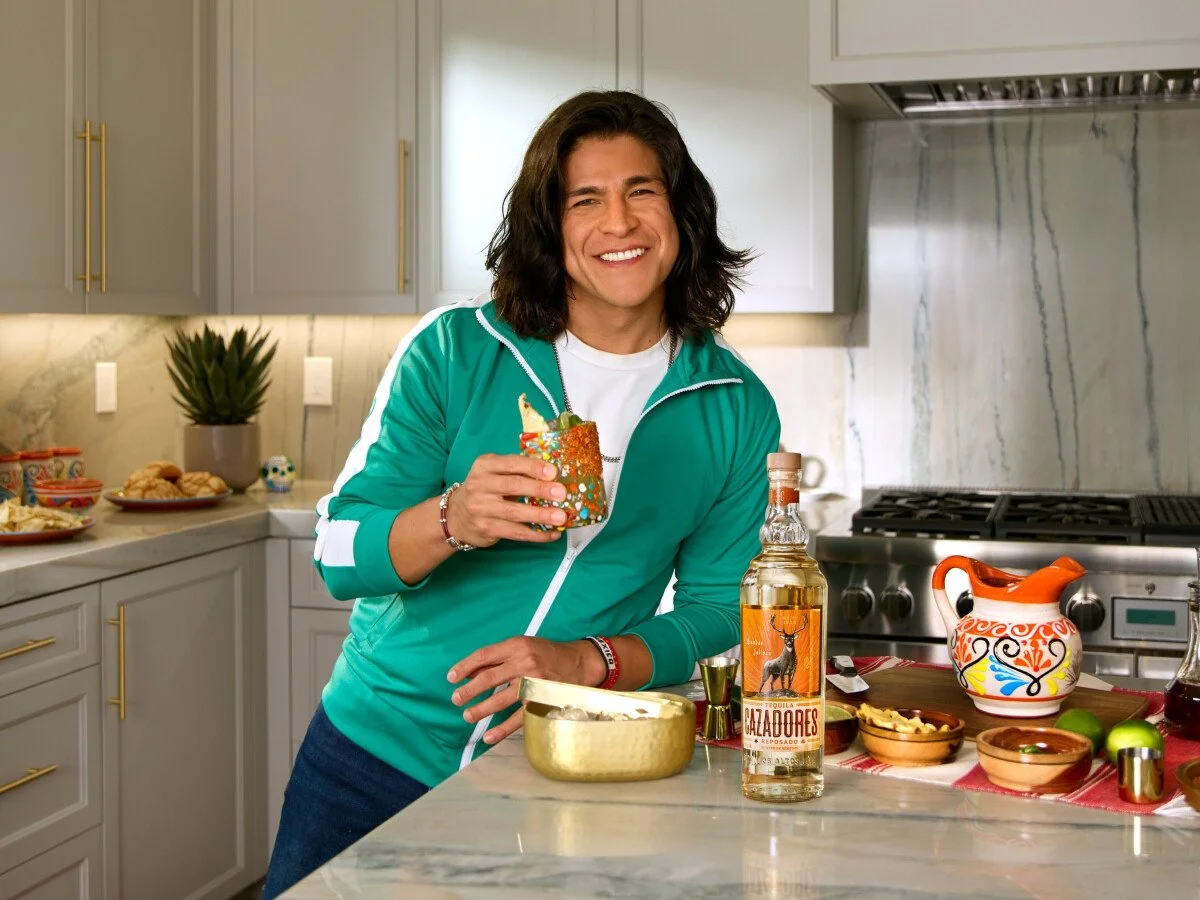
When heritage meets hype, it’s a recipe for cultural relevance. Enter: Cazadores’ latest fan-inspired campaign starring Ted Lasso’s Cristo Fernández - Mexican actor, ex-professional footballer, and now tequila ambassador.

Cazadores didn’t just cast a recognisable face. They tapped into fandom.

From Football Pitches to Prime Time

Cristo Fernández is more than just a breakout star from Ted Lasso. He’s a former pro footballer turned actor, embodying two of Mexico’s most influential exports: sport and storytelling. In this campaign, he bridges Cazadores’ roots in Jalisco with the cultural currency of global entertainment.

By aligning with a figure who holds cross-border appeal and authentic Mexican heritage, Cazadores isn't just promoting tequila - it’s championing identity, aspiration, and the everyday joy of celebration.

Why This Campaign Hits Different

Unlike traditional celebrity endorsements, this work taps into the energy of the fan community. The concept was directly inspired by Cazadores’ audience, drawing from insights around how fans celebrate goals, milestones, and moments - all with a drink in hand.

It’s a reminder: meaningful campaigns are often built with, not just for, fans.

The visuals? Cinematic, sun-drenched, and fiesta-ready. The tone? Joyful, proud, and unmistakably Mexican - not as a cliché, but as a lived cultural rhythm.

Takeaway for Brands

In 2025, star power alone doesn’t cut it. Cultural authenticity and fan-informed strategy are the new baselines. The best campaigns are built on participation and relevance, not just reach.

By letting fandom lead, Cazadores positions itself not just as a tequila brand - but as a co-conspirator in how moments of joy are remembered.

categories: Sport, Culture
Wednesday 06.25.25
Posted by Vicky Beercock
 

🏃 What to Run In: Why Bandit Is the Hypebrand Rethinking Running Culture

Once sidelined as a functional afterthought, running apparel is stepping into its fashion era - and Bandit is leading the charge. If you haven’t clocked them yet, consider this your starting pistol.

Launched out of Brooklyn, Bandit has quickly carved a lane as the running brand for those who care as much about aesthetics as they do about splits. This isn’t just activewear. It’s runwear with hype credentials - designed for the track, the tempo run, and the tunnel rave after.

🧢 From Side Streets to Spotlight

Bandit doesn’t look or feel like a legacy sportswear giant. Its drops are streetwear-coded: small-batch, limited-release, community-first. Think Nike Tech Fleece energy, but built to clock PBs. Their recent Spring collection sold out almost instantly, driven by a cult following that treats each new capsule like sneakerheads treat a Jordan drop.

But this isn’t just another fashion brand in fitness clothing. Bandit builds for performance and cultural relevance. Moisture-wicking tees and race-day shorts come with ultra-premium materials, elevated cuts, and a considered brand world that actually reflects today’s running communities: urban, diverse, style-conscious.

📸 The Instagrammable Marathoner

Let’s be real: running has a new aesthetic. Post-COVID, the growth of amateur racing, run crews, and Sunday long-run culture has reshaped how we view the sport. From London’s Track Mafia to NYC’s Old Man Run Club, performance is now paired with personality. Bandit gets this — and builds gear to match.

They’re not shouting at you with slogans or legacy athlete rosters. They’re showing up at community races, building editorial-style campaign drops, and offering kits that wouldn’t look out of place in a KITH or Aimé Leon Dore store. And yes, people are styling their Bandit gear with Salomons, Arcteryx shells, and Oakleys. It’s a vibe.

🏁 More Than a Brand - a Movement

Bandit is making the case that running can be stylish, expressive, and cool again. That you don’t need to compromise between pace and taste. For marketers and brand builders, it’s a masterclass in carving new lanes: speaking to niche sport cultures through a streetwear lens, and showing that performance wear can (and should) look this good.

TL;DR: If your running gear still looks like you borrowed it from your school PE kit, it’s time for an upgrade. Bandit is what happens when high-performance meets high-design. And the culture’s sprinting to keep up.

categories: Fashion, Sport
Wednesday 06.25.25
Posted by Vicky Beercock
 

Music Deserves More Than a Moment: Why One-Second Hacks Hurt Culture and Brand Integrity

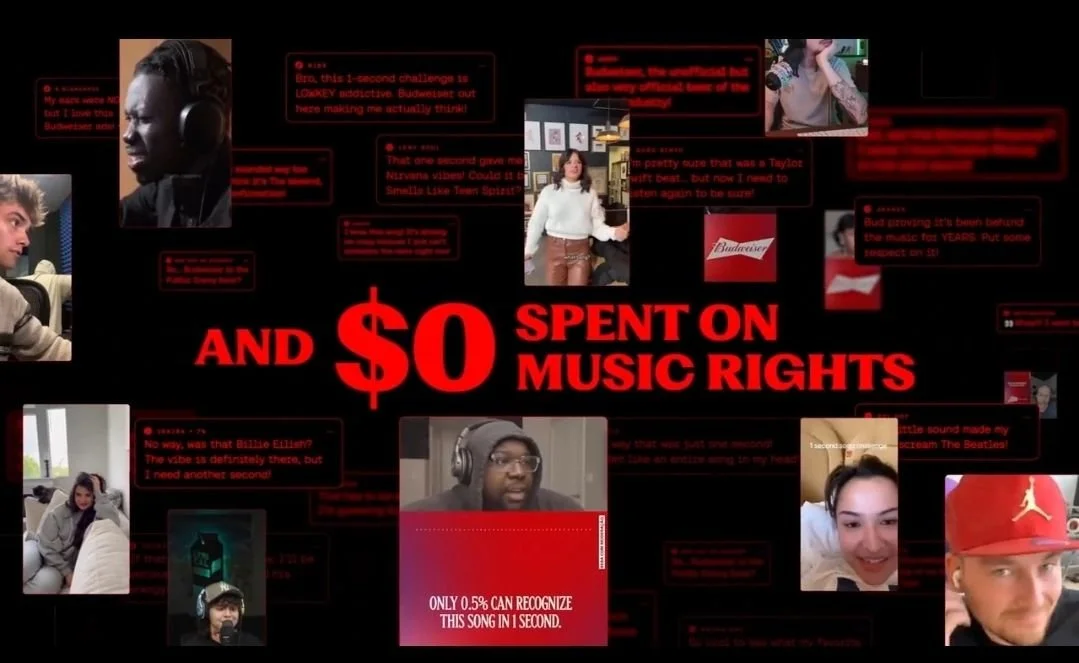
At the Cannes Lions International Festival of Creativity - a global stage meant to celebrate creative excellence - a campaign was awarded the industry’s highest honour: a Grand Prix. Its hook? Using one-second snippets of popular songs to trigger recognition, while reportedly dodging music licensing fees.

That headline should make anyone in music and brand marketing sit up.

It did for me. And it clearly did for many others, thanks to Shez Mehra, who highlighted the campaign, and Dave Chase, whose sharp commentary gave this issue the platform it deserves. Their reflections have pushed an uncomfortable but crucial conversation into the mainstream - and it’s one we all need to reckon with.

Because this moment says something deeper about how the industry values culture, and by extension, the creators who build it.

One Second of Sound, a Lifetime of Impact

The campaign’s conceit was clever: one second is just long enough to trigger your brain’s emotional connection to a hit song - and just short enough to (allegedly) avoid paying for it. But while the execution may have been slick, the signal it sent was anything but.

Let’s be clear: this isn’t about tearing down the brand or the creatives behind the work. It’s about what we, as an industry, choose to celebrate - and the wider consequences of those choices.

Because if the creative benchmark becomes “how cleverly can you not pay artists?”, we’ve got a serious problem.

Culture Can’t Be Borrowed Without Permission

Music isn’t just a marketing tool. It’s a memory. A movement. A way for brands - especially those in lifestyle spaces like alcohol - to build lasting emotional connections.

But those connections must be earned. Not extracted.

Authentic music partnerships build credibility, loyalty, and resonance. Shortcuts, on the other hand, erode trust - both with creators and with audiences who see through it faster than ever.

In a world where every deck says “authenticity” and “equity”, celebrating a workaround that avoids paying musicians is more than a contradiction. It’s a warning sign.

What Can Brands Do Better?

If you work in brand or campaign strategy - especially in alcohol or FMCG, where music and lifestyle go hand in hand - here are some ways to raise the standard, not lower it:

1. Invest in the Relationship, Not Just the Track

Approach music as a long-term creative partner, not a one-off asset. Think campaigns that build with artists, not just feature them.

2. Don’t Mistake Cleverness for Creativity

Real creativity doesn’t avoid the value chain - it uplifts it. If a tactic feels like a loophole, it probably is.

3. Embed Music Early in the Brief

Don’t retrofit music as a post-production bolt-on. Co-create with artists and rights holders from day one.

4. Measure Cultural Impact, Not Just Efficiency

Ask whether your campaign is building brand legacy - or borrowing from someone else’s.

Advice for Artists Working With Brands

The best partnerships are reciprocal. Here’s how artists and teams can approach brand work with clarity and confidence:

1. Protect Your IP and Story

Even one second of your work has value. Make sure usage rights are clear and fair.

2. Get Involved Creatively

Push to be part of the process - not just the final cut. The more collaborative the partnership, the more authentic the result.

3. Align With Brands That Share Your Values

If a brand wants to licence your sound but not your story, think twice.

4. Know When to Say No

Not every opportunity is worth it. If it feels off, it probably is.

Final Word

This wasn’t just a Cannes case study. It was a test. And it revealed some uncomfortable truths about how we still treat creators in advertising.

So, to Shez Mehra and Dave Chase: thank you for raising the profile of this moment. For reminding the industry that if we truly care about creativity, culture, and equity - we need to prove it.

Let’s stop applauding the workaround and start rewarding the work. Music isn’t a hack. It’s heritage.

Creativity pays off. But only if we pay in.

categories: Music, Impact, Culture, Tech
Wednesday 06.25.25
Posted by Vicky Beercock
 

🌟 Spotlight: Broadway Protest Reclaims the Kennedy Center

Rainbow flags. Rewritten lyrics. A Tony-winning producer. Five senators.
This wasn’t your usual evening at the Kennedy Center - it was political theatre in the most literal sense.

Last week, the storied Washington venue became the site of Love Is Love, a Pride Month Broadway concert that doubled as a pointed protest against President Trump’s recent takeover of the cultural institution. Staged in the Justice Forum, a 144-seat theatre within the Reach expansion, the event featured performances by LGBTQ+ Broadway stars and a closing number that repurposed Les Misérables' “One Day More” into a satirical swipe at the president himself.

Orchestrated by five Democratic senators - including John Hickenlooper, Tammy Baldwin, and Elizabeth Warren - and directed by Hamilton’s lead producer Jeffrey Seller, the concert was both symbolic and strategic: a cultural stand against Trump’s erasure of the Kennedy Center’s progressive legacy.

🎭 Why It Matters

Seller had already cancelled Hamilton’s planned 2026 run at the venue, citing misalignment with Trump’s agenda. This concert was the live-action follow-up: part celebration, part confrontation, and a clear message that artistic spaces are not neutral ground.

“This is our way of reoccupying the Kennedy Center,” Seller said. “We are here, we exist, and you can’t ignore us.”

While Trump and newly appointed Kennedy Center president Richard Grenell attempted to frame the event as a “first annual talent show,” the reality was far more pointed. With performances from Falsettos, The Wild Party, and I Am Harvey Milk, the night embodied queer joy and protest as creative tools.

🏳️‍🌈 Cultural Courage in Real Time

Unlike glossy corporate Pride campaigns, Love Is Love carried weight. It wasn’t a brand stunt or a rainbow overlay. It was a grassroots reclaiming of space at a time when LGBTQ+ representation at the federal level has been quietly stripped back. For artists and allies, this was resistance through repertoire - a defiant act wrapped in song, solidarity, and stagecraft.

Why Brands Should Care

This moment is a reminder that culture is never neutral, and that cultural institutions are battlegrounds for identity, inclusion, and narrative control. For brands that show up around Pride or position themselves as allies, Love Is Love is a case study in action over aesthetics. Visibility is not enough - it has to be meaningful, and sometimes, it has to be loud.

categories: Impact, Culture
Wednesday 06.25.25
Posted by Vicky Beercock
 

From Sidelines to Front Rows: Vogue’s Sports Desk Makes Sport Fashion’s New Power Player

Vogue’s launch of The Sports Desk, in partnership with Google Pixel, confirms what sharp-eyed brand marketeers already knew: sport isn’t just influencing fashion - it’s becoming integral to how fashion expresses relevance, identity and reach.

Why This Matters

The fashion world has long flirted with sport - from Serena in Valentino to footballers fronting fashion campaigns - but this is the first time British Vogue has carved out dedicated editorial space to cover women’s sport with such depth and cultural weight.

This isn’t just about sport showing up in fashion. It’s about fashion repositioning itself through the lens of sport - performance, community, identity, strength. For brands in fashion, this is a wake-up call: sport isn’t a bolt-on. It’s part of the cultural engine room.

Fashion’s New Front Row

In launching The Sports Desk, Vogue is making women’s sport part of the fashion conversation - not as a seasonal trend, but as an ongoing influence. That matters in a market where brands are increasingly judged on cultural fluency and values alignment.

From AJ Odudu speaking with Alessia Russo at Wembley, to Rio Ferdinand interviewing the next generation of Lionesses, the content goes beyond highlight reels. It leans into personality, presence and purpose - exactly the kind of narrative fashion brands love to trade in.

How the Game is Changing for Brands

The rise of athlete as icon isn’t new - but it’s gaining new dimension. Athletes are no longer just brand ambassadors in campaigns. They’re muses, moodboards and cultural markers.

This matters for any brand that wants to stay in step with what’s shaping identity today. Gen Z and Gen Alpha see no hard lines between pitch, catwalk and content. That crossover is where the next era of brand storytelling is already playing out.

Key Moves Brand Marketeers Should Take From This

  1. Reframe sport as a cultural driver, not a vertical: it’s a source of inspiration, not just affiliation.

  2. Bring editorial energy to brand partnerships: think storytelling, not just sponsorship.

  3. Recognise women’s sport as a fashion influence, not a sideline.

  4. Use tech to enhance the narrative: like Google Pixel, be part of the experience, not just the logo.

Final Word

As Chioma Nnadi put it: “The influence of sport on the culture at large has never been greater.”
And now, it’s not just being featured in fashion - it’s shaping the way fashion talks, walks and leads.

Explore Vogue’s Sports Desk here 👉 British Vogue – The Sports Desk

categories: Fashion, Tech, Sport
Wednesday 06.25.25
Posted by Vicky Beercock
 
Newer / Older