
Welcome to the next edition of On The Record, thoughtful analysis on culture, entertainment, tech, fashion, music, sport, and brands. Here’s a round-up of key conversations and campaigns that caught my attention this week.
This week reflects a broader recalibration of how value is created, controlled and sustained across sport, music and media, where scale alone is no longer sufficient without structural resilience. LIV Golf’s uncertainty under Saudi Arabia’s Public Investment Fund exposes the fragility of capital-led disruption without long-term commercial viability, while Nike’s stalled recovery highlights how even category leaders must now compete for cultural relevance, not just market share. At the same time, platforms like Spotify and YouTube are redesigning discovery and monetisation around behaviour and engagement, shifting power upstream, while Coachella, Rhode and Justin Bieber demonstrate how ownership of distribution, narrative and audience is becoming the defining advantage. Across live music, regulation, from Live Nation-Ticketmaster to government intervention in touring, is beginning to formalise long-standing tensions around control and access, while the rapid rise of women’s sport and WNBA partnerships from brands like Mars and P&G signal where scalable, future-facing growth is consolidating. Taken together, the direction is clear: industries are moving away from fragmented, growth-led models toward integrated systems where capital discipline, cultural authority and controlled ecosystems determine who captures value.
Here’s what stood out this week:
⛳ LIV Golf’s $5bn Future in Doubt as Saudi Strategy Shifts
💰 Women’s Sport Hits $3bn Global Valuation Surge
🎤 Kanye West Exposes New Touring Reality as Demand Alone No Longer Decides, Despite $32.6m SoFi Stadium Gross
🎟️ Live Nation-Ticketmaster Monopoly Verdict Signals Potential Breakup and Industry-Wide Reset
💄 Rhode Dominates Coachella 2026 Conversation, Outperforming On-Ground Activations
🎼 Songwriters Push Back on Licensing Cuts as Live Sector Economics Tighten
⚽ $100 Train Fares, $300 Parking and Stadium Restrictions Put FIFA World Cup 2026 Fan Experience Under Pressure
👟 Arsenal Women x Good Squish Signals Shift in Women’s Football Merch Strategy
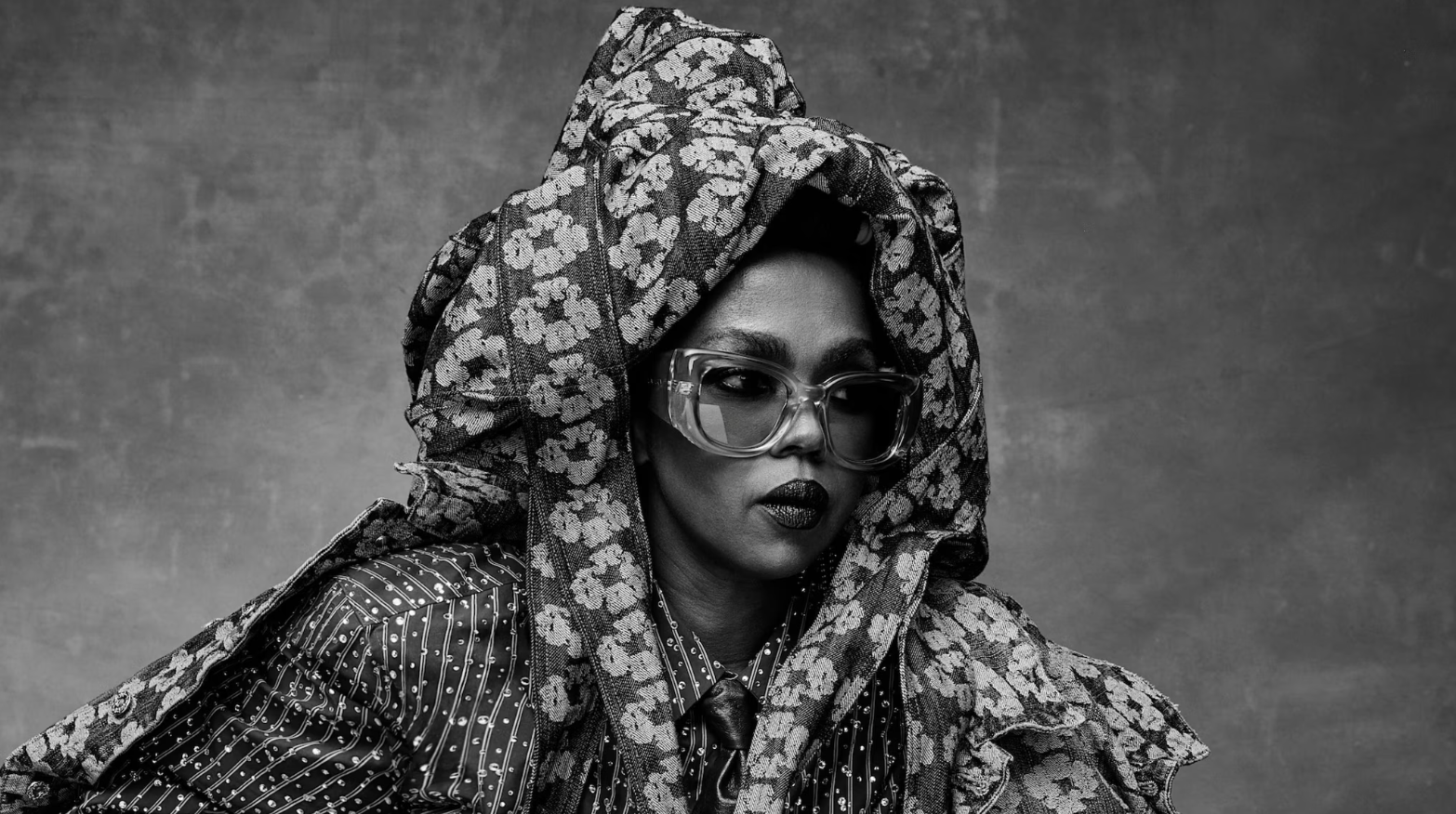
🔥 Lauryn Hill Fronts Denim Tears SS26 Campaign, Bridging Legacy and Cultural Narrative
🌴 Coachella Drives $700m Economy as Cultural and Commercial Engine
🎤 Justin Bieber Rewrites the Artist Playbook with Fully Controlled Coachella Ecosystem
🖤 Chanel Expands Cultural Influence with Pedro Pascal Appointment
✝️ AI Jesus Goes Pay-Per-Minute as Platforms Monetise Belief
🎬 Spike Jonze Turns On Campaign into Cinematic Brand World with Zendaya
🎡 YSL Beauty Turns Coachella Into Immersive Drive-Thru Experience
🎟️ FIFA Under Fire as Fans Pay Category 1 Prices but Receive Lower-Tier World Cup Seats
🎧 Bill Ackman Bids $60B+ for Universal Music Group, Signalling Increased Pressure on Hits-Driven Growth
📊 Publicis, WPP and Dentsu Settle FTC Probe Over Ad Boycott Allegations
📉 Publisher Traffic from X and Facebook Collapses as Platform Referrals Decline
📺 YouTube Prioritises Live Engagement Over Ads to Protect Streaming Experience
📈 World Cup Drives Global Media Inflation as TV Ad Prices Surge
🎬 Paramount Defends Warner Bros Discovery Deal Amid Industry Backlash
🍫 Mars Snacking Lands WNBA Deal as M&M’s Becomes Official Chocolate Partner
🤖 Meta Builds AI Zuckerberg So You Can Have Even More Zuckerberg
📱 Big Tech Pushes Back as EU Ends Exception Allowing CSAM Scanning
📊 OpenAI Eyes $102bn Ads Business as Monetisation Strategy Scales
👟 Nike’s Comeback Faces Scrutiny as Growth Fails to Match Narrative
🎙️ Spotify Expands AI Playlists to Podcasts as Discovery Becomes Prompt-Led

LIV Golf’s $5bn Future in Doubt as Saudi Strategy Shifts ⛳
📌 LIV Golf’s long-term future has been thrown into doubt following reports that Saudi Arabia’s Public Investment Fund may scale back or withdraw funding from the $5bn-backed tour. After years of aggressive investment to disrupt the traditional golf ecosystem, the lack of a completed merger with the PGA Tour and a broader pivot towards domestic and higher-return sectors like football and esports is forcing a strategic reset. For players, sponsors and broadcasters, the uncertainty raises fundamental questions about contract security, competitive pathways and the long-term viability of a breakaway league that has relied heavily on sustained state funding.
Over $5bn invested by Saudi Arabia’s Public Investment Fund since 2021
LIV Golf is currently in its fifth season with reduced prize money and bonuses in 2026
Multiple top players including Brooks Koepka and Patrick Reed have already returned to the PGA Tour
💡 ⛳ If LIV folds or contracts, the industry faces a forced reabsorption moment where talent, rights and capital must rapidly realign, exposing how dependent the model has been on sustained sovereign funding rather than standalone commercial viability.
Women’s Sport Hits $3bn Global Valuation Surge 💰
📌 Women’s sport has reached a $3bn global valuation, marking a 67% increase in just two years and signalling rapid commercial acceleration across media rights, sponsorship and fan engagement. At this scale, the market is now comparable to established niche but high-value sectors such as Formula 1 team revenues or top-tier esports ecosystems, underlining how quickly it has transitioned from emerging category to commercially credible platform. For brands and rights holders, the significance lies not just in the number, but in the speed of growth and the headroom still available as investment continues to scale.
$3bn global valuation for women’s sport (Deloitte)
67% growth over the past two years
Comparable in scale to established global sports and entertainment sub-sectors
💡 💰 Women’s sport is no longer emerging, it’s operating at the scale of established premium properties, just without the legacy pricing.
Kanye West Exposes New Touring Reality as Demand Alone No Longer Decides, Despite $32.6m SoFi Stadium Gross 🎤
📌 The live music landscape is shifting, where consumer demand is no longer enough to guarantee touring viability, as governments and institutional stakeholders exert increasing control over who can perform and where. Kanye West’s $32.6m gross across two sold-out shows at SoFi Stadium in Los Angeles proves audience appetite remains strong, yet the fallout around his headline slot at Wireless Festival exposed early-stage brand misalignment and unresolved sponsor risk. The festival’s eventual cancellation only came once the UK government denied entry, underlining how final authority now sits beyond promoters and partners. For the industry, it signals a system where touring outcomes are shaped by layered approval, with political, commercial and reputational factors all acting as gatekeepers.
$32.6m grossed across two SoFi Stadium shows in Los Angeles
Wireless Festival cancelled following UK government entry denial
Sponsor concerns and brand misalignment emerged prior to cancellation
💡🎤 Touring has become a multi-layer approval system, where demand drives momentum, but governments and brands ultimately decide what gets across the line.
Live Nation-Ticketmaster Monopoly Verdict Signals Potential Breakup and Industry-Wide Reset 🎟️
📌 For the music industry, this verdict is less about the dollar value of overcharges and more about the formal recognition that the live ecosystem has been operating under concentrated control. A federal jury found that Live Nation and Ticketmaster illegally maintained monopoly power across ticketing and major venues, validating long-standing concerns from artists, promoters and independent venues. While the $1.72 per-ticket overcharge may appear marginal, it functions as legal evidence of systemic pricing power at scale, applied across millions of transactions. The real impact now sits in the remedy phase, where potential structural changes could reshape how tours are routed, how tickets are distributed, and how value flows across the live music economy.
Live Nation controls a dominant share of major venue ticketing and promotion
Overcharges identified across millions of ticket transactions, not isolated cases
Remedies could include operational restrictions or structural separation
💡 🎟️ The number isn’t the story, the precedent is, this is about proving control, not just pricing.
Rhode Dominates Coachella 2026 Conversation, Outperforming On-Ground Activations 💄
📌 At Coachella 2026, the biggest beauty brand impact didn’t come from the festival grounds, but from social-first strategy led by Hailey Bieber’s Rhode. Generating 68.4 million in engagement across influencer content, Rhode significantly outpaced competitors, highlighting how off-site, creator-led ecosystems are now driving the majority of cultural visibility. Meanwhile, brands investing in physical activations on-site entered a far more competitive environment, where attention is fragmented and harder to dominate, reinforcing a shift in how festival marketing delivers return.
Rhode generated 68.4 million engagements, more than 3x the next closest brand
Huda Beauty followed with 22.5 million, with Medicube and e.l.f. Beauty close behind
Analysis spans YouTube, TikTok, Instagram, X and Snapchat during Coachella Weekend 1
💡💄 At Coachella, cultural dominance is no longer won on-site, it’s built where creators control distribution and attention travels further.
Songwriters Push Back on Licensing Cuts as Live Sector Economics Tighten 🎼
📌 The Council Of Music Makers has issued a clear warning to the UK live sector, rejecting any proposals to reduce licensing fees and reinforcing the foundational role songwriters play in the economics of live performance. As pressure builds across touring margins and venue sustainability, the statement highlights how licensing income remains critical, particularly for grassroots and emerging writers who rely on collective systems like PRS for Music. For the industry, it signals a growing tension between cost pressures in live music and the need to protect creator income, with licensing becoming a key battleground in how value is distributed across the ecosystem.
Licensing income remains a key revenue stream for grassroots songwriters and composers
Blanket licensing systems cover the majority of songs performed across UK venues and festivals
CMM rejects any reduction in fees, citing risks to songwriter career viability
💡 🎼 As touring economics tighten, the fight over licensing isn’t about cost cutting, it’s about who absorbs the pressure in an already fragile value chain.
$100 Train Fares, $300 Parking and Stadium Restrictions Put FIFA World Cup 2026 Fan Experience Under Pressure ⚽
📌 The 2026 FIFA World Cup is increasingly exposing a tension between global spectacle and fan accessibility, as rising costs and operational decisions reshape the live experience. Reports of $100+ return train fares for journeys that typically cost under $13, parking fees reaching up to $300, and restrictions like tailgating bans point to a heavily commercialised event model. At the same time, concerns around labour unrest and the presence of enforcement agencies at venues add further complexity, signalling that the tournament is being managed as a high-control, high-revenue environment rather than a fan-first cultural moment.
Return train tickets priced at $100+ vs ~$12.90 usual fare
Parking costs reaching $175 average, up to $300 at some venues
Thousands of stadium workers in Los Angeles threatening strike action
💡 ⚽ The World Cup is becoming a case study in how mega-events are shifting from mass cultural gatherings to tightly controlled commercial ecosystems, where every layer of the fan journey is priced and regulated, and where rising costs risk contradicting the accessibility commitments made during the original bid process, raising longer-term questions around trust, fan inclusion and the credibility of future host proposals.
Arsenal Women x Good Squish Signals Shift in Women’s Football Merch Strategy 👟
📌 Arsenal Women’s first-ever retail collaboration with Good Squish marks a deliberate move towards culture-led merchandising, designed with and for its fanbase. The 13-piece collection, spanning baby tees, tracksuits, accessories and handmade scrunchies, was shaped through direct supporter input via the club’s “Block by Block” initiative, embedding community into the product development process. In a season where all Women’s Super League home games are being played at Emirates Stadium, the drop reflects how clubs are evolving beyond traditional merch into lifestyle-led brand building, particularly within the women’s game.
First-ever standalone retail collaboration for Arsenal Women
13-piece collection co-created with fan input
Over 250 supporters engaged through consultation process
💡 👟 Women’s football merch is moving from replication to relevance, where community-led design and cultural positioning are unlocking entirely new commercial territory for clubs and partners.
Lauryn Hill Fronts Denim Tears SS26 Campaign, Bridging Legacy and Cultural Narrative 🔥
📌 Denim Tears’ Spring/Summer 2026 campaign, fronted by Lauryn Hill alongside her children, positions the collection within a deeper cultural and generational context rather than a traditional fashion drop. Featuring the brand’s signature cotton wreath motif across denim and accessories, the campaign reinforces Denim Tears’ ongoing exploration of identity, heritage and storytelling through product. By centring an artist of Hill’s cultural weight, the release moves beyond hype into symbolism, using legacy to anchor relevance in a crowded streetwear landscape.
Campaign stars Lauryn Hill and her children, adding generational narrative
Signature cotton wreath motif featured across key pieces
SS26 collection launches April 17 across online and physical retail
💡 🔥 This isn’t just a campaign, it’s a positioning play, where cultural legacy becomes the product, and storytelling drives value beyond the garment.
Coachella Drives $700m Economy as Cultural and Commercial Engine 🌴
📌 Coachella continues to operate as one of the most powerful cultural and economic platforms globally, generating an estimated $700m annually for the local economy alongside Stagecoach. With over 240,000 attendees across two weekends and nearly $1bn in media impact value, the festival extends far beyond music into tourism, content, brand activation and job creation. For California, it reinforces how large-scale cultural events function as integrated economic systems, where live experience, global visibility and regional growth are tightly linked.
$700m annual economic impact from Coachella and Stagecoach
$908m media impact value generated in 2025
Over 240,000 attendees across two weekends
💡 🌴 Coachella is a fully scaled economic ecosystem, where culture, commerce and global attention converge to drive sustained regional and brand value.
Justin Bieber Rewrites the Artist Playbook with Fully Controlled Coachella Ecosystem 🎤
📌 Justin Bieber’s Coachella 2026 headline set wasn’t just a performance, it was a demonstration of a restructured artist business model. After selling his catalogue for a reported $200m, Bieber retains the ability to perform his music through standard licensing systems, while strategically focusing live energy on material and moments tied to his current era. Alongside this, he drove over $5m in merch sales through his own brand Skylrk, integrated content capture for wider distribution, and used a stripped-back, YouTube-led format that referenced his origin story. The result is a tightly controlled ecosystem spanning rights, product, narrative and distribution, with fewer dependencies on traditional label and touring structures.
Catalogue sold for $200m, while maintaining live performance rights via licensing
$5.04m in merch sales generated through Skylrk in Coachella weekend one
Headline set reportedly valued at $10m, with integrated content and brand strategy
💡 🎤 Bieber’s model signals a shift from artist as performer to artist as platform, where ownership, distribution and monetisation are consolidated into a single ecosystem, reducing reliance on traditional industry structures and redefining how value is created and captured at scale.
Chanel Expands Cultural Influence with Pedro Pascal Appointment 🖤
📌 Chanel has named Pedro Pascal as its latest house ambassador, strengthening ties between Hollywood visibility and high fashion under creative director Matthieu Blazy. The move builds on Pascal’s growing presence within the brand’s ecosystem, from front-row appearances to red carpet alignment, as Chanel continues assembling a high-profile roster of male talent. While the house remains focused on womenswear, this expanding ambassador strategy signals a broader cultural positioning, using celebrity influence to extend relevance without formally entering menswear. For brand strategists, it reflects how luxury houses are scaling cultural reach through talent ecosystems rather than product line expansion.
Chanel has added multiple high-profile male ambassadors including A$AP Rocky, Kendrick Lamar and Timothée Chalamet
Pascal attended Blazy’s debut Chanel show at the Grand Palais in October 2025
Chanel has not announced a standalone menswear line despite increasing male representation
💡Luxury is building menswear influence through cultural affiliation first, product second, using talent as the bridge 🧠
AI Jesus Goes Pay-Per-Minute as Platforms Monetise Belief ✝️
📌 A new AI platform is offering paid video conversations with simulated versions of public figures, experts and fictional characters, including an avatar of Jesus trained on religious texts and sermons. Visually modelled on Jonathan Roumie’s portrayal in The Chosen, the service allows users to engage in one-to-one conversations positioned as guidance or dialogue. The model signals a deeper shift, where intimacy, spirituality and authority are being repackaged as on-demand, monetisable experiences. For brands and platforms, it reflects the continued expansion of paid access models into increasingly sensitive and culturally loaded territories.
$1.99 per minute to speak with the AI Jesus
$49.99 monthly package includes 45 minutes of interaction
Platform offers AI versions of public figures, experts and fictional characters
💡When even belief becomes a paid interface, the boundary between service, simulation and responsibility starts to collapse ⚠️
Spike Jonze Turns On Campaign into Cinematic Brand World with Zendaya 🎬
📌 On has launched “Shape of Dreams”, a cinematic campaign directed by Spike Jonze and starring Zendaya, to debut their first co-created collection. Set inside a surreal “Dream Lab”, the film visualises the design process as fluid and transformative, moving beyond traditional product storytelling into narrative-led worldbuilding. The campaign reflects a broader shift, where brands are investing in cultural storytelling formats that prioritise emotional resonance and authorship over direct selling. For marketers and creatives, it signals rising expectations around craft, with advertising increasingly operating as entertainment in its own right.
Campaign launched 9 April 2026, with collection available from 16 April
Collection spans footwear and apparel, co-created with stylist Law Roach
Directed by Academy Award-winning filmmaker Spike Jonze
💡 When advertising feels like cinema, attention shifts from product to experience, and that’s where brand equity compounds 🎥
YSL Beauty Turns Coachella Into Immersive Drive-Thru Experience 🍔✨
📌 YSL Beauty activated at Coachella with a high-gloss, nostalgia-driven drive-thru installation, blending fast-food aesthetics with luxury beauty and nightlife culture. The experience moved guests through a staged environment, from car-led entry to lounge spaces, combining product sampling, performance and social moments into a single branded ecosystem. With appearances from talent including Young Miko and Miguel, the activation reflects how beauty brands are increasingly designing for participation and shareability, not just visibility. For marketers, it signals the continued evolution of festivals into fully integrated brand playgrounds where culture, commerce and content converge.
Installation launched during Coachella weekend in Indio, California
Featured performances from Young Miko and Miguel
Included immersive elements like drive-thru entry, product sampling and themed makeup looks
💡Festivals are no longer just stages, they are controlled brand environments engineered for content, community and conversion 🎡
FIFA Under Fire as Fans Pay Category 1 Prices but Receive Lower-Tier World Cup Seats 🎟️
📌 FIFA is facing scrutiny after fans who purchased top-tier tickets for the 2026 FIFA World Cup reported being assigned lower-category seating than originally indicated. The tournament, already the most expensive on record, used a four-tier pricing model, but post-purchase seat allocations appear to have shifted, raising concerns around transparency and value delivery. For fans and stakeholders, it signals growing tension between premium pricing strategies and trust, as major sporting events continue to commercialise access at scale.
Over 3 million tickets sold ahead of the tournament
Category 1 tickets average $563, up from $253 at the 2022 World Cup
Fans report being reassigned to lower-tier seating despite premium purchase
💡 If fans pay premium prices but receive downgraded value, the credibility of the entire ticketing model comes into question ⚽
Bill Ackman Bids $60B+ for Universal Music Group, Signalling Increased Pressure on Hits-Driven Growth 🎧
📌 Bill Ackman’s firm Pershing Square has made a $60B+ bid to acquire Universal Music Group, the world’s largest music label, with plans to shift its listing to the U.S. and attract a broader investor base. While not yet finalised, the move would place UMG under increased market scrutiny, intensifying expectations around revenue growth, margin expansion and catalogue performance. In practice, that pressure tends to concentrate investment toward proven formats, high-frequency release cycles and algorithmically favoured tracks, where streaming scale can be forecast and monetised with greater certainty. For the wider industry, it sharpens an existing tension, where A&R risk, artist development and experimental output compete with a system increasingly optimised for repeatability, playlist performance and global hit mechanics.
Deal valued at over $60 billion
UMG is currently the world’s largest music company
Proposal includes moving listing to the U.S. to expand investor access
💡As investor pressure intensifies, labels are incentivised to double down on predictable, data-led hits and high-performing catalogues, creating a system where repeatability and streaming efficiency are prioritised, and where new, unproven or experimental artists face increasing barriers to entry 🎵
Publicis, WPP and Dentsu Settle FTC Probe Over Ad Boycott Allegations 📊
📌 Publicis Groupe, WPP and Dentsu have reached a settlement with the Federal Trade Commission following allegations that agencies coordinated to limit ad spend on certain platforms, including X. The agreement requires agencies not to restrict advertising decisions based on criteria deemed “biased and politically motivated”, explicitly including brand safety considerations. The outcome introduces new tension across the industry, where brand safety frameworks, long positioned as risk management tools, are now being reframed through a regulatory and political lens, potentially reshaping how media investment decisions are justified and executed.
Settlement involves three of the world’s largest advertising holding groups
FTC probe centred on alleged coordinated ad restrictions on platforms like X
Agreement limits use of “politically motivated” criteria, including brand safety
💡If brand safety becomes a regulatory risk, agencies may be forced to prioritise neutrality over judgement, fundamentally reshaping how and where brands show up 🧠
Publisher Traffic from X and Facebook Collapses as Platform Referrals Decline 📉
📌 Global referral traffic to publishers from X has dropped sharply since its acquisition by Elon Musk in 2022, with the platform delivering 70% less traffic over that period. At the same time, referrals from Facebook have fallen by 63%, reflecting a broader structural shift in how audiences discover and consume news. For publishers, it signals the continued erosion of platform dependency models, as social networks deprioritise outbound links in favour of keeping users within their own ecosystems, forcing a rethink of distribution, audience ownership and monetisation strategies.
Traffic from X to publishers down 70% since 2022
Facebook referral traffic down 63% over the same period
💡As platforms close their ecosystems, publishers lose both reach and control, accelerating the shift toward owned audiences and direct distribution models 📰
NBA Sneaker Culture Reveals Performance, Identity and Consumption at Scale 👟
📌 New reporting from The Athletic highlights how deeply embedded sneakers are within NBA performance and identity, with players forming highly individual relationships with what they wear on court. While some athletes rotate through as many as 50–60 pairs per season, driven by endorsement access and performance optimisation, others like Jarrett Allen remain loyal to a single model, underscoring the role of comfort, superstition and personal branding. The ecosystem reflects a broader commercial dynamic, where footwear operates simultaneously as performance gear, cultural currency and marketing platform, with brands leveraging player visibility to drive both scarcity and demand in the wider market.
Some NBA players wear up to 60 pairs of shoes per season
Most players average around 10 pairs per season
Limited releases can resell for over 3x retail price on secondary markets
💡Sneaker culture in the NBA operates as a live intersection of performance, personal identity and commercial storytelling, where what players wear shapes both on-court output and off-court market demand 👟
The Sun Reports £53m Loss as Print Decline and Digital Pressures Mount 📉
📌 The Sun has reported a £53m loss, driven by continued declines in tabloid sales and reduced online readership impacting digital advertising revenue. The figures highlight the ongoing structural challenges facing legacy media, where falling print circulation is no longer being offset by scalable digital growth. For publishers, it reinforces the fragility of ad-led models in an environment where platform dominance and shifting audience behaviours continue to erode both reach and monetisation.
£53m reported loss
Declining print sales impacting overall revenue
Reduced online readership weakening digital ad performance
💡When both print and digital decline simultaneously, legacy publishers face a shrinking revenue base with fewer levers to offset it 📰
YouTube Prioritises Live Engagement Over Ads to Protect Streaming Experience 💬
📌 YouTube has introduced a new approach to livestream monetisation, holding back ads during peak Live Chat activity to preserve the “collective vibe” of streams. The platform will also create ad-free windows when fans engage through paid features like Super Chat, Super Stickers or gifts, prioritising real-time interaction over interruption. The move reflects a broader shift in platform economics, where community participation and creator-fan relationships are being treated as higher-value signals than traditional ad impressions. For brands and media, it signals a recalibration of monetisation models, where attention quality and engagement intensity are starting to outweigh pure scale.
Ads paused during peak Live Chat engagement moments
Ad-free windows triggered by Super Chats, Stickers and gifts
Strategy prioritises real-time interaction over ad delivery
💡Platforms are beginning to value engaged communities more than uninterrupted ad inventory, reshaping how attention is monetised in real time 📺
World Cup Drives Global Media Inflation as TV Ad Prices Surge ⚽
📌 Global media price inflation is forecast to rise 4.4% in 2026, according to the World Federation of Advertisers, driven largely by the commercial impact of the 2026 FIFA World Cup. Linear TV is set to see the steepest increase, with ad inflation projected at +7.7%, as demand for live, mass-reach moments intensifies. The trend reinforces the enduring value of tentpole events in a fragmented media landscape, where brands are willing to pay a premium for scale, simultaneity and cultural relevance.
Global media price inflation projected at +4.4% in 2026
Linear TV ad inflation expected to reach +7.7%
Growth driven largely by World Cup-related demand
💡 In a fragmented media landscape, live global events like the World Cup continue to command premium pricing as one of the last sources of scaled, real-time attention 📺
Paramount Defends Warner Bros Discovery Deal Amid Industry Backlash 🎬
📌 Paramount has responded to an open letter signed by more than 1,000 Hollywood figures opposing its proposed acquisition of Warner Bros Discovery, pushing back on concerns around reduced opportunities for creatives. The studio stated the deal would create “more avenues” for talent and reaffirmed its commitment to producing at least 30 high-quality feature films annually with full theatrical releases. The response highlights growing industry tension around consolidation, where scale and efficiency are increasingly positioned against creative diversity, output volume and long-term ecosystem health.
Open letter opposing the deal signed by 1,000+ industry figures
Paramount commits to a minimum of 30 feature films per year
Pledge includes full theatrical releases for those titles
💡As consolidation accelerates, studios are being forced to prove that scale can expand opportunity, not restrict it 🎥
Mars Snacking Lands WNBA Deal as M&M’s Becomes Official Chocolate Partner 🍫
📌 Mars Snacking has secured a sponsorship with the WNBA, making M&M’s the league’s official chocolate partner. The deal reflects continued brand investment into women’s sport, as leagues like the WNBA see rising cultural relevance, audience growth and commercial momentum. For brands, it signals a shift toward long-term alignment with properties that are scaling both visibility and values-led engagement.
M&M’s named official chocolate partner of the WNBA
Deal expands Mars Snacking’s presence in sports sponsorship
Reflects growing commercial interest in women’s basketball
💡 As women’s sport scales culturally and commercially, brands are moving early to secure category ownership and long-term relevance 🏀
Laufey Casts Alysa Liu and Hudson Williams in Culture-Crossing Music Video 🎵
📌 Laufey has tapped Olympic figure skater Alysa Liu and rising actor Hudson Williams for her latest music video, blending sport, film and music into a single cultural moment. The casting reflects a growing trend where artists build narrative depth and reach by pulling talent from across adjacent industries, creating layered storytelling that extends beyond music alone. For brands and creators, it highlights how cross-disciplinary casting is becoming a powerful tool for capturing attention and expanding audience overlap.
Features Olympic skater Alysa Liu and actor Hudson Williams
Bridges sport, film and music within a single creative execution
Signals continued rise of cross-industry collaboration in visual storytelling
💡 Culture is increasingly built through crossover, where talent from different worlds converges to expand reach and deepen storytelling 🎬🎶
Peloton Taps Hudson Williams as Fitness Becomes Cultural Storytelling Platform 🏃♂️
📌 Peloton has cast Hudson Williams in its latest “Let Yourself Go” campaign, positioning movement as an emotional and lifestyle-driven narrative rather than pure performance. Directed by Bethany Vargas, the spot blends dance, training and self-expression, featuring Peloton instructors and set to David Bowie’s “Fame”. The campaign arrives as Williams’ cultural profile rises across music and film, reinforcing a broader shift where fitness brands are leveraging entertainment talent to build deeper cultural resonance and expand beyond functional messaging.
Campaign centres on Peloton’s Tread+ and broader fitness ecosystem
Features Peloton instructors alongside Hudson Williams
Launch follows Williams’ appearance in Laufey’s “Madwoman” music video
💡 Fitness brands are moving beyond performance into culture, using storytelling and talent to position movement as identity, not just utility 🧠
Meta Builds AI Zuckerberg So You Can Have Even More Zuckerberg 🤖
📌 Meta is developing an AI avatar of Mark Zuckerberg designed to replicate his tone, mannerisms and communication style, with the aim of helping employees feel more “connected” to leadership. Zuckerberg is reportedly involved in training the model himself, creating a digital extension of the CEO that can interact at scale. The move reflects a broader push toward synthetic leadership presence, where AI is used to extend executive visibility and standardise communication across organisations.
AI avatar trained to mirror Zuckerberg’s voice and behaviour
Designed to increase employee connection with leadership
Zuckerberg directly involved in training the model
💡If you thought one Mark Zuckerberg was enough, Meta would like to respectfully disagree 🤖
Big Tech Pushes Back as EU Ends Exception Allowing CSAM Scanning 📱
📌 Meta, Google, Snap and Microsoft have criticised the European Union after it allowed a temporary legal carve-out to expire, removing their ability to automatically scan platforms for child sexual abuse material. The measure had enabled companies to use detection technologies despite strict privacy laws, but its lapse reflects ongoing tension between user privacy and platform safety responsibilities. Platforms remain legally required to remove illegal content, creating a more complex operating environment where enforcement obligations persist but detection tools are restricted.
Temporary EU measure allowing automated CSAM detection has expired
Platforms still legally required to remove illegal content
Tech companies warn the change could hinder safety efforts
💡When regulation separates detection from responsibility, platforms are left accountable for harm they are less equipped to find ⚖️
OpenAI Eyes $102bn Ads Business as Monetisation Strategy Scales 📈
📌 OpenAI is internally forecasting rapid growth for its advertising business, projecting $2.4bn in 2026, $11bn in 2027 and $102bn by 2030, accounting for 36% of total expected revenue. While details on execution remain unclear, the projections signal a significant shift toward ad-supported monetisation at scale. For the wider industry, it raises questions around how AI platforms will integrate advertising into user experiences without disrupting utility, trust or engagement.
$2.4bn projected ad revenue in 2026
$11bn projected in 2027
$102bn forecast by 2030, representing 36% of total revenue
💡If AI becomes ad-funded at scale, the next battleground won’t just be intelligence, it will be attention 🧠
P&G Expands WNBA Partnership Across Portfolio to Capture Growing Fan Economy 🧻
📌 Procter & Gamble has signed a multiyear, multibrand partnership with the WNBA, building on Mielle’s earlier involvement in 2023. The deal will see a coordinated rollout across brands including Secret, Olay and Tampax, with additional activations from Downy, Gillette Venus and Tide. The breadth of the partnership signals a more integrated approach to sponsorship, where multiple consumer touchpoints are activated against a single cultural property. It also reflects the increasing commercial value of WNBA audiences, whose loyalty, engagement and purchasing influence are becoming central to brand strategy.
Multiyear, multibrand partnership across P&G portfolio
Secret and Olay among first brands to activate
Tampax to feature at the WNBA Draft, with further activations across additional brands
💡The WNBA is no longer a single sponsorship play, it is a multi-category growth platform for brands looking to tap into one of the most engaged and commercially valuable fanbases 🏀
Nike’s Comeback Faces Scrutiny as Growth Fails to Match Narrative 👟
📌 Nike’s turnaround under CEO Elliott Hill is facing increased pressure as investors grow impatient with the pace of recovery. While efforts to rebuild wholesale relationships and refocus on core categories like running are showing early signs of progress, recent earnings and weak forward guidance have failed to validate the comeback story at scale. In a more fragmented market, where competitors like Hoka, New Balance and Adidas are capturing attention, Nike’s challenge is no longer just operational, it is cultural, requiring a defining product or moment to reassert leadership.
Investor patience weakening amid slow recovery momentum
Nike still the largest player, but no longer dominating cultural conversation
Progress seen in North America and running, but no breakthrough catalyst yet
💡 In today’s fragmented market, scale alone isn’t enough, brands need defining cultural moments to regain leadership, and Nike hasn’t delivered one yet 👟
(Source: Business of Fashion)
Spotify Expands AI Playlists to Podcasts as Discovery Becomes Prompt-Led 🎧
📌 Spotify is extending its AI-powered Prompted Playlist feature beyond music to include podcasts, allowing users to generate personalised listening queues through natural language prompts. Currently in beta and available in English, the tool enables discovery based on intent rather than search, surfacing relevant and highly rated content users may not have found otherwise. The move signals a broader shift in content platforms, where AI is reshaping discovery from browsing and algorithms to conversational, prompt-driven curation.
Feature now includes podcasts alongside music
Users can generate playlists using natural language prompts
Currently in beta and available in English
💡As discovery becomes prompt-led, platforms gain more control over what surfaces, and why, reshaping how audiences find content 🎙️

🎙️ Building a Modern Media Brand from Scratch
Thriving Minds Podcast (host: Alberto Zandi) featuring Georgie Coleridge Cole
📌 This episode unpacks how SheerLuxe evolved from a startup newsletter into a multi-platform media business, and what it really takes to build (and eventually exit) a modern content-driven brand rooted in trust, audience intimacy, and commercial clarity.
✅ Worth Your Time Because: A timely, insider perspective on how founder-led media brands are navigating a new era of consolidation, monetisation, and audience fragmentation. Georgie’s reflections on trust as a currency, hiring for cultural alignment, and scaling content without diluting brand equity are especially relevant as media, fashion, and commerce continue to converge. For brand marketers, this episode highlights a critical shift: the most valuable media brands today aren’t just publishers- they’re communities with influence, data, and direct purchasing power.

👀 Things to Be Aware Of This Week
(Monday 20 April – Sunday 26 April 2026)
🏃 The London Marathon takes over the capital (26 April) - still one of the UK’s most visible cultural set-pieces, blending mass participation, elite sport and corporate presence in a single day.
🪑 Salone del Mobile.Milano opens in Rho (21–26 April) - Milan Design Week remains the global meeting point for design, fashion and brand worlds, setting the visual and material agenda for the year ahead.
🏈 The NFL Draft takes place in Pittsburgh (23–25 April) - a rare crossover moment where sport, youth culture, media and brand storytelling all collide at scale.
🏛️ V&A East Museum’s opening weekend runs through Monday (18–20 April) - the new Stratford institution is a serious East Bank moment, with contemporary culture and creative industries now getting a major new London home.